


How Should B2B Buyers Plan Sizes Across A Custom Dog Collar Range?
Oct 08, 2026
Leave a message
For a pet brand developing a new dog collar collection, choosing sizes is not simply a matter of offering as many options as possible.
Adding more sizes can increase market coverage, but it can also increase the number of SKUs that need to be sampled, produced, stocked, packaged and managed.
For private-label brands, wholesalers, distributors and e-commerce sellers, the better approach is to build a practical size structure before production begins.
The objective is not to create the maximum number of sizes.
It is to create enough size coverage for the target market without making the product range unnecessarily complicated.
Start With the Target Market
The appropriate size range depends heavily on the market and customer profile.
A brand selling mainly small companion-dog products may not need the same size structure as a brand targeting medium and large breeds.
Before confirming the collar range, buyers should consider:
Main dog sizes in the target market
Product positioning
Retail price range
Intended customer groups
Existing sales data
Whether the product is designed for puppies, adult dogs or both
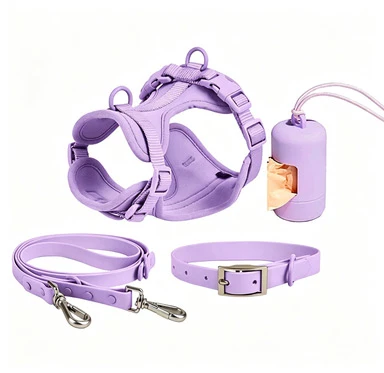
Whether matching leashes and harnesses will use the same size structure
This prevents the common mistake of copying another supplier's size chart without considering the actual market.
Define the Size Range Before Finalizing the SKU List
A buyer might initially plan five collar sizes:
XS / S / M / L / XL
But that does not automatically mean all five sizes are commercially necessary.
For some brands, four sizes may cover the intended market effectively.
For others, an additional size may be justified because the target customers include very small or very large dogs.
The decision should be based on the intended selling range rather than simply following a standard factory size chart.
Consider Adjustment Range, Not Only Neck Size
A collar's listed size does not tell the whole story.
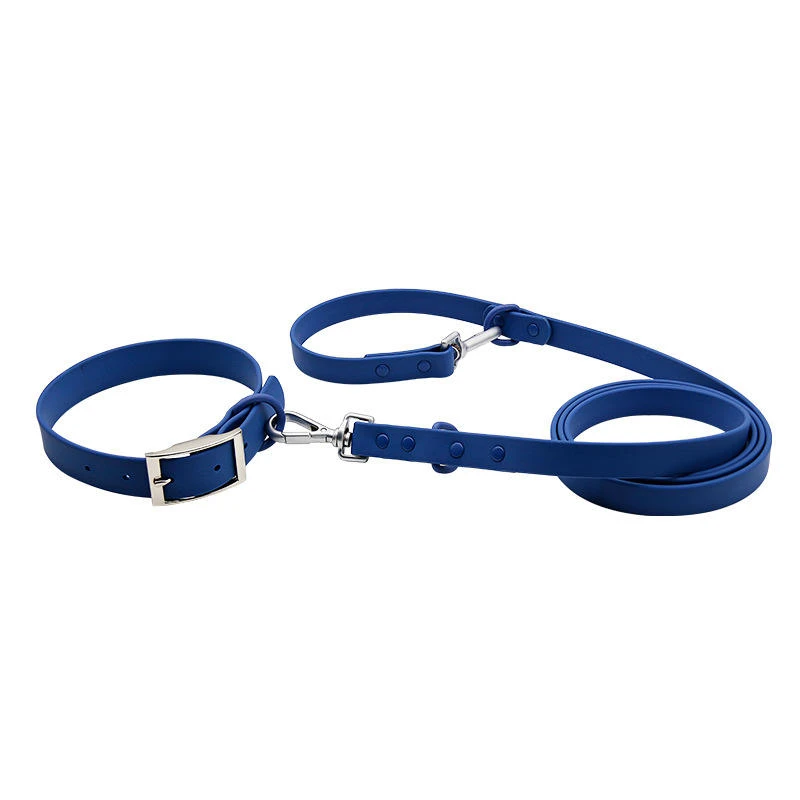
For an adjustable product, buyers should also consider the actual usable adjustment range.
For example, two collars may both be labelled "Medium," but one may provide a significantly wider adjustment range than the other.
When developing the specification, buyers can define:
Minimum neck circumference
Maximum neck circumference
Webbing width
Webbing thickness
Buckle size
Slider position
Adjustment structure
This is particularly important for products sold online, where customers usually rely on the size chart before purchasing.
A well-planned adjustment range can also reduce unnecessary SKU expansion.
Keep Related Products Consistent
If the brand plans to sell a matching collar, leash and harness collection, size planning should not happen independently.
The collar may use several widths, while the leash uses one or two standard widths and the harness follows a different body-size structure.
The goal is not to make every product use identical dimensions.
Instead, the products should have a logical relationship in:
Material
Color
Hardware appearance
Product positioning
Size naming
Packaging
Brand presentation
For example, a brand may use the same PVC or TPU coated webbing color across its collar and leash collection while using different widths for different applications.
GH Material currently positions its coated webbing capability as a manufacturing advantage supporting finished collars, leashes and harnesses.
Balance SKU Coverage With Inventory
Every additional size can create additional inventory requirements.
If one product has five sizes and four colors, the basic range already contains:
5 sizes × 4 colors = 20 SKU combinations
Adding another size increases this to 24 combinations.
If the brand also sells matching leashes or harnesses, the number of product combinations can grow quickly.
For new products, therefore, buyers may want to start with the sizes that have the strongest expected demand rather than immediately producing every possible variation.
Use Sales Data for Future Expansion
A practical approach is to launch the initial size range based on the target market and then review actual sales.
After several purchasing cycles, the brand may discover that:
One size sells significantly more than others
One color has weak demand
A particular size generates frequent replacement requests
A certain size is mainly purchased together with a specific leash
This information can be used to adjust future production.
The goal is to let inventory data influence the next product development decision.
Confirm Hardware Compatibility With Each Size
Changing collar size can also affect hardware selection.
A wider collar may require a different buckle or D-ring size than a narrow collar.
Before mass production, buyers should therefore review:
Buckle dimensions
D-ring dimensions
Slider size
Webbing width
Stitching area
Hardware weight
Connection structure
The hardware should work with the selected webbing construction rather than being treated as a separate purchasing decision.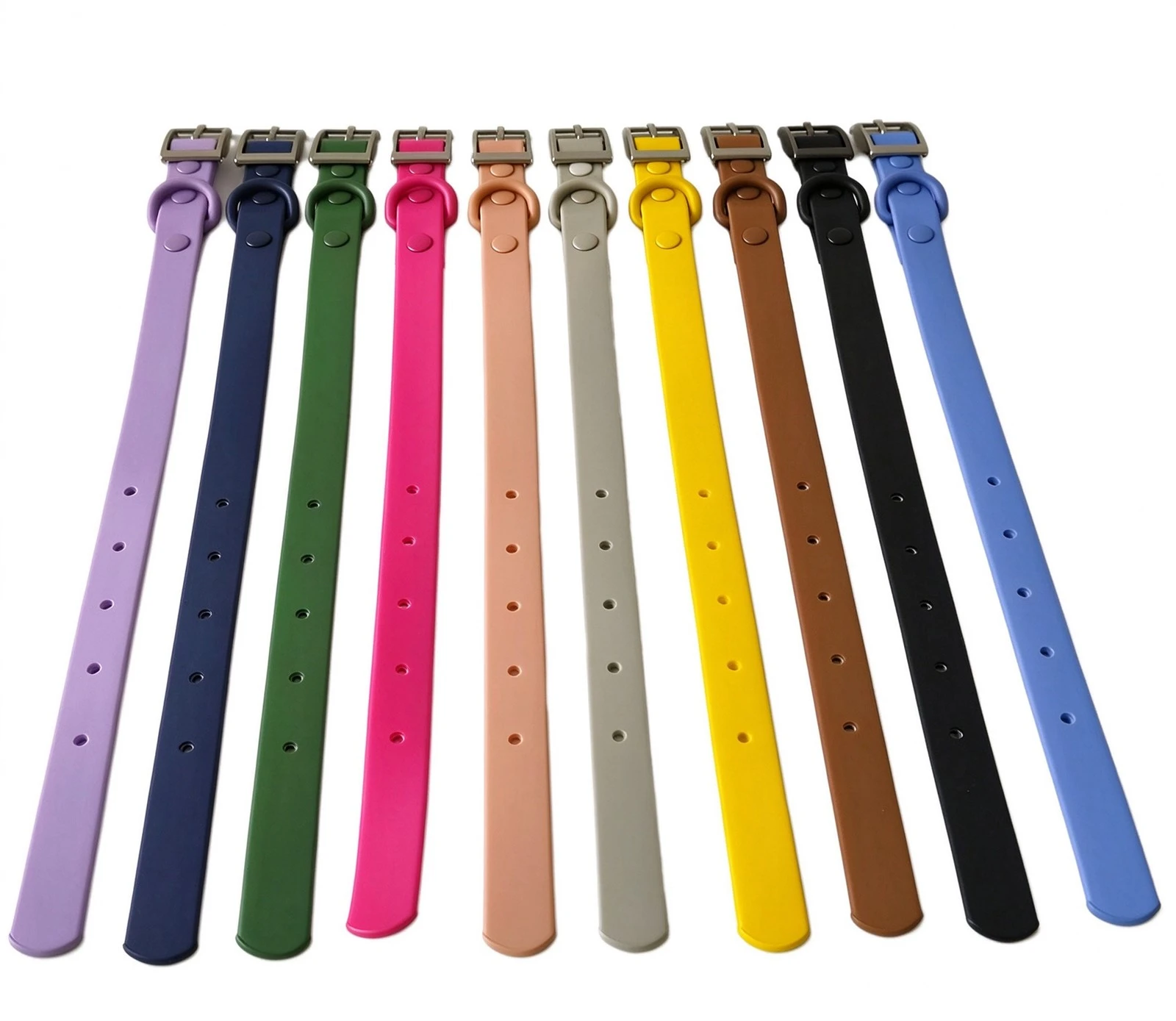
Plan Packaging Around the Final Size Structure
Packaging is another area that can become complicated when a product has many SKUs.
Each size may require:
Different labels
Different barcode
Different size markings
Different packaging artwork
Different carton quantities
For private-label buyers, the final size structure should therefore be confirmed before packaging artwork is completed.
This can help prevent unnecessary packaging revisions later.
A Practical Size Planning Process
For a new custom dog collar range, buyers can use a simple sequence:
Target Market → Expected Dog Size → Proposed Size Range → Adjustment Range → Hardware Matching → SKU Calculation → Sample Development → Sales Review
This approach is different from simply asking a supplier:
"What sizes do you have?"
The supplier can provide manufacturing recommendations, but the final SKU structure should reflect the brand's market and inventory strategy.
Build the Range Around Your Business
A successful dog collar range does not necessarily need the largest possible number of sizes.
For a new private-label product, a focused range can make purchasing, packaging, inventory and production easier to manage.
As demand becomes clearer, additional sizes can be introduced based on actual market performance.
For B2B buyers, the most useful starting point is to provide the target market, expected quantity, preferred material, product positioning and planned size range to the manufacturer.
GH Material can develop custom dog collars around specifications such as size, width, material, color, hardware, logo and packaging.
Planning a new dog collar range? Send your target sizes, colors and estimated quantities to GH Material for an OEM quotation.