

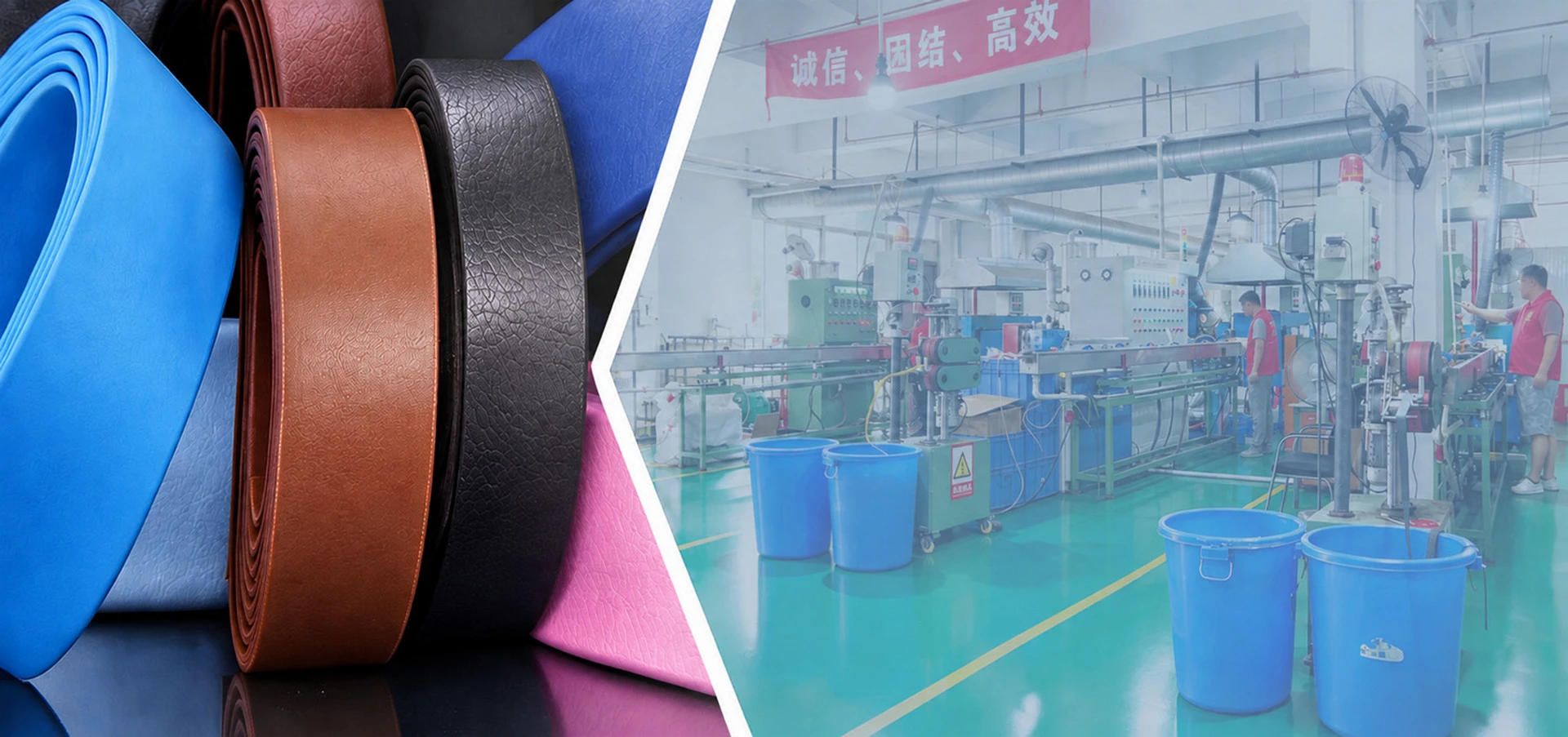
How Does Color Consistency Affect Pet Accessory Development?
Nov 21, 2026
Leave a message
When developing a new pet accessory collection, brands often focus on product design, materials, functionality, and pricing. However, color consistency is another important factor that can influence how a product range is developed and presented in the market.
For pet accessory brands, collars, leashes, and harnesses are often designed as coordinated product collections. If the colors do not match across different products, materials, or production runs, the collection may lose its intended visual identity.
For importers, wholesalers, and private label buyers, understanding color consistency helps when planning product ranges, selecting customized materials, and communicating development requirements with manufacturers.
1. Why Is Color Consistency Important for Pet Accessory Brands?
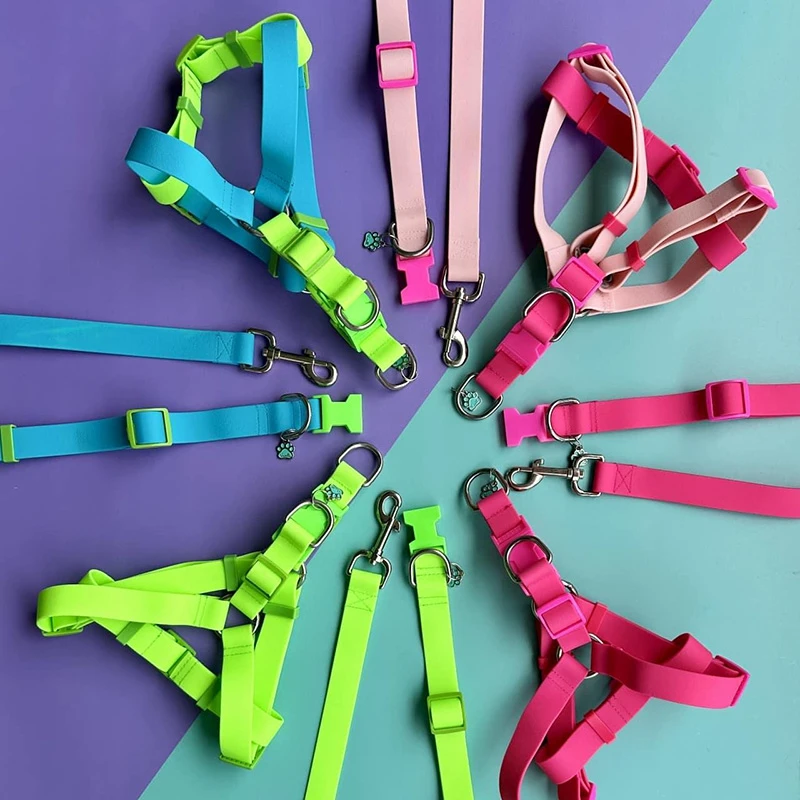
Color is an important part of product identity. Brands often use coordinated colors across collars, leashes, harnesses, and other pet accessories to create recognizable product collections.
When colors vary between products, the overall presentation may become less consistent.
For example, a brand developing a blue pet accessory collection may expect the collar, leash, and harness to have a similar shade. If each product looks noticeably different, the collection may not achieve the intended appearance.
Color consistency can influence several aspects of product development:
- Brand identity: Consistent colors help maintain a recognizable visual style across product collections.
- Product coordination: Matching colors allow buyers to offer complementary collars, leashes, and harnesses.
- Product presentation: Consistent colors create a more unified appearance in product photography, catalogs, and online listings.
- Product range expansion: Established color references make it easier to introduce additional products that fit an existing collection.
For brands selling multiple pet accessory categories, color should therefore be considered during product planning rather than treated as a final decorative decision.
2. What Makes Color Matching Difficult Across Different Pet Products?
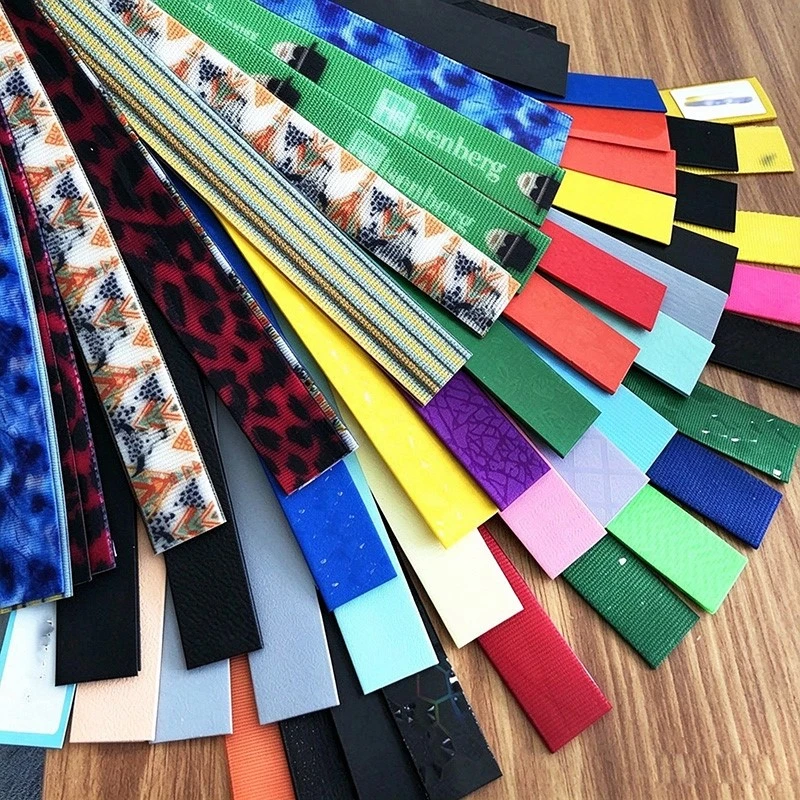
One challenge in pet accessory development is that different products may use different materials and manufacturing processes.
A collar, leash, and harness may share the same requested color but still look slightly different after production.
Different Material Surfaces
Material surfaces can influence how colors appear.
For example, polyester webbing, nylon webbing, and PVC or TPU coated webbing may display the same color differently because of differences in surface texture, coating, and light reflection.
A smooth coated surface may reflect light differently from a woven textile surface. As a result, matching colors by visual reference alone may not always produce an identical appearance.
Different Product Constructions
Pet accessories may contain several components, including webbing, stitching, plastic buckles, metal hardware, and other accessories.
Even when the main webbing color is consistent, differences in stitching or component colors can affect the overall appearance.
This is particularly relevant when brands develop coordinated product collections with multiple components.
Different Manufacturing Processes
Different materials may require different coloring or processing methods.
Consequently, a single color reference does not necessarily guarantee an identical visual result across all materials.
Manufacturers need to consider material compatibility and the intended product appearance during development.
3. How Should Brands Plan Colors for a Pet Accessory Collection?
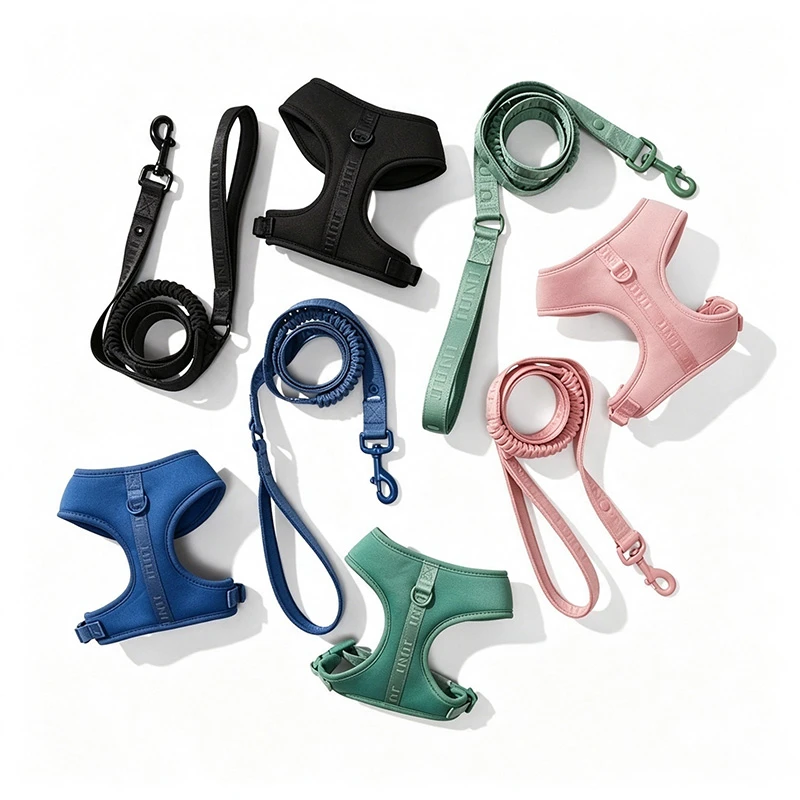
Color selection should be connected to the overall product range rather than handled separately for every individual item.
For importers and private label buyers, a structured color plan can make product development more organized.
Establish a Core Color Range
Brands can begin with a limited selection of core colors that will be used across their main product categories.
For example, a collection may include black, navy, beige, and green collars and leashes.
A defined color range helps maintain a consistent product identity while giving buyers enough variety for different market preferences.
Match Colors Across Related Products
When developing coordinated products, buyers should identify which components need to match closely and which can use complementary colors.
For example:
- Dog collars and leashes may use matching main colors.
- Harness webbing may follow the same color direction.
- Stitching can use either matching or contrasting colors.
- Hardware finishes can be selected to complement the overall design.
This approach gives brands more control over the appearance of the complete collection.
Consider Material Availability
Not every material or component can reproduce every color in exactly the same way.
Before finalizing a color range, buyers should consider whether the selected colors can be achieved across the intended product materials and components.
This can help reduce unnecessary development adjustments later.
4. How Does Color Consistency Influence Custom Pet Product Manufacturing?
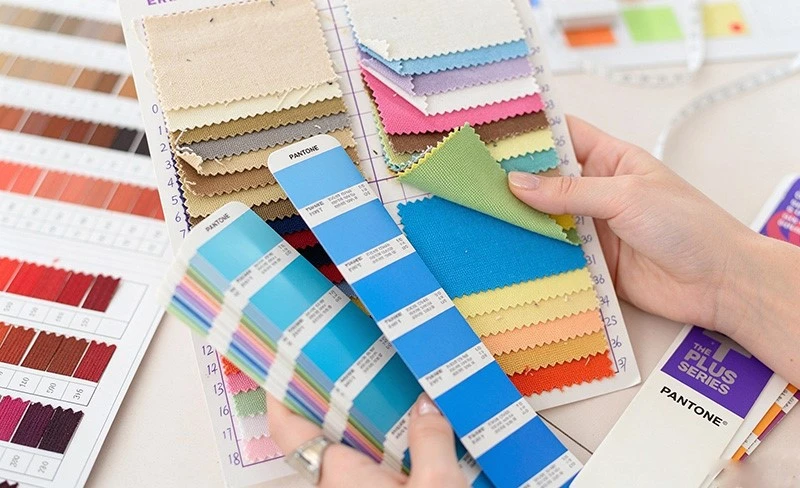
For OEM and ODM projects, color requirements need to be communicated clearly between buyers and manufacturers.
A general color description such as light blue, dark green, or warm beige may leave room for different interpretations.
Using a standardized color reference, such as a Pantone reference where appropriate, can provide a more specific starting point for development.
However, the reference should still be evaluated against the actual material and intended production process.
Manufacturers may need to consider:
- Whether the selected color is suitable for the chosen material.
- Whether different materials can achieve a visually coordinated appearance.
- Whether stitching and additional components complement the main product color.
- Whether the approved color appearance can be maintained under the intended production conditions.
For PVC and TPU coated webbing, buyers should also consider how the coating and surface finish influence the final color appearance.
A color that looks suitable on a textile reference may appear different on a coated surface.
Therefore, color development should be evaluated in the context of the complete product rather than relying exclusively on digital images or printed references.
5. What Should Buyers Consider When Expanding an Existing Product Collection?
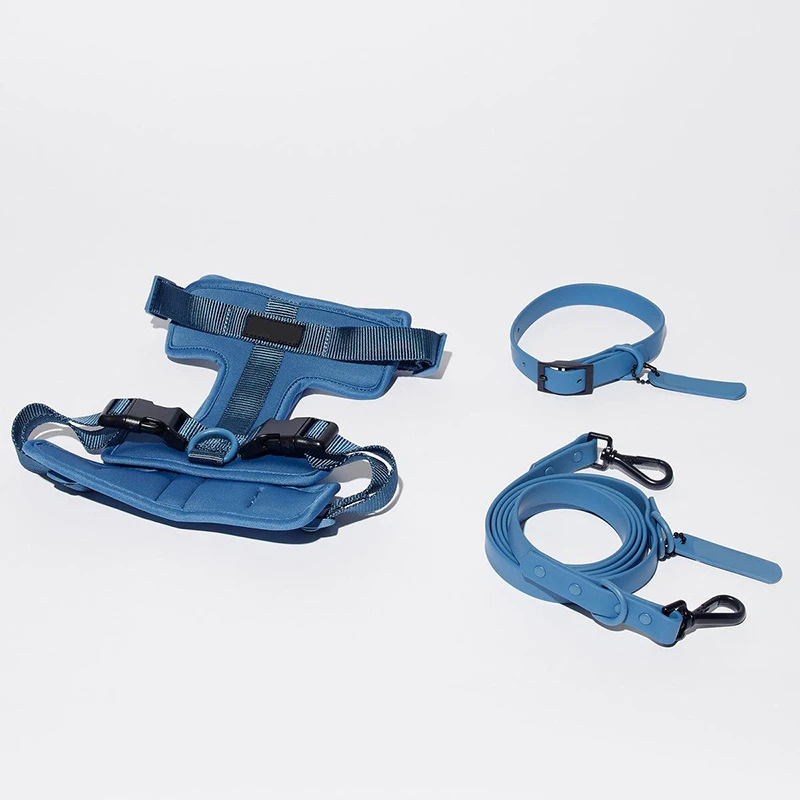
Color consistency becomes particularly important when brands introduce new products into an existing collection.
For example, a brand may initially sell dog collars and leashes before adding matching harnesses or other accessories.
If the new products use different materials or components, reproducing the established color appearance may require additional development work.
Buyers should consider three factors:
Existing Product References
Keep the original product and approved color references available when developing additional items. This gives manufacturers a practical comparison point.
Material Compatibility
Check whether the new product uses the same material or a different construction. Different surfaces may produce different visual results even when the color reference remains unchanged.
Collection Appearance
Evaluate the new product alongside existing items. The objective is to maintain a coordinated collection rather than simply reproduce an isolated color reference.
This is especially useful for private label brands that gradually expand their product ranges.
6. How Can Brands Maintain Color Consistency Across Different Orders?
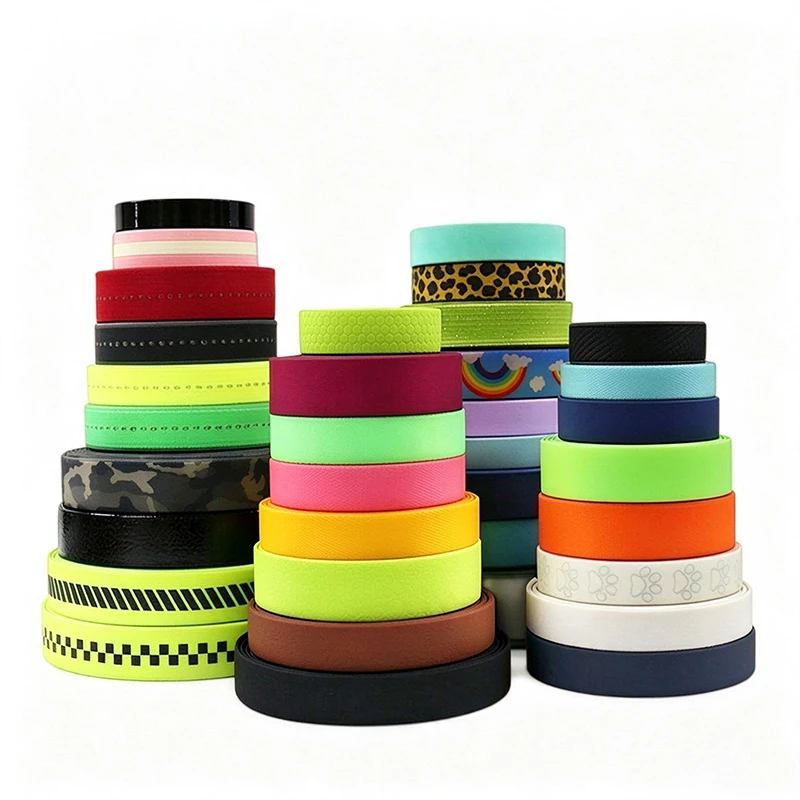
As a pet accessory collection grows, brands may place repeat orders or introduce additional product styles.
Maintaining a consistent visual identity requires clear color references and communication between the buyer and manufacturer.
Some practical measures include:
- Keeping approved physical color references for future development.
- Recording the material and finish associated with each color.
- Identifying which colors are shared across different product categories.
- Reviewing the actual material appearance when introducing new product styles.
- Communicating any intended color changes before production.
Buyers should also distinguish between an exact material color match and an acceptable visual match across different materials.
For example, a PVC coated leash and a woven fabric accessory may not look identical under the same lighting conditions. The required level of coordination should be established according to the brand's product design.
Clear expectations make it easier for manufacturers to understand the intended result.
Conclusion
Color consistency is more than a visual detail in pet accessory development. It influences brand identity, product coordination, collection expansion, and the overall presentation of customized products.
For importers, wholesalers, and private label buyers, planning colors across different materials and product categories can help create more cohesive collections and reduce unnecessary development adjustments.
At GH Material, we supply customized pet accessories, including dog collars, leashes, and harnesses, as well as PVC and TPU coated webbing. We support product customization involving colors, materials, specifications, and product designs.
If you are developing a coordinated pet accessory collection, contact GH Material to discuss your product requirements and customization needs.