

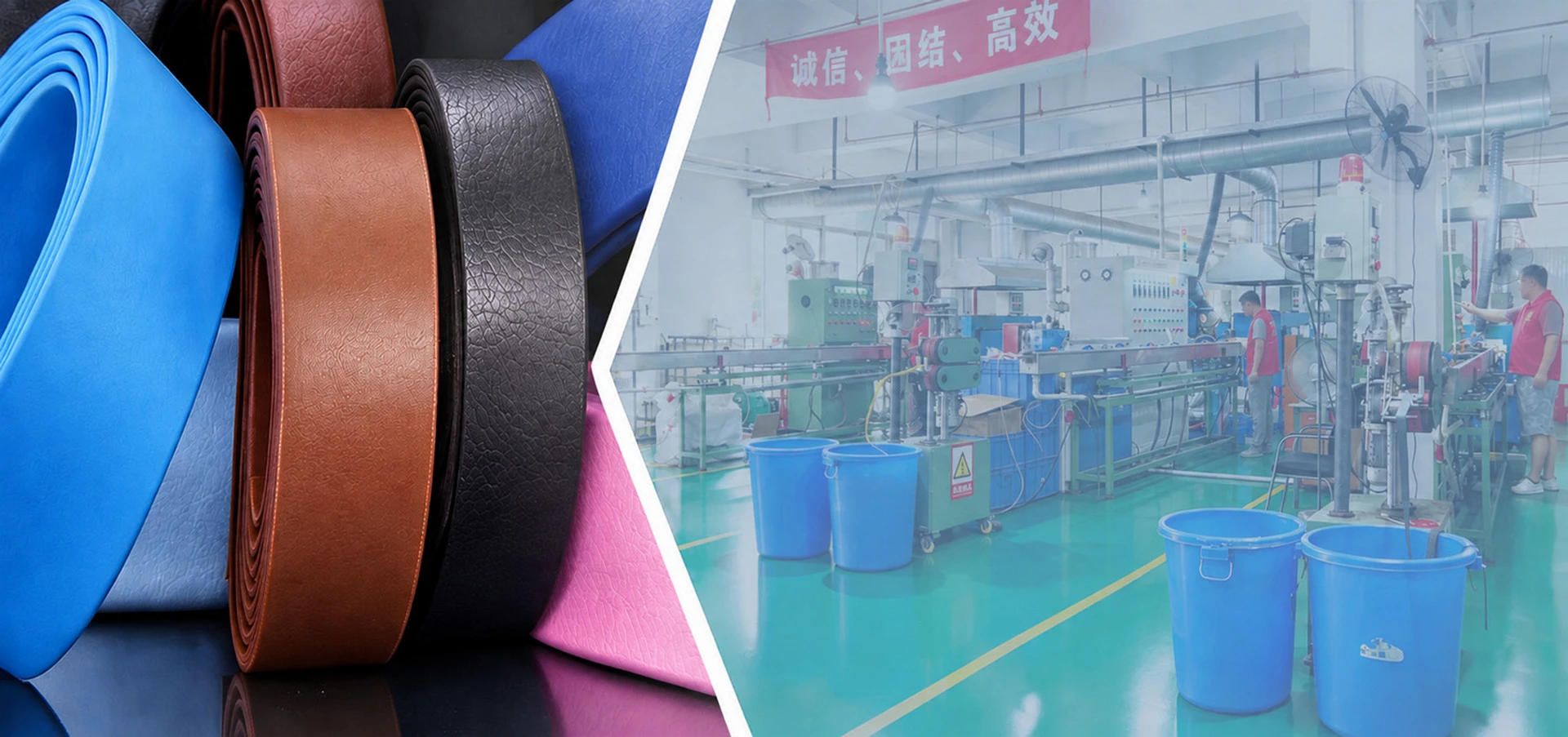
Webbing Edge Finishing in Dog Leash Manufacturing
Nov 21, 2026
Leave a message
How Does Webbing Edge Finishing Affect the Quality of Pet Leashes?
When developing pet leashes, buyers often focus on webbing material, width, color, strength, and hardware. However, another manufacturing detail can also influence the finished product: webbing edge finishing.
After webbing is cut to the required length, its edges may show loose fibers, uneven cuts, rough surfaces, or other visible imperfections, depending on the material and cutting method. These details can affect product appearance, assembly consistency, and the overall finish of a dog leash.
For importers, wholesalers, and private label buyers, understanding webbing edge finishing helps when evaluating leash samples and discussing manufacturing requirements with suppliers.
1. Why Does Webbing Edge Finishing Matter in Dog Leash Manufacturing?
A dog leash is made from several connected components, including webbing, hardware, stitching, and a handle. The quality of each component contributes to the appearance and performance of the finished product.
Poorly finished webbing edges may create several issues:
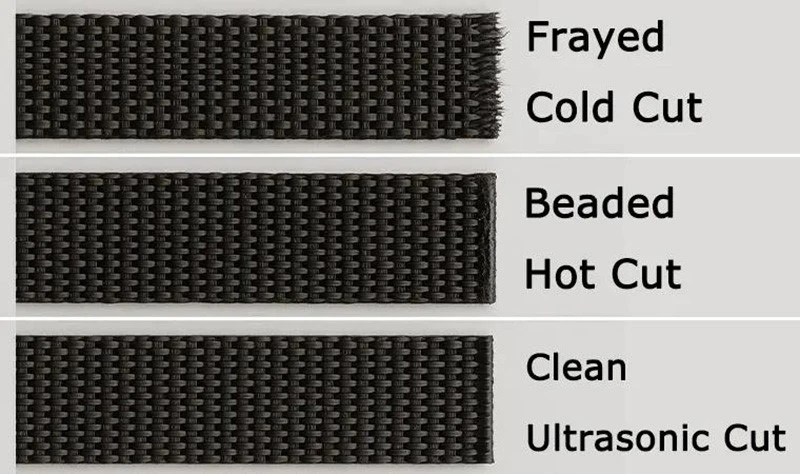
Loose fibers: Cut edges may unravel or release fibers, depending on the webbing construction.
Uneven appearance: Inconsistent cutting can make the finished leash look less professional.
Assembly difficulties: Uneven edges may affect folding, stitching, or alignment during production.
Inconsistent bulk production: Differences in cutting and finishing can create visible variation between individual leashes.
Not every rough-looking edge indicates a serious product defect. The acceptable finish depends on the webbing material, construction, intended application, and agreed product specifications.
For leash manufacturers using PVC and TPU coated webbing, material construction and cutting quality should also be evaluated during product development.
2. What Causes Poor Webbing Edge Quality?
Webbing edge quality can be influenced by the material, cutting equipment, processing conditions, and production control.
Webbing Construction
Different webbing materials behave differently during cutting.
Woven polyester and nylon webbing may release loose fibers when cut because their structures consist of interlaced yarns. The extent of fraying depends on yarn construction, density, and cutting conditions.
PVC and TPU coated webbing have different edge characteristics because the coating surrounds the underlying textile structure. However, the coating does not automatically guarantee a clean or uniform cut.
Manufacturers should evaluate the actual material rather than applying the same finishing method to every webbing type.
Cutting Equipment
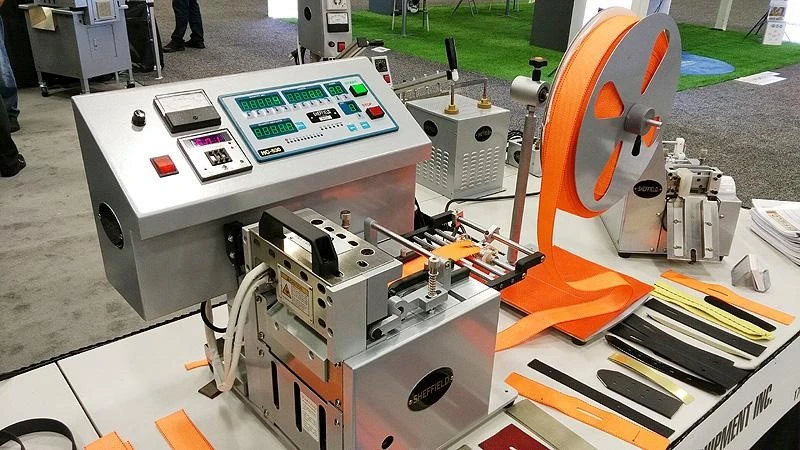
The condition and suitability of cutting equipment can influence edge consistency.
A poorly maintained blade, unsuitable cutting setup, or inconsistent positioning may result in uneven edges. For repeated production, equipment condition and cutting accuracy need to be controlled.
Processing Conditions
For heat-based cutting methods, processing conditions such as temperature and cutting speed may influence the result.
Insufficient heat may leave some synthetic fibers incompletely sealed, while excessive heat may cause discoloration, hardening, deformation, or other unwanted effects.
The appropriate settings depend on the specific material and should be established through production trials.
Buyers developing new leash products can also explore customized TPU coated webbing for dog leash manufacturing to review available material specifications.
3. How Do Different Edge Finishing Methods Affect Webbing?
Different materials and product constructions require different cutting and finishing approaches.
Standard Mechanical Cutting
Mechanical cutting uses a blade to separate the webbing.
It can be suitable for materials and applications where the cut edge can be controlled through subsequent assembly or finishing.
However, woven synthetic webbing may develop loose fibers after cutting. Additional finishing may be necessary depending on the product requirements.
Hot Cutting
Hot cutting uses heat to cut certain synthetic webbing materials. The heat can help seal the cut edge by melting the fibers.
This method may reduce fraying when the material is suitable and processing conditions are properly controlled.
However, hot cutting is not suitable for every material. Excessive heat can create hardened edges, discoloration, or inconsistent finishes.
Ultrasonic Cutting
Ultrasonic cutting uses high-frequency vibration to separate certain materials. Depending on the material construction and equipment setup, it can produce clean, consistent cuts.
Its suitability should be confirmed through testing, particularly when working with coated or multi-layer materials.
Edge Finishing for Coated Webbing
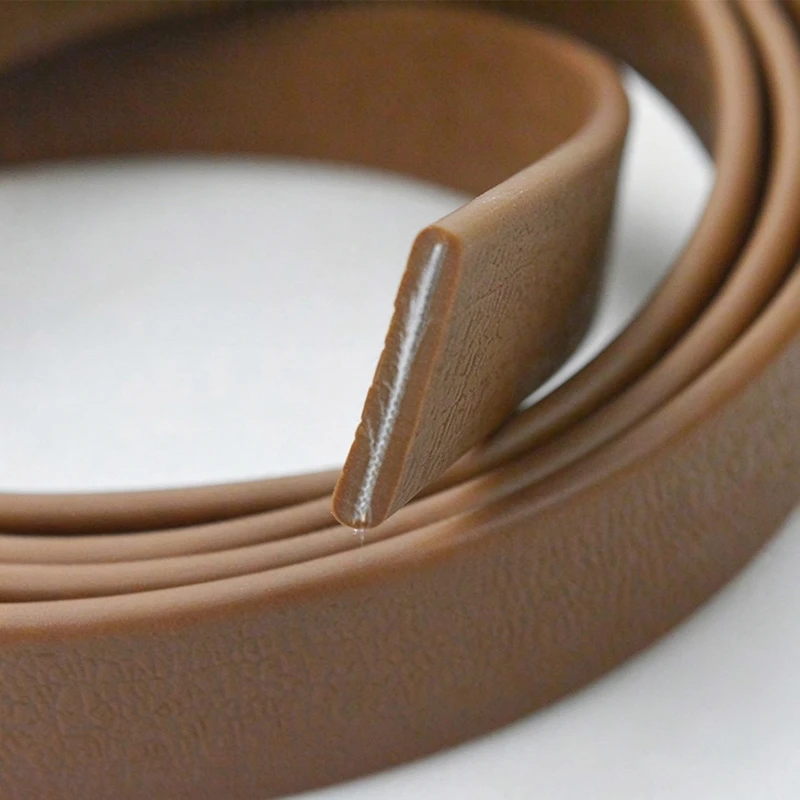
PVC and TPU coated webbing should be evaluated according to their coating and textile construction.
The cutting process needs to produce an edge that is visually consistent and appropriate for the intended assembly.
For coated webbing used in pet leashes, buyers should review whether the cut edge shows excessive coating damage, uneven separation, exposed fibers, or other defects.
No single cutting method should be assumed to provide the best result for all coated webbing products.
4. How Can Poor Edge Finishing Affect the Finished Dog Leash?
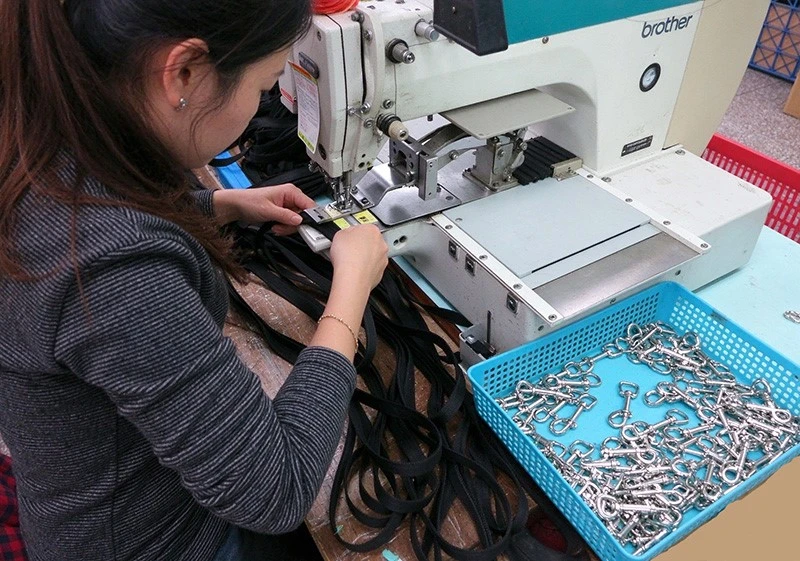
The impact of edge finishing depends on where the cut edge appears in the finished product.
Appearance
Visible cut edges around handles, folded sections, and other exposed areas can influence the overall presentation of a leash. Uneven edges may be particularly noticeable on products with contrasting colors or clean, minimal designs.
Stitching and Assembly
Some leash designs require webbing to be folded and stitched around hardware or handle sections. Uneven edges may make alignment and assembly more difficult.
Handling Comfort
Exposed fibers or excessively rough edges in areas that come into contact with the user's hands may affect handling comfort.
Product Consistency
When edge finishing varies between production batches, the finished products may not have a consistent appearance. This can be a concern for brands selling coordinated pet accessory collections.
Edge finishing should therefore be considered as part of the complete leash construction, not as an isolated cosmetic detail.
For example, custom dog collars and leashes can involve different webbing widths, colors, stitching details, and hardware combinations.
5. What Should Buyers Check When Evaluating Webbing Edge Quality?
Before approving a dog leash sample, buyers should inspect both the raw webbing and the assembled product.
The following checks can help identify potential manufacturing issues.
Check 1: Edge Appearance
Look for uneven cuts, loose fibers, exposed textile yarns, and visible coating damage.
Check 2: Edge Consistency
Compare several sections of the webbing to see whether the cutting width and edge appearance remain consistent.
Check 3: Handle and Folded Sections
Inspect areas where webbing is folded, stitched, or connected to hardware. These locations can reveal whether edge finishing is suitable for the intended construction.
Check 4: Material Compatibility
Confirm that the finishing method is appropriate for the selected material. A process suitable for polyester webbing may not produce the same result on PVC or TPU coated webbing.
Check 5: Bulk Production Samples
Review samples produced under the intended manufacturing conditions rather than relying only on a specially prepared development sample.
Buyers should also agree on acceptable edge appearance and defect limits with the manufacturer before production begins.
6. How Can Manufacturers Maintain Consistent Webbing Edge Finishing?
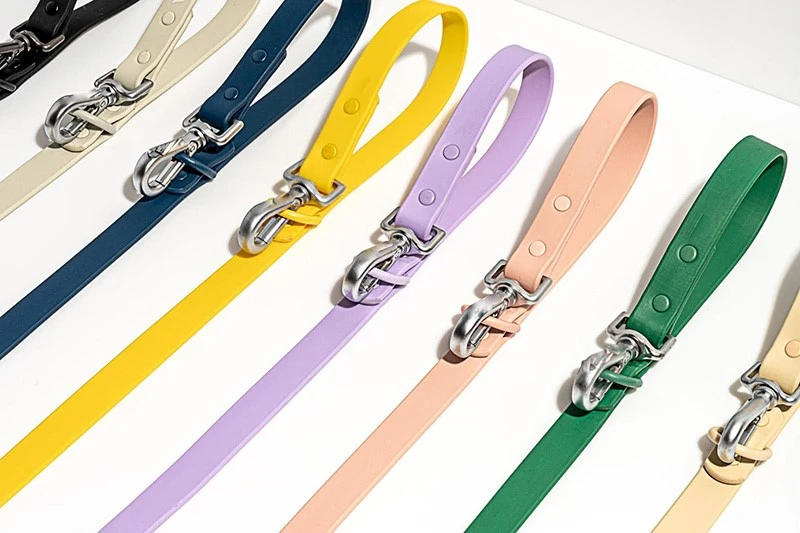
Consistent edge quality requires attention to the complete production process.
Manufacturers can improve consistency by:
Selecting cutting methods according to the webbing material.
Maintaining cutting equipment in suitable condition.
Establishing and controlling processing parameters.
Checking cut dimensions and edge appearance during production.
Inspecting folded and stitched sections during leash assembly.
Applying consistent quality requirements across production batches.
For customized pet leashes, buyers should communicate the intended product construction and visible finishing requirements during sample development.
This gives the manufacturer an opportunity to evaluate the material, cutting process, and assembly method together before mass production.
Conclusion
Webbing edge finishing is an important manufacturing detail in dog leash production. Cutting methods, material construction, and processing conditions can influence edge appearance, assembly consistency, and the overall finish of the product.
For importers, wholesalers, and private label buyers, checking edge quality during sample evaluation can help identify potential issues before bulk production.
At GH Material, we supply pet accessories including customized dog leashes, collars, and harnesses, as well as PVC and TPU coated webbing. If you are developing a new pet leash collection, contact our team to discuss your material requirements, product construction, and customization needs.