

How Should Importers Evaluate the Commercial Potential of Travel-Ready Pet Accessories
Nov 21, 2026
Leave a message
How Should Importers Evaluate the Commercial Potential of Travel-Ready Pet Accessories?
Pet travel is creating new opportunities in the pet accessories industry. As more dog owners include their pets in road trips, outdoor activities, and other journeys, demand for practical travel-related accessories is gaining attention.
For pet product importers, this creates opportunities to expand existing product ranges. However, buyers need to evaluate customer demand, product functionality, manufacturing feasibility, and commercial potential before investing in new products.
According to the American Pet Products Association (APPA), 74% of dog owners who traveled with their dogs had traveled by plane in the previous year, while 87% had traveled by car. These findings highlight the growing role of pets in travel activities.
For importers, the challenge is turning these lifestyle changes into commercially viable product opportunities.
1. Identify Travel Activities That Create Product Demand
Different travel situations create different accessory requirements.
Road trips may involve frequent stops and outdoor walking. Air travel introduces different preparation requirements, while local trips often emphasize convenience and portability.
Importers should identify which applications match their target customers before selecting products.
Potential opportunities include:
Road travel: Walking accessories for travel stops and outdoor activities.
Air travel: Accessories that complement pet travel preparations.
Outdoor trips: Collars, leashes, and harnesses designed for walking and outdoor use.
Rather than developing one universal travel product, buyers should focus on specific customer needs that justify purchasing decisions.
2. Evaluate Whether Existing Products Can Serve New Applications
Not every market opportunity requires developing an entirely new product.
Importers already selling collars, leashes, and harnesses may explore additional applications through product modifications.
For example, an existing leash design could be adapted for different walking situations, while a harness could be evaluated for outdoor travel activities.
Before investing in new development, buyers should consider:
Whether existing products can serve additional applications.
Whether structural modifications are necessary.
Whether different hardware or accessories improve functionality.
Whether the modified product offers a meaningful market advantage.
This approach allows brands to explore new applications without unnecessarily increasing product development costs.
3. Prioritize Features That Solve Practical Problems
Travel-ready products should offer functional benefits rather than simply using travel-related marketing descriptions.
Buyers may evaluate adjustable structures, convenient attachment systems, suitable hardware, durable materials, and easy-to-maintain designs.
However, additional features do not automatically increase commercial value.
Each feature should address a recognizable customer need and justify its impact on manufacturing costs and selling prices.
For importers, the important question is whether customers will recognize and pay for the added functionality.
A simpler product with a clear purpose may be commercially more attractive than a complicated design with unnecessary features.
4. Assess Manufacturing Feasibility Before Product Development
A promising product concept still needs to be evaluated from a manufacturing perspective.
Customized dog harnesses may require adjustments to product structures, component selection, and assembly processes. Travel-related leash designs may involve different webbing configurations and hardware combinations.
Before approving development, buyers should discuss:
Whether the factory can support the proposed design.
Whether customized components are required.
Whether modifications affect assembly requirements.
Whether consistent specifications can be maintained during production.
Understanding these requirements helps importers evaluate the practical costs and manufacturing challenges of new products.
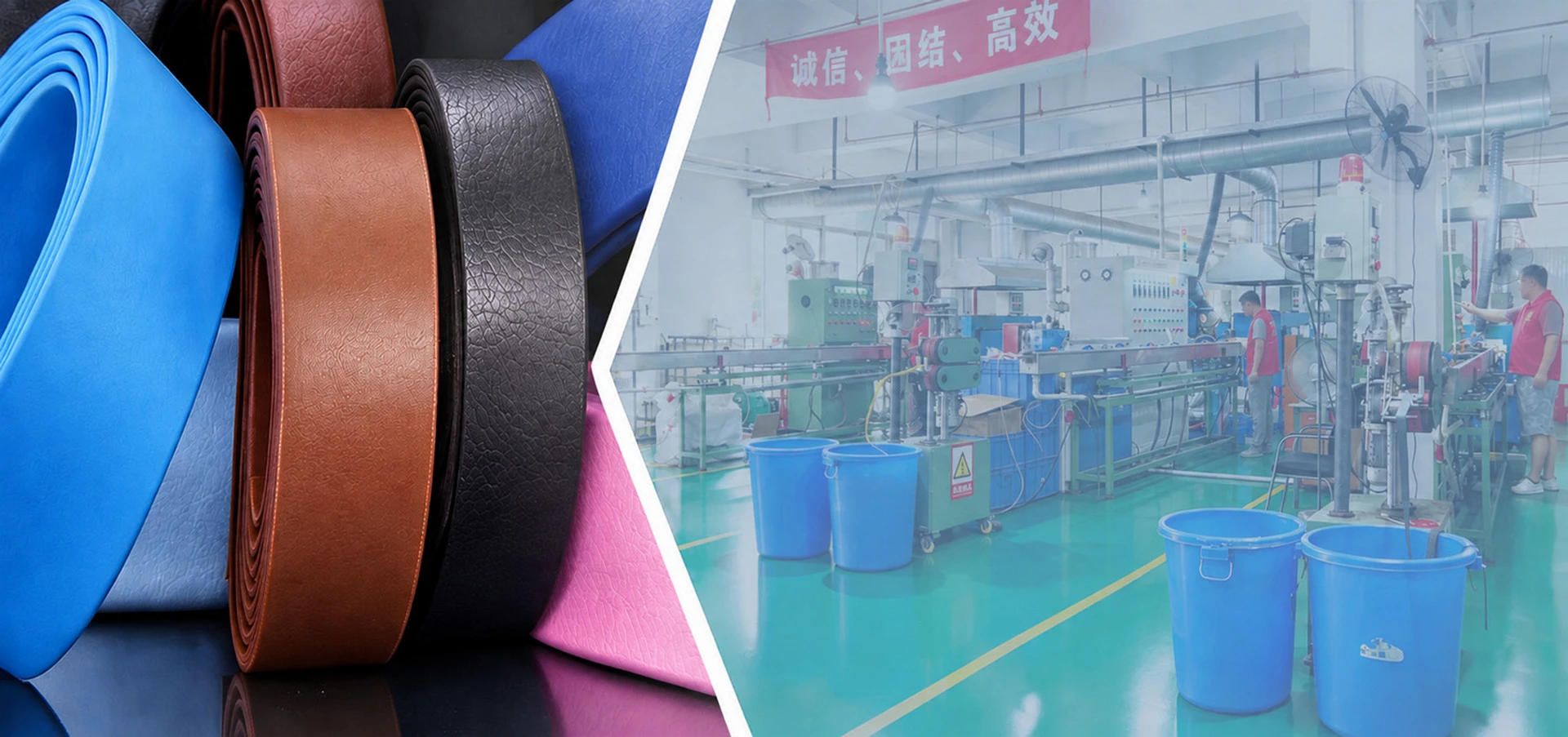
This is particularly relevant when sourcing customized collars, leashes, harnesses, and PVC/TPU coated webbing applications.
5. Compare the Commercial Value of Different Product Concepts
Importers should not evaluate new products based solely on appearance or novelty.
A commercially attractive product needs to balance customer demand, manufacturing requirements, selling price, and potential sales opportunities.
| Evaluation factor | Procurement question |
|---|---|
| Customer demand | Is there a clear customer need? |
| Differentiation | Does the product offer meaningful advantages? |
| Manufacturing | Can the factory produce it consistently? |
| Cost | Do additional features justify their costs? |
| Positioning | Does it fit the intended price segment? |
| Sales potential | Is there a realistic target market? |
For example, a premium travel-oriented leash should offer enough functional value to justify its higher selling price.
If customers cannot recognize meaningful differences from existing alternatives, the investment may not generate the expected return.
6. Consider Sales Channels Before Finalizing Product Specifications
Different sales channels may prioritize different product characteristics.
Specialty pet stores may seek distinctive products and functional differentiation. E-commerce sellers may prioritize features that are easy to communicate through online listings. Wholesale distributors may focus on products that complement their existing ranges.
Importers should therefore identify their intended sales channels before finalizing product specifications.
This helps prevent investments in products that are technically feasible but difficult to position commercially.
7. Validate Market Demand Before Expanding Purchasing Commitments
A promising product concept does not guarantee strong sales.
Before committing to larger purchasing quantities, importers can introduce selected products to existing customers, collect feedback on features and expected selling prices, and compare responses to different product concepts.
Early sales performance can also help buyers determine whether product adjustments are necessary.
This process helps distinguish genuine purchasing demand from assumptions based on market trends and reduces the commercial risk of introducing new accessories.
Conclusion
Travel-ready pet accessories offer importers opportunities to explore new applications for established pet product categories.
However, successful product development requires more than following lifestyle trends. Buyers need to identify specific customer needs, evaluate product functionality, understand manufacturing requirements, and assess commercial feasibility.
For overseas importers, improving existing products for new applications may offer more practical opportunities than developing complicated products without proven demand.
Working with a manufacturer experienced in product customization can help turn these concepts into commercially viable pet accessories.
Looking to develop customized pet accessories for your market?
GH Material manufactures pet collars, leashes, harnesses, and related pet products for overseas B2B buyers. Contact our team to discuss your product concepts, customization requirements, and OEM/ODM manufacturing needs.
Frequently Asked Questions
1. Why are travel-ready pet accessories a potential opportunity for importers?
More dog owners are incorporating pets into travel activities, creating opportunities for accessories designed for specific travel and outdoor applications.
2. Should importers develop completely new travel products?
Not necessarily. Existing collars, leashes, and harnesses may be adapted for additional applications when modifications provide meaningful functional value.
3. What should buyers consider when sourcing travel-related pet accessories?
Customer demand, product functionality, manufacturing feasibility, cost structure, and target sales channels.
4. How can importers reduce the risk of launching new travel accessories?
They can validate product concepts with selected customers, collect feedback, and review early sales performance before increasing purchasing quantities.