


PVC vs TPU Coated Webbing for Dog Products | GH Material
Oct 08, 2026
Leave a message
Choosing coated webbing for a new dog collar or leash collection involves more than comparing PVC and TPU. For pet product brands, wholesalers, and private-label buyers, the material must fit the product design, target price, intended use, and production requirements.
PVC and TPU coated webbing can both be used in dog collars and leashes. However, the right choice depends on what your product needs to deliver and which specifications your supplier can consistently manufacture.
This guide explains how to evaluate both materials from a B2B product development and purchasing perspective.
Start With Your Product Positioning
Before selecting a material, define the role of the product in your collection.
A value-oriented everyday collar has different purchasing priorities from a premium outdoor leash. Choosing the material before defining these priorities can lead to unnecessary costs or a product that does not match your original concept.
PVC Coated Webbing for Cost-Conscious Product Lines
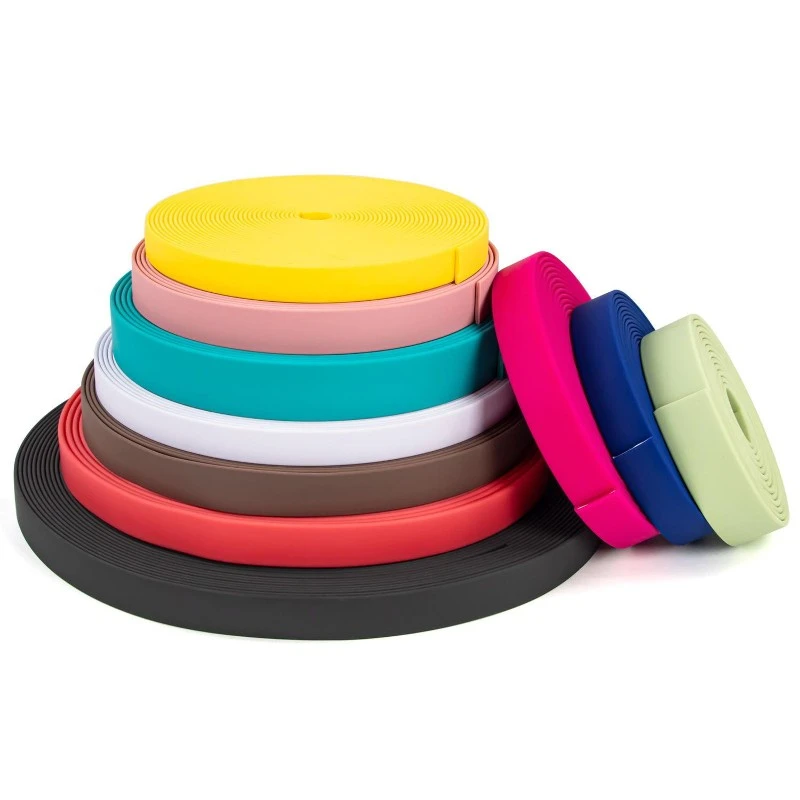
PVC coated webbing is worth evaluating when your project focuses on controlled material costs, coordinated colors, and repeatable product specifications.
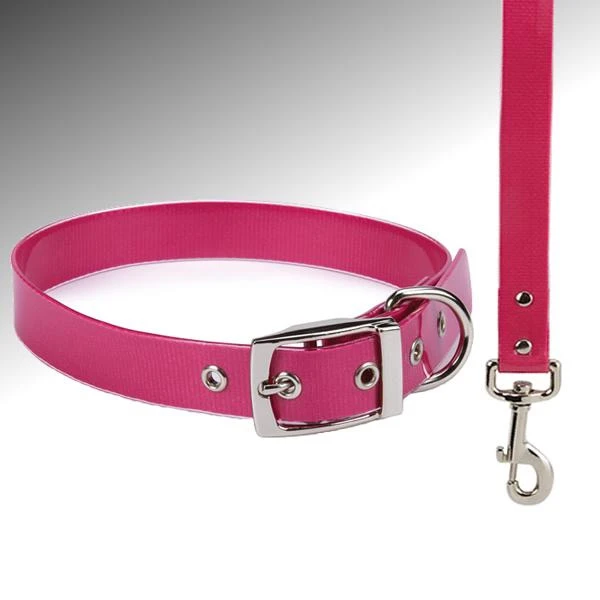
It can be considered for everyday dog collars, leashes, and other pet accessories where the selected material meets the required appearance and performance criteria.
For buyers developing multiple colors or product variations, confirm the available color range, dimensions, surface finish, and production consistency before finalizing the collection.
TPU Coated Webbing for Specific Performance or Design Requirements
TPU coated webbing is worth evaluating when flexibility, surface feel, low-temperature performance, or a particular product positioning is important to your project.
It may be suitable for premium pet product collections, but the material name alone does not guarantee the final product will meet every performance requirement.
Ask the supplier to confirm the actual material grade and available specifications. Where a specific property matters, request a sample and agree on an appropriate evaluation method.
Compare the Specifications That Affect Your Product
PVC versus TPU is only one part of the decision. The finished collar or leash also depends on the woven base, coating, dimensions, hardware, and construction.
Webbing Width and Thickness
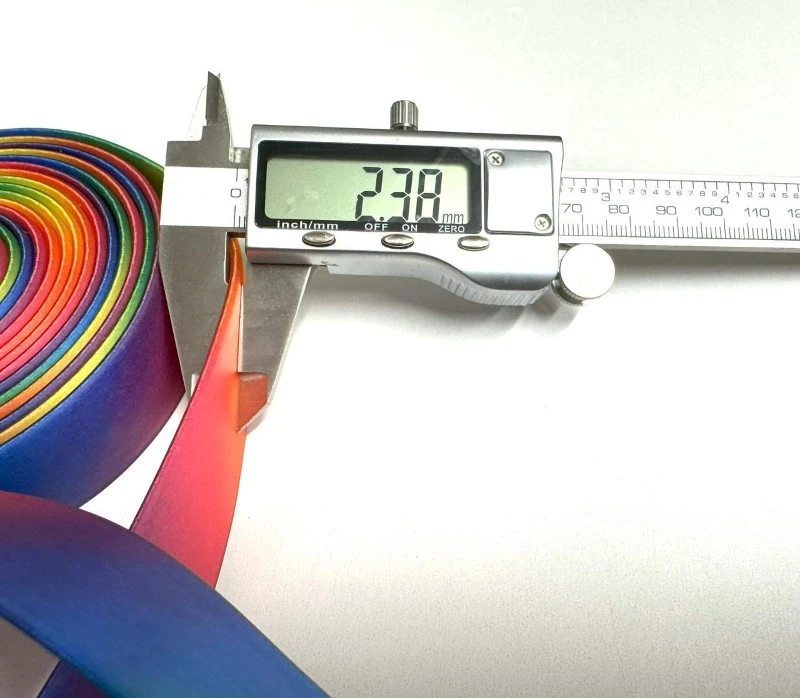
Width affects the appearance and fit of a collar or leash, while thickness influences the product's overall feel, flexibility, and compatibility with hardware.
Do not select dimensions based only on a photograph. Specify the required width and thickness, and confirm whether the proposed material works with your buckles, D-rings, adjustment components, and leash hooks.
Hardness and Flexibility
Two coated webbings may use the same polymer but feel different because of their formulation, construction, and processing.
Tell your supplier whether the finished product should feel firmer, softer, or more flexible. Compare physical samples rather than relying on material names alone.
Surface Finish and Color
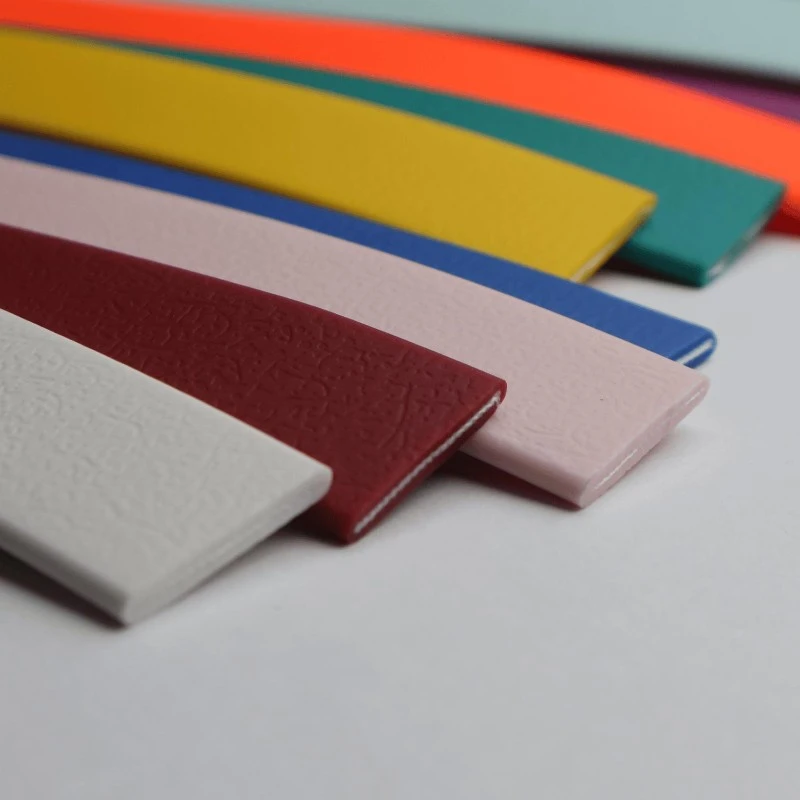
Glossy, matte, smooth, and textured finishes can create different visual results for the same product design.
If your collection requires matching collars and leashes, check the material and color samples together. Confirm how color, finish, and dimensions will be specified for repeat orders.
Coating Adhesion and Construction
The coating should remain properly bonded to the woven base under the intended conditions of use.
Ask how the supplier evaluates coating adhesion and what inspection criteria apply to your order. If you have specific durability requirements, define them before sample approval instead of relying on a general claim such as "high quality."
Evaluate Total Product Cost, Not Just Material Price
A lower material price does not automatically mean a lower total purchasing cost.
When comparing PVC and TPU coated webbing quotations, review the complete specification and commercial terms.
Consider:
Material price at your intended order quantity
Required width, thickness, hardness, and surface finish
Color matching and any printing or embossing
Hardware compatibility and assembly requirements
Sample charges and development time
Packaging requirements and production lead time
Inspection standards and repeat-order consistency
For example, a buyer developing a large retail collection may prioritize cost control and standardized specifications. A premium brand may place more emphasis on material feel, finish, and a defined performance requirement.
Neither approach automatically requires one material. The quotation should be compared against the same agreed specifications.
Use Samples to Validate the Material Before Bulk Production
A sample is an opportunity to confirm whether the proposed material matches the product brief.
Before approving a PVC or TPU coated webbing sample, review the following points:
Dimensions: Measure the width and thickness against the agreed specifications.
Appearance: Check color, surface finish, and consistency with the approved reference.
Flexibility: Assess whether the material feels appropriate for the intended collar or leash design.
Coating condition: Inspect the surface and bonding, and request relevant test information if required.
Component fit: Confirm that the webbing fits the selected hardware and can be assembled as intended.
Production reference: Record the approved material, color, dimensions, finish, and other key requirements for bulk production.
If the final product will be sold in a market with specific compliance requirements, communicate those requirements to the supplier before material selection. Request relevant documentation where applicable rather than assuming that PVC or TPU automatically meets a particular standard.
Confirm That the Approved Sample Can Be Reproduced
For B2B buyers, material selection is not complete when one sample looks right. The supplier must also understand how the approved specifications will be maintained during bulk production.
Record the selected material, color reference, dimensions, finish, and hardware details in a product specification sheet.
For coordinated collar and leash sets, review both products together. Confirm that their appearance, components, and agreed specifications match the intended collection.
Before placing a repeat order, use the approved specification as the reference point. This makes it easier to identify changes and discuss them with the supplier before production begins.
Work With a Supplier That Understands the Finished Product
A coated webbing specification must work in the finished product, not just on a material sample.
GH Material manufactures PVC and TPU coated webbing and produces finished pet products, including dog collars and leashes. Buyers can discuss material selection alongside the dimensions, surface finish, hardware, and customization requirements of their intended products.
To help evaluate your project, provide your target product, preferred material if known, required dimensions, color, estimated order quantity, and any reference sample or drawing.
If you are unsure whether PVC or TPU is more suitable, share your product positioning and required performance criteria first. The material can then be evaluated against the actual project rather than selected by name alone.
Request a Coated Webbing Sample
Developing a new dog collar or leash collection? Contact GH Material to discuss PVC and TPU coated webbing options for your product requirements.
Send us your target dimensions, preferred finish, estimated quantity, and reference design to begin a specification review and sample discussion.