


How To Choose The Right Webbing Thickness For Custom Pet Products
Oct 07, 2026
Leave a message
When developing a custom dog collar, leash or harness, buyers usually confirm the material, width, color and hardware first. Webbing thickness is another specification that should be confirmed before sample approval and bulk production.
The right thickness depends on how the finished product is constructed and how the webbing interacts with hardware, stitching and coating.
A thicker webbing is not necessarily a better choice. The goal is to select a thickness that works with the product structure, hardware dimensions, flexibility requirements and production method.
For pet brands, wholesalers and distributors, confirming this specification early can help reduce sample revisions and production issues.
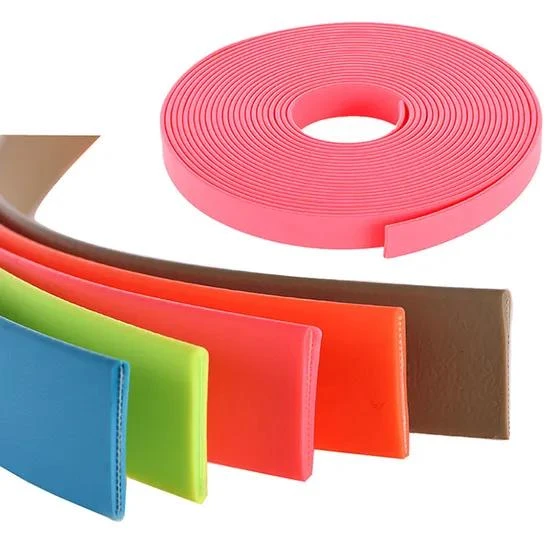
What Should Buyers Consider When Choosing Webbing Thickness?
There is no universal thickness for every custom pet product.
Before selecting a specification, buyers should consider:
Product type
Webbing width
Material
Coating structure
Hardware dimensions
Folding and stitching method
Required flexibility
Finished product construction
These factors work together.
For example, the thickness suitable for a dog collar may not be the same as the thickness required for a leash or harness. The correct specification should be developed around the finished product, rather than the webbing alone.
Match Thickness With Webbing Width
Width and thickness should be considered together.
A wider webbing with a suitable thickness can provide a different structure and handling feel from a narrow webbing with the same thickness.
For custom pet products, buyers should therefore confirm both:
Webbing width + finished thickness
at the sample development stage.
This is particularly important when the webbing needs to pass through buckles, sliders, D-rings or other hardware.
The selected dimensions should match the actual product construction rather than being chosen independently.
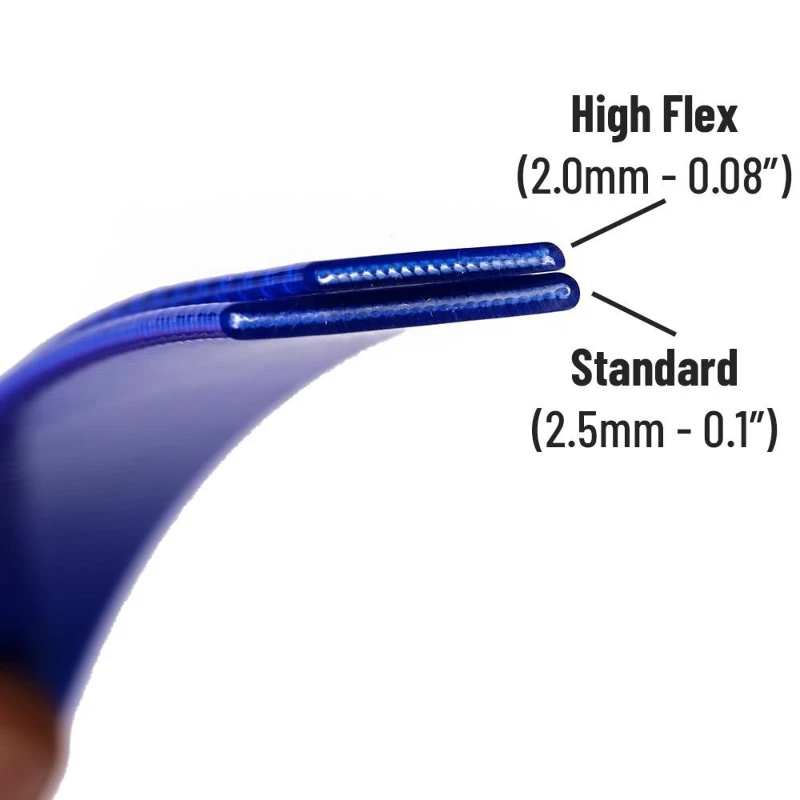
Check Hardware Compatibility Before Production
Hardware dimensions can place practical limits on webbing thickness.
Buckles, D-rings, sliders and swivel hooks have specific openings. If the webbing is too thick, it may be difficult to insert or fold through the hardware.
If the webbing is too thin, the finished assembly may not have the intended structure.
For this reason, buyers should confirm:
Webbing width
Finished thickness
Hardware opening
Number of folded layers
Connection method
This is especially important for products with multiple hardware connection points, such as dog collars and harnesses.
The best time to check compatibility is during sample development, not after bulk production begins.
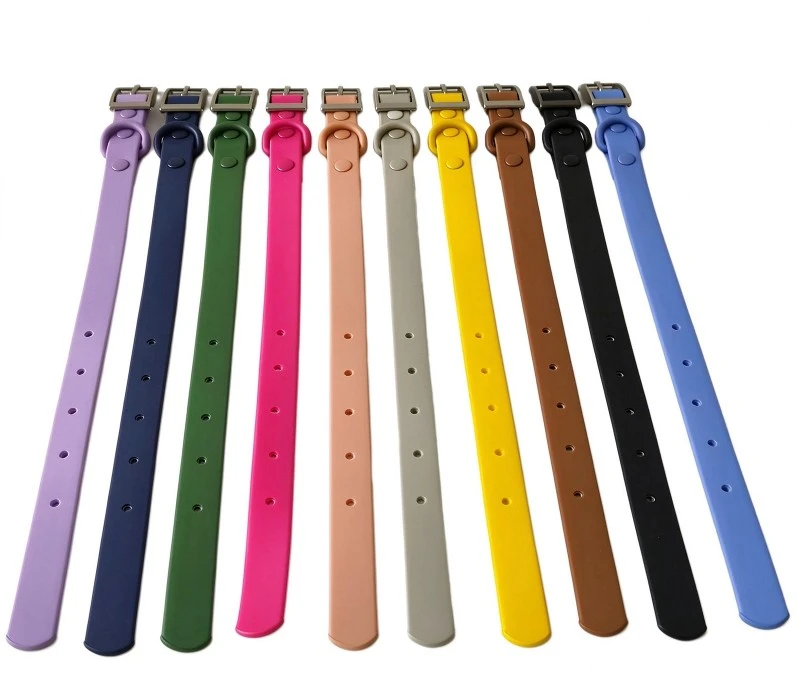
Consider Flexibility and Product Handling
Thickness can affect how the finished webbing feels and behaves.
A thinner construction may provide greater flexibility, while a thicker construction can provide more structure.
However, thickness is only one factor.
Flexibility can also be affected by:
Material
Coating material
Coating hardness
Webbing construction
Width
Finished product structure
Therefore, buyers should evaluate the actual sample rather than assuming that a specific thickness will automatically produce a particular feel.
For products that need to bend, fold or move frequently, the finished construction should be tested before approval.
Check How the Webbing Will Be Folded and Stitched
Custom pet products often require webbing to be folded, overlapped and stitched.
When several layers are combined, the total thickness at the connection point increases.
This can affect:
Sewing
Folding
Stitching position
Hardware assembly
Reinforcement
Finished appearance
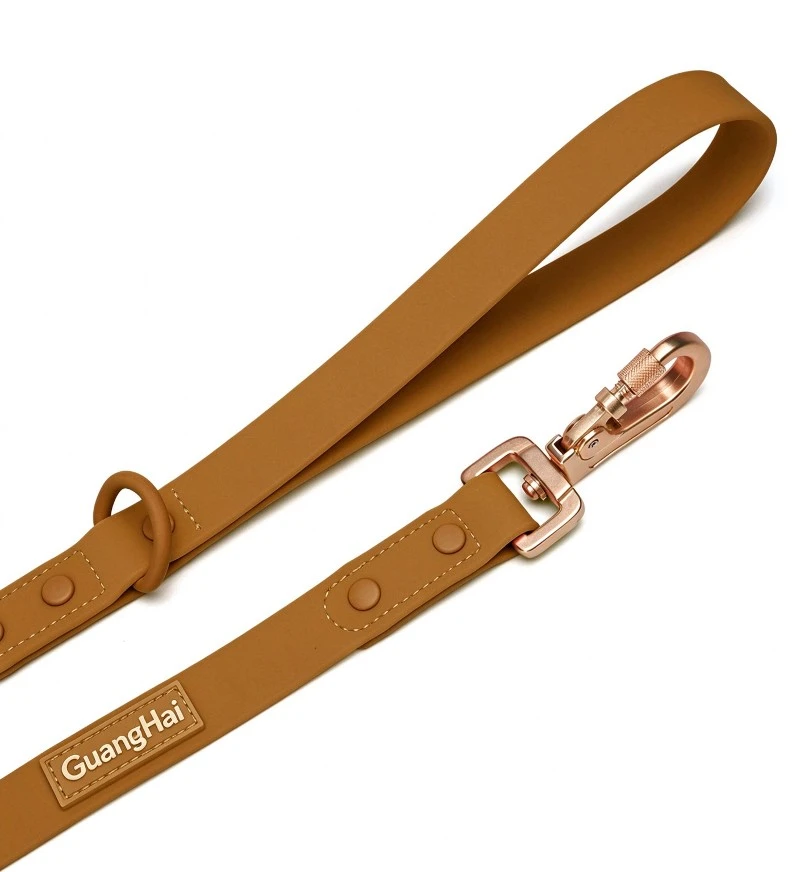
For custom dog leashes, a handle or hardware connection may contain several layers of webbing.The thickness specification should therefore be evaluated together with the complete construction.
A sample can help buyers confirm whether the selected webbing thickness works correctly with the intended stitching method.
Consider the Coating Structure
For PVC or TPU coated webbing, the finished thickness is not determined only by the base webbing.
It can be affected by:
Base webbing construction + coating structure + finished coating thickness
Two webbing products with the same width may therefore have different finished dimensions and handling characteristics.
Coated webbing can be useful for pet products that are exposed to moisture, dirt or frequent handling because the outer surface can provide additional protection and easier cleaning.
GH Material produces PVC and TPU coated webbing for applications including dog collars, dog leashes and harnesses.
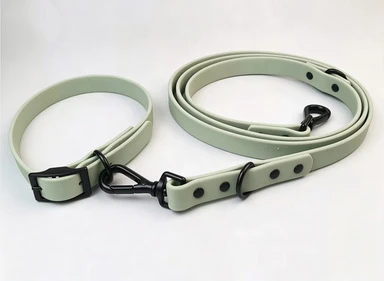
For a custom project, buyers should confirm the coating material, finished thickness, width, surface finish and intended application together.
Different Pet Products May Need Different Specifications
Custom Dog Collars
A dog collar usually needs a suitable balance between structure, flexibility and hardware compatibility.
The thickness should be considered together with:
Collar width
Buckle size
D-ring dimensions
Stitching structure
Required flexibility
Custom Dog Leashes
A leash normally includes a handle, hardware connection and reinforced stitching.
The selected webbing thickness should work with these construction points and provide the intended handling characteristics.
Custom Dog Harnesses
Harnesses contain multiple webbing sections and connection points.
Consistency in thickness can be important when different sections need to pass through hardware or overlap during assembly.
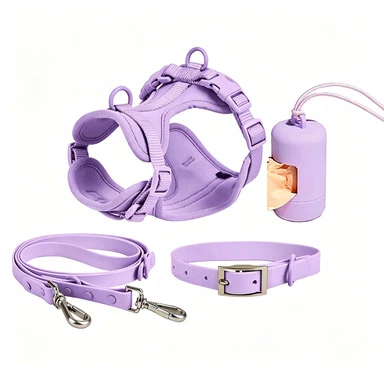
For all three products, the final decision should be based on the assembled sample, not only a material specification sheet.
What Should Buyers Confirm Before Approving a Sample?
Before approving a custom pet product sample, buyers should record the complete webbing specification.
A useful specification sheet can include:
Material
Webbing width
Finished thickness
Coating material
Color
Surface finish
Hardware dimensions
Product length
Stitching method
Reinforcement
Logo or printing
Packaging requirements
If a specific thickness tolerance is required, this should also be discussed with the manufacturer before production.
Keeping these specifications consistent between the approved sample and production order can help reduce unnecessary revisions.
Don't Choose Thickness Separately From the Finished Product
The key point for buyers is that webbing thickness should not be evaluated by itself.
The complete relationship is:
Material → Width → Thickness → Coating → Hardware → Stitching → Finished Product
A specification that works well for one product may not be suitable for another.
Instead of simply asking:
"What is your thickest webbing?"
buyers should provide information about the finished product and its intended construction.
The manufacturer can then evaluate the material specification against the actual product requirements.
Custom Webbing for Pet Product OEM & ODM
GH Material supports custom pet product development from webbing and material selection to finished product production.
Our capabilities include:
PVC and TPU coated webbing
Custom webbing width and thickness
Custom colors and surface finishes
Hardware assembly
Dog collar production
Dog leash production
Dog harness production
OEM/ODM customization
For custom pet products, buyers can provide their existing sample, drawings or specifications. The requirements can then be reviewed before sample development and bulk production.
Request a Quote
Need help selecting webbing specifications for a custom pet product?
Send us your product requirements, drawing or existing sample. GH Material can review the construction and discuss suitable material, webbing and production options.