

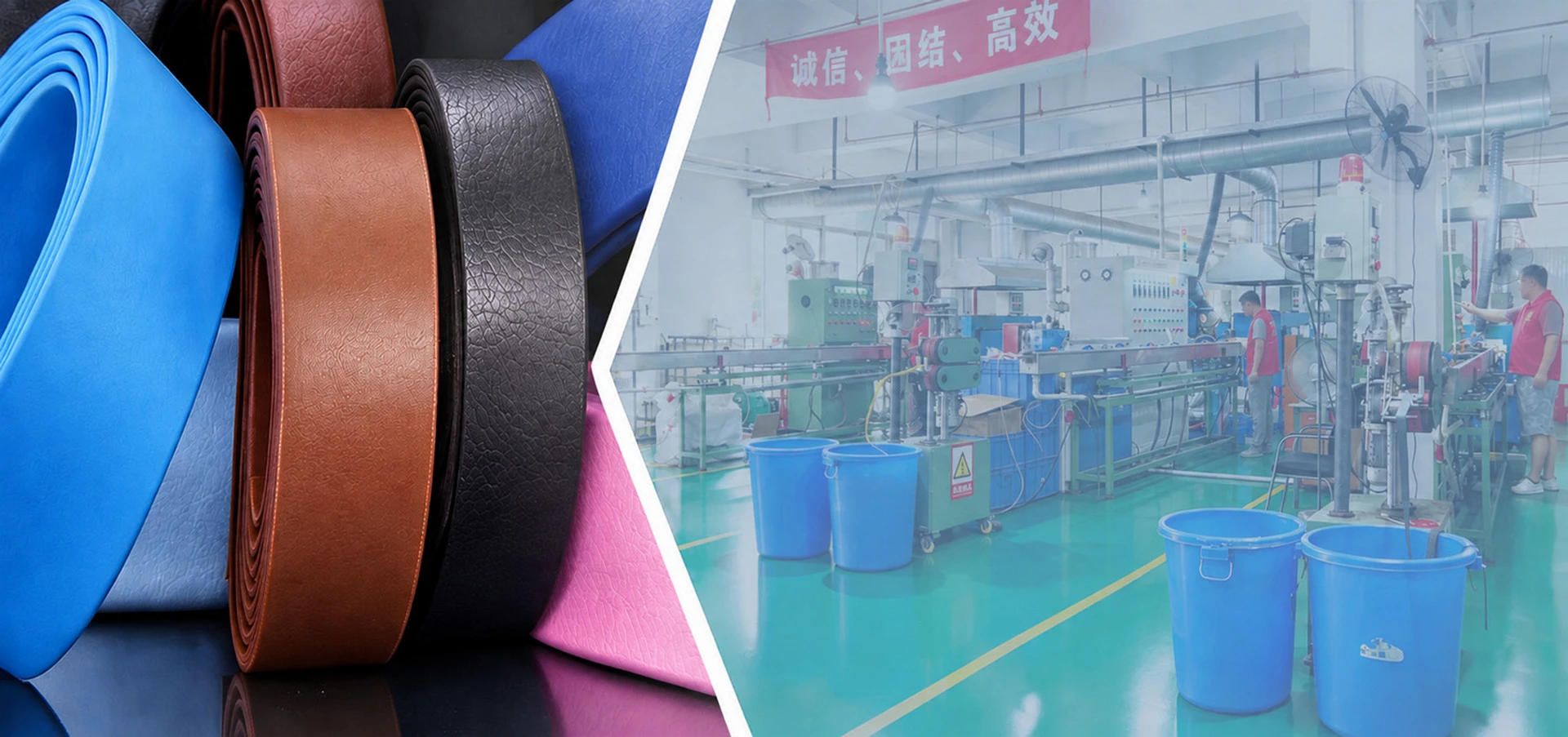
Why the Woven Base Matters in PVC and TPU Coated Webbing
Nov 24, 2026
Leave a message
When sourcing PVC or TPU coated webbing, buyers often focus on the coating material, color, width, thickness, and surface finish. However, another important factor is sometimes overlooked: the woven structure underneath the coating.
The woven base is more than a supporting layer. Its yarn arrangement, density, and construction influence how the coating interacts with the textile, how stable the finished webbing remains, and how reliably the material can be processed into finished products.
For pet accessory manufacturers, these factors can affect the consistency of collars, leashes, and harness components. Understanding the relationship between weaving and coating can therefore help buyers make better decisions during product development.
The Woven Base Determines the Foundation of Coated Webbing
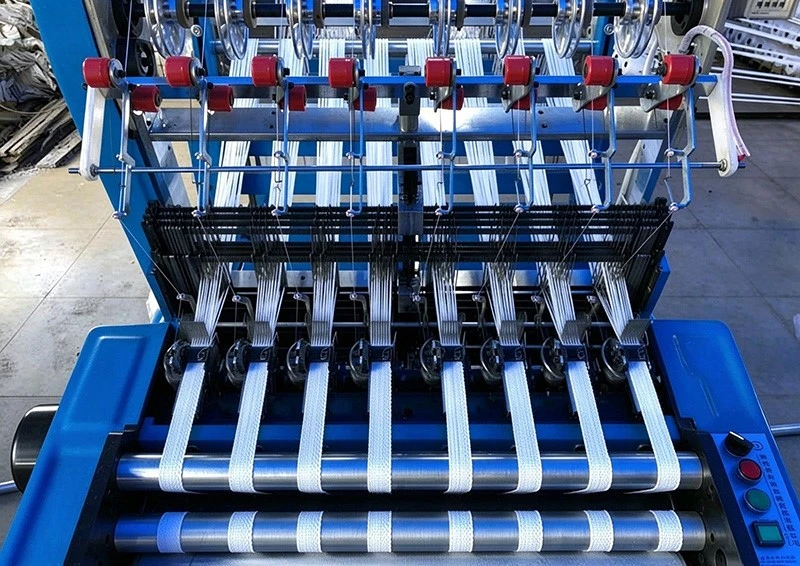
Woven webbing is produced by interlacing two yarn systems: warp yarns running lengthwise and weft yarns running across the width. Their arrangement creates the textile structure before the coating process begins.
Different combinations of yarn type, yarn size, and weaving density produce different substrate characteristics.
For example, a relatively compact construction may provide a firm and stable base, while a more open structure may allow greater flexibility. The appropriate construction depends on the intended application and the requirements of the coating process.
This matters because PVC or TPU coating does not completely replace the mechanical characteristics of the original textile. The substrate continues to contribute to the finished material's tensile behavior, dimensional stability, and flexibility.
For manufacturers, selecting the woven base should therefore be part of product development rather than a decision made independently from the coating specification.
Weaving Density Influences Coating Uniformity
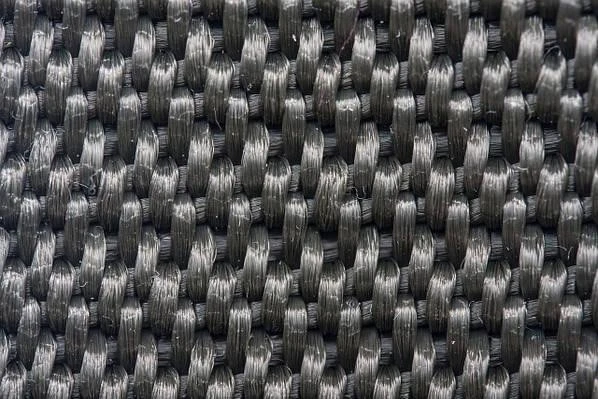
The spacing between warp and weft yarns affects the surface and internal structure of the woven substrate.
If the construction is too open for a particular coating process, the molten polymer may interact with the substrate differently across the webbing. If the structure is excessively compact, polymer penetration and mechanical interaction with the textile may also differ.
Neither a denser nor a looser construction is automatically better. The objective is to achieve a suitable balance between substrate stability, coating coverage, flexibility, and the required finished dimensions.
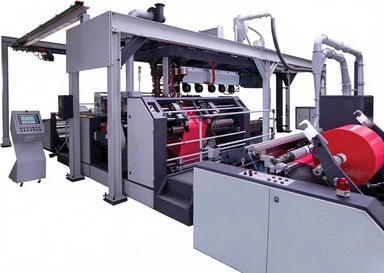
During extrusion coating, molten polymer is applied to the textile substrate and brought into contact with it under controlled processing conditions. The substrate structure, coating temperature, pressure, and production speed all contribute to the resulting composite.
This means that changing the woven base may require adjustments to the coating process. Simply keeping the same extrusion settings when switching to a different substrate can lead to inconsistent results.
Yarn Arrangement Can Affect Coating Adhesion
Coating adhesion is not determined by the polymer alone. The physical structure of the textile substrate also plays a role.
The arrangement of yarns, surface characteristics, and spaces within the weave influence how the polymer contacts and interacts with the base material.
Research on coated textile structures has shown that fabric construction and processing conditions can influence adhesion and mechanical properties. In a study of PVC-coated polyester fabrics, different weave structures produced different mechanical results, demonstrating that the textile base is an important part of the finished composite.
For PVC and TPU coated webbing, this relationship is particularly relevant when manufacturers develop new specifications or change the underlying textile construction.
A coating that performs well on one woven base may not produce identical results on another. Therefore, adhesion and finished-material performance should be evaluated using the actual combination of substrate and coating intended for production.
For buyers, this is an important reason to request samples made with the proposed production materials rather than relying only on appearance samples.
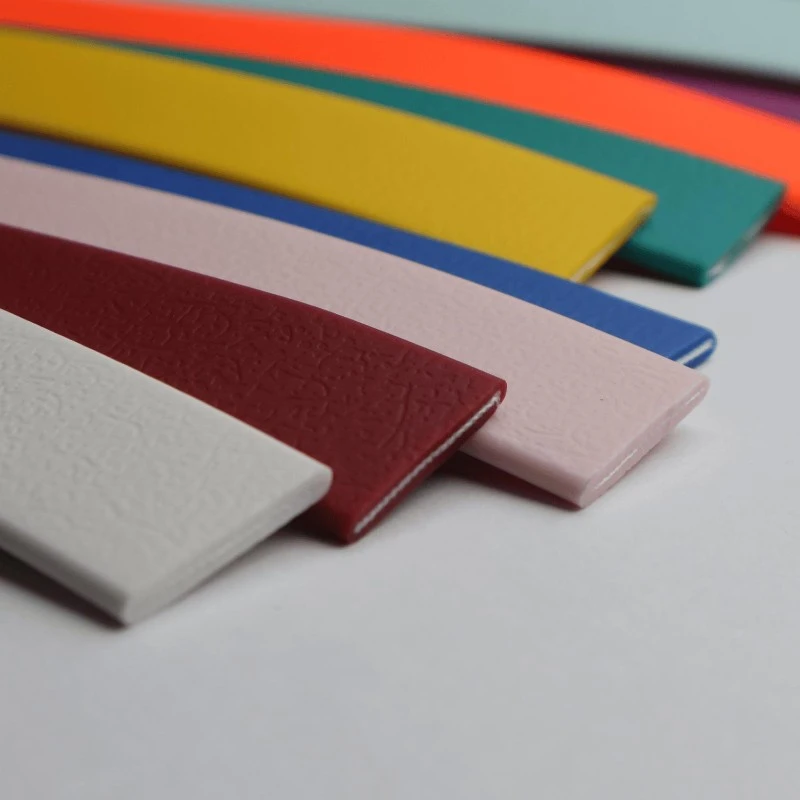
Substrate Stability Matters During Cutting and Product Assembly
The influence of weaving does not end when the coating process is complete.
Coated webbing is often cut into shorter sections and assembled with buckles, rings, hooks, or other components. In pet product manufacturing, it may become part of a collar, leash, or harness.
If the substrate has inconsistent dimensions or insufficient stability, it can create difficulties during downstream processing. Width variation, uneven thickness, or inconsistent flexibility may affect cutting accuracy, component positioning, and the handling of materials during assembly.
A stable woven base helps manufacturers maintain more predictable material dimensions throughout production.
This is especially important for products that require multiple webbing sections or repeated components. Consistent material behavior makes it easier to maintain a uniform appearance and manufacturing process across a production batch.
However, substrate stability alone does not guarantee a consistent finished product. Coating conditions, cutting methods, and assembly requirements must also be controlled.
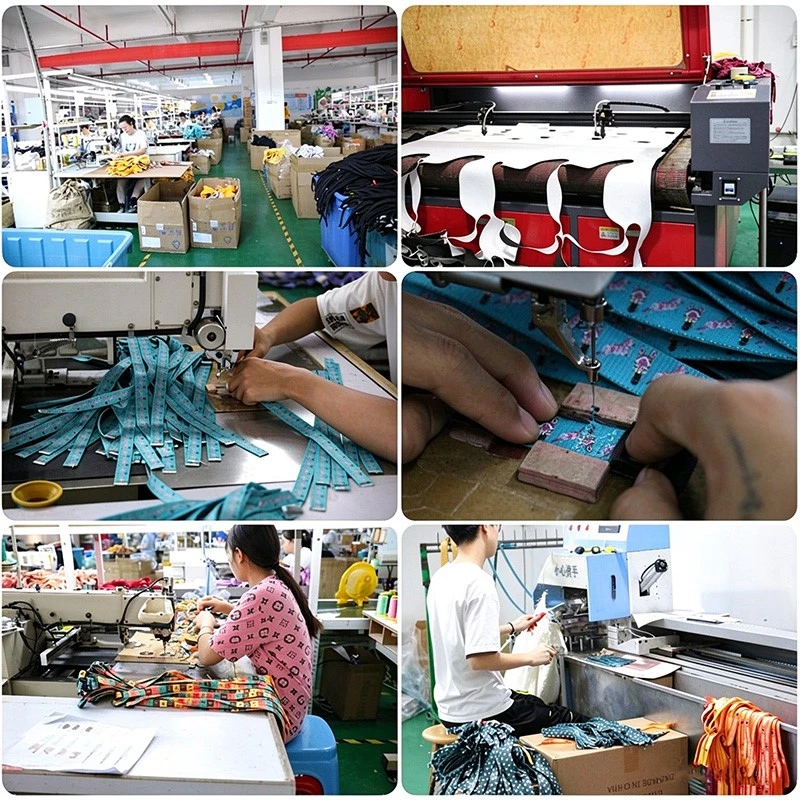
Why Buyers Should Evaluate the Woven Base During Product Development
When developing custom coated webbing, buyers should look beyond the finished surface and consider the construction of the textile underneath.
Several points are worth discussing with a manufacturer:
Yarn construction: What yarn material and yarn specifications are suitable for the intended application?
Weaving density: Does the substrate provide an appropriate balance of firmness and flexibility?
Finished dimensions: Can the woven base and coating combination maintain the required width and thickness?
Coating compatibility: Has the proposed substrate been evaluated with the selected PVC or TPU coating process?
End-product processing: Is the finished webbing suitable for the intended cutting, sewing, or hardware assembly operations?
These questions are particularly useful when developing a new webbing specification, changing an existing product, or moving from sample production to larger orders.
The goal is not to choose the densest or strongest textile structure available. It is to select a substrate that works reliably with the coating process and the requirements of the finished product.
Connecting Weaving and Coating Experience to Better Product Development
PVC and TPU coated webbing is a composite material. Its final characteristics depend on the interaction between the woven textile and the polymer coating, as well as the manufacturing conditions used to combine them.
For manufacturers producing pet accessories, understanding both stages is valuable. A suitable woven base provides the foundation, while controlled coating and subsequent processing help turn that base into a functional material for finished products.
At GH Material, our manufacturing operations include webbing weaving, PVC and TPU extrusion coating, printing, and cutting, supporting the development of coated webbing for pet collars, leashes, and other compatible applications.
When developing custom coated webbing, buyers should communicate not only the required color, width, and thickness, but also the intended application and processing requirements. This gives the manufacturer a clearer basis for evaluating the substrate and coating combination.
Looking for a manufacturer for custom PVC or TPU coated webbing? Contact GH Material to discuss your application, material specifications, and product development requirements.
Frequently Asked Questions
Q: Does The Woven Base Affect The Performance Of PVC Coated Webbing?
A: Yes. The woven substrate contributes to the finished material's tensile behavior, dimensional stability, and flexibility. Its construction also affects how the coating interacts with the textile.
Q: Is A Denser Woven Structure Always Better For Coated Webbing?
A: No. Higher density does not automatically mean better performance. The suitable construction depends on the required flexibility, coating compatibility, finished dimensions, and intended application.
Q: Can The Same Coating Process Be Used For Different Woven Bases?
A: Not necessarily. Changes in substrate construction may affect coating behavior and adhesion. Manufacturers should evaluate the actual substrate and adjust processing conditions when necessary.
Q: What Should Buyers Specify When Ordering Custom Coated Webbing?
A: Buyers should provide the intended application, required width and thickness, coating material, color, flexibility, and any relevant downstream processing requirements. Samples should be evaluated using the proposed production construction before mass production.