

How To Evaluate A Pet Product Manufacturer Before Placing Your First Order
Nov 24, 2026
Leave a message
For importers, wholesalers, and private label brands, choosing a pet product manufacturer is one of the most consequential decisions in the sourcing process. The factory you select determines not only the product quality and price, but also how smoothly the development process runs, how reliably delivery schedules are met, and how easily future orders can be scaled.
Many buyers evaluate suppliers mainly by price and product photos. In practice, a more structured evaluation saves time and reduces risk - especially for custom OEM/ODM projects involving dog collars, leashes, and harnesses.
This article outlines a practical evaluation framework that B2B buyers can apply before placing a first order with a pet product manufacturer.
Is the Supplier a Manufacturer or a Trading Company?
The first question worth clarifying is whether the supplier actually manufactures the products or trades them on behalf of factories.
Neither model is automatically wrong, but the differences matter for custom projects:
Manufacturers control the production process directly. Communication about materials, specifications, and production changes goes directly to the people making the product. Customization is usually more flexible, and pricing tends to be more transparent.
Trading companies can aggregate products from multiple factories, which is convenient for buyers sourcing many categories at once. However, for custom development, information may pass through additional layers, which can slow down sampling and problem-solving.
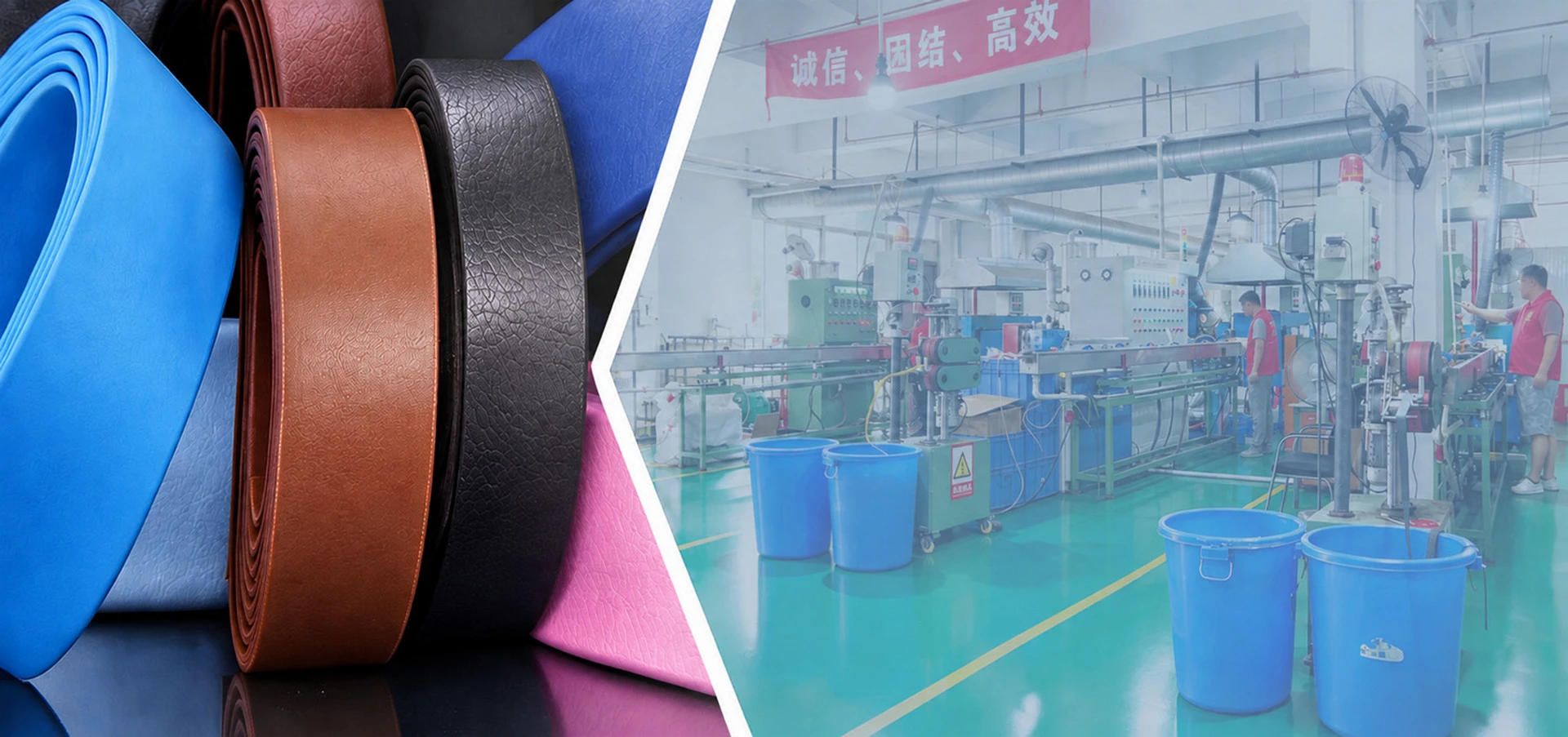
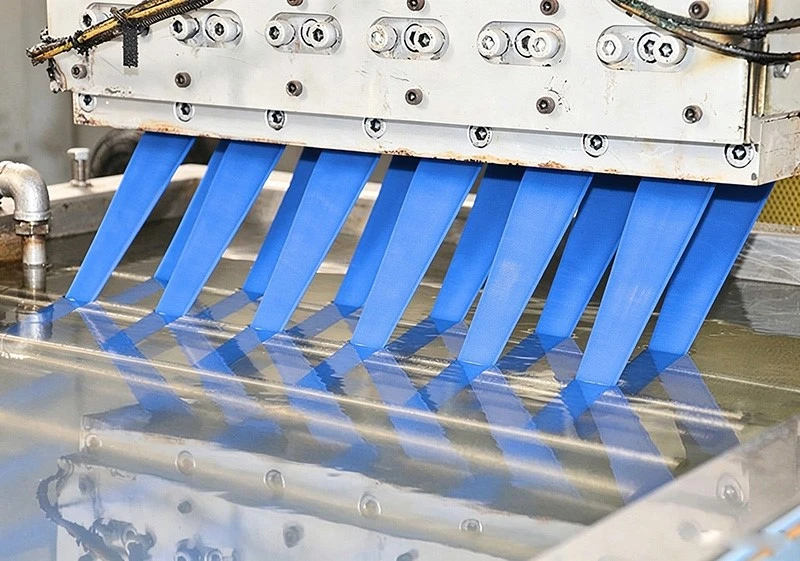
Buyers can verify manufacturing capability by asking about production equipment, in-house processes, and by requesting a factory visit - on-site or by video call. You can also learn more about our manufacturing facility and company background. For example, a factory that produces PVC/TPU coated webbing in-house will be able to describe its extrusion lines, webbing widths, and coating options in concrete detail.
Does the Factory Have Relevant In-House Capabilities?
For pet accessories, the most important production capability is coated webbing production, because the webbing is the core material in collars, leashes, and harnesses.
A manufacturer with in-house webbing and coating production can:
Coordinate material specifications with finished-product requirements, rather than depending on external webbing suppliers.
Offer more flexible customization of width, thickness, color, and surface texture.
Respond faster when buyers adjust specifications between orders.
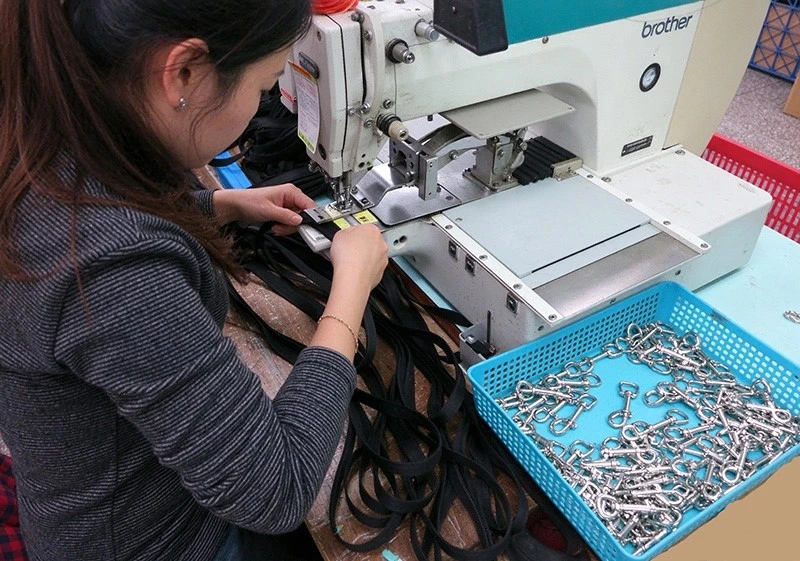
Buyers should also ask about the downstream assembly capabilities: sewing, hardware installation, printing, and packaging. A factory that manages these processes internally has better control over quality and delivery time than one that outsources key steps.
What Is the Minimum Order Quantity - and Is It Realistic for Your Business?
MOQ (minimum order quantity) is a common pain point, especially for growing brands and regional distributors.
When comparing suppliers, buyers should look beyond the headline MOQ number:
MOQ per SKU vs. per order. A supplier may require a low total MOQ but a high MOQ per color or per style. For a collection with many SKUs, the per-SKU MOQ matters more.
MOQ for custom work vs. stock items. Custom colors and custom hardware usually carry higher MOQs than standard configurations. Ask for both figures.
The relationship between MOQ and unit price. Smaller MOQs sometimes come with higher unit prices, which can be a reasonable trade-off for testing a new market.
A manufacturer that offers a low entry MOQ - for example, production starting from 100 pieces - gives new brands and distributors a practical way to test products before committing to large volumes.
How Does the Supplier Handle Sampling and Development?
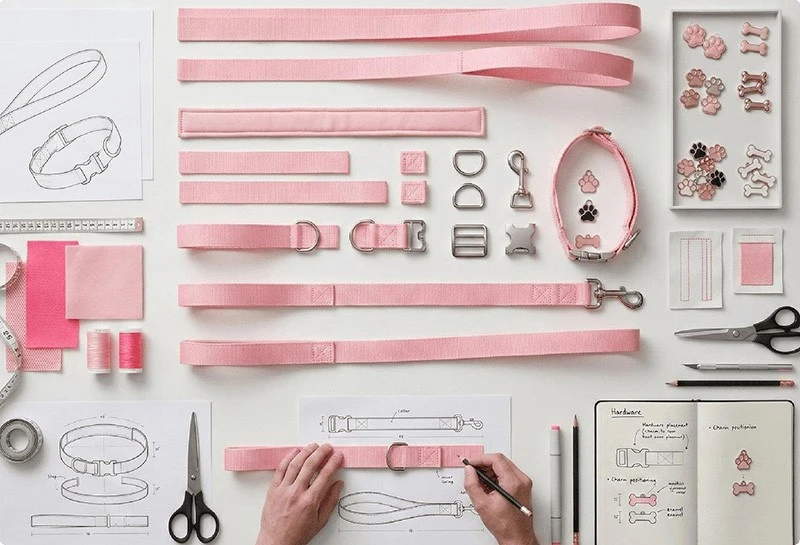
The sampling stage reveals a great deal about how the supplier will behave in bulk production. Buyers should clarify:
Sample lead time. How long does the first sample take after specifications are confirmed?
Sample policy. Is the sample free or charged? Is the fee refundable against the bulk order?
Specification confirmation. Does the factory document material, dimensions, color references, hardware, and logo artwork before sampling, or does development proceed informally?
A structured sampling process - written specifications, an approved golden sample, and clear revision rounds - is one of the strongest indicators of a professional manufacturer. It protects both parties and becomes the reference standard for bulk production and inspection.
What Quality Control Measures Are in Place?
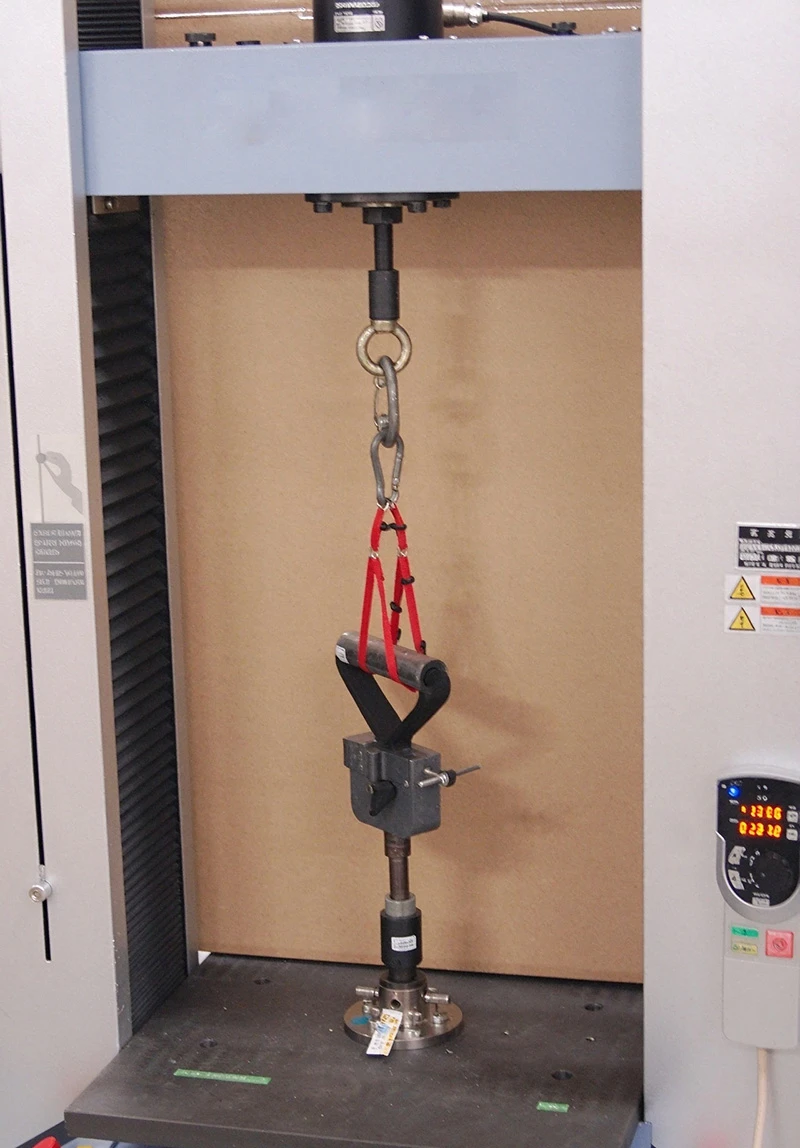
Buyers should ask how quality is checked during production, not just whether "QC" exists.
Useful questions include:
Which inspection points are used: incoming materials, during production, and pre-shipment?
What is checked at each point - dimensions, color consistency, coating appearance, hardware installation, stitching, and packing?
Can the factory follow the buyer's own inspection requirements or a third-party inspection (such as a buyer-appointed QC company)?
Buyers with specific market requirements - for example, tensile strength expectations for large-dog leashes or specific hardware pull tests - should communicate these before production so they can be built into the inspection plan.
How Transparent Is Communication?
Communication quality is easy to underestimate and expensive to discover later. Warning signs include vague answers to specification questions, unwillingness to share production information, and quotations that change without explanation.
Positive indicators include:
Direct access to a salesperson who understands production, not just pricing.
Clear written confirmation of specifications after each discussion.
Realistic lead time estimates with honest discussion of potential delays.
Willingness to discuss problems openly when they occur.
For custom pet products, most quality issues trace back to unclear communication at the specification stage. A supplier that documents everything reduces this risk substantially.
Can the Supplier Support Your Future Growth?
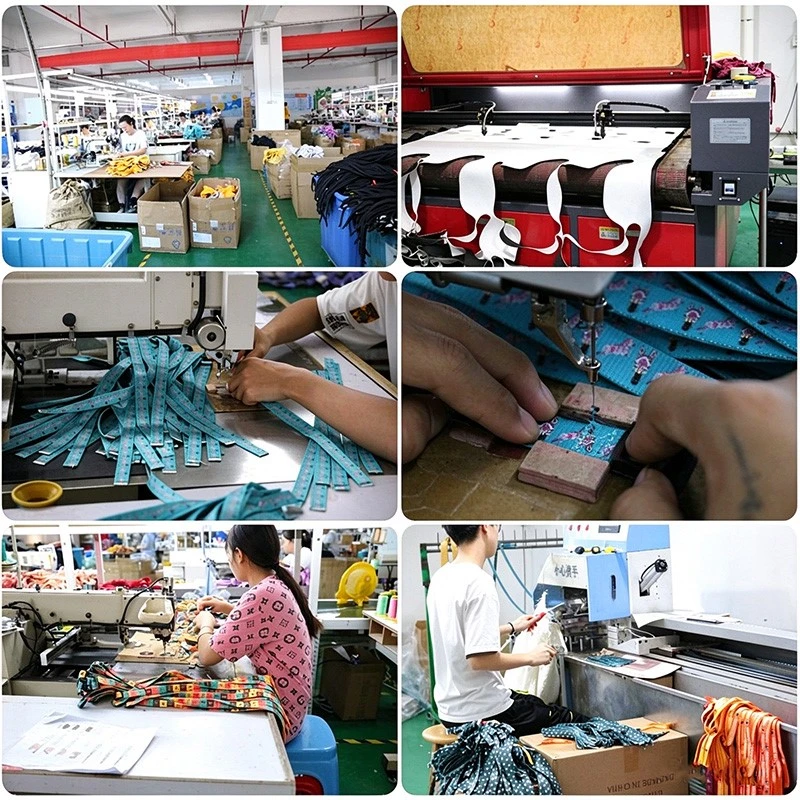
The first order is rarely the last. Buyers should consider whether the manufacturer can grow with them:
Product range. Can the factory produce collars, leashes, harnesses, and accessories, so the collection can expand within one supply chain?
Branding support. Printed logos, woven labels, custom packaging, and retail-ready presentation.
Repeat order consistency. Can the factory reproduce the same material colors and specifications across production runs?
Market experience. Familiarity with the requirements of your destination market speeds up development and reduces compliance surprises.
A manufacturer that already produces coated webbing and finished pet products in one system is well positioned to support coordinated collections as the brand expands.
Conclusion
Evaluating a pet product manufacturer is about more than comparing prices. Buyers should assess manufacturing capability, in-house webbing production, realistic MOQs, a structured sampling process, documented quality control, and clear communication - because these factors determine how smoothly custom projects run from development to repeat orders.
GH Material is a manufacturer based in Huizhou, Guangdong, China, specializing in PVC/TPU coated webbing and custom pet products since 2009. With an 8,000 m² factory, 10 automatic extrusion lines, and MOQs starting from 100 pieces, we support brands, wholesalers, distributors, and importers with custom dog collars, leashes, and harnesses.
If you are evaluating manufacturers for your next pet product project, contact GH Material to discuss your requirements - or arrange a factory visit to see our production process directly.