

PVC vs. TPU Coated Webbing: How Should Buyers Choose the Right Material for Custom Pet Products?
Nov 24, 2026
Leave a message
PVC vs. TPU Coated Webbing: How Should Buyers Choose the Right Material for Custom Pet Products?
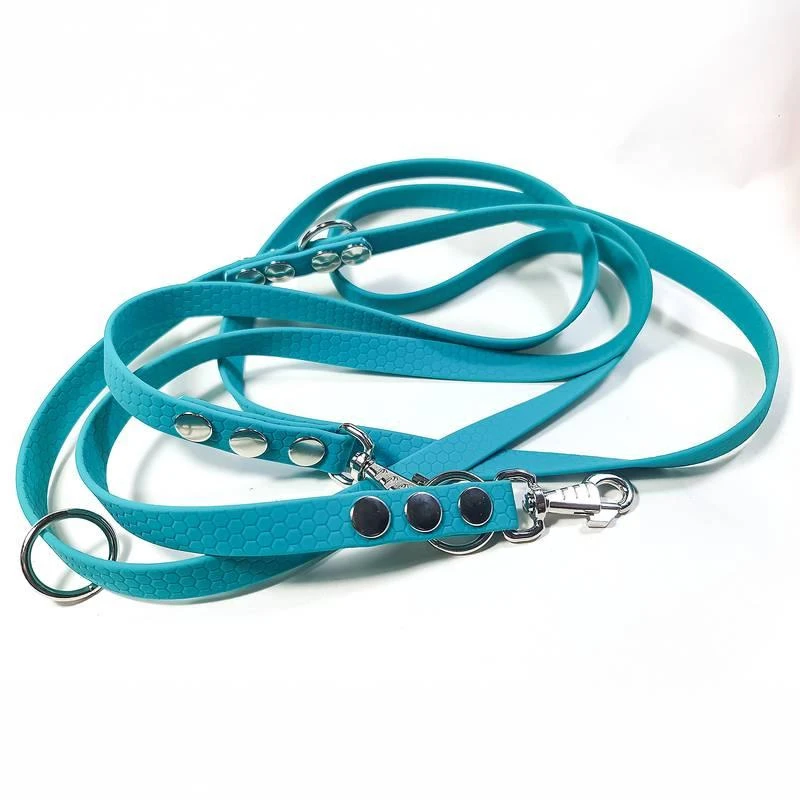
When planning a custom line of dog collars, leashes, or harnesses, one of the first decisions buyers face is the choice of webbing material. PVC coated webbing and TPU coated webbing are the two most common options for waterproof, easy-to-clean pet products, and both are widely used by pet brands around the world.
Although the two materials may look similar at first glance, they behave differently in terms of flexibility, surface feel, low-temperature performance, and cost. For importers, wholesalers, and private label buyers, understanding these differences helps when discussing specifications with manufacturers and when setting realistic expectations for the final product.
This article compares PVC and TPU coated webbing from a buyer's perspective and outlines the practical factors to consider before confirming material specifications.
1. What Are PVC and TPU Coated Webbing?
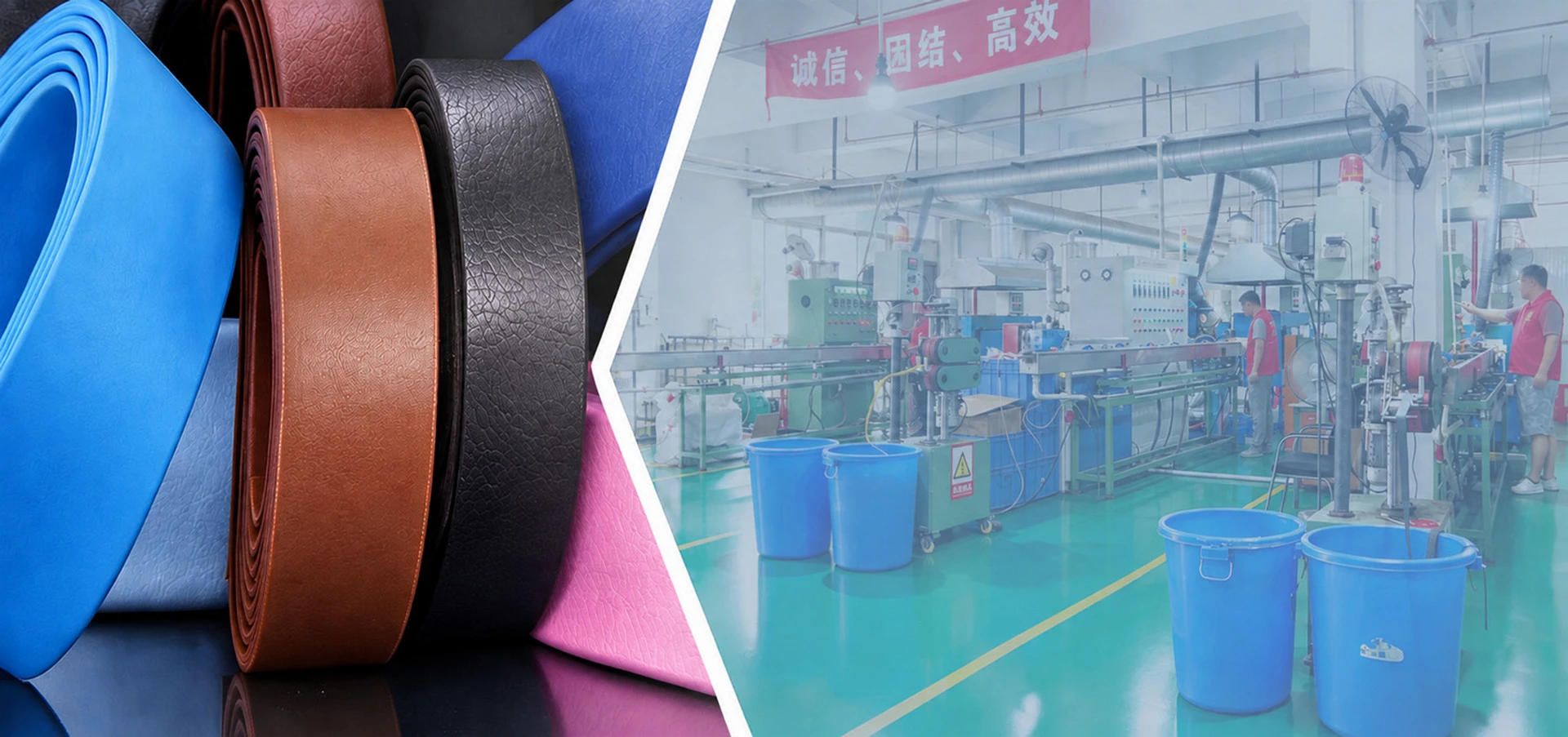
Both PVC coated webbing and TPU coated webbing consist of an inner webbing core - usually polyester - covered with an outer layer of plastic material. The coating gives the webbing a smooth surface that is waterproof, wipe-clean, and resistant to dirt and hair.
PVC (polyvinyl chloride) coated webbing is produced by extruding a PVC layer over the webbing core. PVC is a mature, widely available material with a long history of use in pet products, bags, and outdoor gear.
TPU (thermoplastic polyurethane) coated webbing uses a TPU coating instead. TPU is generally softer and more elastic than PVC, and it is often associated with a premium feel in finished products.
For B2B buyers, the key point is this: the choice is not about which material is "better" in absolute terms, but about which material fits the product design, target market, and price position of the collection.
Explore our coated webbing solutions for different industrial and pet product applications.
2. How Do the Two Materials Differ in Practical Use?
Flexibility and Hand Feel
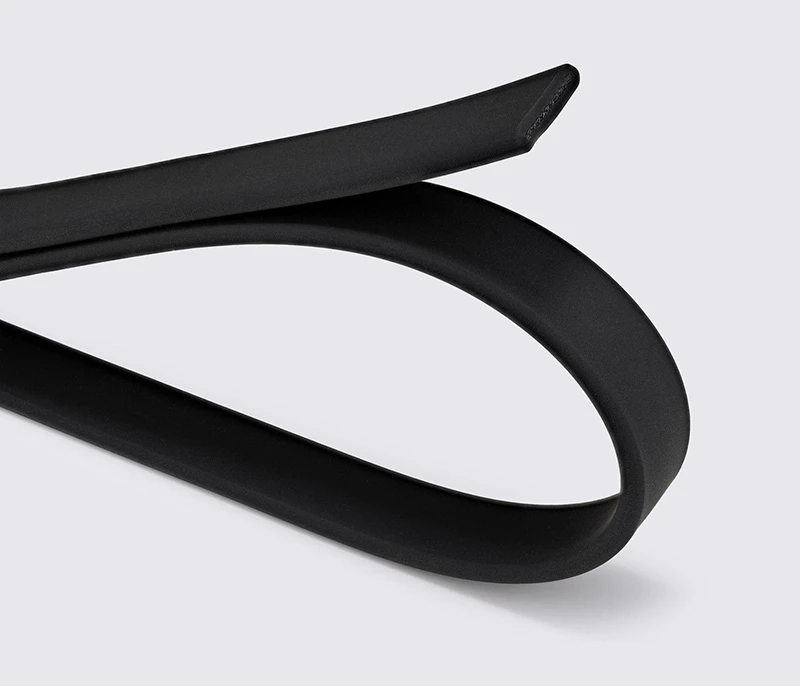
TPU coated webbing is typically more flexible and has a softer, rubber-like touch. This makes it popular for premium collars and leashes where comfort and hand feel are selling points.
PVC coated webbing is slightly firmer. It holds its shape well, which many buyers actually prefer for leashes, because the strap stays flat and does not curl during handling.
For products aimed at colder climates, buyers should also note that PVC can become stiffer at low temperatures, while TPU generally remains more flexible. If the target market includes regions with cold winters, this difference may be worth discussing with the manufacturer before production.
Surface Appearance and Finishes
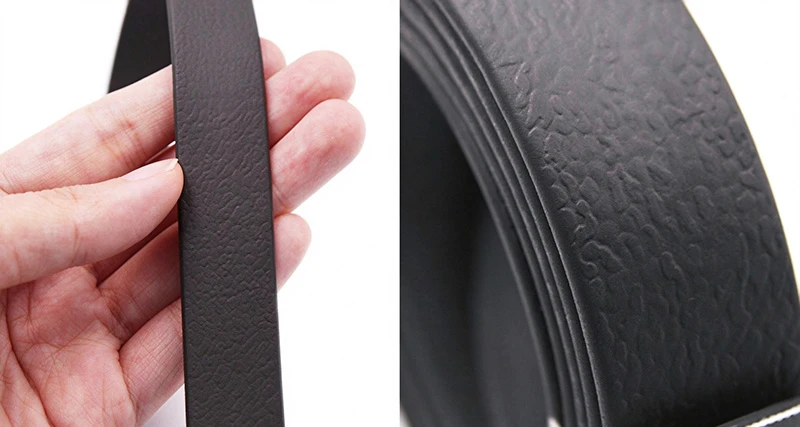
Both materials support smooth, matte, and textured surface finishes. PVC offers a wide range of established surface treatments, including glossy and embossed options. TPU surfaces tend to have a naturally softer sheen.
Because surface finish affects both appearance and color perception, buyers should always evaluate actual material samples rather than relying on digital images or printed references.
Durability and Aging
TPU generally offers better abrasion resistance and aging performance, and it is free of chlorine and plasticizers, which is relevant for buyers targeting markets with strict environmental requirements - for example, EU customers who ask about REACH-related material questions.
PVC remains a reliable and proven choice for everyday pet products. With proper formulation, PVC coated webbing delivers many years of service in normal use conditions.
Cost Structure
PVC coated webbing is usually more cost-effective, which matters for high-volume orders and promotional collections. TPU coated webbing typically carries a higher material cost, which buyers often accept for premium product lines.
For private label brands building a tiered collection, a common approach is to use PVC coated webbing for standard price points and TPU coated webbing for the premium range.
3. Which Material Suits Different Product Types?
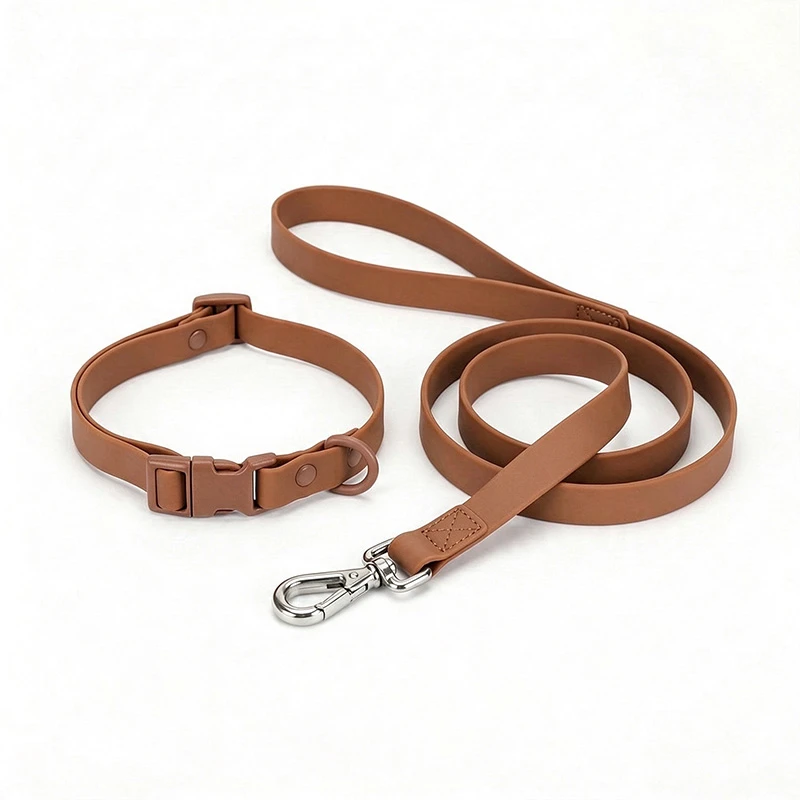
The right material often depends on the product category and the market position of the collection.
Dog leashes. PVC coated webbing works well for everyday and waterproof leashes, especially in the popular "wipe clean, hair-resistant" segment. Its firmness helps the strap stay flat in the hand.
Dog collars. TPU coated webbing is frequently chosen for premium collars because of its soft touch against the dog's neck. PVC remains a strong option for value-oriented collections.
Dog harnesses. Both materials are used, depending on the harness construction. Buyers should confirm that the chosen webbing width and thickness are compatible with the harness design and hardware.
Coated webbing as a standalone product. Brands that manufacture finished products in-house, or that source webbing for other applications (bag straps, medical straps, outdoor gear), can order PVC or TPU coated webbing separately with custom width, thickness, color, and surface texture.
4. What Should Buyers Confirm Before Production?
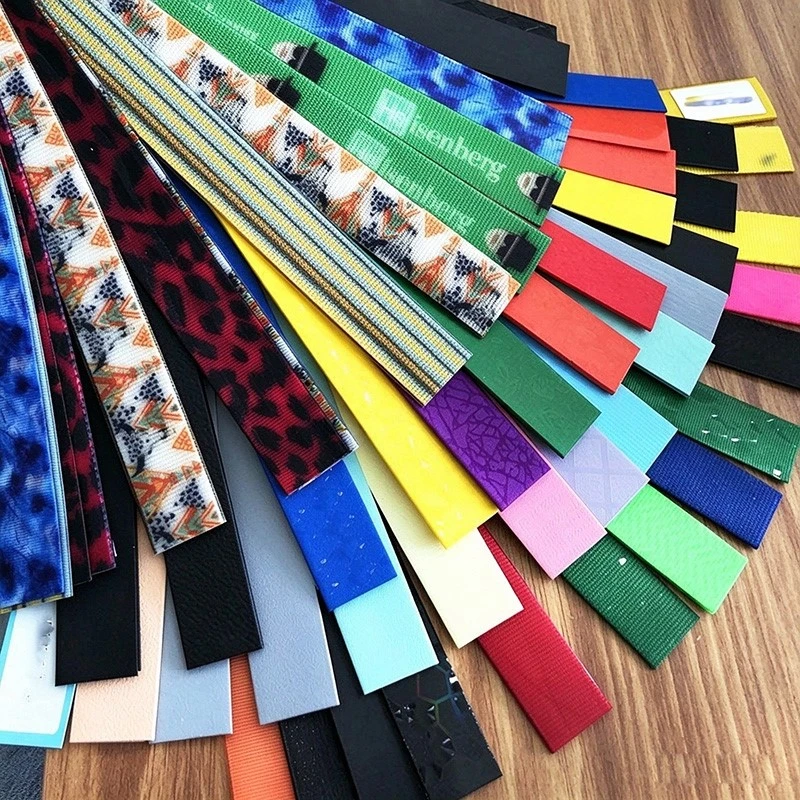
Whichever material is selected, buyers benefit from confirming the following points with the manufacturer at the quotation stage:
Width and thickness. Common widths range from narrow options for cat collars to wider straps for large-dog harnesses. Thickness affects stiffness and hand feel.
Color reference. Provide a Pantone reference or a physical sample, and request a material sample for approval before bulk production.
Surface finish. Smooth, matte, or textured - the finish changes both appearance and cleaning performance.
Hardware compatibility. Confirm that buckles, D-rings, and adjusters fit the chosen webbing thickness.
Target market requirements. If the destination market has specific material or environmental expectations, raise them early so the material selection can be adjusted accordingly.
Clear specifications at this stage reduce the risk of misunderstandings and rework later in the development process.
5. How Can Buyers Test Which Material Fits Their Brand?
For buyers who are unsure between PVC and TPU, a practical approach is to request samples of both materials in the target width and color, and evaluate them against real product scenarios:
Bend the strap repeatedly to compare flexibility and recovery.
Wipe the surface with a damp cloth to compare cleaning performance.
Check how the coating looks under different lighting conditions.
Consider how the material feel matches the brand's price position.
Many importers also run a small first order in one material before extending the material choice across the full collection.
Conclusion
PVC and TPU coated webbing serve different positions in a pet product collection. PVC offers proven performance and cost efficiency for everyday waterproof products, while TPU delivers a softer, more premium feel for higher price points. For importers, wholesalers, and private label buyers, the decision should be based on product type, target market, and brand positioning - confirmed through physical samples before bulk production.
At GH Material, we produce both PVC and TPU coated webbing in-house and manufacture custom dog collars, leashes, and harnesses for B2B buyers. Our team can review your product requirements, recommend suitable material options, and provide samples for evaluation.
If you are deciding between PVC and TPU coated webbing for your next collection, contact GH Material to discuss your project and request material samples.