

Print Registration in Custom PVC Coated Webbing Production
Nov 24, 2026
Leave a message
How Does Print Registration Affect Custom PVC Coated Webbing Production?
Custom printing gives PVC coated webbing more possibilities for branding and product development. Logos, repeating patterns, symbols, and decorative graphics can help manufacturers create distinctive materials for dog collars, leashes, harnesses, and other pet accessories.
However, achieving the desired artwork is only one part of the production process. The position of the printed design also matters.
In continuous webbing production, even a small positioning deviation can become noticeable when a pattern repeats along the material or when printed webbing is cut into individual product components. For OEM buyers, understanding print registration helps prevent artwork problems from carrying over into finished products.
1. What Does Print Registration Mean in Custom Webbing Production?
Print registration refers to the accurate positioning of printed elements in relation to their intended locations.
For custom PVC coated webbing, this can involve several different requirements:
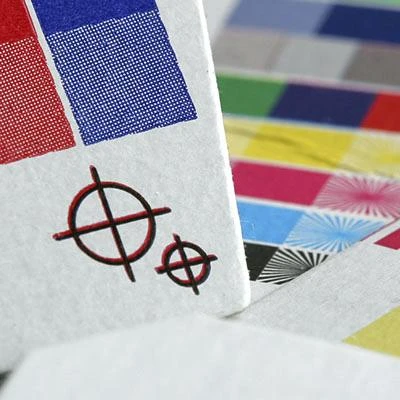
Print-to-print registration: Aligning separate colors or printing layers so that the complete graphic appears correctly.
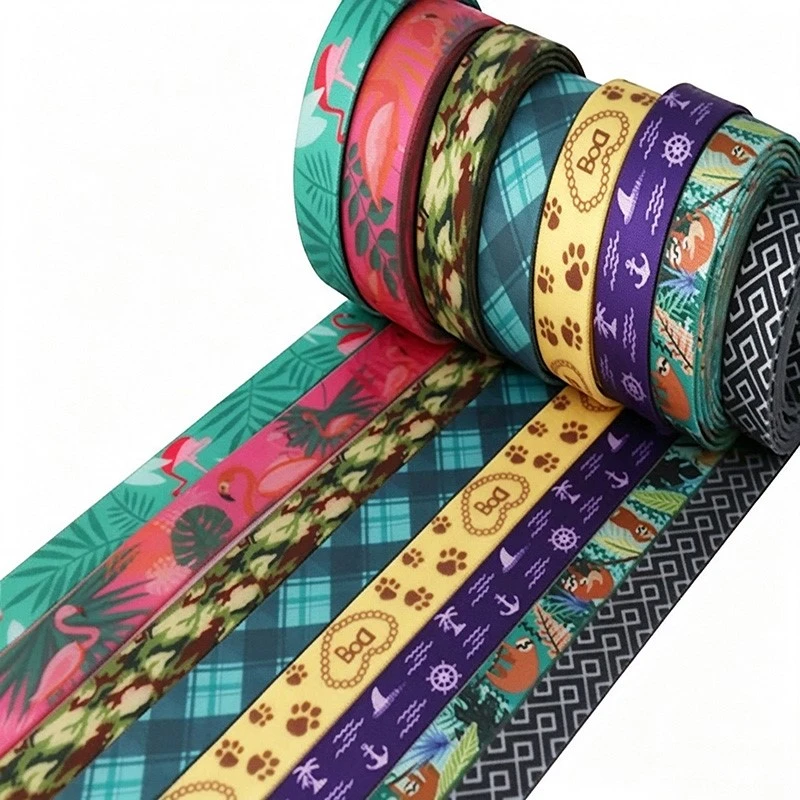
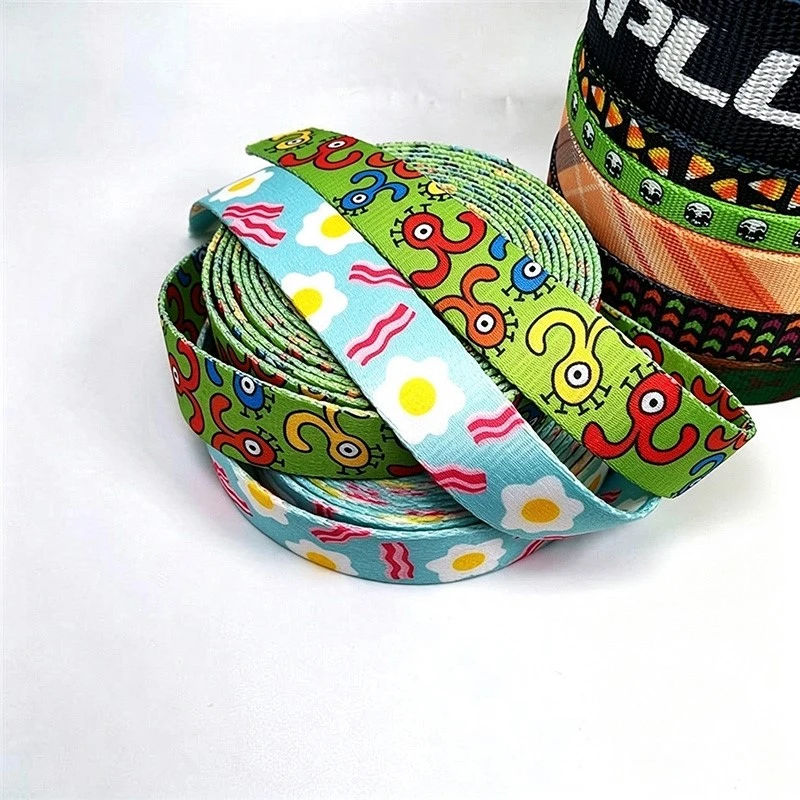
Pattern repeat registration: Maintaining the intended distance between repeating logos, symbols, or decorative elements along the webbing.
Print-to-cut alignment: Positioning the printed artwork so that it appears in the intended location after the webbing is cut into shorter sections.
These requirements are related, but they are not identical.
For example, a simple single-color logo may not require alignment between multiple printing colors. However, its position and spacing along the webbing still need to follow the approved artwork.
Similarly, a repeating decorative pattern may look consistent on a continuous roll but become uneven when individual sections are cut for collars or leashes.
Therefore, print registration should be considered in relation to both the printing process and the final product layout.
2. Why Can Print Registration Deviate During Production?
Printing on continuous materials involves several variables. The material moves through the production process, and changes in its position, tension, or dimensions can affect where the artwork appears.
Several factors deserve attention.
Material Movement and Tension
If the webbing moves unevenly during printing, the position of the printed design may shift. Changes in material tension can also affect the distance between repeated graphics.
This is particularly relevant when the material has different flexibility or dimensional behavior under production conditions.
Printing Equipment and Setup
The printing method, equipment configuration, printing tools, and setup conditions influence the final position of the artwork.
For multicolor printing, differences between printing units can cause separate colors to become misaligned. In other processes, the main concern may be the location of a logo or pattern along the length of the webbing.
Artwork and Repeat Specifications
Artwork that does not match the intended production layout can create positioning problems even when the printing process itself is stable.
For example, an incorrect repeat length or an unclear reference point can make it difficult to reproduce the intended pattern consistently.
This is why the artwork file and production specification should be reviewed together before a custom order begins.
Understanding the relationship between material construction and printing also requires attention to the upstream webbing weaving and coating processes.
3. How Does Misregistration Affect the Appearance of Coated Webbing?
Print registration problems can affect the visual quality of custom PVC coated webbing in different ways.
Misaligned colors
When a design uses multiple colors, incorrect registration can create visible outlines, blurred edges, or gaps between color areas. Small text and detailed logos are especially sensitive to positioning errors.
Uneven pattern spacing
If repeating graphics do not maintain their intended spacing, the webbing may look inconsistent along its length. This can be particularly noticeable with regularly spaced logos, stripes, or geometric designs.
Incorrect graphic positioning
A logo that should appear near the center of the webbing may move toward one edge. This can reduce the visual balance of the material and make the finished product look less consistent.
Distorted design proportions
Changes in material dimensions or printing conditions may affect the appearance of some graphics. Designs containing straight lines, repeated geometric shapes, or precise alignment requirements can make these deviations easier to notice.
The level of concern depends on the artwork. A freely repeating decorative pattern may tolerate more variation than a design requiring a logo at a specific position.
4. Why Does Print Registration Matter After Webbing Is Cut?
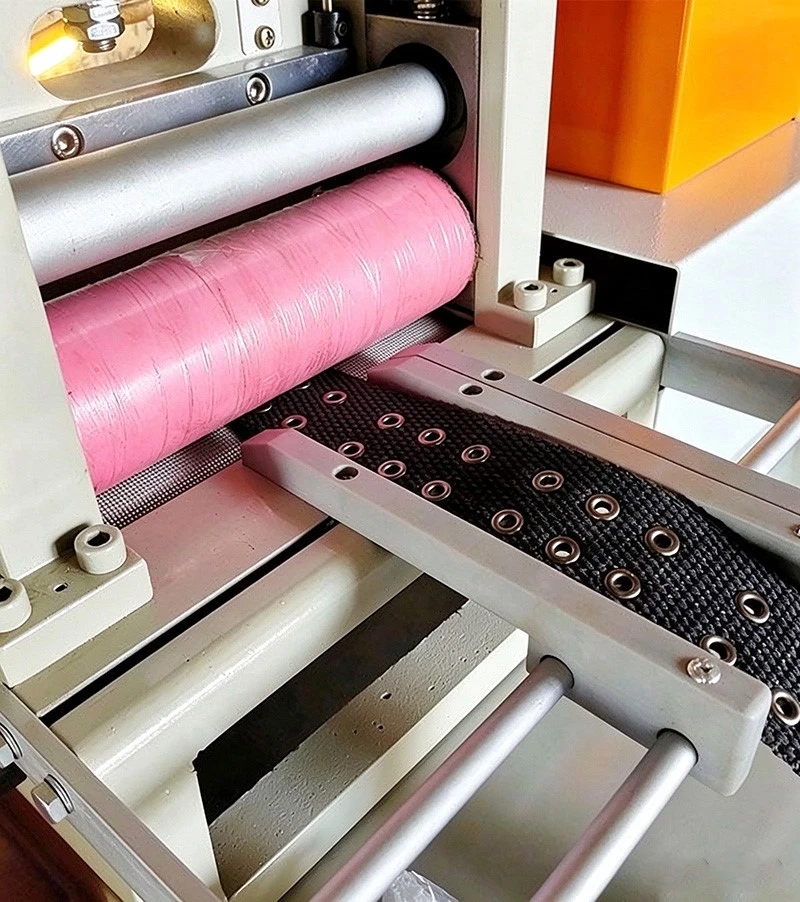
A printed webbing roll is not always the final product. In pet accessory manufacturing, it may need to be cut into individual sections before being assembled into collars, leashes, or harnesses.
This creates another important consideration: the relationship between the printed pattern and the cutting layout.
Consider a dog leash with a centered brand logo. If the printing position changes along the roll, the logo may not appear in the same location on every finished leash.
A repeating pattern creates a different challenge. If the cutting length does not correspond appropriately to the pattern repeat, individual product sections may start or end at different points in the design.
This does not necessarily mean the printed material is unusable. It means the artwork and cutting requirements need to be considered together.
For custom pet accessories, buyers should communicate whether they need:
A continuous decorative pattern that can be cut at different positions.
A repeating logo with consistent spacing.
A graphic positioned near a specific product feature.
A centered design that must remain visually balanced on the finished item.
These requirements can lead to different artwork layouts and production arrangements.
For buyers developing finished pet accessories, our custom dog collars, leashes, and harnesses provide relevant product applications for coated webbing materials.
5. How Can Buyers Reduce Print Registration Problems?
Buyers do not need to control the printing equipment themselves. However, they can provide clearer specifications and approve samples that reflect the intended production conditions.
Define the Artwork Clearly
Provide the original artwork file and specify the actual design dimensions, print direction, repeat length, and intended printing side.
If a logo must appear at a specific location, identify the reference point rather than relying on a general description such as "centered."
Confirm the Material and Printing Method
PVC coated webbing may have different surface characteristics depending on its construction and finish. The selected printing method must be suitable for the actual material.
Buyers should confirm the proposed printing process with the manufacturer rather than assume that every printing method produces the same result.
Review a Physical Production Sample
A digital artwork preview cannot fully demonstrate how the design will appear on the actual coated webbing.
A physical sample helps buyers evaluate graphic positioning, edge definition, repeat spacing, and the overall appearance of the printed surface.
For designs intended for finished pet products, it is also useful to cut and assemble a representative sample.
Agree on Acceptance Requirements
Before bulk production, buyers and manufacturers should agree on the relevant inspection points.
Depending on the design, these may include:
Position of the logo or main graphic.
Distance between repeated patterns.
Alignment between printed colors.
Permitted deviation from the approved sample.
Appearance after cutting and assembly.
Specific tolerances should be agreed upon according to the artwork, product application, and actual manufacturing process rather than applying one universal tolerance to every design.
6. Connecting Printed Webbing Specifications With Finished Pet Products
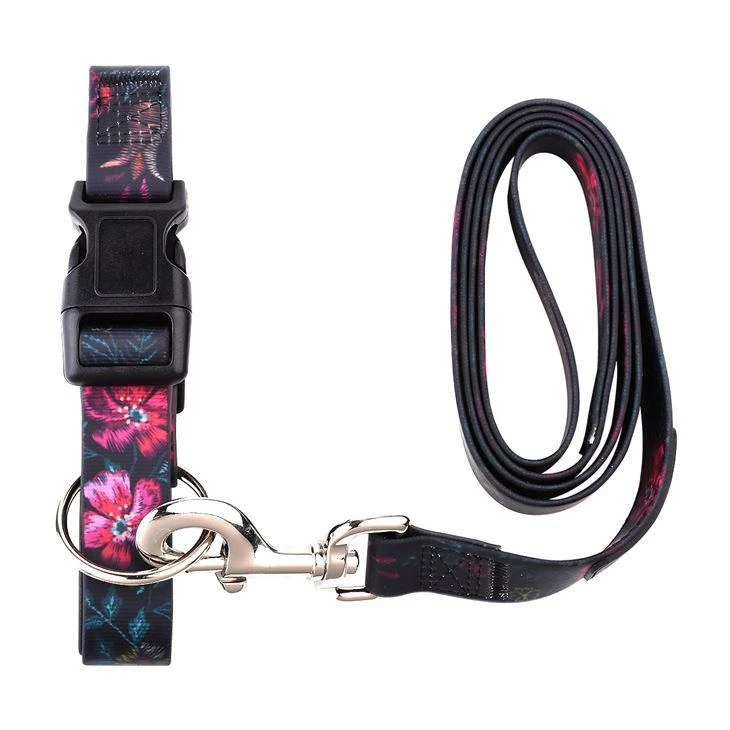
Print registration is not simply a printing detail. It can influence how custom coated webbing looks and how effectively it can be converted into finished products.
For manufacturers, the important task is to consider the artwork, material construction, printing process, and downstream cutting requirements as connected parts of product development.
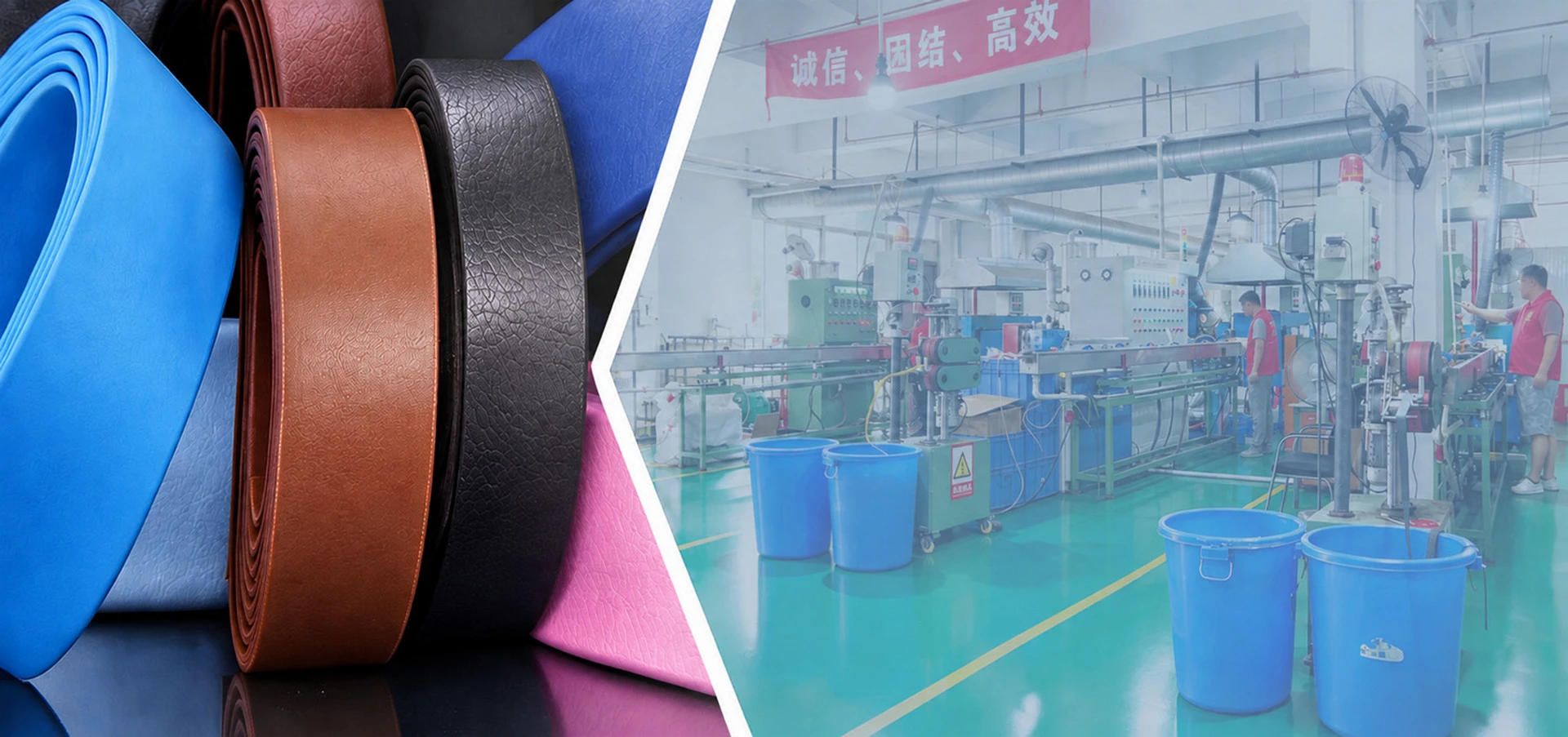
At GH Material, our manufacturing operations include webbing weaving, PVC and TPU coating, logo and pattern printing, and cutting. These processes support the development of custom coated webbing for pet collars, leashes, harnesses, and other suitable applications.
When developing custom printed PVC coated webbing, buyers should provide the intended artwork, material specifications, and finished product requirements together. This allows the manufacturing team to evaluate the printing layout in the context of the actual application.
Learn more about our custom printed coated webbing and discuss your requirements with our team.
Looking for custom PVC coated webbing with printed logos or repeating patterns? Contact GH Material to discuss your artwork, material requirements, and intended pet product application.
Frequently Asked Questions
Q: What Is Print Registration In Webbing Production?
A: Print registration refers to the accurate positioning of printed elements. In webbing production, it may involve aligning multiple printing colors, maintaining pattern repeat spacing, or positioning graphics for subsequent cutting.
Q: Why Do Printed Logos Sometimes Appear In Different Positions On Webbing?
A: Possible reasons include material movement, changes in production tension, printing setup variations, and differences between the approved artwork layout and actual production conditions.
Q: Does Print Registration Affect Repeating Patterns?
A: Yes. Pattern repeat consistency determines whether logos, symbols, or decorative elements maintain their intended spacing along the webbing.
Q: Should Buyers Approve A Printed Sample Before Bulk Production?
A: Yes. A physical sample made with the intended material and printing method allows buyers to evaluate the actual appearance and confirm important positioning requirements before larger production quantities are processed.
Q: Is Print Registration Important For Dog Collars And Leashes?
A: It can be especially important when the product uses centered logos, regularly repeated branding, or graphics that need to align with specific product sections. The cutting layout should be considered together with the printed design.