

Why Verifiable Sustainability Claims Matter in Pet Accessories
Nov 23, 2026
Leave a message
Why Are Verifiable Sustainability Claims Becoming a Competitive Advantage in the Pet Accessories Industry?
Sustainability is becoming an increasingly important consideration in the global pet products industry. For pet accessory brands, importers, and wholesalers, however, choosing materials described as environmentally friendly is only part of the challenge. Businesses also need to verify material claims, maintain product performance, and ensure that manufacturers can deliver consistent quality at commercial scale.
This is changing how companies approach product development and supplier relationships. Recycled materials, responsible sourcing, manufacturing feasibility, and supply chain transparency are becoming important considerations when developing new pet accessory collections.
The real competitive advantage does not come from simply using alternative materials. It comes from turning verifiable environmental attributes into reliable products that meet market expectations and remain commercially viable.

1. Sustainability Is Becoming Part of Pet Product Market Strategy
Sustainability is no longer limited to a small group of specialized pet brands. It is increasingly discussed in product development, sourcing, packaging, and supply chain management.
The Pet Sustainability Coalition's State of Sustainability in the Pet Industry 2025 report provides an industry-wide perspective on sustainability practices. It also highlights the importance of understanding the difference between consumer interest and actual purchasing behavior.
For importers and wholesalers, this distinction matters. A sustainability-focused product may attract attention, but customers still consider price, functionality, durability, and brand credibility when making purchasing decisions.
Therefore, sustainability should be evaluated as part of a broader product strategy rather than treated as an independent selling point.
Businesses need to identify which environmental attributes matter to their target markets and whether those attributes can support a commercially viable product range.
2. Material Innovation Creates Opportunities for Product Differentiation
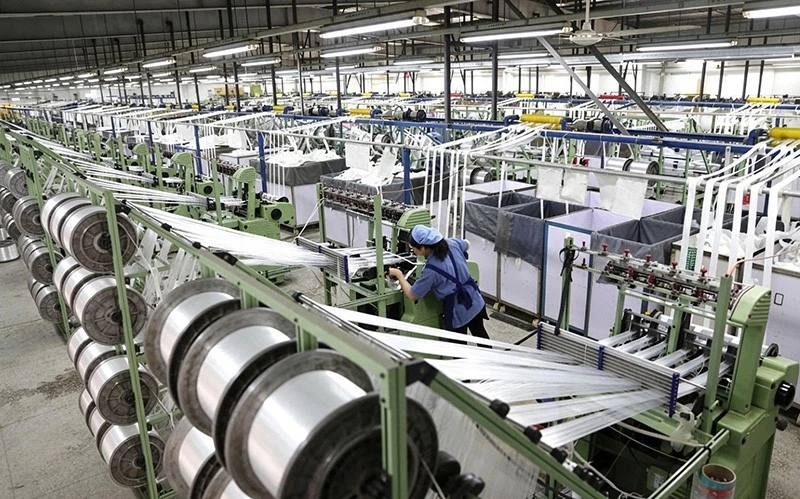
Material selection is one of the most practical ways to introduce sustainability-related improvements into pet accessories.
Recycled polyester, for example, can be considered for selected webbing applications used in dog collars, leashes, and harnesses. It offers an opportunity to incorporate recycled content without necessarily changing the product's basic function or design.
However, replacing conventional materials is not simply a purchasing decision. Manufacturers need to evaluate how alternative materials affect the finished product.
Important considerations include:
Tensile strength and resistance to repeated pulling.
Abrasion resistance during regular use.
Surface appearance and color consistency.
Compatibility with weaving, sewing, cutting, and assembly.
Performance under the product's intended application conditions.
These factors are particularly important for webbing-based accessories, where material performance directly affects product usability and durability.
For brands, material innovation can create a clearer market position. A collection using documented recycled materials may appeal to customers who value specific environmental attributes.
Nevertheless, material differentiation only creates lasting commercial value when the finished product maintains the quality and functionality expected by its target market.
The objective should be to combine a meaningful material attribute with practical performance and a clear product positioning.
3. Manufacturing Feasibility Determines Whether Sustainable Products Can Scale

A material that performs well in a development sample may not deliver the same results during mass production.
Changes in yarn composition, material structure, or supplier specifications can affect manufacturing processes and finished-product consistency.
For webbing production, differences in incoming materials may influence weaving performance, appearance, and dimensional stability. For finished pet accessories, material changes may also affect sewing, component compatibility, assembly, and final inspection.
Before approving an alternative material for bulk production, manufacturers and buyers should evaluate four key areas.
Production compatibility: Can the material be processed using the existing production setup, or will adjustments be necessary?
Product performance: Does the finished product meet the required strength, durability, and application specifications?
Batch consistency: Can the material supplier maintain stable specifications across different deliveries?
Commercial feasibility: Can the material be sourced in sufficient quantities without creating unacceptable costs, delays, or production losses?
These questions are especially relevant to importers and private-label brands planning collections that include multiple products.
A successful development project must go beyond sample approval. It should demonstrate that the product can be manufactured consistently at the required volume while maintaining its intended quality and specifications.
4. Supply Chain Traceability Makes Sustainability Claims More Credible

One major difference between a sustainability marketing statement and a verifiable product claim is supporting evidence.
For example, describing a dog leash as environmentally friendly does not explain what makes it environmentally preferable. Identifying recycled polyester in the webbing provides a more specific material attribute that buyers can evaluate.
Depending on the claim and applicable certification requirements, supporting information may include:
Raw material specifications.
Supplier declarations.
Recycled-content information.
Material purchasing and production records.
Applicable third-party certification documents.
Transaction certificates where required by the relevant certification scheme.
Textile Exchange provides chain-of-custody standards designed to track eligible materials through supply chains. These frameworks demonstrate why verification involves more than obtaining a general statement from a supplier.
Product composition also needs to be communicated accurately.
A dog harness, for example, may contain webbing, metal rings, plastic buckles, adjustment components, and sewing thread. If only the webbing contains recycled material, the product description should identify that component rather than suggest that the entire harness is made from recycled materials.
For importers and brands, accurate documentation makes it easier to prepare product specifications, packaging information, and online listings. It also reduces uncertainty when sustainability claims are reviewed by business customers or regulators.
5. Accurate Claims Help Reduce Marketing and Business Risks
Sustainability claims influence how brands present products to retailers, distributors, and end customers. However, broad or unsupported environmental statements can damage credibility and create regulatory risks.
In the United States, the Federal Trade Commission's Green Guides explain how businesses should communicate environmental marketing claims.
General descriptions such as "eco-friendly" or "green" can be misleading if they are not properly qualified and supported. Recycled-content claims should accurately identify the relevant content, while recyclability claims should reflect whether appropriate recycling facilities are available.
Consider a dog collar made with recycled polyester webbing but conventional plastic hardware and metal components. The brand may be able to make a specific claim about the recycled content of the webbing if sufficient evidence is available. However, describing the entire collar as made from recycled materials could create an inaccurate impression.
For importers and private-label brands, these details should be checked before product specifications, packaging, and marketing materials are finalized.
Manufacturers also have a responsibility to provide accurate material and production information. They should distinguish between supplier-provided material declarations, characteristics verified through production testing, and environmental claims that require independent certification or other supporting evidence.
Clear communication helps both parties avoid misunderstandings and build more reliable business relationships.
6. Commercial Costs and Supply Stability Still Matter

Although sustainability can create product differentiation, it also introduces commercial considerations.
Alternative materials may have different purchasing costs, minimum order requirements, availability, and processing characteristics compared with conventional materials. These differences can affect the overall economics of a pet accessory collection.
For example, a brand planning a recycled-material leash range should evaluate more than the additional material cost. It should also consider the expected selling price, target customer demand, production efficiency, and the effect on the collection's market positioning.
The same material may not be suitable for every product. A specification that works for a leash may not meet the functional requirements of a particular harness or collar design.
Importers and wholesalers should therefore assess sustainability initiatives at the product-range level.
Key questions include:
Do target customers value the proposed material attribute?
Can the selling price support the additional development or sourcing costs?
Is the material available in quantities that support planned orders?
Can consistent quality be maintained across repeat production?
Can the sustainability claim be supported by reliable documentation?
A sustainable product range is more likely to become a long-term business opportunity when its environmental positioning, product performance, and commercial costs are considered together.
7. Manufacturers Are Important Partners in Sustainable Product Development
As material requirements become more specific, manufacturers are expected to contribute more than production based on customer drawings.
They need to understand how material specifications, manufacturing processes, product performance, and supply chain documentation work together.
For pet accessory businesses, this cooperation should begin during product development. Manufacturers can help evaluate material suitability, identify potential processing challenges, and assess whether a design can be produced consistently.
For webbing-based products, this may involve considering how material characteristics influence weaving, coating where applicable, cutting, sewing, and finished-product assembly.
It is equally important for manufacturers to communicate the limits of their claims. Information supplied by raw material vendors should not automatically be presented as independently verified environmental performance.
For brands and importers, working with manufacturers that understand these distinctions can make development more structured and reduce avoidable changes before mass production.
Through OEM and ODM customization, manufacturers can work with buyers to evaluate product specifications, materials, colors, components, and other development requirements.
Conclusion
Verifiable sustainability claims are becoming increasingly relevant in the pet accessories industry because brands and buyers need more than attractive environmental marketing messages.
They need identifiable material attributes, reliable product performance, consistent manufacturing, and credible supporting information.
For importers, wholesalers, and private-label brands, sustainability should be evaluated throughout the product development and supply chain process. Material innovation, manufacturing feasibility, traceability, and commercial costs all influence whether a sustainability initiative can create a genuine competitive advantage.
For manufacturers, this creates an opportunity to provide greater value through material knowledge, production expertise, and accurate product information.
Ultimately, sustainable product development is not simply about choosing different materials. It is about turning environmental objectives into reliable products that meet market expectations and remain commercially viable.
Frequently Asked Questions
Q: Why Are Verifiable Sustainability Claims Important For Pet Accessory Brands?
A: They help brands communicate specific product attributes with supporting evidence, strengthen credibility, and reduce the risk of misleading environmental marketing.
Q: Can Recycled Polyester Be Used In Dog Collars And Leashes?
A: It can be considered for selected webbing applications. Suitability depends on strength, abrasion resistance, material specifications, and compatibility with manufacturing processes.
Q: Does Using Recycled Materials Automatically Make A Pet Accessory Sustainable?
A: No. Recycled content is one material attribute. A broader assessment may also consider product durability, manufacturing, packaging, transportation, and end-of-life management.
Q: What Should Importers Check When Sourcing Sustainable Pet Accessories?
A: They should review material specifications, supporting documentation, applicable certifications, finished-product performance, material availability, and the accuracy of environmental claims.
Q: How Can Manufacturers Support Sustainable Pet Product Development?
A: Manufacturers can evaluate material suitability, production compatibility, product performance, manufacturing consistency, and available material documentation before commercial production.
Looking for a Manufacturing Partner for Your Pet Accessory Projects?
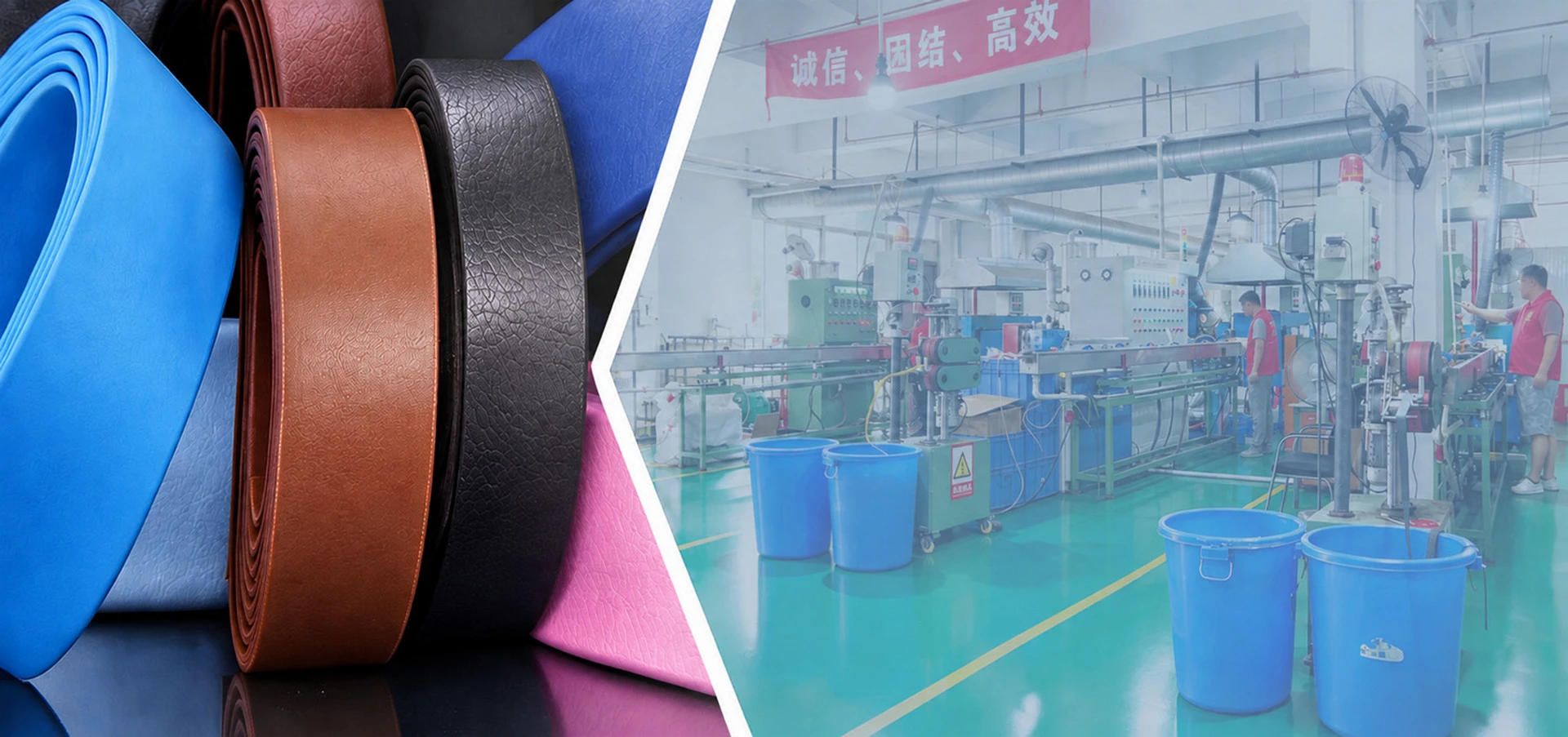
GH Material specializes in pet accessory manufacturing and PVC/TPU coated webbing production. We work with overseas businesses on product specifications, customized development, and manufacturing requirements.
If you are developing a new pet accessory collection or evaluating material options, contact GH Material to discuss your project and manufacturing needs.