

What Should Buyers Confirm When Ordering Embossed Dog Collars
Oct 26, 2026
Leave a message
Why Embossed Dog Collars Need Clear Specifications
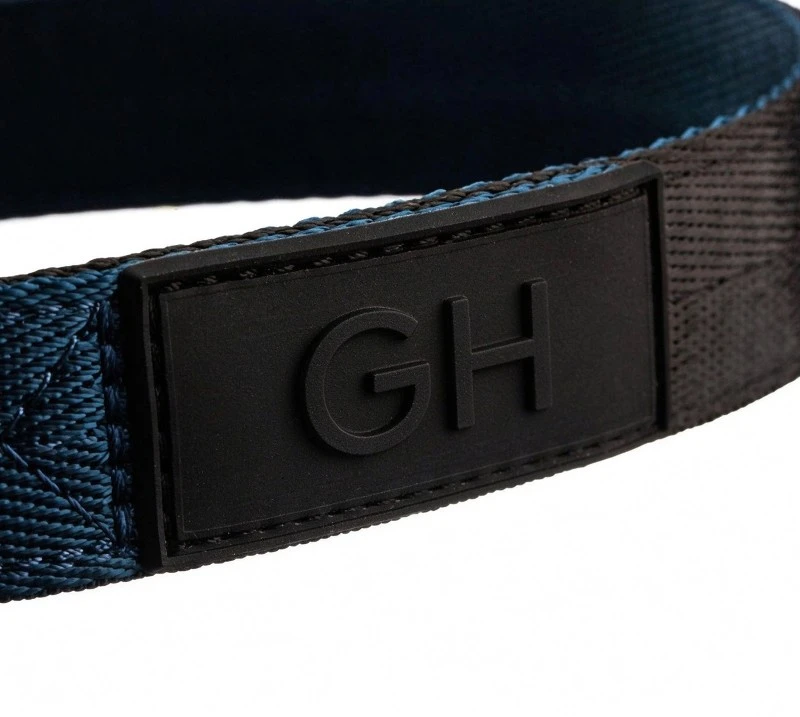
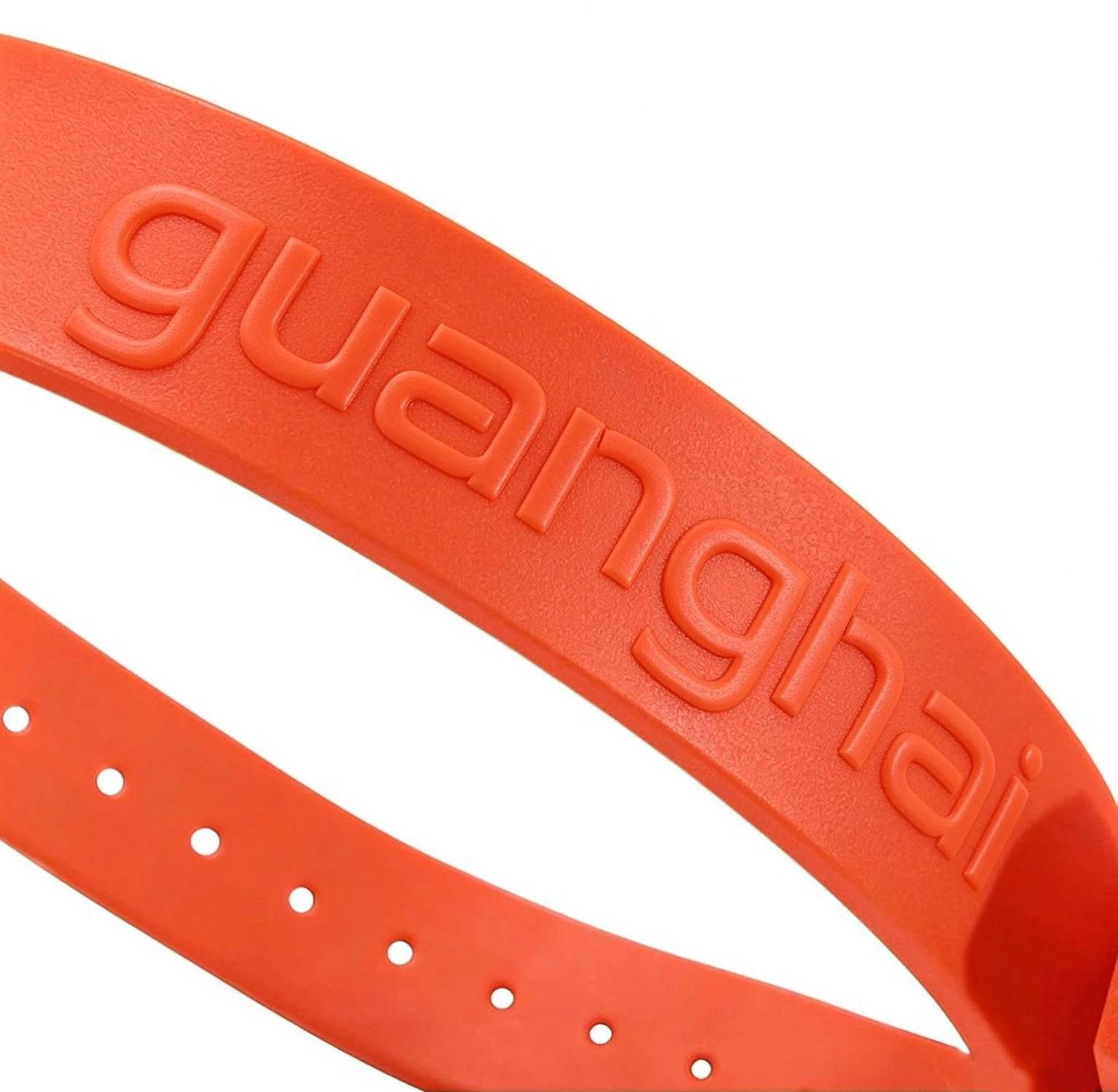
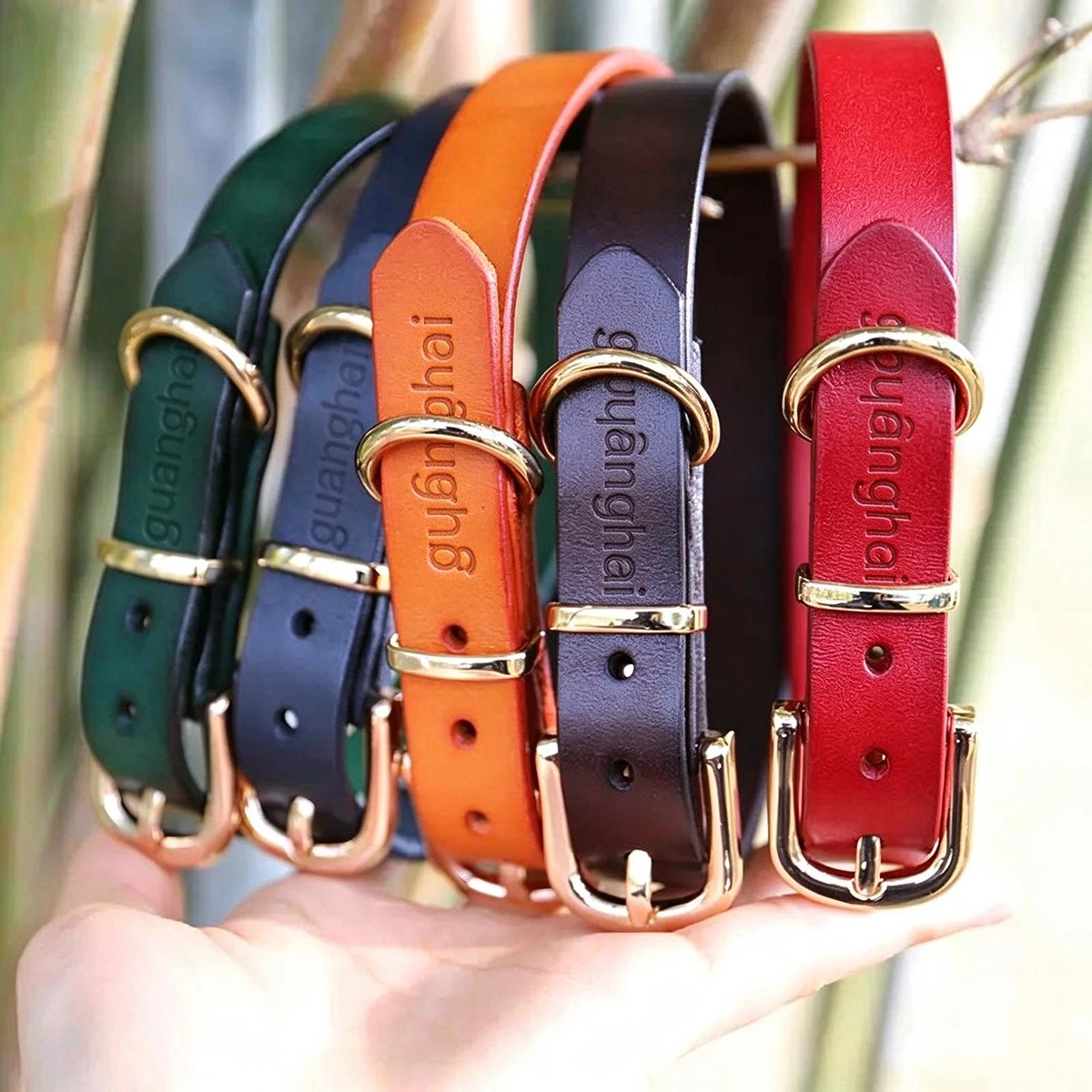
Embossed dog collars allow a brand logo or pattern to stand out through a raised or recessed surface rather than a separately attached label. For private-label brands, wholesalers, and pet product importers, this can create a distinctive appearance while keeping the branding integrated into the collar.
However, the final result depends on more than the logo artwork. The strap material, embossing method, logo dimensions, and production process all influence how clearly the design appears on the finished product.
Before placing a bulk order, buyers should confirm the following details with their manufacturer.
Confirm Where the Logo Will Be Embossed
The first decision is the location of the logo.
For collars made with PVC- or TPU-coated webbing, the logo may be embossed directly into the coated surface, depending on the material and manufacturing process. This differs from attaching a rubber logo patch, sewing on a fabric label, or adding a separate metal logo plate.
Each method creates a different appearance and construction.
Direct embossing can give the collar a more integrated look, while a separate patch introduces an additional component and attachment point. Buyers should specify whether they want the logo formed directly on the strap or applied as a separate part.
The manufacturer should confirm whether the selected strap material and construction are suitable for the requested method before production begins.
Check Logo Depth, Size, and Artwork
A logo that looks clear on a digital mockup may not remain equally legible when reproduced on a narrow collar strap.
Fine lettering, closely spaced characters, and complicated symbols can be difficult to reproduce consistently. Small details may become less distinct when the logo is embossed onto a curved or narrow surface.
Before ordering, buyers should provide:
- The original vector artwork, if available
- The required logo width and height
- The intended position on the collar
- The preferred raised or recessed effect
- Any minimum spacing or fine-detail requirements
Ask the manufacturer to review the artwork against the actual strap width. If the logo contains small text, a simplified version may be more practical than reproducing every detail at its original size.
Match the Embossing Method to the Strap Material
Not every collar material produces the same embossing result.
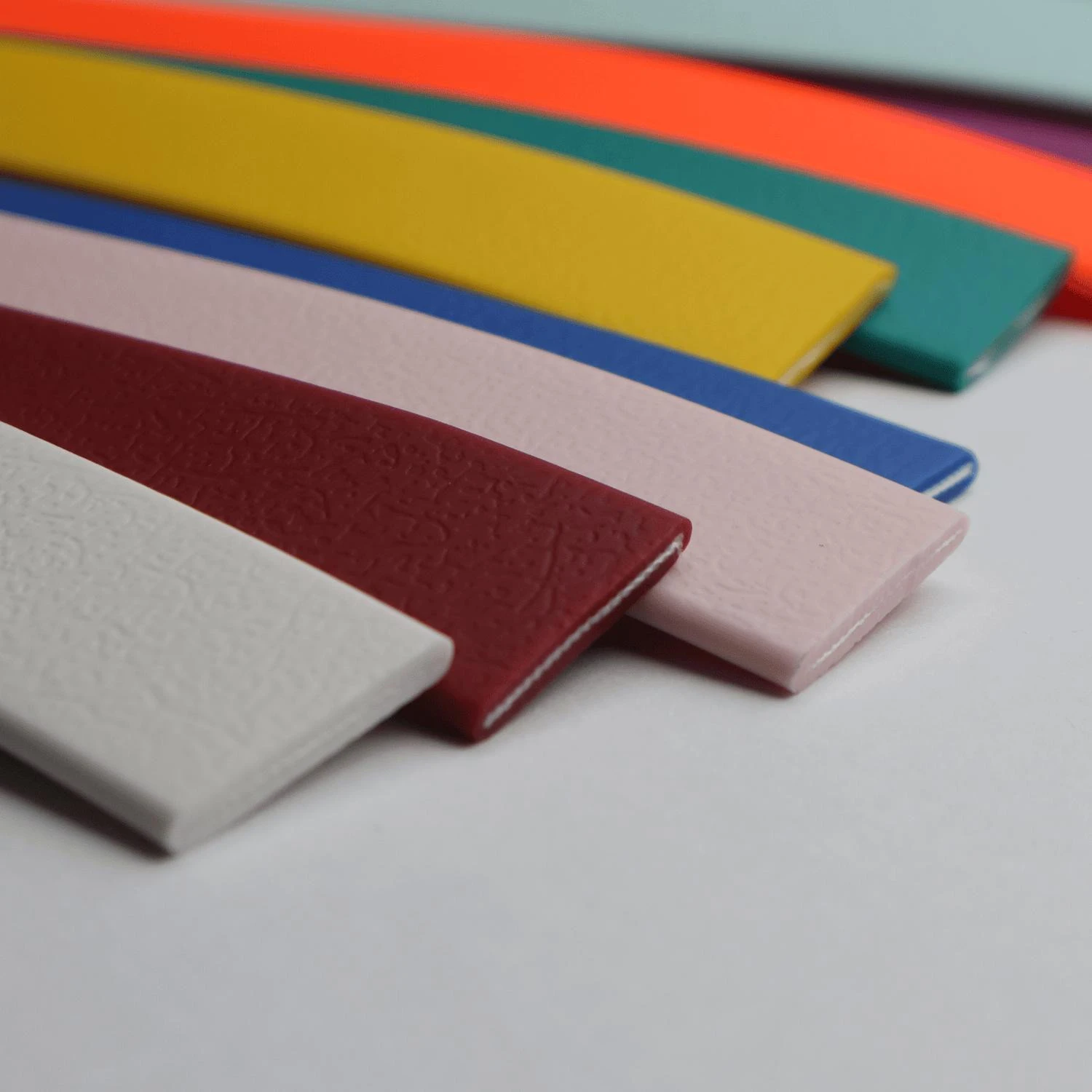
PVC-coated webbing and TPU-coated webbing may differ in flexibility, surface finish, and processing requirements. The suitability of direct embossing also depends on the coating structure, thickness, and manufacturing conditions.
Buyers should therefore confirm the exact strap material before approving the logo design.
For example, a design developed for one coated strap should not automatically be assumed to work identically on another material. Changes in surface appearance or flexibility may affect how the embossed details look.
Request confirmation that the intended embossing process is compatible with the selected material. Avoid specifying only a general description such as "rubber-like strap" when the material and surface finish are important to the final result.
Evaluate the Finished Logo, Not Just the Artwork
Artwork approval does not guarantee that the finished collar will meet the buyer's expectations.
The purchasing team should assess the actual embossed result, including:
- Whether the logo is readable at the intended size
- Whether the raised or recessed details are clearly defined
- Whether the logo is positioned consistently
- Whether the surface finish matches the approved design
- Whether the collar remains suitable for its intended construction and use
If the logo will appear on multiple collar sizes, confirm whether the same artwork and dimensions will be used for every size or whether adjustments are required.
These details are especially important for brands that need a consistent appearance across a product range.
Establish Bulk Production Acceptance Criteria
Once the logo design is approved, buyers should translate the visual requirements into clear production specifications.
A purchase order can identify the approved artwork, logo dimensions, strap material, collar size, logo position, and acceptable appearance. Reference photographs of the approved result can also help both parties understand the required finish.
For repeat orders, retain the approved specifications and reference sample. If the artwork, strap material, or embossing process changes, confirm the effect on the finished appearance before authorizing production.
Buyers should also agree with the manufacturer on how visible defects, misplaced logos, and inconsistent embossing will be assessed. Clear acceptance criteria are more useful than relying on subjective descriptions such as "good quality" or "deep embossing."
Confirm Tooling, MOQ, and Production Lead Time
Custom embossing may require dedicated tooling or additional setup, depending on the manufacturing method. These requirements can affect the initial order cost, minimum order quantity, and production schedule.
Before committing to a purchase, ask the supplier:
Is a dedicated embossing tool required?
Is there a separate tooling or setup charge?
What is the MOQ for the selected collar design?
Can the same tooling be used for repeat orders?
How long will artwork confirmation and production take?
Buyers should distinguish between one-time setup costs and recurring unit costs. For smaller initial orders, tooling expenses may have a noticeable effect on the cost per collar.
For repeat purchases, confirm how tooling will be maintained and whether the approved design can be reproduced under the agreed specifications.
Conclusion
Sourcing embossed dog collars requires coordination between brand design and manufacturing feasibility. Buyers should confirm the logo location, artwork details, strap material, finished appearance, production acceptance criteria, and tooling costs before placing a bulk order.
For private-label brands and wholesalers, these decisions help reduce avoidable revisions and make repeat orders easier to manage.
GH Material supplies customizable pet products and PVC/TPU-coated webbing. Buyers developing embossed-logo collars can discuss their artwork, strap requirements, collar specifications, and target order quantity with the team before confirming production.
FAQ
Q: Can A Logo Be Embossed Directly Onto PVC-Coated Webbing?
A: It may be possible, depending on the coating structure, material thickness, artwork, and embossing process. The manufacturer should assess the specific combination before confirming feasibility.
Q: Is Direct Embossing The Same As Adding A Rubber Logo Patch?
A: No. Direct embossing forms the logo into the material's surface, while a rubber logo patch is a separate component attached to the collar.
Q: What Should Buyers Provide When Requesting A Quotation?
A: Provide the logo artwork, intended logo size and position, strap material, collar dimensions, target quantity, and any required surface-finish details. These specifications help the supplier assess feasibility and calculate costs.
Q: Can Embossed Dog Collars Be Reordered With The Same Appearance?
A: Repeat-order consistency depends on retaining the approved artwork, material specifications, tooling requirements, and production standards. Buyers should keep a reference sample and confirm any changes before reordering.