

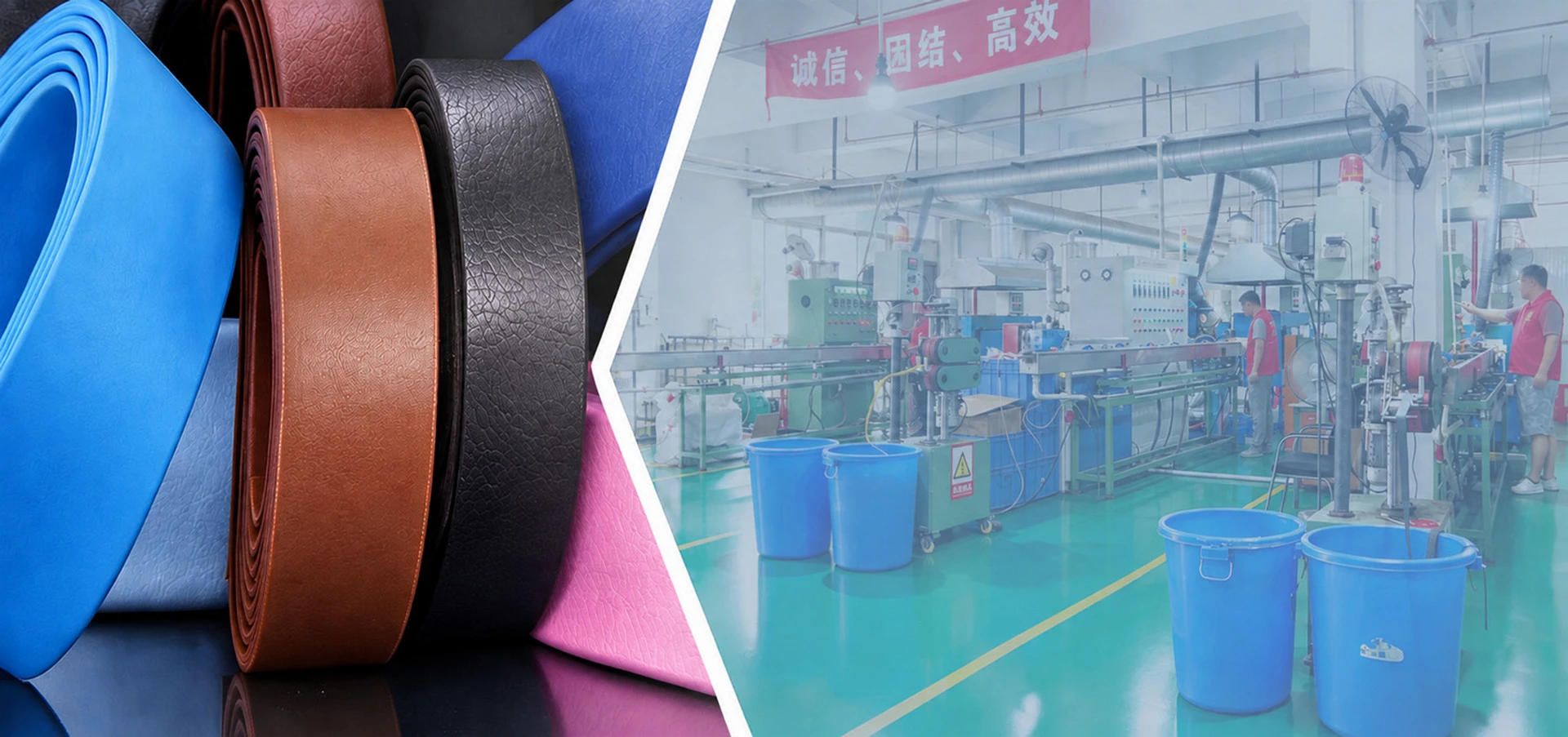
How To Manage Color Consistency In Repeat Orders Of Custom Pet Products
Oct 24, 2026
Leave a message
Color consistency is an important consideration when reordering custom pet products. For pet brands, importers, and wholesalers, a noticeable color difference between batches can affect the appearance of a product collection, even when the product design remains unchanged.
This is particularly relevant for products made with PVC or TPU coated webbing, where buyers may need to coordinate webbing colors with hardware, stitching, and other product components.
A previous order can provide a useful reference, but buyers should not assume that a color will automatically look identical in every subsequent batch. Establishing clear color references and confirming them before production helps reduce misunderstandings during repeat orders.

Use an Approved Color Reference
A color name such as red, blue, or green may be insufficient for repeat-order specifications. Different people may interpret the same color name differently, and a digital image does not always represent the physical product accurately.
Buyers should establish a clear reference for each required color. Depending on the project, this may include a Pantone reference, an approved physical sample, or another agreed color standard.
For custom PVC or TPU coated webbing, the reference should relate to the actual material and intended finish. For finished pet products, buyers should also consider how the selected color appears alongside other components.
Before placing a repeat order, confirm that the buyer and supplier are referring to the same approved reference rather than relying solely on a description in an email.
Understand Why Colors May Look Different
Color appearance can be affected by several factors, so buyers should distinguish between an actual material difference and a difference in how the color is viewed.
Common considerations include:
Lighting conditions: The same product may appear different under daylight, indoor lighting, or different photography conditions.
Screen display: Monitors and mobile devices may display colors differently.
Material and surface finish: The appearance of a color may vary depending on the material and whether its surface is matte, smooth, or textured.
Product components: Webbing, stitching, and hardware may create different visual contrasts when assembled together.
These factors do not necessarily mean that a production batch is incorrect. However, they explain why buyers should evaluate physical samples under consistent viewing conditions rather than approving colors from photographs alone.
Confirm the Color of PVC and TPU Coated Webbing
For coated webbing used in dog collars, leashes, and other pet products, buyers should specify the required color and material together.
PVC and TPU coated webbing are different material options. If a repeat order changes from one material to another, buyers should not assume that the same color reference will produce an identical appearance.
The surface finish and the appearance of the finished webbing should also be considered during approval.
Before production, buyers should confirm:
- The specified webbing material.
- The approved color reference.
- The required surface finish.
- The intended width and other relevant product specifications.
If the coated webbing will be incorporated into a finished pet product, evaluate its appearance in the intended product design where practical. This helps buyers review the material as it will actually be used rather than judging it as an isolated color sample.


Check Color Matching Across Product Components
A custom pet product may contain several components, including coated webbing, stitching, plastic buckles, metal hardware, and brand labels.
These components do not necessarily use the same materials or coloring processes. As a result, matching their colors exactly may not always be possible or appropriate.
Buyers should identify which components require a specific color and which only need to complement the overall design.
For example, a brand may require the coated webbing to match an approved color reference while using black hardware as a contrasting element. In another design, the buyer may want the stitching to coordinate closely with the webbing.
Confirm these requirements before approving the product sample. If exact matching is required, clarify the expected standard and how the result will be evaluated.
Review Color References Before a Repeat Order
When reordering an existing product, buyers should refer to the previous approved specifications rather than relying on memory or an old product photograph.
Before confirming the new order, review the original color reference, material specification, surface finish, and any documented changes from previous batches.
If the buyer has retained an approved physical sample, it may provide a useful comparison reference. However, the sample should be clearly identified so that it is not confused with an unapproved sample or a different product version.
If the original reference is unavailable or the product specification has changed, discuss the situation with the supplier before production. A new color approval may be necessary, particularly when the material, finish, or component combination has changed.

Agree on How Color Differences Will Be Evaluated
Terms such as color consistency or color matching can be interpreted differently unless the evaluation method is clearly defined.
Before placing a repeat order, buyers should discuss how the production color will be compared with the approved reference and what level of variation is acceptable for the project.
For orders where color is particularly important to the brand, buyers can ask the supplier whether a pre-production sample or another approval step is appropriate.
If a difference is identified, document the affected product, color reference, and observed discrepancy. Share clear photographs or physical samples where useful, while recognizing that photographs alone may not establish the exact color difference.
The buyer and supplier should then review the evidence against the agreed specification before deciding whether corrective action is required.
Keep Color Records for Future Orders
A consistent record of approved product details makes repeat purchasing easier to manage.
For each custom product, buyers should retain relevant information such as:
Approved color references and sample identification.
PVC or TPU material specifications, where applicable.
Surface finish and product dimensions.
Hardware, stitching, and branding requirements.
Approval dates and any agreed changes.
Notes on differences observed in previous batches.
These records help buyers communicate requirements more clearly when placing future orders. They are especially useful when a product range includes multiple colors, sizes, or related designs.
When specifications change, update the record rather than allowing different versions to circulate without clear identification.
FAQ
Q: Why Can The Same Color Look Different Between Repeat Orders?
A: Appearance may be affected by the material, surface finish, lighting, display conditions, and differences between product components. Buyers should compare production against a clearly identified, approved reference.
Q: Is A Pantone Code Enough To Guarantee An Exact Color Match?
A: A Pantone reference provides a useful color target, but it does not by itself guarantee an identical appearance across different materials and finishes. The acceptance method should be agreed with the supplier.
Q: Should Buyers Approve Colors From Photographs?
A: Photographs are useful for communication but may not accurately represent the physical color. For important color requirements, an approved physical sample or another agreed evaluation method is preferable.
Q: What Should Buyers Confirm Before Reordering PVC Or TPU Coated Webbing?
A: Confirm the material, approved color reference, surface finish, dimensions, and any changes to the product specification. If the material or finish changes, review whether a new sample approval is needed.
Q: How Can Buyers Reduce Color Disputes In Repeat Orders?
A: Maintain identifiable approved references, document specifications and changes, and agree in advance on how color differences will be evaluated.
Discuss Your Custom Pet Product Requirements with GH Material
GH Material supplies custom pet products and PVC/TPU coated webbing for B2B buyers. When planning a repeat order, buyers can prepare their approved color references, material specifications, product requirements, and any requested changes for review.
Visit our custom dog collar page to explore a relevant custom pet product option.
Providing clear color records and product specifications helps establish a shared reference for discussing repeat-order requirements before production.