

Acceptable Cosmetic Defects in Bulk Pet Products
Oct 26, 2026
Leave a message
For importers, wholesalers, and private-label pet brands, a product can meet its basic dimensions and still fail to meet the expected retail appearance. A scratch on a coated dog collar, uneven stitching on a harness, or a visible mark near a logo may affect how customers perceive the finished product.
The difficulty is that not every visible difference makes an item unacceptable. Buyers need to distinguish between defects that affect product function, deviations from the approved design, and minor appearance variations that fall within an agreed standard.
Before bulk production begins, buyers should define acceptable cosmetic defects using clear descriptions, reference photos, and product-specific acceptance criteria. This gives the factory and inspection team a consistent basis for evaluating finished goods.
Why "Good Appearance" Is Not a Clear Acceptance Standard
Terms such as "premium finish," "clean stitching," and "consistent color" communicate expectations, but they do not explain how an inspector should make a pass-or-fail decision.
For example, one buyer may reject any visible scratch on a premium PVC-coated dog collar. Another may accept a small mark in a concealed area if it does not affect the product's function or presentation.
Without a written standard, both parties may believe their interpretation is reasonable.
Before placing a bulk order, buyers should clarify three points:
Visual reference: Which approved sample, photograph, or artwork defines the expected appearance?
Defect boundary: What type, location, size, or degree of variation is unacceptable?
Decision rule: How will the parties classify and handle products that do not meet the agreed requirements?
The goal is not to demand that every manufactured item look identical under every possible viewing condition. It is to establish a consistent commercial standard that can be checked objectively.
Identify the Cosmetic Defects That Matter for Each Product
A single generic checklist is not sufficient for every pet product. Different constructions have different visible characteristics, so buyers should define the defects most relevant to their own product.
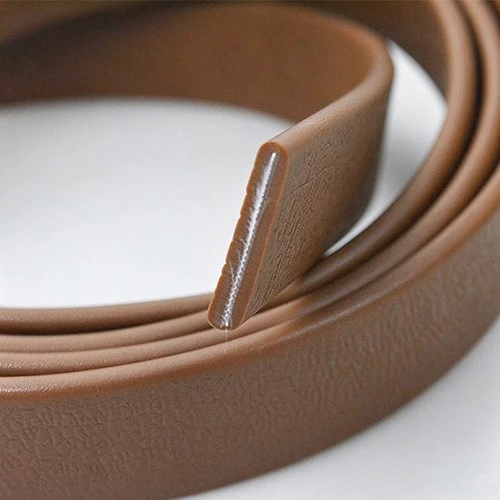
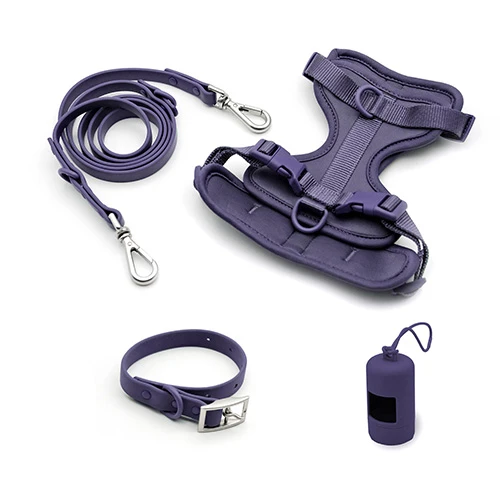
Sewn Dog Collars and Harnesses
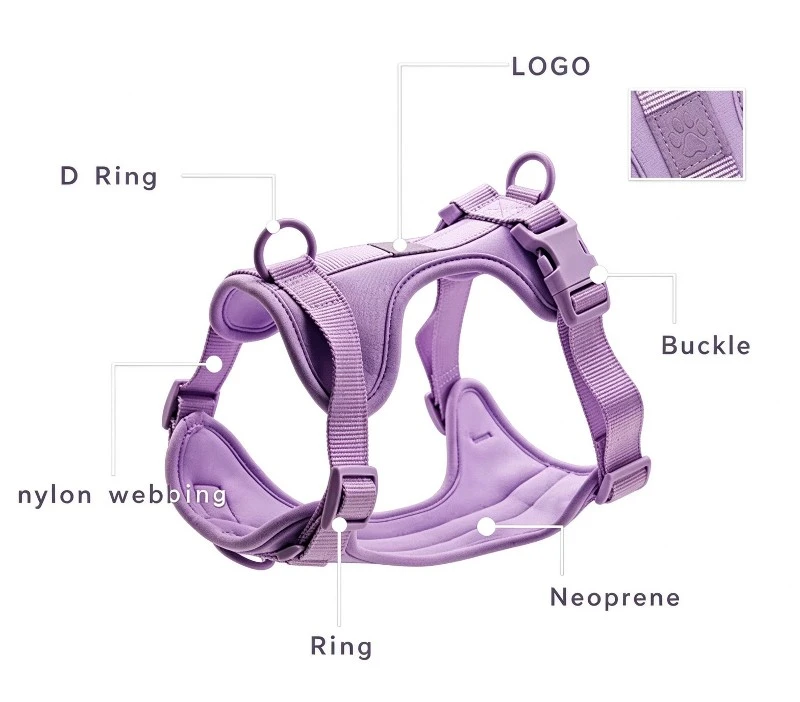
For sewn products, visual requirements should focus on both workmanship and the areas customers can see when using or displaying the product.
Potential defects include:
Loose thread ends or skipped stitches.
Uneven stitching lines.
Visible seam openings.
Wrinkles or distortion around stitched connections.
Misaligned labels or decorative details.
Uneven positioning of straps, buckles, or other components.
Not all stitching differences have the same significance. A short loose thread may be primarily cosmetic, whereas an open seam at a load-bearing connection may affect product function and should not be treated as a minor appearance issue.
Buyers should define appearance requirements separately from structural or functional requirements.
Hardware and Branding Details
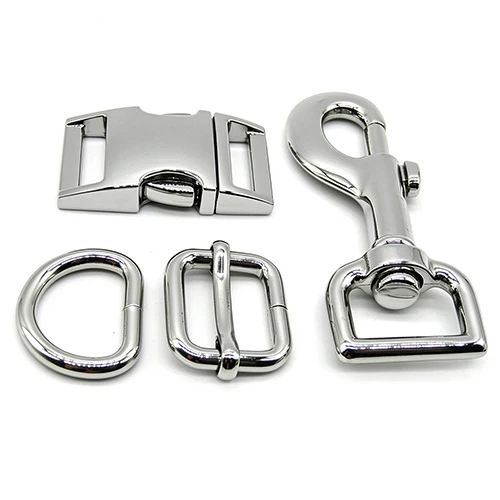
Buckles, D-rings, swivel hooks, adjusters, printed logos, and embossed designs can also affect the finished appearance.
Relevant checks may include visible scratches, inconsistent finishes, incorrect logo placement, unclear printing, or differences between the approved artwork and production items.
A hardware component that looks acceptable but does not operate correctly is not simply a cosmetic defect. Appearance and function should be assessed as separate acceptance criteria.
Classify Defects by Their Actual Impact
A practical defect classification helps buyers and suppliers discuss findings without relying on subjective descriptions.
| Defect category | Typical interpretation | Possible response |
|---|---|---|
| Critical or safety-related | A condition that creates an unacceptable safety or compliance risk | Hold the affected goods and follow the agreed safety and escalation procedure |
| Major | A defect that affects function, usability, or compliance with an important product requirement | Hold for review, correction, replacement, or reinspection |
| Minor cosmetic | A limited appearance issue that does not materially affect intended function or violate a critical specification | Accept, rework, or resolve according to the agreed criteria |
These are general examples, not a universal classification for every pet product. Buyers should adapt the categories to the product, intended use, market requirements, and contractual specifications.
For example, a small surface mark on a concealed area may be minor if the parties have agreed to that allowance. The same mark across a prominent logo or a highly visible front-facing area may be unacceptable because it changes the product's retail presentation.
Likewise, a loose thread should not automatically be classified as minor if it indicates an open seam or a weakened connection.
Agree on the Standard Before Bulk Production
The most useful time to resolve appearance disagreements is before the factory produces the full order.
Buyers should confirm the following items during product development:
Approve the sample's visible finish, color, logo position, stitching, and hardware appearance.
Record any known and explicitly accepted variations.
Identify defects that require correction rather than acceptance.
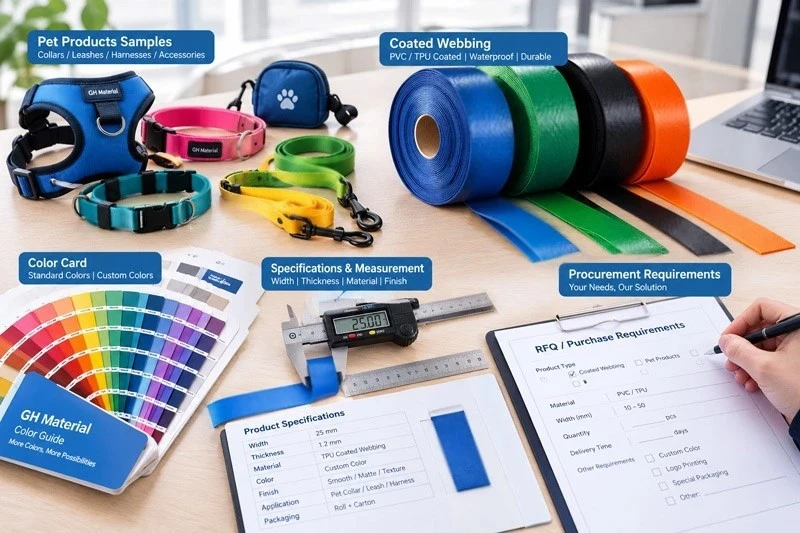
Attach the relevant criteria and reference images to the product specification or purchase documentation.
Confirm how deviations will be documented and who must approve any exception.
If a buyer accepts a particular appearance variation during sampling, that approval should be recorded clearly. It should not be assumed that every unmentioned defect is automatically acceptable.
For customized dog collars, leashes, and harnesses, the visual standard should cover the actual product construction and branding-not just the raw material. GH Material's custom pet product manufacturing page provides an overview of its product range and customization options.
Decide What Happens When a Defect Is Found
An inspection finding should lead to a clear decision rather than an informal exchange of photographs.
Depending on the defect and the order agreement, the possible actions may include:
Correcting or reworking the affected products.
Separating nonconforming items from acceptable stock.
Replacing affected items where agreed.
Requesting further inspection or a reinspection.
Obtaining written buyer approval for a documented deviation, where appropriate.
The decision should identify the affected product, quantity, defect, and agreed next step. If the issue appears repeatedly, buyers should also ask whether the acceptance criteria or production instructions need clarification.
For large orders, the buyer and supplier should agree in advance on the sampling plan and acceptance rule. A sample inspection does not guarantee that every unit is defect-free, and a generic AQL value does not define which cosmetic defects are acceptable. Those decisions must be made separately.
Conclusion
Acceptable cosmetic defects should be defined before bulk production, not negotiated for the first time when goods are ready to ship.
For pet collars, leashes, harnesses, and coated-webbing products, buyers should identify product-specific appearance risks, separate cosmetic issues from functional defects, and document the agreed limits with reference photos and measurable criteria wherever possible.
A clear standard helps the buyer protect product presentation while giving the factory a practical basis for inspection, correction, and shipment decisions.
Planning a custom pet product order? Share your product design, approved sample, branding requirements, and appearance expectations with GH Material so the relevant specifications can be reviewed before bulk production.
FAQ
Q: Should Every Scratch Or Loose Thread Be Rejected?
A: Not automatically. The decision depends on the defect's size, location, effect on function, and the acceptance criteria agreed before production. A loose thread that indicates an open seam requires a different assessment from an isolated thread end.
Q: Can Product Photos Be Used To Define Acceptable Appearance?
A: Yes, as visual references. However, photos should be supported by written descriptions and measurements where necessary. Screen settings and lighting can affect how colors and surface details appear.
Q: Is AQL Enough To Determine Whether Cosmetic Defects Are Acceptable?
A: No. AQL is part of an agreed sampling and acceptance plan. Buyers still need to define the defect categories, examples, limits, and actions for a failed inspection.
Q: When Should Cosmetic Acceptance Criteria Be Confirmed?
A: Before bulk production, ideally during sample approval and specification confirmation. This gives both the buyer and the factory a shared reference before the full order is manufactured.