

Managing Specification Changes in Pet Product Production
Oct 27, 2026
Leave a message
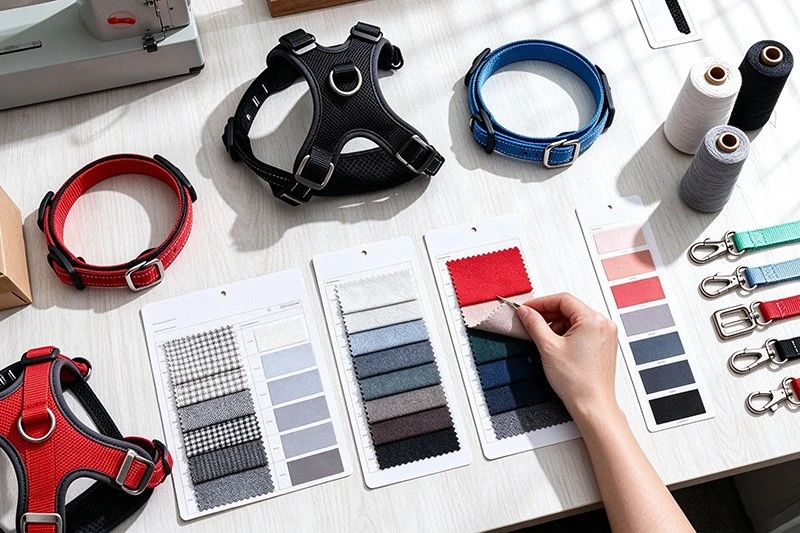
Specification changes can create unexpected problems during a custom pet product order. A buyer may request a different buckle, a revised logo position, an additional color, or a change to the strap construction after production has started.
For importers, wholesalers, and private-label pet brands, the challenge is not simply whether a manufacturer can make the requested change. The key question is how that change will affect the existing order, including production progress, material availability, cost, and delivery commitments.
For custom dog collars and harnesses, even a seemingly small adjustment can affect several connected components. Establishing a clear change-control process helps buyers and manufacturers manage these requests without unnecessary confusion.
Identify Exactly What Has Changed
Before discussing whether a production change is possible, buyers should identify the difference between the original requirement and the new request.
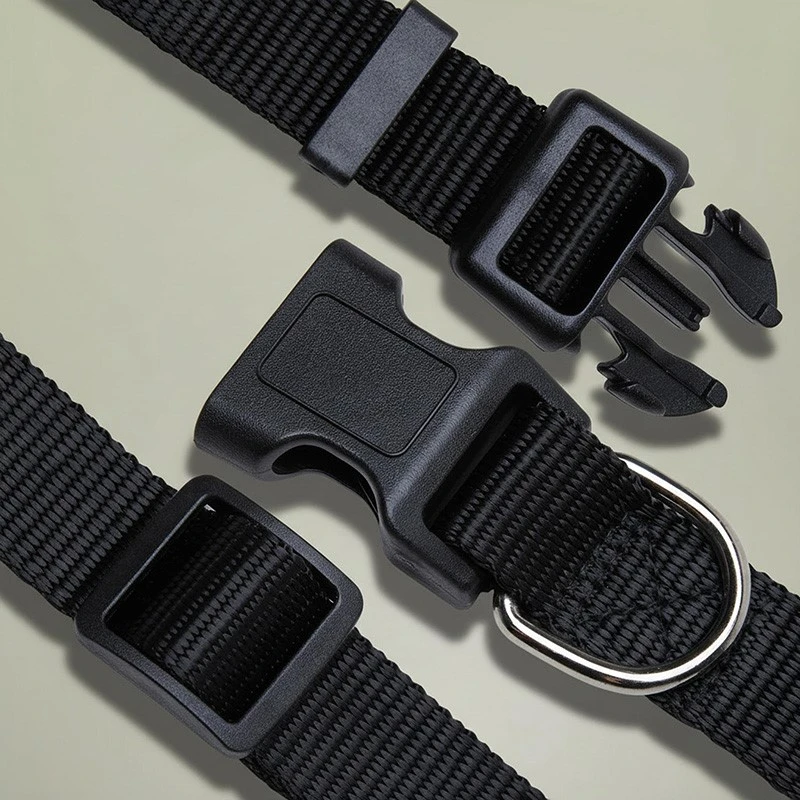
For example, changing a logo from one position to another is different from changing the logo application method. Replacing a buckle with a different design may also affect strap compatibility, assembly procedures, and the availability of matching components.
A useful change request should specify:
- The original specification
- The revised requirement
- The affected product models, colors, or order quantities
- The reason for the change
- The required implementation date
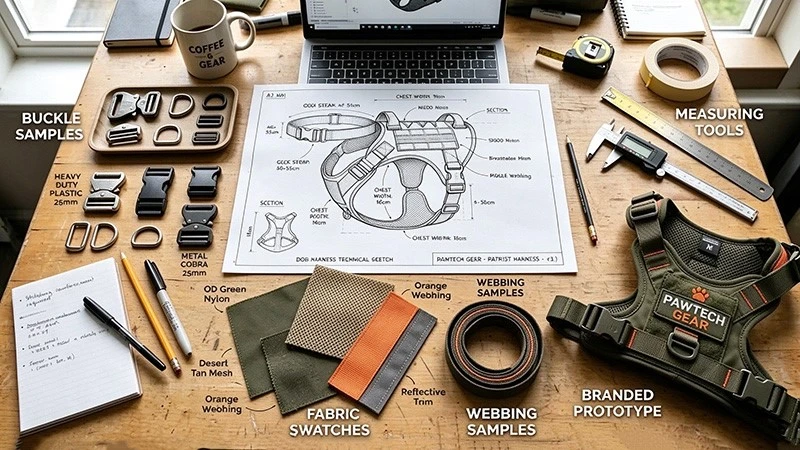
For visual changes, annotated photographs or updated technical drawings can help both parties identify the exact revision.
Avoid relying on messages such as "make it like the new picture" without explaining which features have changed. A reference image may show several differences, and the buyer and manufacturer could interpret the intended revision differently.
Check the Production Impact
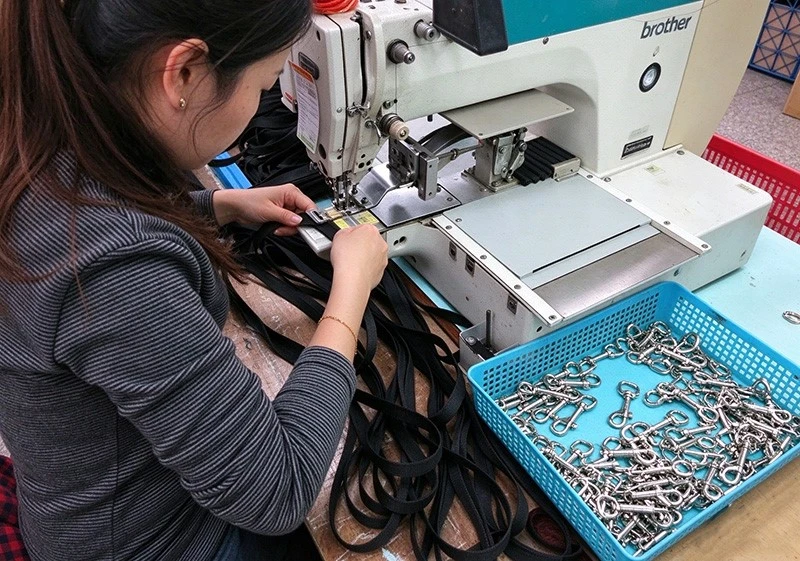
The impact of a change depends on the production stage. Changes made before cutting or assembly are generally easier to manage.
Confirm whether materials can be reused, rework is needed, and delivery will be delayed.
Confirm Additional Costs
Changes to buckles, logos, or other components may increase material and labor costs.
Before approval, confirm any extra costs and delivery changes to avoid unexpected expenses.
Reassess the Delivery Schedule
Changes can affect delivery dates in different ways.
If the requested revision uses available materials and affects only a limited number of units, the original schedule may remain achievable. If new components must be sourced or completed products must be reworked, additional time may be necessary.
Buyers should ask for a revised schedule based on the actual production impact.
The discussion should cover the time needed to obtain replacement materials, modify production arrangements, complete any necessary rework, and carry out the relevant inspections.
When only part of an order is affected, the buyer and manufacturer can also discuss whether unaffected products can proceed as planned. Any split shipment should be evaluated against its additional logistics costs and delivery requirements.
A revised delivery commitment should be based on the confirmed production plan rather than an assumption that the original deadline will remain unchanged.
Record the Approved Revision in Writing
Verbal instructions and informal messages can create confusion when several changes occur during the same order.
Once a change has been evaluated, the buyer and manufacturer should document the approved revision and identify which order it applies to.
The record should include the revised specification, affected quantities, approved cost adjustments, production instructions, and updated delivery commitments where applicable.
If drawings, artwork, or product specifications have been revised, the latest approved version should be clearly identified. Outdated files should not remain indistinguishable from the current production instructions.
For a manufacturer producing several pet product models or color variations, identifying the affected items is particularly important. A change intended for one product configuration should not automatically be applied to every item in the order.
Written change records create a shared reference for purchasing, production, quality control, and shipping.
Define Who Can Approve Production Changes
Not every person involved in an order should automatically be able to authorize a specification change.
A buyer may communicate a request, while a purchasing manager or product manager has responsibility for approving the commercial implications. The manufacturer's production team may assess feasibility, but revised costs and delivery commitments may require separate confirmation.
Before production begins, both parties should establish a practical approval process.
For example, the process can require written confirmation from the buyer's designated contact before the manufacturer changes the approved production instructions.
This is particularly useful for private-label orders, where a change may affect brand presentation, product functionality, or the consistency of a product range.
If an urgent request arrives through email or a messaging application, the parties should still consolidate the final decision into a clear, traceable record.
Powerful Solutions For Business Growth
请替换当前内容 Immigway Visa Consultancy was created to provide uniquely des igned premium services in the world of education and migration. As people are dreaming more. Immigway Visa Consultancy was created to provide uniquely des igned premium services in the world of education and migration. As people are dreaming more.
Eleganzo is a comprehensive design firm specializing in architecture,interior design,branded environments,strategic lanning,and urban design.
Verify the Changed Feature During Production
A specification change should not be treated as complete simply because the updated instruction has been issued.
The manufacturer should identify the inspection points relevant to the revision. If the buckle configuration changes, the affected connection and assembly should be checked. If the logo position changes, the placement should be reviewed against the approved artwork or reference.
The inspection method should match the nature of the change rather than introduce unrelated checks.
Where a change affects only part of an order, the manufacturer should also identify which units were produced under the original specification and which follow the revised instruction.
This distinction helps prevent mixed configurations from being shipped unintentionally and makes it easier to trace any later questions about the order.
Conclusion
Managing specification changes during pet product production requires clear communication, an assessment of production impact, and documented approval.
For custom dog collars, harnesses, and related accessories, buyers should identify the exact revision, confirm its effects on materials and completed work, review any additional costs, and obtain an updated delivery commitment when necessary.
A structured change-control process helps importers and manufacturers protect production efficiency while maintaining clear expectations for the finished order.
Planning a custom pet product order? Contact GH Material with your product requirements, customization details, estimated quantity, and target delivery date to discuss the production arrangements for your project.
FAQ
Q: Can A Buyer Change Product Specifications After Production Starts?
A: A change may be possible, but feasibility depends on the production stage, material availability, affected components, and the extent of work already completed.
Q: Will A Specification Change Increase The Order Cost?
A: It may. Additional materials, processing, rework, replacement components, or other change-related expenses should be assessed and agreed upon before implementation.
Q: Can A Specification Change Delay Delivery?
A: Yes. The impact depends on the revised requirement and the production activities affected. Buyers should request an updated schedule rather than assume the original delivery date remains valid.
Q: What Should Be Included In A Production Change Request?
A: The request should identify the original specification, revised requirement, affected products and quantities, required implementation date, and any supporting drawings or annotated images.