

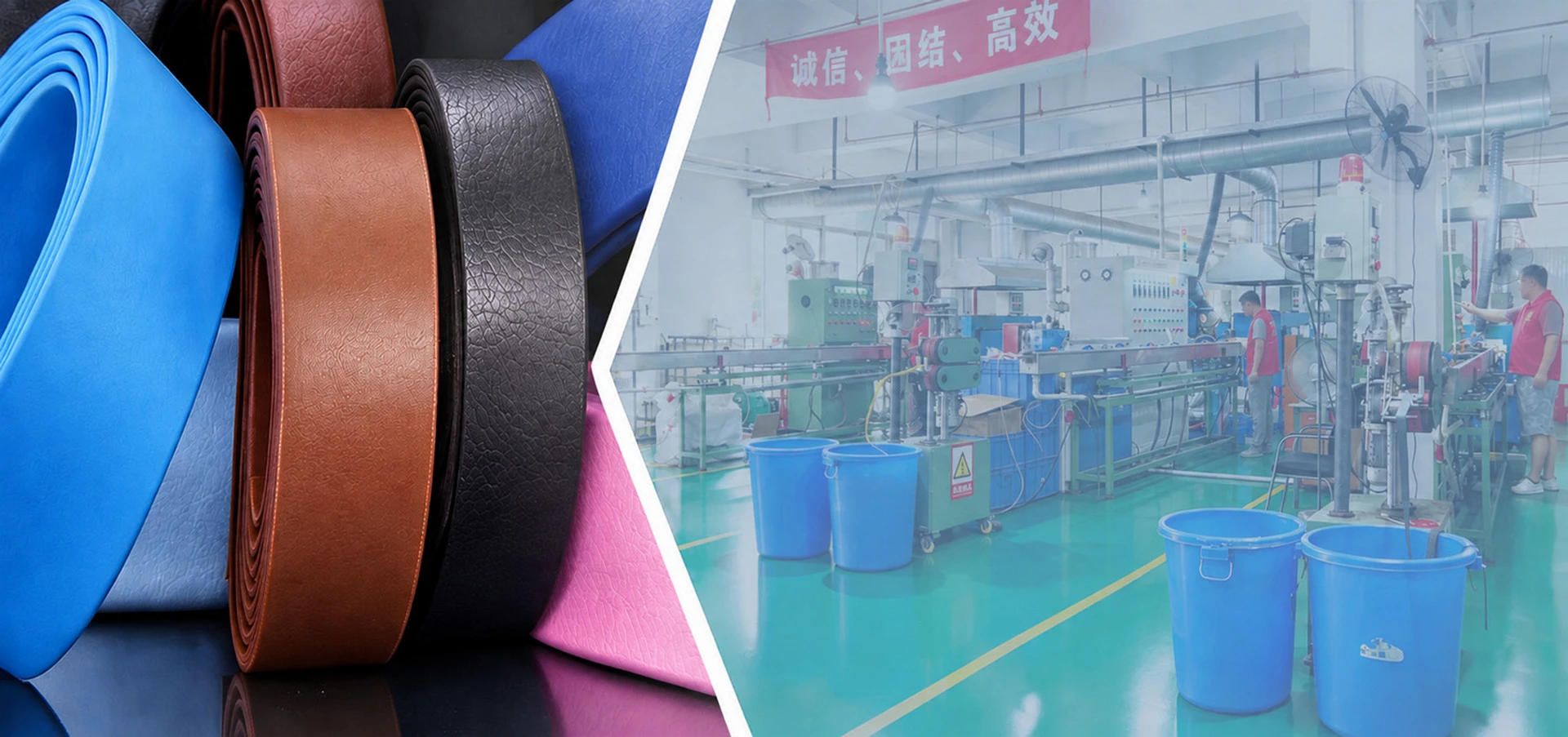
Equestrian Coated Webbing Specifications for Tack Manufacturers
Nov 16, 2026
Leave a message
Coated webbing is used in various equestrian products, including horse halters, reins, bridles, and other straps. For manufacturers, selecting a material is not simply a matter of choosing PVC or TPU. The finished product must meet the requirements of its intended application, including flexibility, surface grip, dimensions, hardware compatibility, and resistance to regular exposure to moisture and dirt.
A specification that works for a stable tie may not automatically be suitable for reins or other equipment used during riding. Equestrian product manufacturers should therefore define material requirements according to the function of each product rather than applying one coated webbing specification across an entire product range.
Identify the Function of Each Equestrian Strap
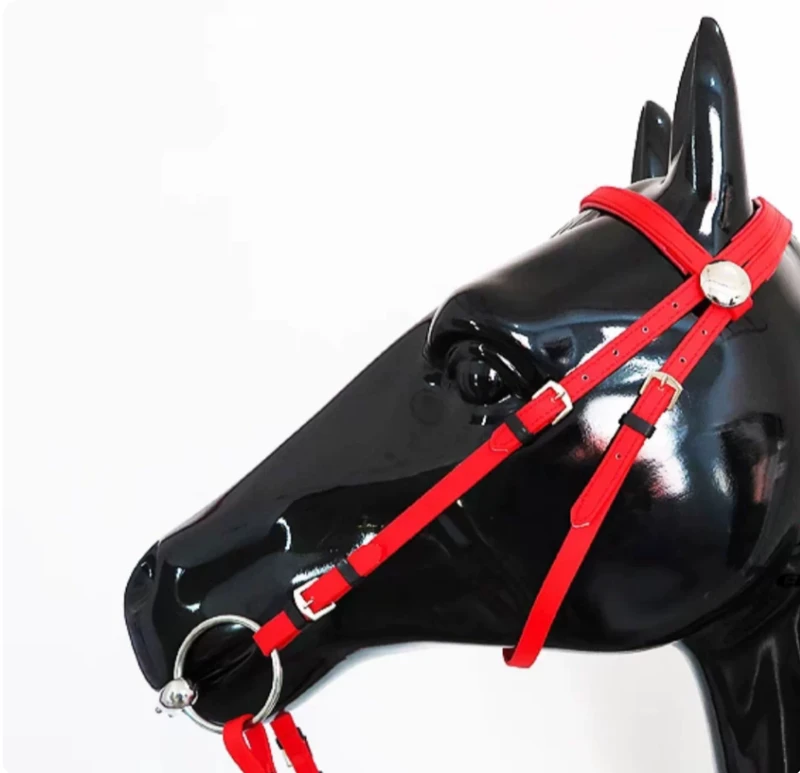
The first step is to classify the intended application.
Different equestrian products place different demands on their straps:
Horse halters: Require suitable flexibility, comfortable handling, and compatibility with buckles and adjustment hardware.
Reins: Require consistent handling characteristics, suitable grip, and reliable connections to the associated hardware.
Bridles: Need dimensions and material characteristics that fit the product structure and intended use.
Stable and tie-up straps: May place greater emphasis on moisture resistance, cleanability, and practical maintenance.
These categories should not be treated as interchangeable. A material suitable for one application should not be assumed to meet the requirements of another without product-level evaluation.
Define the Required Webbing Construction
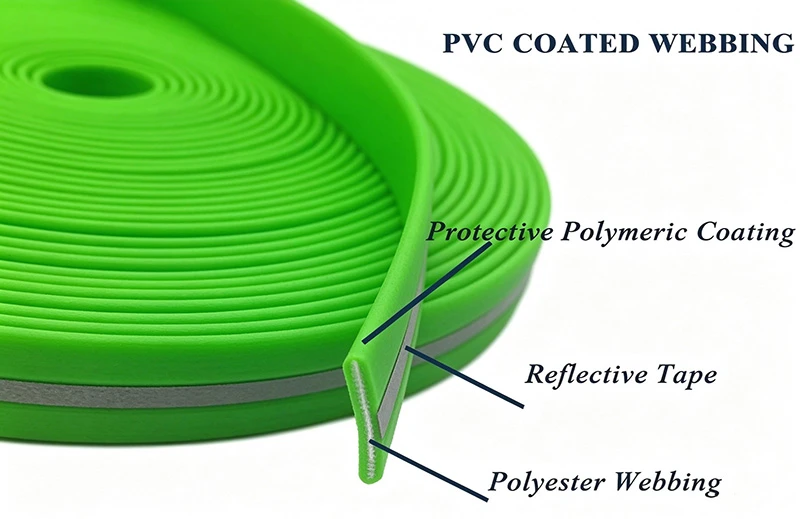
Coated webbing generally combines a woven textile base with a polymer coating. The textile base contributes to the strap's structural properties, while the coating influences its surface characteristics and environmental resistance.
When preparing a material specification, manufacturers should identify:
Base material, such as polyester or nylon
Finished webbing width
Overall thickness
Coating material, such as PVC or TPU
Surface finish and texture
Required flexibility and hardness
Color and appearance requirements
These details help manufacturers and material suppliers discuss the same product construction.
It is also important to distinguish between the properties of the raw webbing and those of the finished strap. Cutting, stitching, punching, edge finishing, and hardware installation can all influence the final product.
Match Surface Characteristics to the Application

The surface of coated webbing affects handling, appearance, and maintenance.
A smooth surface may be appropriate for products where easy cleaning is important. A textured or embossed surface may be considered when the design requires a particular appearance or handling feel.
However, surface texture should not be selected based on appearance alone. Manufacturers should evaluate whether the finish is appropriate for the intended use, whether it remains consistent across production batches, and whether it works with the selected hardware and assembly method.
For products such as reins, the actual grip and handling characteristics should be evaluated on the finished product. A textured coating does not automatically guarantee suitable grip in wet or muddy conditions.
Check Compatibility With Hardware and Assembly
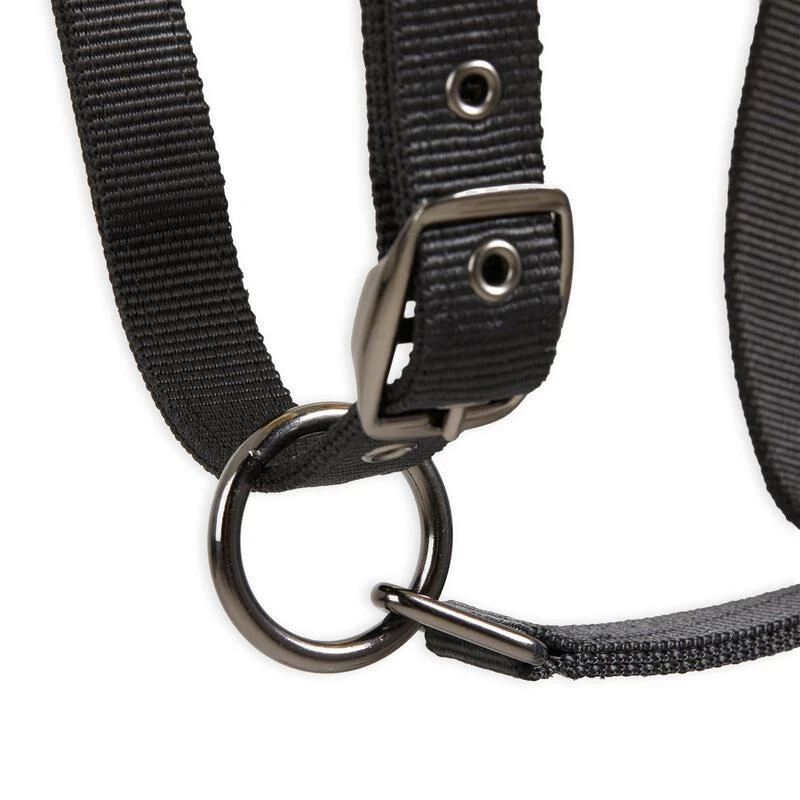
Coated webbing is only one part of an equestrian product. Buckles, rings, adjustment components, stitching, and other connections also affect the finished construction.
Before confirming a material specification, manufacturers should check:
Whether the selected width fits the hardware openings
Whether the finished thickness allows proper assembly
Whether the strap can be folded, stitched, or punched as required
Whether cut edges need additional finishing
Whether the material surface is affected by the assembly process
Whether the completed connection meets the product's intended performance requirements
For example, a webbing roll may meet the required width and thickness, but the finished strap may still be unsuitable if it does not fit the selected buckle or creates an inconsistent assembly result.
This is why material approval should be connected to the actual product construction.
Establish Product-Level Testing Requirements
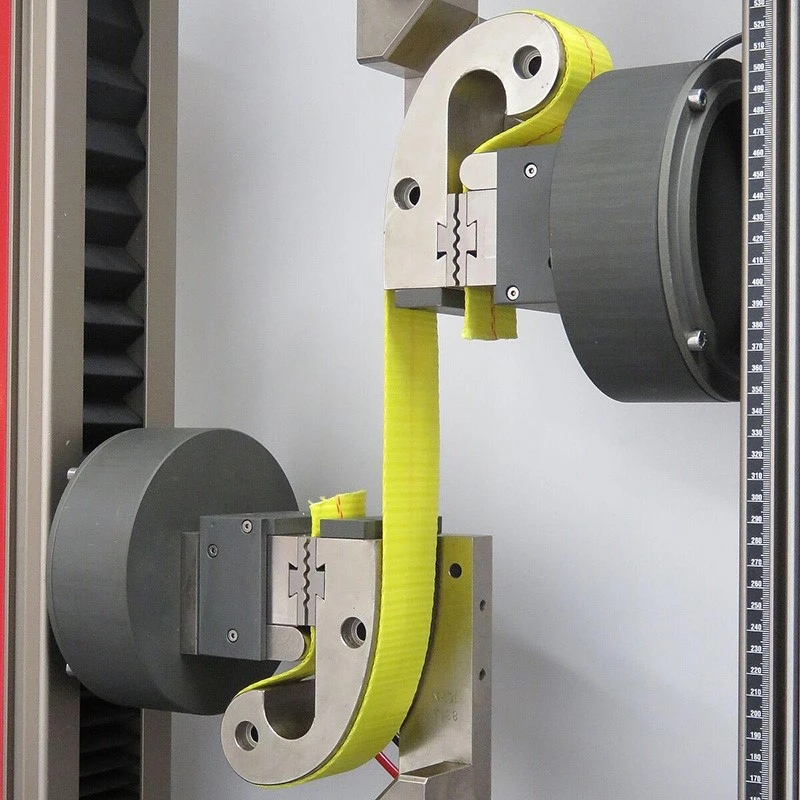
A material specification should not be treated as proof that the finished equestrian product is suitable for use.
Manufacturers should distinguish between material testing and finished-product testing.
Material-level checks may include:
Width and thickness measurement
Surface appearance and coating consistency
Flexibility and handling evaluation
Coating adhesion assessment
Relevant tensile or abrasion testing
Finished-product evaluation may need to consider:
Strap construction and stitching
Hardware attachment
Connection strength
Performance under the intended use conditions
Wear around holes, edges, and adjustment points
The appropriate test method and acceptance criteria depend on the product's intended function and risk level. Equipment used in riding or other safety-relevant applications requires particular care. Buyers should define suitable product-level validation requirements and use qualified testing resources where necessary. A webbing tensile result alone does not establish the safety of a complete bridle or rein.
Prepare a Separate Specification for Each Product Type
Manufacturers developing several equestrian products should avoid using one general material description for every item.
A practical specification sheet can include the following information:
| Specification | Information to Confirm |
|---|---|
| Product application | Halter, rein, bridle, or stable strap |
| Base material | Polyester or nylon |
| Coating | PVC or TPU |
| Width and thickness | Required finished dimensions |
| Surface | Smooth, matte, glossy, or embossed |
| Flexibility | Required handling characteristics |
| Color | Standard or custom color |
| Hardware | Buckle, ring, adjuster, or hook |
| Assembly | Stitching, punching, folding, or other construction |
| Validation | Material checks and finished-product tests |
This approach makes it easier to compare material samples, communicate requirements to suppliers, and maintain consistent product specifications.
Conclusion
Choosing coated webbing for equestrian products requires more than comparing material names or surface appearances. Manufacturers should begin with the function of each product, define the required webbing construction, check hardware compatibility, and establish suitable validation requirements for the finished item.
For B2B buyers developing horse halters, reins, bridles, and related straps, a clear specification helps reduce misunderstandings during material sourcing and product development.
GH Material manufactures PVC and TPU coated webbing and supports customized specifications for different applications. Buyers can share their intended product, required dimensions, material preferences, and reference samples for a project review.
Discuss Your Coated Webbing Requirements with GH Material.
FAQ
Q: Can the same coated webbing be used for all equestrian products?
A: Not necessarily. Halters, reins, bridles, and stable straps may have different requirements. Each application should be evaluated separately.
Q: What information should buyers provide when sourcing equestrian coated webbing?
A: Buyers should provide the intended application, base material preference, width, thickness, coating type, surface finish, color, estimated quantity, and any relevant product or hardware requirements.
Q: Is material tensile strength enough to confirm the safety of equestrian equipment?
A: No. Material tensile strength is only one part of the evaluation. The finished product, including stitching, hardware, connections, and construction, must also be assessed for its intended use.
Q: Can PVC and TPU coated webbing be customized for horse products?
A: Selected specifications can be customized according to project requirements, including dimensions, colors, coating options, and surface finishes. Final suitability should be evaluated against the intended product design.