

How Do Different Sales Channels Influence Pet Product Design Requirements?
Nov 14, 2026
Leave a message
How Do Different Sales Channels Influence Pet Product Design Requirements?
Choosing a pet product design is not only a matter of appearance, materials, or functionality. The way a product will be sold also affects how it should be developed.
A dog leash intended for wholesale distribution may need different specifications from one developed for an e-commerce brand. Similarly, private label buyers may prioritize brand identity, while distributors may focus more on product versatility and market coverage.
For pet product importers and brands, understanding these differences before development can help reduce unnecessary design changes, avoid unsuitable product specifications, and create products that fit their actual sales channels.
Wholesale Channels: Prioritize Repeatability and Practical Product Specifications
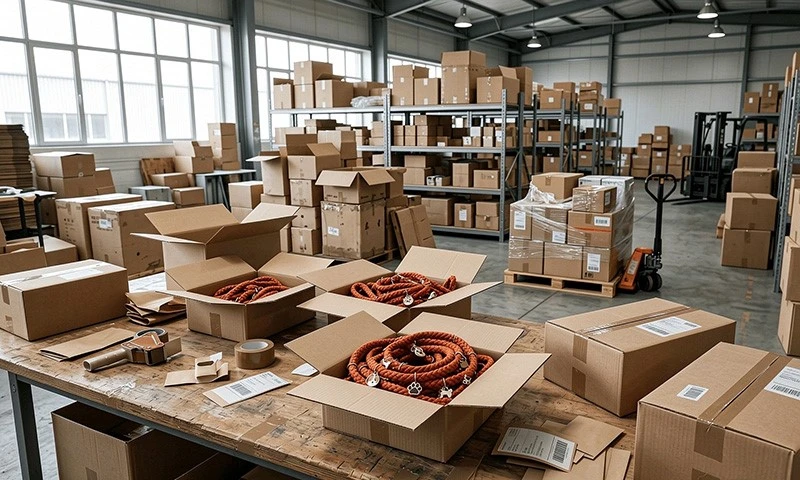
Wholesale buyers usually purchase products in larger quantities and supply multiple retailers or business customers. Their product requirements often focus on consistent specifications, practical functionality, and the ability to replenish popular items.
For products such as dog collars, leashes, and harnesses, wholesale-oriented design considerations may include:
Standardized sizes and adjustable structures
Practical material and hardware combinations
Consistent colors and product dimensions
Product configurations suitable for repeat orders
Specifications that are easy for downstream customers to understand
For example, a wholesale dog collar collection may include several standard widths, colors, and sizes rather than many complicated variations.
This does not mean wholesale products must look basic. The important consideration is whether the design can be manufactured consistently and supplied repeatedly without creating unnecessary purchasing complexity.
Distribution Channels: Consider Market Coverage and Product Versatility
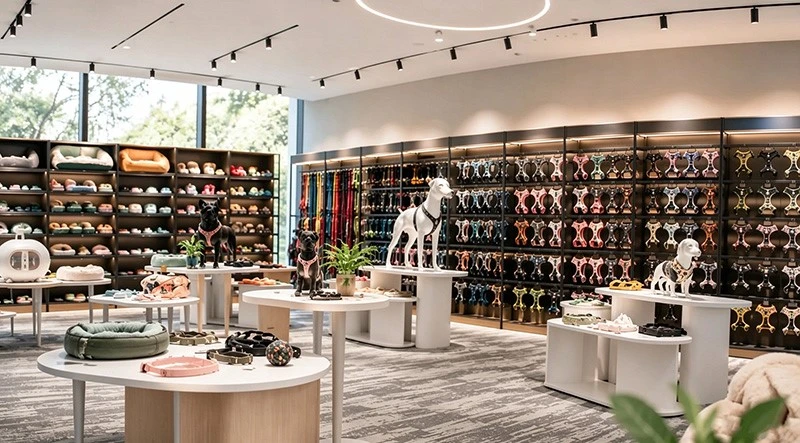
Distributors may supply different retailers, regional markets, or customer groups. Their product requirements can therefore be influenced by the range of customers they serve.
A distributor selling walking accessories, for example, may need products that cover different dog sizes, price levels, and usage preferences.
When developing products for distribution, buyers can consider:
Whether the product range covers the main customer requirements
Whether sizes and configurations are suitable for the intended market
Whether the design can be explained and presented easily to downstream retailers
Whether related products can be offered as complementary items
Whether the product specifications can remain consistent across the range
A distributor may prefer a practical dog harness design that can be offered in several sizes and colors instead of a highly specialized design with limited market applicability.
However, broader coverage should not automatically lead to excessive product variations. Buyers need to balance market coverage with inventory and purchasing considerations.
Private Label Channels: Build Product Identity Into the Design
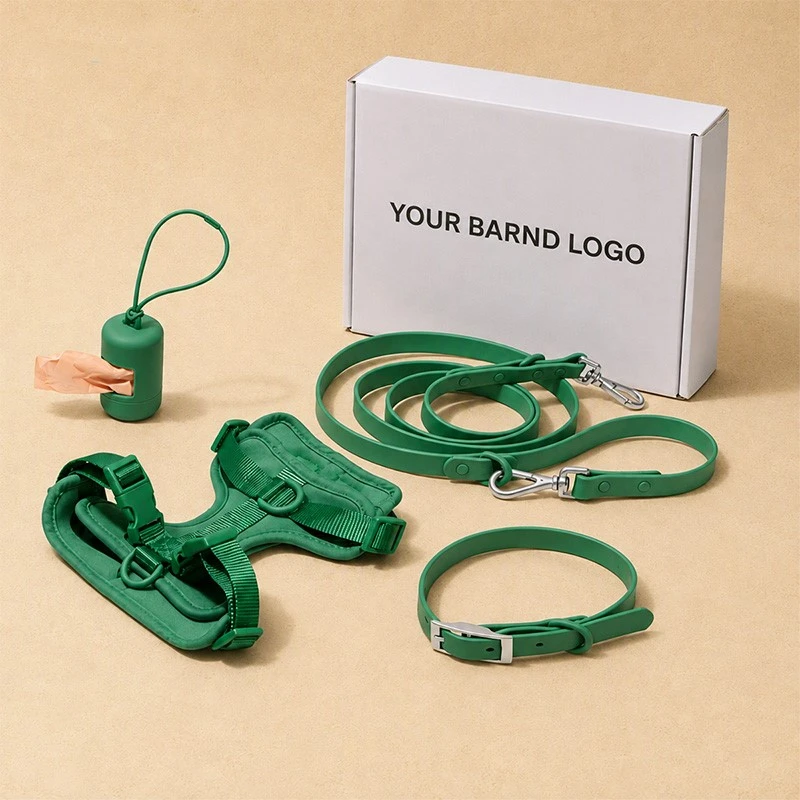
Private label buyers often sell products under their own brand names. Their requirements may extend beyond basic product functionality to include visual identity and differentiation.
For example, two dog leashes may serve the same purpose but differ in their color combinations, surface finishes, hardware appearance, logo placement, and overall presentation.
When developing private label pet products, buyers may need to define:
Brand-related color combinations
Logo placement and application methods
Material appearance and surface finish
Hardware style and color coordination
Product details that distinguish the collection
Packaging and labeling requirements
For PVC or TPU coated webbing products, buyers may explore different colors, widths, thicknesses, and surface finishes to achieve a consistent brand appearance across collars and leashes.
The key is to distinguish meaningful product differentiation from decorative changes that add cost without improving the intended market positioning.
A clear design brief should identify which features are essential to the brand and which can remain standard manufacturing options.
E-commerce Channels: Make Product Features Easy to Understand Online
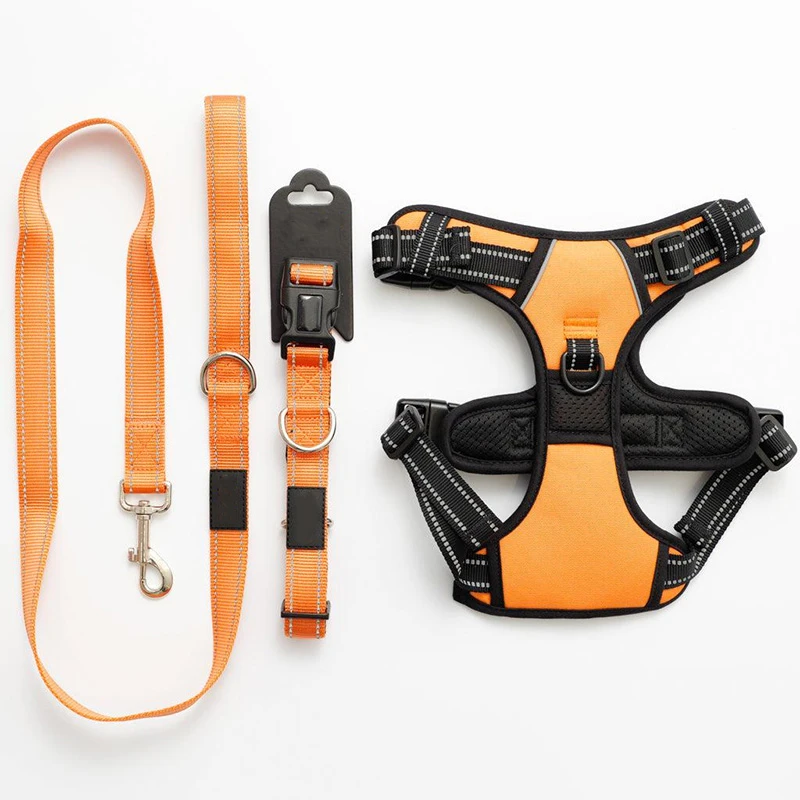
E-commerce customers often evaluate products through product images, descriptions, comparison charts, and online reviews before making a purchase.
For this reason, products developed for e-commerce brands may require particular attention to visual presentation and the clarity of product information.
For dog collars, leashes, and harnesses, useful design considerations can include:
Clearly distinguishable product features
Easy-to-understand size and adjustment information
Product details that can be demonstrated through photographs
Consistent visual appearance across product variations
Packaging suitable for the intended fulfillment process
For example, an adjustable dog harness should have clearly identifiable adjustment points and product dimensions. If buyers cannot easily understand the fit or adjustment method from online images and descriptions, the product may be more difficult to present effectively.
Packaging also deserves attention. Depending on the fulfillment model, e-commerce brands may need to consider package dimensions, product protection, labeling, and storage efficiency.
These requirements should be confirmed during product development rather than added after the product has already entered production.
One Product May Need Different Specifications for Different Channels
A product does not always need a completely different structure for every sales channel. In some cases, a shared base design can support several channels through controlled variations.
Consider a custom dog leash made with PVC or TPU coated webbing.
A wholesale version may use standard colors and hardware configurations to support repeat purchasing. A private label version may include a custom logo, selected colors, or branded hardware. An e-commerce version may require more clearly differentiated product options and packaging information.
The underlying product can remain similar, while selected details are adjusted according to the intended sales channel.
Before approving these variations, buyers should evaluate whether they affect:
Material consumption
Component compatibility
Manufacturing processes
Product dimensions and performance
Minimum order quantities
Production costs and delivery arrangements
Separating essential design requirements from optional variations helps prevent unnecessary product complexity.
Prepare a Channel-Specific Design Brief Before Requesting Samples
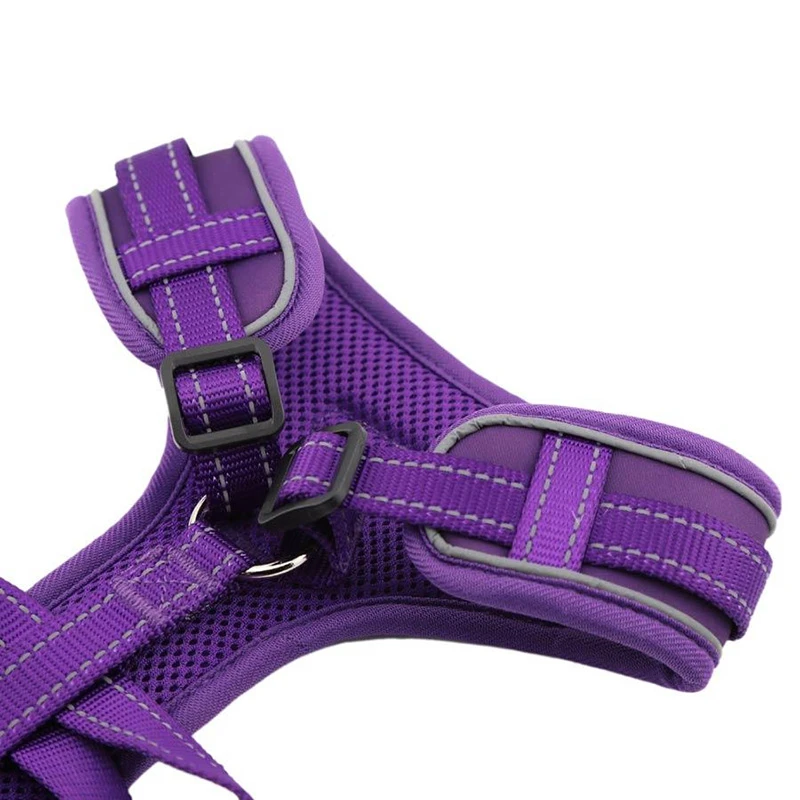
One common development problem is sending a manufacturer a general product idea without explaining how the product will be sold.
A more useful design brief should connect the intended sales channel with actual product requirements.
| Design area | Questions buyers should clarify |
|---|---|
| Target channel | Wholesale, distribution, private label, or e-commerce? |
| Product structure | What functions and configurations are required? |
| Materials | Which materials and finishes fit the intended positioning? |
| Branding | Are logos, custom colors, or branded components needed? |
| Variations | Which sizes, colors, and options are essential? |
| Packaging | What presentation and fulfillment requirements apply? |
| Cost target | Which design features are necessary within the target cost? |
Once these details are defined, buyers can request samples based on a more specific development brief.
This also makes it easier to compare samples with the intended commercial requirements instead of evaluating appearance alone.
Conclusion
Different sales channels can create different expectations for pet product design. Wholesale buyers may prioritize repeatability and practical specifications, distributors may need broader market coverage, private label brands may focus on brand identity, and e-commerce businesses may place greater emphasis on visual presentation and clear product information.
For importers and brands, the most effective approach is to define the sales channel before finalizing product specifications.
At GH Material, we manufacture dog collars, leashes, harnesses, and related pet accessories with OEM and ODM customization options. We also