

How Importers Should Handle Pet Product Quality Claims
Nov 17, 2026
Leave a message
Introduction
Product quality issues can create unexpected costs for pet product importers. When a shipment of dog collars, leashes, harnesses, or other pet accessories arrives with defects, buyers may face customer complaints, delayed distribution, inventory losses, and additional handling expenses.
However, resolving a quality claim with an overseas manufacturer is not simply a matter of requesting a refund or replacement. Importers need to identify the problem, provide clear evidence, review the original order requirements, and communicate with the supplier to determine an appropriate solution.
For businesses sourcing pet products from China, having a structured quality claim process can help protect purchasing investments and maintain long-term supplier relationships.
This article explains how importers can handle product quality claims effectively and work with overseas pet product manufacturers toward practical solutions.
Identify the Exact Nature of the Quality Problem
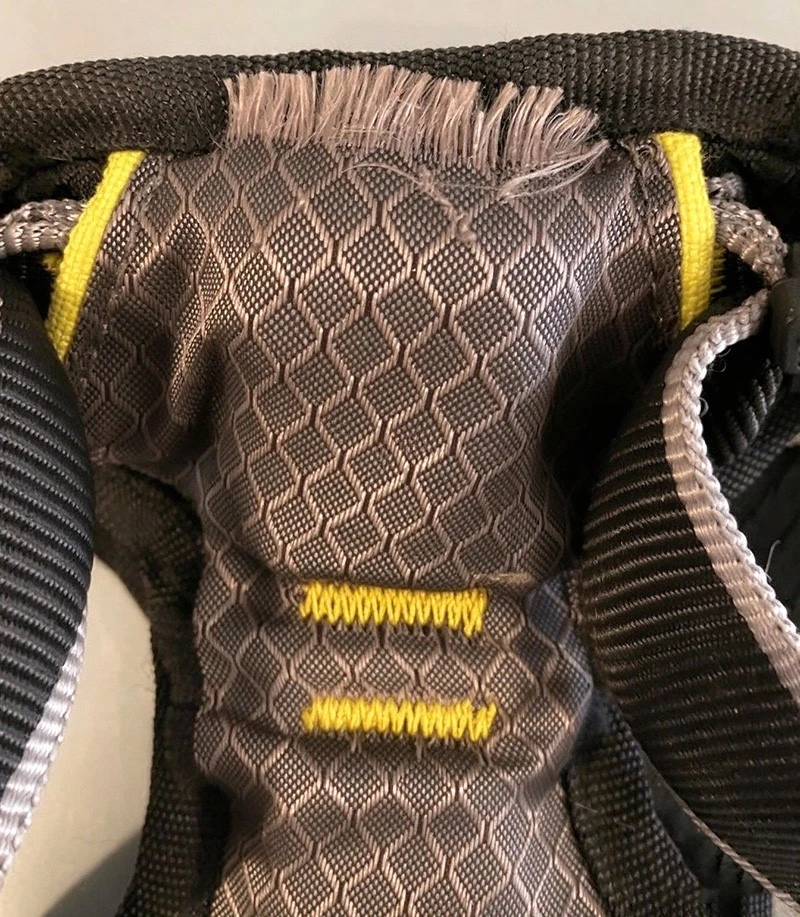
The first step is to understand what went wrong. A general complaint such as "the products are defective" does not provide enough information for a manufacturer to investigate.
Importers should identify the specific product, affected quantity, and type of defect.
For example, common issues involving pet accessories may include:
Material defects: Coated webbing has inconsistent surfaces, unexpected stiffness, or visible imperfections.
Sewing defects: Loose stitching, uneven seams, or incorrectly positioned stitches.
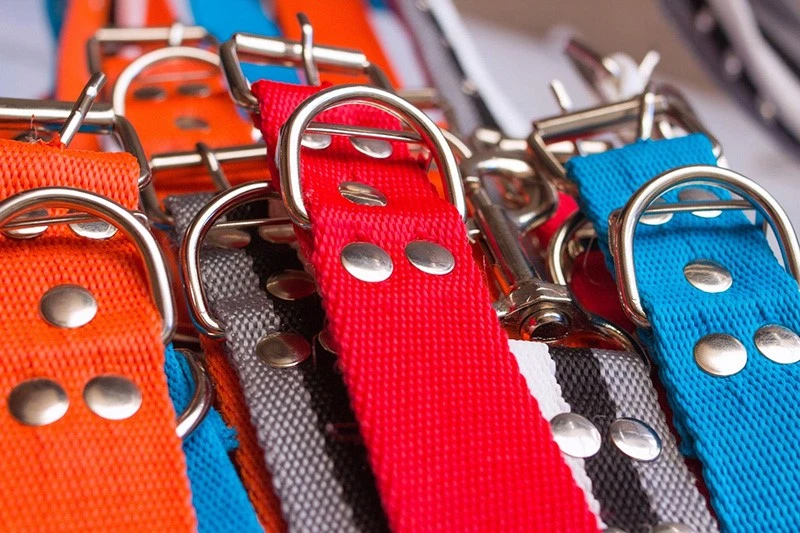
Hardware problems: Buckles, D-rings, or swivel hooks do not function as expected.
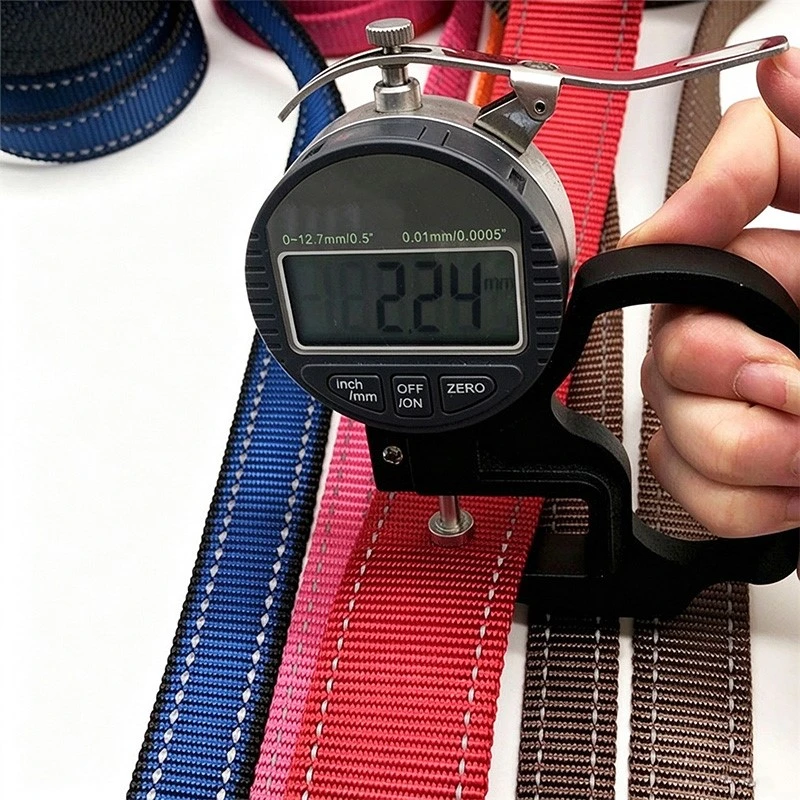
Dimensional inconsistencies: Product measurements differ from the approved specifications.
Assembly problems: Components are incorrectly installed or finished products do not match the approved sample.
Buyers should also determine whether the issue affects the entire shipment or only specific products, sizes, colors, or production batches.
This distinction helps manufacturers investigate the root cause rather than treating every complaint as the same problem.
Collect Evidence Before Contacting the Manufacturer
Clear evidence makes quality claims easier to understand and evaluate.
Before contacting the supplier, importers should prepare the following information:
|
Evidence |
What to Provide |
|---|---|
|
Product photos |
Clear images showing the defect |
|
Videos |
Demonstrations of functional problems |
|
Order information |
Purchase order number and product details |
|
Affected quantity |
Number of defective products |
|
Inspection records |
Incoming inspection results, if available |
|
Approved sample |
Reference for comparing product specifications |
For example, if a batch of dog harnesses has incorrectly positioned adjustment buckles, buyers should photograph the affected areas and indicate how many units have the same problem.
If only a small percentage of products are affected, recording the inspection quantity and defective quantity is particularly useful.
Instead of sending a general complaint, importers should provide measurable information that allows the manufacturer to verify the issue.
Compare the Defects with the Approved Product Requirements
Not every difference between delivered products and buyer expectations automatically qualifies as a manufacturing defect.
Importers should review the original purchasing documents before submitting a formal claim. These may include:
Approved pre-production samples
Product specifications and technical drawings
Confirmed material and color requirements
Logo placement and customization details
Packaging and labeling instructions
Written agreements regarding acceptable tolerances
For customized pet products, the approved sample is particularly important.
For example, if an importer ordered PVC-coated dog leashes with a specific width, color, and hardware configuration, the delivered products should be evaluated against those confirmed requirements.
If the buyer changes a design detail after sample approval but does not update the production instructions, disagreements may arise.
A clear approval process helps both parties establish which requirements were confirmed before mass production.
Communicate the Quality Claim Clearly and Professionally
Once the evidence and order requirements have been reviewed, importers should submit a structured quality claim to the manufacturer.
A useful claim should include four essential elements:
Problem description: Explain exactly what is wrong.
Affected quantity: Specify how many products are involved.
Supporting evidence: Attach photographs, videos, and inspection records.
Expected resolution: Explain what type of solution the buyer is requesting.
For example, an importer receiving 2,000 dog collars may discover that 120 units have incorrectly attached buckles.
Rather than simply requesting compensation, the buyer should provide the order reference, defective quantity, photographs, and the inspection results.
This allows the manufacturer to check assembly records, review the relevant production process, and determine whether the problem originated during manufacturing.
Importers should also establish a reasonable response timeline, especially when the affected products are scheduled for retail distribution or customer delivery.
Agree on a Practical Resolution
After reviewing the claim, the importer and manufacturer should discuss an appropriate corrective solution.
The best option depends on the type of defect, the affected quantity, production costs, shipping arrangements, and the urgency of the order.
Common resolution options include:
|
Resolution |
When It May Be Suitable |
|---|---|
|
Replacement products |
Defective products cannot be repaired economically |
|
Rework or repair |
The issue can be corrected without replacing the entire product |
|
Replacement components |
Only buckles, hooks, or other accessories are defective |
|
Credit or compensation |
Both parties agree on an appropriate financial adjustment |
|
Partial refund |
The affected products cannot meet the original requirements |
For example, if a shipment of dog leashes has a hardware assembly issue, replacing the affected components may be more practical than reproducing the entire order.
However, if the problem involves incorrect materials or dimensions throughout a significant portion of the shipment, replacement production may be more appropriate.
Importers should confirm the agreed solution in writing, including quantities, responsibilities, additional costs, and completion dates.
This prevents misunderstandings during the resolution process.
Determine the Root Cause Before Placing the Next Order
Resolving the immediate claim is important, but preventing the same issue from happening again is equally valuable.
Importers should ask manufacturers to investigate the cause of recurring or significant defects.
Possible causes include:
Incorrect production instructions
Material variations between suppliers or production runs
Improper equipment settings
Inconsistent assembly procedures
Insufficient in-process inspection
Incorrect packaging or handling
For example, if stitching problems repeatedly appear in customized dog harnesses, the manufacturer may need to review sewing procedures, operator instructions, and inspection checkpoints.
The investigation should result in specific corrective actions rather than a general promise to improve quality.
For repeat orders, buyers can request confirmation that the relevant production instructions or inspection procedures have been updated.
This is particularly important for importers managing multiple product styles and recurring wholesale orders.
Establish Clear Quality Claim Terms for Future Orders
Importers should not wait until a problem occurs to discuss how quality claims will be handled.
Before confirming a bulk purchase, buyers and manufacturers should establish clear expectations regarding:
Product specifications and approved samples
Inspection standards and acceptance criteria
Inspection timing and reporting procedures
Procedures for reporting defects
Responsibilities for replacement, rework, or compensation
Agreed timelines for resolving claims
Where appropriate, these requirements should be included in the purchase agreement or other written order documentation.
Buyers should also distinguish between manufacturing defects, transportation damage, and problems resulting from storage or product handling.
These issues may involve different responsibilities and should not automatically be treated as the manufacturer's fault.
A clear agreement gives both parties a more consistent basis for handling disputes and protecting future business cooperation.
Conclusion
Product quality claims are an important part of international pet product sourcing. For importers, the goal should not simply be to obtain compensation after receiving defective goods, but to establish a reliable process for identifying problems, verifying responsibility, and preventing recurring defects.
By collecting clear evidence, comparing delivered products with approved requirements, communicating specific expectations, and agreeing on practical corrective actions, buyers can resolve quality issues more efficiently.
Choosing an overseas pet product manufacturer that takes quality feedback seriously is also important. A supplier's ability to investigate problems, communicate openly, and implement improvements can influence the reliability of future orders.
For importers planning long-term cooperation, quality claim management should be considered part of supplier evaluation rather than an after-sales issue alone.
Frequently Asked Questions
Q: What Should Importers Do First When Receiving Defective Pet Products?
A: Importers should document the defects, identify the affected quantities, take photographs or videos, and compare the products with the approved samples and order specifications before contacting the manufacturer.
Q: Can Importers Request Replacement Products Instead Of A Refund?
A: Yes. Replacement production may be an appropriate solution when defects are confirmed and the products cannot be repaired economically. The final arrangement should be agreed upon by both parties.
Q: What Information Should Be Included In A Pet Product Quality Claim?
A: A quality claim should include the purchase order number, product specifications, defect descriptions, affected quantities, supporting evidence, and the requested resolution.
Q: How Can Importers Reduce Quality Disputes With Overseas Manufacturers?
A: Buyers can reduce misunderstandings by confirming product specifications, approving samples before mass production, defining inspection requirements, and documenting quality claim procedures before placing orders.
Q: Why Is Root Cause Analysis Important After A Quality Claim?
A: Root cause analysis helps manufacturers identify why defects occurred and implement corrective actions. This reduces the risk of similar problems affecting future production orders.
Call to Action
Looking for a reliable manufacturer for customized pet collars, leashes, and harnesses?
GH Material provides OEM and ODM pet product manufacturing services for overseas brands, importers, and wholesalers. We focus on product customization, production coordination, and quality inspection to support customers' bulk purchasing requirements.
Contact our team to discuss your product specifications and sourcing requirements.