

How Does Product Weight Influence the User Experience of Pet Accessories
Nov 16, 2026
Leave a message
How Does Product Weight Influence the User Experience of Pet Accessories?
Product weight is an important design consideration for pet accessories, but it is often evaluated alongside appearance, material selection, and durability rather than as an independent product requirement. For pet product brands and importers, the weight of a collar, leash, or harness can influence how comfortable a product feels, how easily it can be handled, and whether it is suitable for different types of dogs.
A product that feels lightweight in one application may be unsuitable in another. Similarly, reducing weight does not automatically improve product quality. Hardware, webbing construction, stitching, and overall product structure must work together to achieve the intended balance.
For brands developing private label pet accessories, understanding the relationship between product weight and everyday use can help establish more appropriate specifications before mass production.
Why Product Weight Matters in Pet Accessories
Product weight influences several aspects of the user experience, including wearing comfort, movement, handling, and convenience.
For wearable products such as dog collars and harnesses, excessive weight may create an uncomfortable feeling, particularly when accessories are worn for extended periods. The effect can become more noticeable when products include multiple metal components, thick materials, or additional structural features.
For walking accessories such as dog leashes, weight affects how the product feels in the owner's hand. A heavier leash may feel substantial, but it can also become less convenient during extended walks.
The intended application should therefore determine the acceptable weight range rather than treating lightweight construction as a universal design objective.
How Weight Affects Different Types of Pet Accessories
Different pet accessories have different functional requirements. Weight should be evaluated according to the product's structure and intended use.
Dog Collars: Balancing Wearing Comfort and Construction
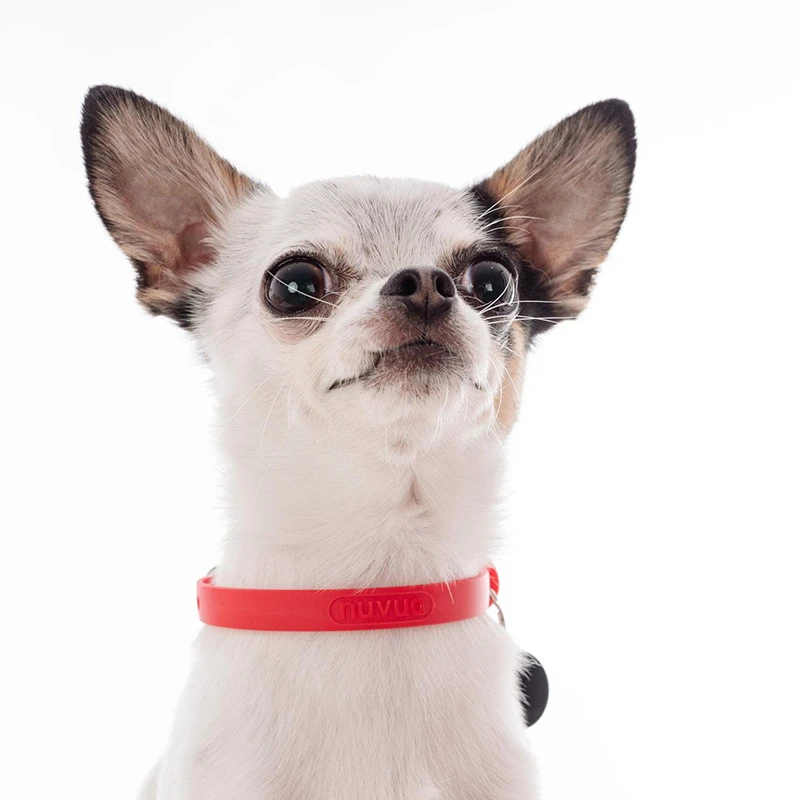
Dog collars remain in contact with a dog's neck during everyday activities. Their weight is influenced by the webbing material, width, thickness, buckle, D-ring, and adjustment components.
A collar designed for smaller dogs may benefit from a relatively lightweight structure with appropriately sized hardware. Large or heavy-duty collars, however, may require more substantial components depending on their intended application.
Reducing the weight of a collar should not involve selecting hardware or materials that are unsuitable for its intended use.
Brands should evaluate the complete assembled product rather than considering the weight of the webbing alone.
Dog Leashes: Handling and Everyday Convenience
Leash weight affects both portability and handling.
A lightweight leash may be convenient for everyday walking, travel, and extended outdoor activities. However, a leash designed for larger dogs or specific heavy-duty applications may require stronger hardware and a different construction.
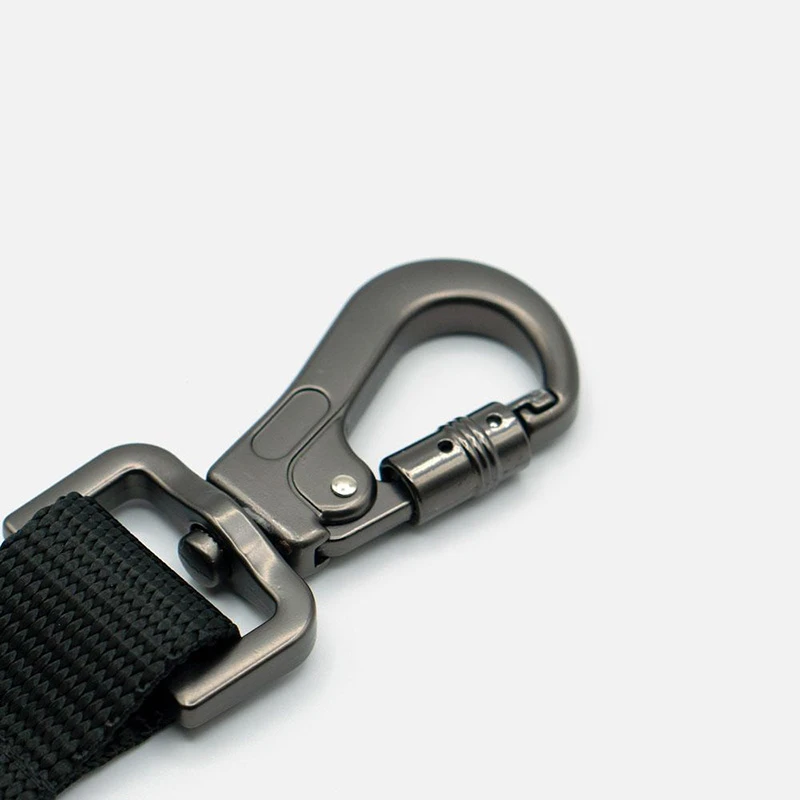
The weight of the handle, swivel hook, adjustment components, and webbing should be considered together.
For example, a leash with a relatively lightweight strap but an oversized metal hook may still feel heavy during use. This illustrates why product weight should be assessed across the complete assembly.
Dog Harnesses: Weight Distribution and Movement
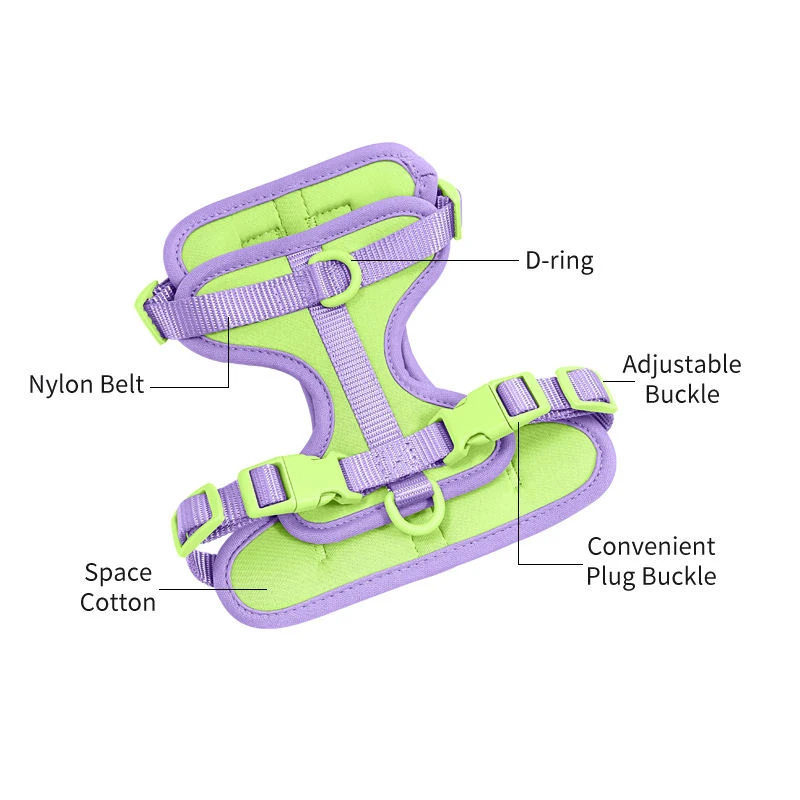
Harnesses generally contain more structural components than collars and leashes. Their weight depends on webbing, fabric panels, buckles, adjustment hardware, stitching, and other construction details.
A harness that is unnecessarily heavy may affect how comfortable it feels during movement. However, simply reducing material thickness or removing structural components may compromise the intended fit or construction.
For OEM and private label development, brands should consider where weight is concentrated and whether the distribution is appropriate for the product's intended use.
What Determines the Weight of a Pet Accessory?
Several manufacturing and design factors contribute to the final weight of a pet accessory.
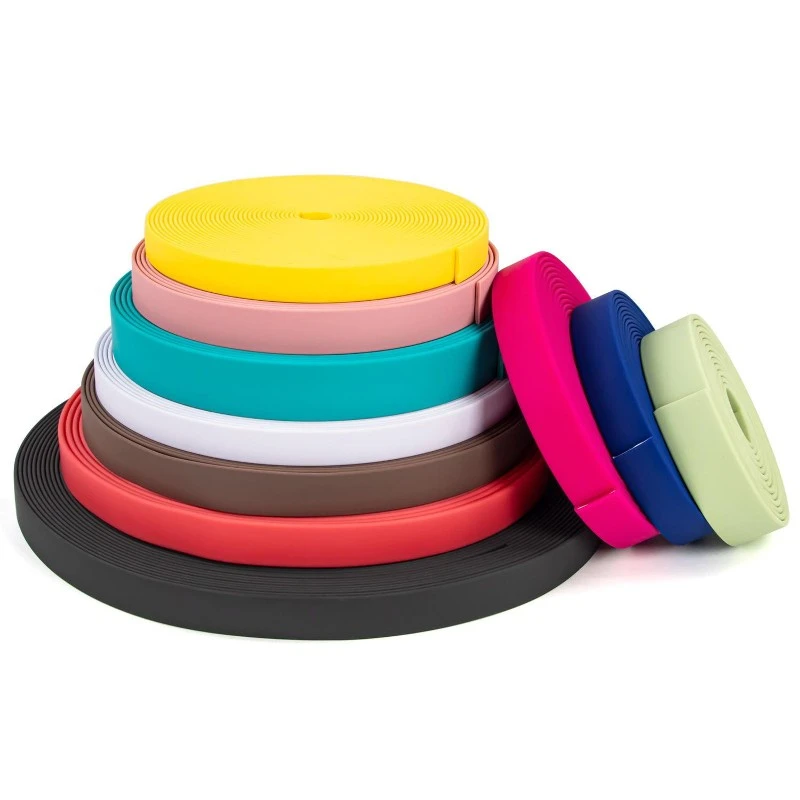
Material Selection
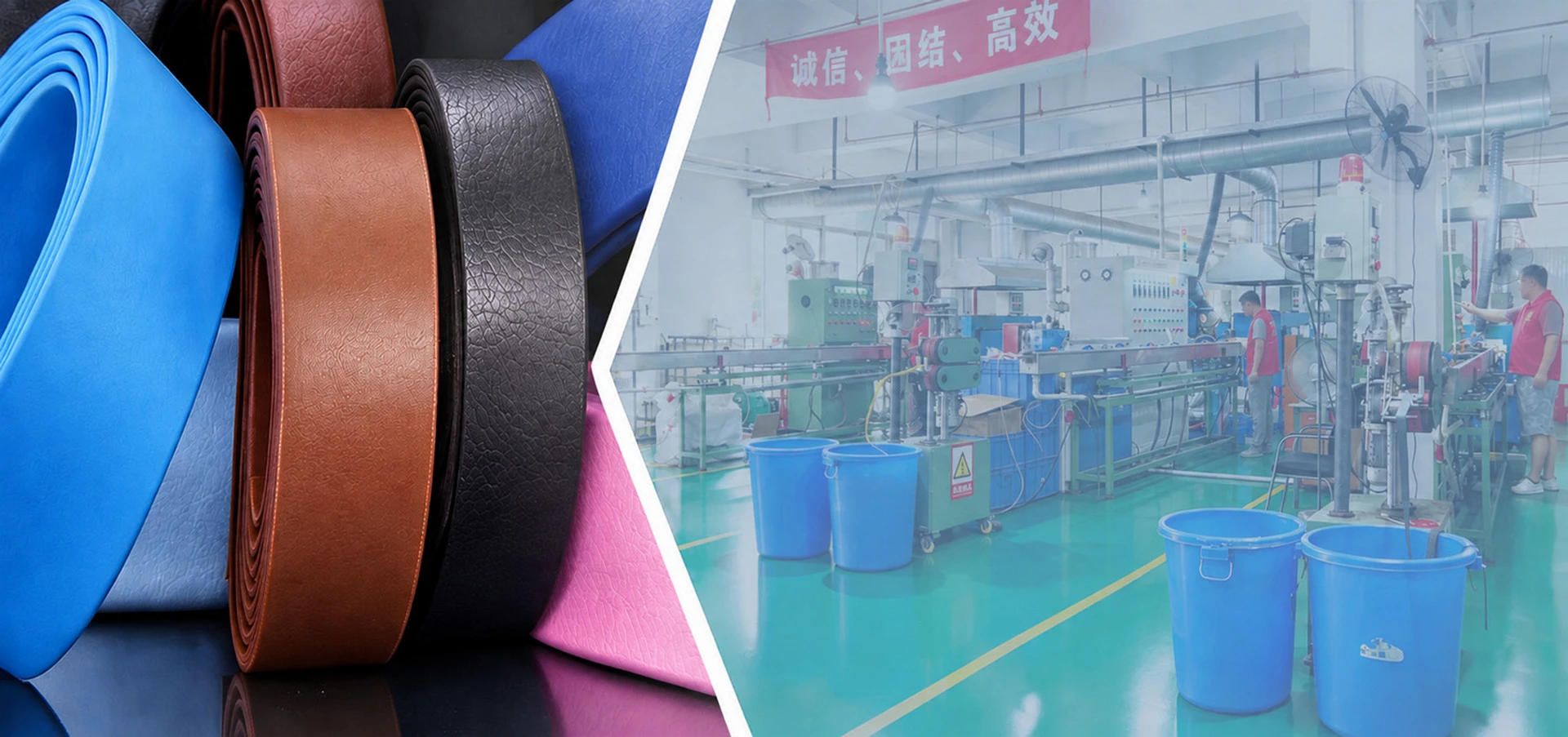
Different materials have different densities and structural properties. PVC and TPU coated webbing, for example, can be produced with different thicknesses and constructions.
The weight of coated webbing depends on its base fabric, coating thickness, width, and overall construction.
A heavier material is not automatically stronger or more suitable. Material selection should reflect the product's intended application and performance requirements.
Hardware Configuration
Metal buckles, D-rings, swivel hooks, and adjustment components can contribute significantly to the total weight of an assembled product.
Hardware size and material should be selected according to functional requirements rather than appearance alone.
Using appropriately sized components can help avoid unnecessary weight without sacrificing the intended product structure.
Product Construction
Stitching patterns, reinforced sections, layered materials, and additional functional components can all affect finished product weight.
For example, a harness with multiple adjustment points may require more components than a basic design.
Brands should evaluate whether each additional feature provides meaningful functional value.
How Should Brands Evaluate Product Weight During Development?
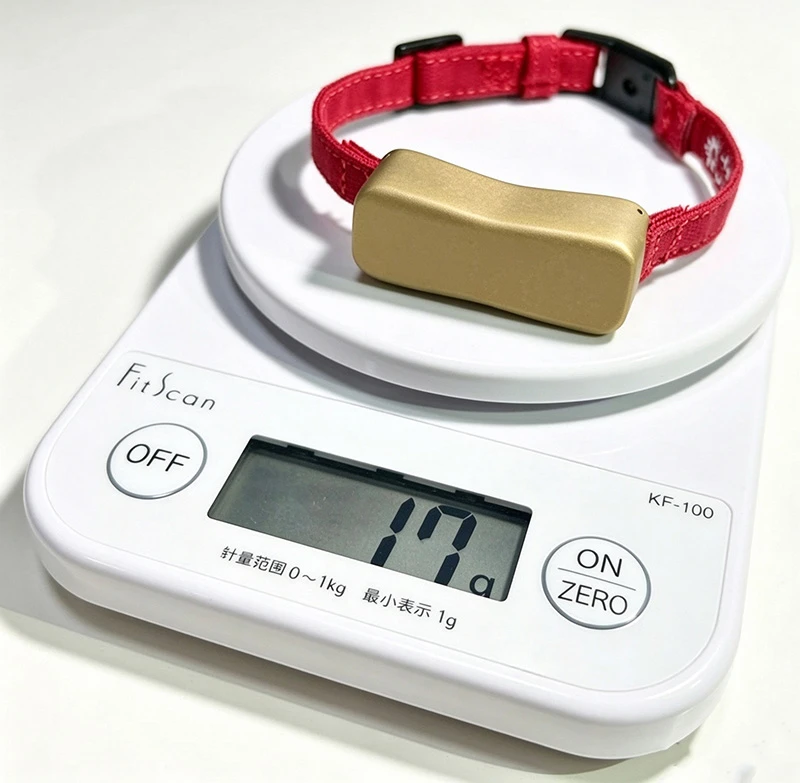
Product weight should be considered during product development rather than adjusted only after a sample has been completed.
A practical evaluation process can include the following steps.
First, define the intended application.
Identify the target dog size, product category, expected usage, and intended market positioning. A lightweight everyday leash and a heavy-duty leash should not necessarily follow the same weight requirements.
Second, establish a reference specification.
Record the expected product dimensions, materials, hardware configuration, and target weight. This creates a measurable reference for sample evaluation.
Third, evaluate the complete sample.
Measure the finished product rather than estimating weight from individual components. For products with different sizes, record the weight of each size separately.
Fourth, assess practical handling and wearing comfort.
Evaluate whether the product feels appropriate for its intended application. For collars and harnesses, consider fit and movement. For leashes, consider grip, handling, and convenience.
Finally, confirm the specification before bulk production.
Once the sample is approved, document the material, dimensions, hardware, construction, and acceptable weight range. This helps reduce unexpected differences between approved samples and subsequent production batches.
Why Lightweight Design Should Not Compromise Product Performance
One common development mistake is treating weight reduction as the primary objective.
Removing material, selecting smaller hardware, or simplifying construction may reduce the finished product weight, but these changes can also affect durability, functionality, and the overall user experience.
For example, reducing the size of a leash hook may make the product lighter, but the selected component must still be appropriate for the intended application.
Similarly, using thinner coated webbing may reduce material weight, but its flexibility, strength, and suitability for the product structure should also be evaluated.
The better approach is to identify unnecessary weight rather than remove components that serve an important function.
For pet product brands, the goal should be a balanced design that considers comfort, handling, structural requirements, and manufacturing consistency.
What Should Buyers Include in a Product Weight Specification?
When working with an OEM or ODM manufacturer, buyers should communicate weight expectations as part of the product specification.
Useful information includes:
Product category and intended application.
Target dog size or product size range.
Preferred material and webbing dimensions.
Hardware type, size, and material.
Target finished product weight.
Acceptable weight variation, if defined.
Functional and structural requirements.
For products available in multiple sizes, buyers should avoid applying one fixed weight target to every version. Larger sizes may naturally require more material and different hardware configurations.
Clear specifications help manufacturers evaluate whether the requested design is practical and identify potential adjustments before production begins.
Conclusion
Product weight is more than a numerical specification. It influences how pet accessories feel, how easily they are handled, and how well their construction supports their intended applications.
For pet product brands, the most effective approach is to evaluate weight alongside material selection, hardware configuration, product structure, and everyday functionality.
By defining weight expectations during product development and checking complete samples before mass production, buyers can create pet accessories that balance comfort, usability, and product performance.
At GH Material, we support custom pet product development, including dog collars, leashes, harnesses, and PVC/TPU coated webbing. Buyers can discuss their product dimensions, material preferences, hardware requirements, and target specifications with our team when developing new product ranges.
Frequently Asked Questions
Q: Does A Lighter Pet Accessory Always Provide Better Comfort?
A: No. Comfort depends on product fit, construction, material flexibility, hardware, and intended use. A lightweight product may be convenient, but it must still meet its functional requirements.
Q: Which Components Contribute Most To The Weight Of A Dog Collar?
A: The webbing, buckle, D-ring, and adjustment hardware all contribute to finished collar weight. Their individual contributions depend on the product's dimensions and construction.
Q: Should Dog Leashes And Collars Have The Same Weight Requirements?
A: No. Collars are worn around the neck, while leashes are held and handled by the user. Their weight requirements should reflect different functional considerations.
Q: How Can Manufacturers Control The Weight Of Custom Pet Products?
A: Manufacturers can document material specifications, product dimensions, hardware configurations, and finished sample weights. These references help maintain consistency during production.
Q: Should Product Weight Be Included In An OEM Product Specification?
A: Yes. Including a target weight or acceptable range can help manufacturers evaluate the design, select suitable components, and confirm product consistency before bulk production.