

Why Do Functional Upgrades Fail To Create A Competitive Advantage For Pet Accessory Brands?
Nov 26, 2026
Leave a message
In the competitive pet accessories market, brands are constantly looking for ways to improve their products. New adjustment systems, upgraded hardware, multifunctional designs, and enhanced comfort features are often introduced to make products more attractive.
However, adding more functions does not necessarily make a product more competitive.
For pet accessory brands, the real challenge is not simply developing products with additional features. It is identifying improvements that customers recognize as valuable, that distinguish the product from competing alternatives, and that support the brand's commercial positioning.
For importers, wholesalers, and private-label businesses, understanding this difference is important when deciding which product innovations deserve investment.
Functional Features Are Becoming Easier for Competitors to Copy

One reason functional upgrades fail to create a lasting advantage is that many product improvements are relatively easy for competing brands to adopt.
For example, adjustable straps, quick-release buckles, reflective details, padded sections, and additional attachment points can improve the usability of dog collars, leashes, and harnesses.
However, once these features become widely available, they are less likely to distinguish one brand from another.
If several competing products offer similar functions, customers may begin comparing them primarily through price, appearance, material quality, and brand reputation.
The original innovation then becomes a basic market expectation rather than a unique selling point.
For brands developing custom dog collars, differentiation should go beyond adding another visible feature. Product construction, material selection, and the overall design need to support a clear market position.
An improvement makes a product better in a particular way. Differentiation gives customers a recognizable reason to choose one product over another.
Therefore, brands should evaluate whether a proposed feature creates a meaningful advantage that competitors cannot easily reproduce through minor design changes.
Additional Functions Do Not Always Solve Important Customer Problems

Another common mistake is introducing features without clearly identifying the problems they are intended to solve.
A product may look more advanced after several functional additions, but customers may not consider those additions important enough to influence their purchasing decisions.
For example, a dog leash could incorporate multiple attachment points, extra adjustment options, or additional accessories. These features may increase its versatility, but their value depends on whether the intended customers actually need them.
The same principle applies to dog harnesses.
Adding more adjustment components may create additional design possibilities, but the improvement only matters if it addresses a recognizable need in the product's intended application.
Brands should therefore distinguish between features that look innovative and features that deliver practical benefits.
A useful way to evaluate an upgrade is to ask:
What specific customer problem does this feature address?
How frequently does the problem occur?
Is the improvement noticeable during normal product use?
Would customers choose this product over an alternative because of this feature?
If these questions cannot be answered clearly, the commercial value of the upgrade may be limited.
Higher Product Costs Can Reduce the Commercial Value of Innovation
Functional upgrades often introduce additional development and manufacturing costs.
New components, more complicated structures, additional assembly operations, or specialized materials may increase the cost of producing a finished pet accessory.
These costs can create difficulties when brands attempt to position upgraded products at higher price points.
A feature may improve the product technically, but the market may not recognize enough additional value to justify the higher selling price.
This is particularly important in categories where customers can easily compare similar products.
According to Grand View Research's 2026 pet accessories market report, collars, leashes, and harnesses accounted for 31.7% of the global pet accessories market in 2025. The category represents a substantial commercial opportunity, but competition also requires brands to establish clear product value rather than relying on additional features alone.
For brands, the commercial evaluation should consider three factors:
Development investment: Does the new feature require additional design work, components, tooling, or production adjustments?
Price acceptance: Can the target market support the proposed retail or wholesale price?
Competitive positioning: Does the finished product offer a sufficiently recognizable benefit compared with existing alternatives?
An upgrade becomes commercially attractive when its additional value is meaningful relative to the investment required.
Too Many Features Can Make Product Positioning Less Clear

Product innovation can also create a positioning problem when brands attempt to combine too many functions into one product.
A dog harness designed around comfort, outdoor performance, convenience, and multiple accessories may appear attractive during development. However, combining numerous selling points can make it difficult to communicate the product's primary purpose.
Customers may struggle to understand what makes the product particularly suitable for them.
This can also make product differentiation less focused.
For example, a brand targeting everyday dog walking may benefit more from a clearly communicated comfort-oriented product than from a design containing numerous unrelated features.
Similarly, an outdoor-focused product collection should have a recognizable purpose that connects its design, construction, and intended applications.
A stronger product strategy often starts with one primary customer benefit and uses supporting features to reinforce it.
Rather than asking how many functions can be added, brands should ask which functions contribute most directly to their intended market position.
Functional Innovation Must Be Supported by Consistent Product Performance

A feature may look impressive in a product presentation but still fail to create customer value if its performance is inconsistent.
For example, an upgraded adjustment structure should remain practical during repeated use. Additional hardware should be suitable for its intended application. Changes to product construction should not compromise the performance of other components.
This is particularly important for products involving multiple materials and assembled components.
In dog collars, leashes, and harnesses, the final product depends on the interaction between webbing, hardware, stitching, adjustment structures, and assembly methods.
A design improvement should therefore be evaluated as part of the complete product rather than as an isolated component.
Manufacturing feasibility also matters. A feature that requires complicated assembly or highly specialized components may be difficult to reproduce consistently across different production batches.
For brands developing private-label collections, manufacturing partners should understand the intended function of each design element and how it affects the finished product.
This helps ensure that product innovation translates into reliable commercial products rather than attractive development samples.
How Can Brands Identify Functional Upgrades Worth Investing In?

Successful product innovation requires more than collecting new design ideas. Brands need a clear way to distinguish commercially valuable improvements from unnecessary complexity.
Before introducing a new feature, businesses should evaluate the following questions:
Customer relevance
Does the improvement address a specific and recognizable customer requirement?
Market differentiation
Does it create a meaningful distinction from competing products?
Commercial feasibility
Can the additional development and manufacturing costs be supported by the intended selling price?
Product consistency
Can the feature be manufactured reliably and maintained across future production?
Brand positioning
Does the improvement strengthen the brand's existing product identity or create a clear opportunity to reach a new customer segment?
These considerations help brands prioritize innovations according to their actual commercial potential.
Instead of upgrading every product in a collection, businesses can focus on selected products where functional improvements are most likely to create recognizable value.
Conclusion
Functional upgrades are not automatically a source of competitive advantage in the pet accessories industry.
As similar features become increasingly available across competing products, brands need to look beyond the number of functions incorporated into a design.
The most valuable innovations address identifiable customer needs, create meaningful product differentiation, support the intended price positioning, and remain practical to manufacture consistently.
For pet accessory brands, importers, and wholesalers, the objective should be to develop products that offer a clear reason for customers to choose them, rather than simply introducing more complicated designs.
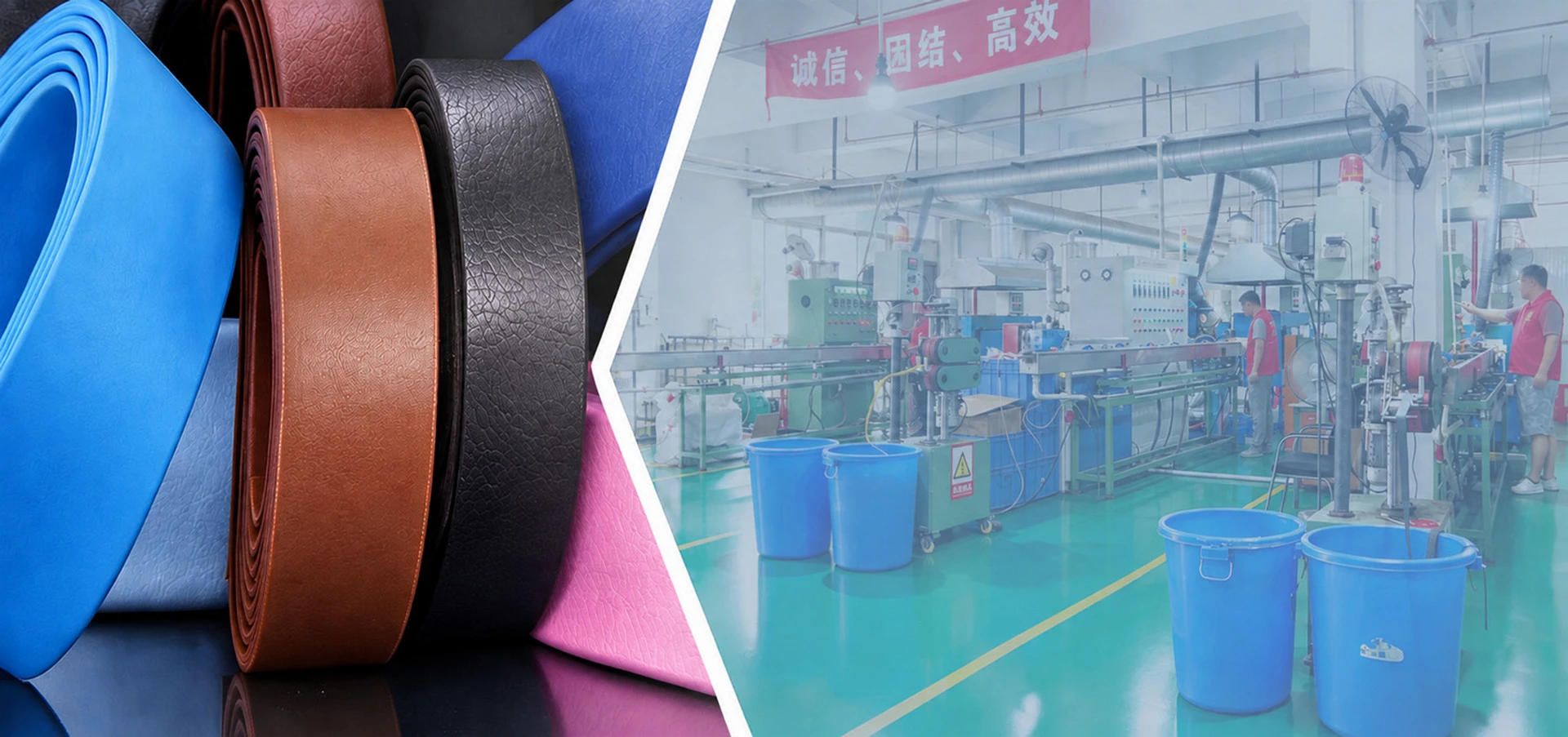
At GH Material, we support the development and manufacturing of customized dog collars, leashes, harnesses, and related pet accessories. Our capabilities include product customization and in-house PVC and TPU coated webbing production.
By considering product requirements, material selection, construction, and manufacturing feasibility together, brands can explore product improvements that are better aligned with their commercial objectives.
Planning to develop or upgrade your pet accessory collection?
Contact GH Material to discuss your OEM/ODM requirements and explore suitable manufacturing solutions for your product range.
Frequently Asked Questions
Q: Do More Features Make Pet Accessories More Competitive?
A: Not necessarily. Additional features create value only when they address customer needs, improve product usability, or provide a recognizable advantage over competing products.
Q: Why Do Some Innovative Pet Products Fail Commercially?
A: Some products fail because their features do not address important customer needs, their selling prices exceed perceived value, or their differentiation is too limited to influence purchasing decisions.
Q: What Makes A Pet Accessory Feature Commercially Valuable?
A: A commercially valuable feature should provide a meaningful customer benefit, support the product's positioning, and justify its development and manufacturing costs.
Q: How Can Brands Differentiate Dog Collars, Leashes, And Harnesses?
A: Brands can differentiate products through purposeful design, suitable materials, recognizable applications, construction details, and features that address specific customer requirements.
Q: What Role Do Manufacturers Play In Functional Product Innovation?
A: Manufacturers help evaluate material suitability, component selection, product construction, assembly requirements, and production feasibility. Their involvement can help brands translate product concepts into consistent finished products.