

What Makes Pet Accessories Worth Paying More For?
Nov 26, 2026
Leave a message
What Makes Pet Accessories Worth Paying More For? Understanding the Value Priorities of Today's Buyers
Price competition has become an increasingly important challenge for pet accessory brands. As consumers pay closer attention to household spending, brands face greater pressure to demonstrate why their products deserve a particular price.
However, competing on price alone is not necessarily a sustainable strategy.
Recent consumer research suggests that pet owners evaluate accessories through several dimensions, including safety, quality, durability, and affordability. For manufacturers and product brands, this creates an important development question: which product characteristics genuinely influence purchasing decisions, and where should investment be concentrated?
Understanding these priorities can help B2B buyers develop products with clearer market positioning instead of simply reducing specifications to achieve a lower price.
1. Why Is Product Value Becoming More Important Than Price Alone?
According to a 2026 survey reported by GlobalPETS, involving 2,708 pet owners across seven countries, including the United States and Canada, 72% considered pet safety an important purchasing factor, while 71% highlighted product quality and durability. Price was also important, cited by 60% of respondents.
These findings show that price is part of a broader purchasing decision.
For pet accessory brands, this means that a lower-priced product does not automatically represent better value. Buyers may still be willing to consider a more expensive option when its construction, practical benefits, and expected service life justify the additional cost.
This distinction is particularly relevant to collars, leashes, and harnesses. These products are used repeatedly and involve direct interaction with pets and their owners.
If a product offers little differentiation beyond appearance, a higher selling price may be difficult to justify. By contrast, clearly demonstrated improvements in construction, usability, and material quality can provide a stronger value proposition.
2. Which Product Characteristics Should Brands Prioritize?
Not every product feature contributes equally to perceived value. Brands should understand which characteristics matter most to their target customers.
Safety and Reliable Construction
Safety was the highest-ranked consideration in the GlobalPETS survey.
For dog collars, leashes, and harnesses, this makes product construction an important part of the value proposition.
Relevant development considerations include:
Appropriate hardware selection for the intended application.
Secure connections between straps and attachment components.
Suitable stitching and reinforcement arrangements.
Product dimensions that correspond to the intended use.
Appropriate evaluation of the finished product's performance.
These details should be considered during product development rather than treated as final-stage inspection items.
Brands also need to ensure that product claims are supported by appropriate testing. A visually attractive product should not be marketed as safer or stronger without adequate evidence.
Quality and Durability
Product durability can influence both customer satisfaction and the commercial reputation of a brand.
For webbing-based pet accessories, the finished product depends on several interconnected elements.
Webbing quality, stitching consistency, hardware compatibility, and overall assembly all contribute to the final result.
For example, selecting a suitable coated webbing material is only one part of product development. The connection points, stitching construction, and hardware arrangement must also be appropriate for the intended application.
Brands should therefore evaluate finished-product quality rather than relying exclusively on individual material specifications.
Practical Functionality
A product can have good materials and attractive appearance but still provide limited value if its design does not suit everyday use.
For example, adjustment convenience, handling, hardware operation, and compatibility between components can influence how customers perceive a leash or harness.
These characteristics may not always be visible in product photographs, but they can become important reasons for repeat purchases and positive customer feedback.
3. Why Should Brands Avoid Reducing Specifications Without Evaluating the Impact?
When cost pressure increases, reducing material or component specifications may appear to be a straightforward solution.
However, changes made without understanding their impact can weaken the product's value proposition.
Consider a customized dog leash.
A manufacturer and brand may review several possible cost adjustments:
Changing the webbing specification.
Revising the hardware configuration.
Adjusting the width or thickness.
Modifying stitching or reinforcement details.
Simplifying non-essential decorative elements.
These changes do not have identical consequences.
Some adjustments may reduce unnecessary complexity without affecting the product's main purpose. Others may influence handling, durability, or the suitability of the finished accessory.
The important task is to distinguish between specifications that support the product's core value and features that contribute relatively little to the customer's purchasing decision.
A more effective cost-control process begins with understanding the intended application and evaluating alternative constructions before approving changes.
4. How Can Manufacturers Help Brands Deliver Better Product Value?
Manufacturers play an important role in translating a brand's market positioning into a practical product specification.
For B2B buyers, a useful manufacturing partner should be able to discuss more than unit prices.
Material Selection and Application Suitability
Different webbing materials offer different characteristics and cost considerations.
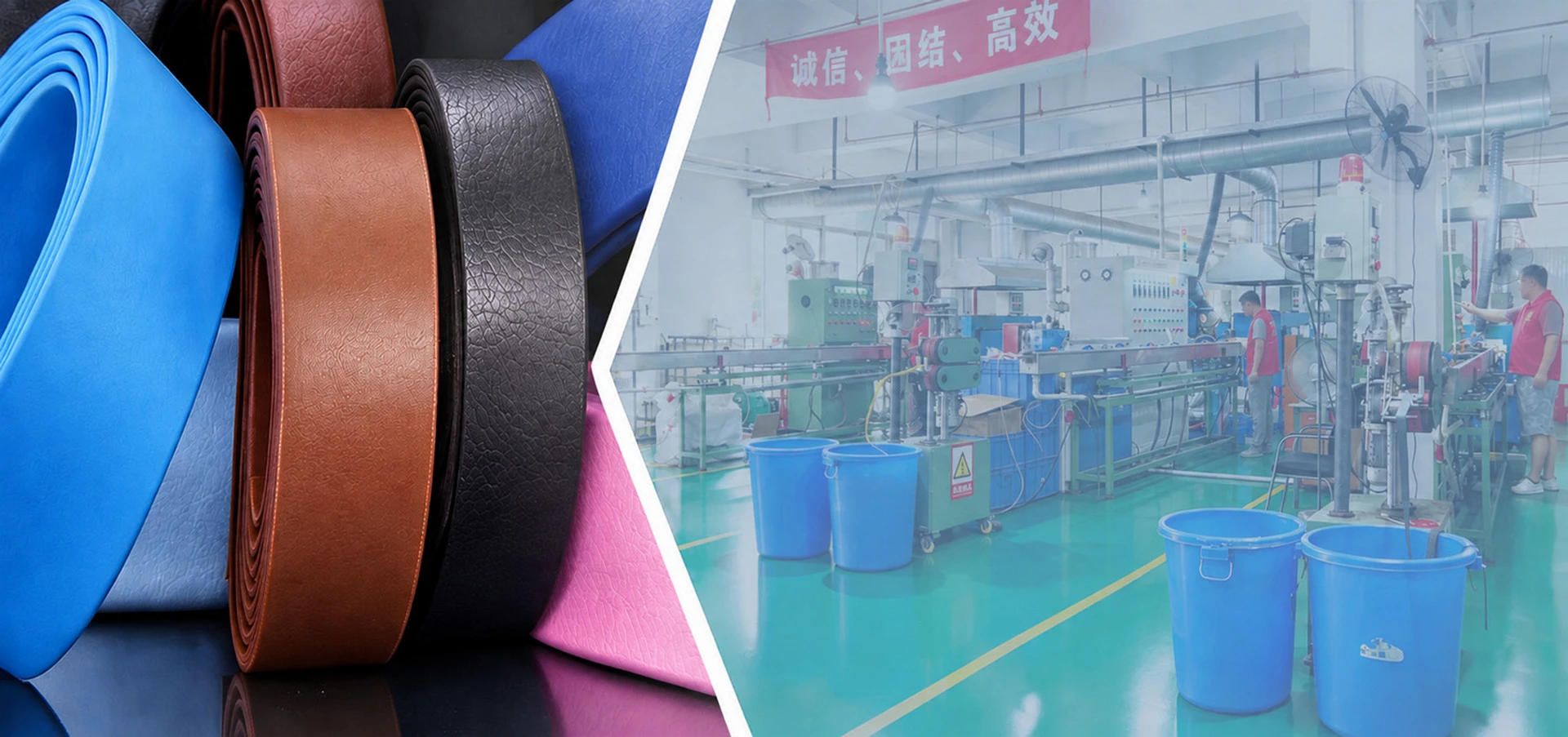
PVC and TPU coated webbing can be considered for selected pet collars, leashes, and harnesses, depending on the intended application and construction requirements.
The material decision should consider flexibility, dimensions, surface characteristics, and compatibility with other components.
The objective is to select an appropriate specification rather than automatically choosing the most expensive option.
Component and Construction Coordination
A finished accessory is a combination of materials and components.
Manufacturers should evaluate how webbing, buckles, D-rings, adjustment hardware, stitching, and attachment points work together.
This is particularly important when brands revise an existing product or develop a new version for a different target market.
Sample Evaluation Before Bulk Production
Product samples allow brands to evaluate the actual construction before committing to larger orders.
A structured review can include material specifications, dimensions, hardware operation, stitching, appearance, and relevant performance requirements.
Once approved, the sample and associated specifications should provide a reference for subsequent production.
This helps ensure that cost adjustments do not unintentionally change important product characteristics.
5. How Can Pet Accessory Brands Turn Consumer Priorities Into Product Development Decisions?
Consumer research is useful only when it leads to practical business decisions.
Brands can translate purchasing priorities into three development actions.
First, define the product's primary value proposition.
A product should have a clear reason to exist. This could involve appropriate construction, practical functionality, durability, or a combination of these characteristics.
Second, connect product claims with verifiable specifications.
If durability is part of the selling proposition, the brand should identify which construction details and testing methods support that claim.
If convenience is the main benefit, product development should focus on the relevant functional details.
Third, communicate value through the finished product.
Consumers do not necessarily understand technical material specifications. Brands need to explain how product construction translates into practical benefits.
For importers and private-label buyers, this also means working with manufacturers who can provide clear product specifications and support consistent execution.
Conclusion
A more price-conscious pet market does not mean that every brand must compete through lower prices.
The 2026 consumer survey findings indicate that safety, quality, and durability remain important considerations when people purchase pet accessories.
For brands, the opportunity lies in developing products whose value can be clearly understood and justified.
For manufacturers, the challenge is to translate these expectations into suitable material choices, component coordination, and consistent finished-product construction.
GH Material manufactures customized pet collars, leashes, and harnesses, as well as PVC and TPU coated webbing. We support overseas B2B buyers with customized product development and manufacturing solutions based on their product specifications and market requirements.
Looking to develop pet accessories with a clearer value proposition? Contact GH Material to discuss your product requirements and manufacturing project.
Frequently Asked Questions
1. What makes a pet accessory worth a higher price?
Relevant factors include appropriate construction, safety-related design, material quality, durability, and practical functionality. The value depends on whether these characteristics meet the target customer's expectations.
2. Do consumers always choose cheaper pet accessories when budgets become tighter?
Not necessarily. Consumer research indicates that price matters alongside safety and quality. Buyers may continue to consider products with higher prices when their benefits are clear.
3. Which specifications should brands evaluate when developing dog leashes and harnesses?
Brands should consider webbing dimensions, material suitability, hardware compatibility, stitching, reinforcement, adjustment structure, and finished-product performance.
4. How can manufacturers help control costs without compromising product value?
Manufacturers can review alternative materials, components, and construction methods, then evaluate their suitability through sample development and relevant testing before bulk production.
5. Can GH Material provide customized pet accessories?
Yes. GH Material manufactures customized collars, leashes, and harnesses, with options for product dimensions, colors, webbing, hardware, and branding according to project requirements.