

Activity-Specific Dog Gear: Opportunities for Pet Brands
Nov 26, 2026
Leave a message
How Is the Rise of Activity-Specific Dog Gear Creating New Opportunities for Pet Accessory Brands?
The dog accessories market is moving beyond products designed exclusively for everyday walking. As more consumers incorporate dogs into outdoor activities, sports, travel, and other lifestyle experiences, demand is becoming increasingly segmented around specific usage scenarios.
For pet product brands, this development creates opportunities to build more specialized product collections rather than competing only through conventional collars and leashes.
However, entering a niche market requires more than adding a new product feature. Brands need to understand the target activity, identify the requirements that distinguish its users, and determine whether the opportunity can support a commercially viable product line.
For manufacturers, this shift also creates new challenges in product construction, material coordination, and production flexibility.
1. Why Are Dog Accessories Becoming More Activity-Specific?

The traditional dog walking category primarily serves everyday needs. Standard collars, leashes, and harnesses remain essential products, but their designs often target relatively broad consumer groups.
Industry developments suggest that this approach is gradually expanding.
At Interzoo 2026, industry observations highlighted increasingly specialized dog-product segments, including products aimed at trekking enthusiasts and other specific consumer groups. The exhibition also emphasized that products successful in niche markets do not necessarily appeal to mainstream buyers.
This distinction matters commercially.
Different activities create different expectations for pet accessories:
Outdoor trekking: Products need to accommodate extended outdoor use and different handling conditions.
Running and active exercise: Buyers may prioritize movement, secure attachment, and practical handling.
Training activities: Product designs may need to support specific control and handling requirements.
Everyday urban walking: Convenience, appearance, and compatibility with regular use remain important.
These segments do not necessarily require completely different product categories. Instead, they create opportunities to develop differentiated versions of familiar products.
For brands, the opportunity lies in identifying which functional differences are meaningful enough to justify a separate product offering.
2. What Makes Activity-Specific Products Different From Standard Accessories?
The main difference is not simply the addition of features. It is the relationship between product construction and the intended activity.
A conventional dog leash may be suitable for routine walking, but a product designed for trekking or more demanding outdoor activities may require a different combination of handling characteristics, construction, and hardware.
Product Structure Must Reflect Actual Usage
Activity-specific products should begin with the intended application.
For example, a harness designed for regular walking may prioritize straightforward adjustment and everyday convenience. A harness intended for more active outdoor use may require greater attention to attachment positions, strap arrangement, and how the structure accommodates movement.
Similarly, leash development may involve evaluating handle configuration, connection hardware, length, and the relationship between the leash and the harness.
These decisions influence the entire product structure rather than one isolated component.
Material and Hardware Must Work as One System
For webbing-based accessories, the webbing, stitching, buckles, D-rings, and connecting hardware all contribute to the finished product.
Changing the intended application may therefore require reviewing several components together.
For example, a new harness configuration could require adjustments to webbing dimensions, reinforcement locations, or hardware arrangements.
PVC and TPU coated webbing can be considered for selected leash, collar, and harness designs where their surface characteristics and construction are appropriate.
The important point for product developers is that material suitability should be evaluated within the finished product rather than independently.
3. How Can Brands Evaluate a Niche Before Expanding Their Product Lines?

Specialized products can create differentiation, but not every emerging activity represents a sustainable commercial opportunity.
Before investing in a new collection, brands should examine three business considerations.
Identify a Clearly Defined Customer Group
A product designed for general outdoor use may face substantial competition because its positioning is relatively broad.
A more specific target group can provide a clearer development direction.
For example, brands may investigate customers who regularly participate in hiking with dogs, rather than targeting all outdoor pet owners.
This helps establish a more precise product proposition and gives the marketing team a clearer basis for communicating product value.
Distinguish Essential Requirements From Optional Features
Not every additional feature improves a product's commercial potential.
Brands should distinguish between requirements directly connected to the intended activity and features added mainly for visual differentiation.
This distinction helps control product complexity and reduces the risk of developing products with unnecessary components.
It also helps manufacturers focus on the construction details that genuinely matter.
Assess Whether the Opportunity Supports a Product Collection
A niche product should not automatically become a separate SKU family.
Brands need to consider whether the target segment supports more than one complementary product, such as a harness and leash combination.
A coherent collection can provide stronger merchandising opportunities than an isolated specialized item.
However, each additional variation introduces potential complexity in sizing, components, colors, and production planning.
Commercial demand should therefore guide the scale of product expansion.
4. What Does This Trend Mean for Pet Product Manufacturers?

The development of activity-specific accessories places greater emphasis on the manufacturer's ability to translate product concepts into practical constructions.
This is particularly relevant to manufacturers producing webbing-based pet accessories.
More Attention to Application-Based Development
Manufacturers need to understand how a product will be used before determining its construction.
The same general product category can involve different requirements depending on the target activity.
This means product development discussions should cover the intended application, structure, component configuration, and relevant performance expectations.
Greater Coordination Between Materials and Finished Products
When a manufacturer produces both coated webbing and finished pet accessories, material and product development can be coordinated more directly.
For example, webbing specifications can be evaluated alongside the intended collar, leash, or harness construction.
This can help reduce unnecessary separation between material decisions and finished-product development.
Flexible Production Becomes More Relevant
Niche collections may involve several related designs, different configurations, and varying product requirements.
Manufacturers need to evaluate whether the production process can accommodate these differences without creating unnecessary complexity.
The objective is not simply to manufacture more variations. It is to establish practical production solutions that match the commercial purpose of each product.
5. How Can Brands and Manufacturers Build Better Opportunities Together?

Activity-specific dog accessories create opportunities for collaboration between product brands and manufacturing partners.
Brands understand their target customers and market positioning, while manufacturers contribute knowledge of materials, construction, components, and production feasibility.
A productive development discussion should address:
Target application: What specific activity is the product designed for?
Product configuration: Which structural differences are necessary?
Component coordination: How should webbing, hardware, and stitching work together?
Manufacturing feasibility: Can the proposed design be produced consistently?
Commercial positioning: Does the finished product offer a clear reason for customers to choose it?
This approach helps prevent product development from becoming a process of adding features without a defined commercial purpose.
For brands entering specialized segments, the strongest opportunity may come from improving the relevance of existing product categories rather than creating entirely new ones.
Conclusion
The growth of activity-specific dog gear reflects a broader development in the pet accessories industry: products are increasingly being positioned around distinct customer groups and usage scenarios.
For pet accessory brands, this creates opportunities to move beyond generic product offerings and develop more focused collections.
However, successful specialization requires a clear understanding of customer needs, product construction, and commercial demand.
For manufacturers, the ability to coordinate webbing materials, hardware, product structures, and finished-product production becomes increasingly important.
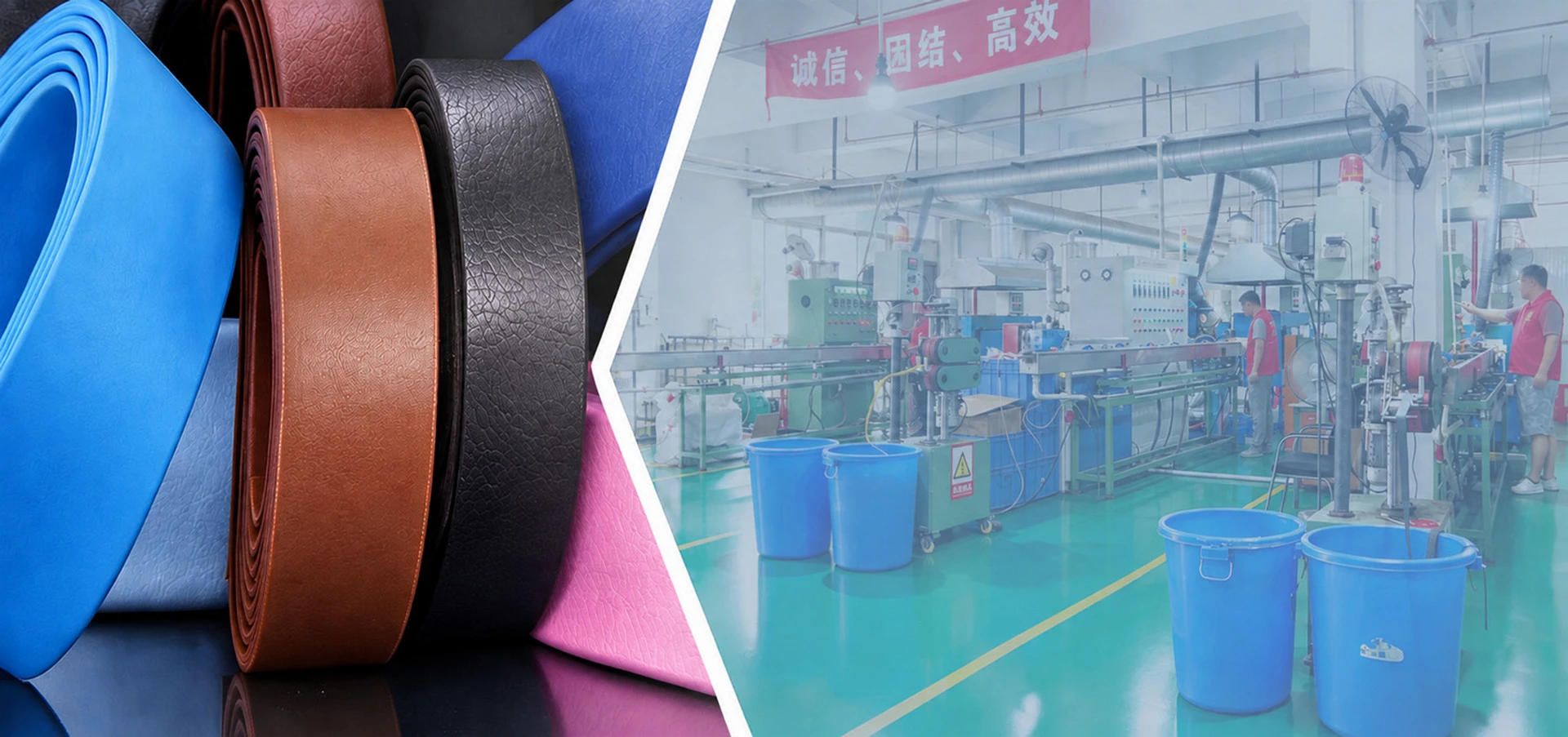
GH Material manufactures PVC and TPU coated webbing and customized pet products, including dog collars, leashes, and harnesses. By combining coated webbing production with finished-product manufacturing, GH Material supports B2B buyers developing customized pet accessory collections.
Developing a specialized dog accessory collection? Contact GH Material to discuss your product concept, construction requirements, coated webbing options, and manufacturing needs.
Frequently Asked Questions
1. What are activity-specific dog accessories?
Activity-specific dog accessories are products developed around particular activities, such as hiking, running, training, or everyday walking. Their designs reflect the different requirements of each application.
2. Why are specialized dog accessories creating opportunities for pet brands?
They allow brands to target more clearly defined customer groups, develop differentiated collections, and create product propositions beyond standard everyday accessories.
3. What should brands consider before developing activity-specific dog gear?
Brands should evaluate the target customer group, intended application, product construction, component requirements, manufacturing feasibility, and commercial demand.
4. Can PVC and TPU coated webbing be used in specialized dog accessories?
PVC and TPU coated webbing can be considered for selected collars, leashes, and harnesses. Suitability depends on the intended application and the finished product's construction requirements.
5. Can GH Material manufacture customized dog walking accessories?
Yes. GH Material manufactures customized dog collars, leashes, and harnesses, with options for webbing, dimensions, colors, hardware, and branding according to project requirements.