

What Should Brands Consider When Developing Walking Accessories For Cats?
Nov 25, 2026
Leave a message
The growth of cat ownership is creating new opportunities for pet product brands to explore more specialized accessories. However, developing products for cats requires a different approach from simply adapting existing dog products.
For importers, wholesalers, and private-label brands, cat walking accessories represent a potential product development opportunity, particularly in the harness and leash segment. The challenge is to create products that accommodate feline body movement, provide a secure fit, and remain comfortable during supervised use.
A successful product should therefore be developed around the specific needs of cats rather than treating smaller dimensions as the main design requirement.

Growing Cat Ownership Creates Opportunities for Specialized Products
According to the American Pet Products Association (APPA), 53 million U.S. households owned cats in 2025, representing 39% of all U.S. households. This was a 5% increase compared with 2024.
The expansion of the cat-owning population provides a broader customer base for specialized pet products. At the same time, the market is becoming more diverse in terms of household preferences and product requirements.
In the UK, Cats Protection reported that 17% of cat owners surveyed owned a cat harness in 2026, compared with 15% in 2025. Although this figure cannot be directly applied to the North American market, it indicates that harnesses have an established place within part of the cat accessory category.
For brands, the opportunity is not necessarily to compete through more product variations. Instead, it is to identify specific customer requirements that existing products may not adequately address.
Potential product development directions include:
Lightweight walking harnesses for supervised outdoor activities.
Adjustable harnesses designed for different feline body shapes.
Vest-style harnesses offering broader body coverage.
Coordinated harness and leash sets.
Products combining visibility features with practical everyday design.
The commercial opportunity lies in developing products with a clear functional purpose rather than simply expanding the number of available styles.
For brands exploring new product categories, custom pet products can provide a starting point for developing coordinated accessory collections.
Cat Harnesses Require a Different Structural Approach

One of the most important product development considerations is anatomical fit.
Cats have flexible bodies and can move differently from dogs. When a cat attempts to move backward, an incorrectly fitted harness may shift and allow the animal to escape.
This makes structural positioning particularly important.
A cat-specific harness should be evaluated in several areas:
Body coverage
The harness should provide suitable contact across the chest and body without creating unnecessary pressure or restricting normal movement. Vest-style structures and adjustable strap designs offer different approaches to achieving this balance.
Adjustment points
Adjustment systems should accommodate differences in chest circumference and body proportions. However, additional adjustment points do not automatically create a better product. Their placement and ease of use matter more than their number.
Pressure distribution
The connection between the harness and leash should be designed to avoid concentrating pulling pressure around the neck. The overall structure should be evaluated under realistic movement conditions.
Escape resistance
A secure fit is essential, but no harness should be marketed as completely escape-proof. Product claims should reflect actual design performance and testing rather than exaggerated safety promises.
For manufacturers, these requirements mean that product development should begin with the intended structure and fit rather than selecting materials and hardware first.
Material Selection Should Support Comfort and Product Performance

Material selection influences the weight, flexibility, breathability, appearance, and manufacturing requirements of a cat harness.
Different product structures may require different material combinations.
For example, lightweight mesh fabrics can be considered for vest-style products where airflow and broader body coverage are important. Polyester or nylon webbing may be suitable for adjustable straps and connection sections, depending on the required construction.
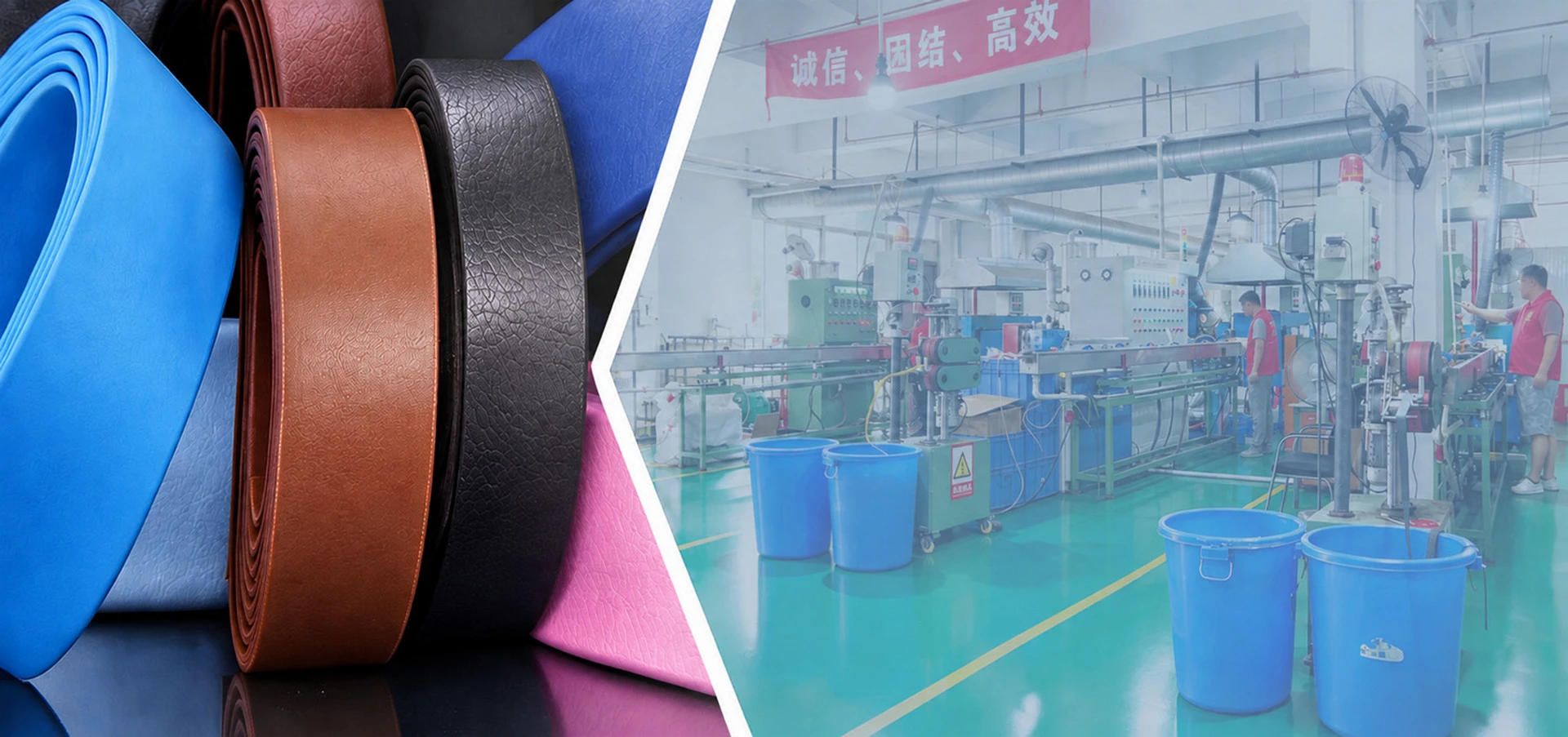
PVC and TPU coated webbing may also be considered for selected components or product concepts where surface characteristics, flexibility, and ease of maintenance are relevant.
However, material selection should follow the intended application.
A material that performs well in a dog leash may not automatically be suitable for a lightweight cat harness. Excessive stiffness, unnecessary weight, or unsuitable strap positioning can negatively affect the finished product.
Brands should therefore evaluate:
Material weight and flexibility.
Skin-contact surfaces and edge finishing.
Strap width and thickness.
Compatibility with buckles and adjustment components.
Stitching and reinforcement requirements.
Ease of cleaning and long-term appearance.
The objective is to achieve a suitable balance between functional performance, manufacturing practicality, and target product positioning.
Hardware and Connection Design Influence Product Reliability

Hardware is another important part of cat harness development.
Buckles, adjustment sliders, D-rings, and leash attachment points must work together as one system.
A buckle that is easy to operate may improve convenience, but its dimensions and positioning must also suit the harness structure. Similarly, a leash attachment point should remain stable during normal movement without creating unnecessary weight.
For B2B buyers, several details deserve attention during product development:
Whether buckles remain securely fastened during repeated use.
Whether adjustment sliders maintain their position.
Whether D-rings are correctly positioned and reinforced.
Whether metal hardware has suitable corrosion resistance for the intended environment.
Whether stitching around connection points is consistent.
Manufacturers should evaluate the finished assembly rather than relying only on individual component specifications.
For example, a strong metal ring does not guarantee a reliable harness if the surrounding fabric or stitching cannot withstand the required loads.
Product testing should therefore cover relevant connection points, stitching, hardware operation, and repeated-use conditions according to agreed product specifications.
The same attention to structure, hardware, and assembly is important in custom pet harness manufacturing
Product Testing Should Reflect Real Feline Use Conditions

A cat harness should not be evaluated only by checking its appearance or dimensions.
The product must also be assessed for fit, adjustment, movement, and construction consistency.
Brands and manufacturers can establish a practical development checklist covering several areas.
Fit and movement evaluation
Check whether the harness remains appropriately positioned when the cat walks, turns, sits, and moves backward. Evaluate whether the structure creates excessive restriction or obvious pressure points.
Hardware functionality
Check fastening, adjustment, opening, and closing operations. Confirm that attachment components remain correctly positioned.
Construction inspection
Review stitching, reinforcement, material edges, strap alignment, and component installation.
Repeatability
Once a product design has been approved, the manufacturer should maintain the agreed dimensions, materials, hardware, and construction during bulk production.
It is also important to distinguish product testing from animal behavior evaluation. A harness passing mechanical checks does not mean every cat will accept wearing it.
Cats Protection advises gradual introduction and careful observation because many cats find restraint stressful. VCA also emphasizes that individual cats respond differently to leash training.
For brands, this distinction matters when preparing product descriptions, instructions, and marketing claims.
How Brands Can Build a More Competitive Cat Accessory Range

Instead of launching many similar harness designs, brands can organize their product development around different functional requirements.
For example, a basic adjustable harness, a broader-coverage vest harness, and a coordinated harness-and-leash set may serve different customer preferences.
However, product range expansion should follow market validation.
Before committing to multiple SKUs, importers should consider:
Which product structures have clear customer demand?
Which sizes and adjustment ranges are commercially necessary?
Can different designs share compatible materials or hardware?
Will additional variations create excessive inventory complexity?
Can the manufacturer maintain consistent construction across repeat orders?
A focused product range can help brands control initial development costs while leaving room for future improvements.
The most effective approach is to validate the product structure first, approve the sample, and then expand colors, sizes, and configurations according to actual sales feedback.
Developing Cat Accessories with the Right Manufacturing Partner
The development of cat walking accessories requires coordination between product structure, materials, hardware, and manufacturing quality.
For overseas brands and importers, choosing a manufacturing partner with experience in webbing materials and finished pet products can help simplify this process.
GH Material specializes in custom pet products and PVC/TPU coated webbing manufacturing. Its capabilities include material processing, product customization, assembly, and quality inspection for pet product projects.
For brands considering new cat accessory designs, the first step is to define the intended product structure, target dimensions, material requirements, and hardware configuration.
Contact GH Material to discuss your pet product development requirements, OEM/ODM projects, and bulk manufacturing needs. Share your reference sample or product concept to start a project discussion.