

How Does Webbing Stretch Affect the Performance of Dog Leashes?
Nov 21, 2026
Leave a message
How Does Webbing Stretch Affect the Performance of Dog Leashes?
A dog leash needs to maintain a practical length and provide reliable control during everyday use. While buyers often focus on webbing width, color, strength, and appearance, another important characteristic is how much the webbing stretches when tension is applied.
Webbing stretch can influence leash length, handling, and overall product consistency. For pet accessory brands and manufacturers, understanding this characteristic is important when developing different types of dog leashes.
The goal is not necessarily to eliminate all material movement. Instead, manufacturers need to select webbing with stretching characteristics that match the intended product design and application.
1. What Causes Webbing to Stretch?
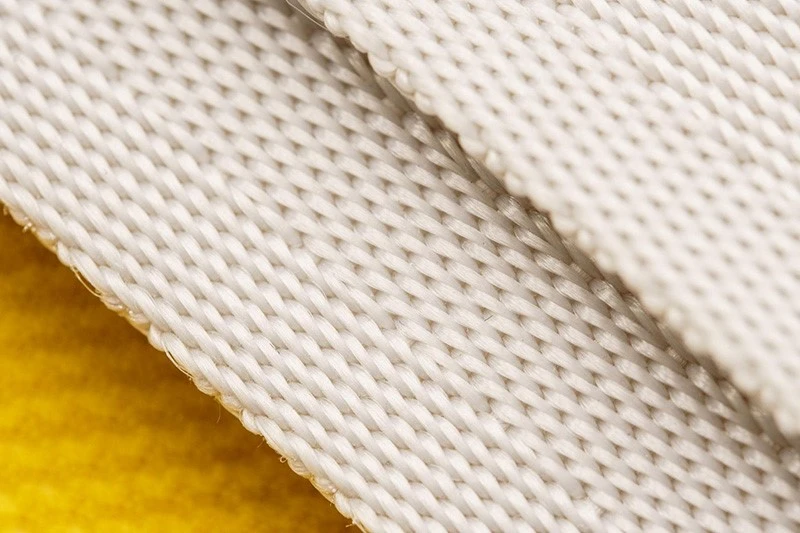
Webbing is generally made from interlaced yarns, and its structure can change slightly when a pulling force is applied.
Several factors can influence how much webbing stretches.
Yarn characteristics
Different yarn materials have different elongation properties. The type of yarn, filament construction, and manufacturing characteristics can influence how the finished webbing responds to tension.
Weaving structure
The arrangement and density of yarns affect how the webbing behaves under load. Different weaving constructions may produce different levels of flexibility and elongation.
Webbing density
The density of the woven structure can influence dimensional stability. However, a tighter structure does not automatically guarantee the best performance for every leash application.
Manufacturing consistency
Variations in yarn tension, weaving conditions, and finishing processes may influence the final dimensions and stretching behavior of webbing.
For buyers, these factors help explain why two webbing products with similar widths and appearances may perform differently during use.
2. How Does Stretch Affect Dog Leash Performance?
The stretching characteristics of webbing can influence several aspects of a finished dog leash.
Changes in Effective Leash Length
When webbing stretches under pulling force, the effective leash length may increase.
Although small dimensional changes may not be noticeable in every situation, excessive or inconsistent stretching can affect the expected length of the product.
This is particularly relevant for standard walking leashes and products designed around specific length specifications.
Handling and Control
A leash needs to provide a predictable connection between the handler and the dog.
If the webbing stretches significantly during pulling, the handling experience may differ from that of a more dimensionally stable leash.
For products designed for controlled everyday walking, buyers should consider how webbing elongation influences the intended handling characteristics.
Product Consistency
For wholesalers and private label brands, consistency across production batches is important.
If different batches exhibit noticeably different stretching behavior, finished leashes may not deliver the same handling characteristics.
This can create challenges when maintaining consistent product specifications across repeat production.
3. Is Webbing Stretch the Same as Elastic Recovery?
Stretch and elastic recovery are related, but they describe different properties.
Stretch refers to the amount of elongation that occurs when a material is subjected to tension.
Elastic recovery describes how much of that deformation the material returns from after the applied force is removed.
For example, two webbing materials may stretch by similar amounts under a particular load but behave differently after the load is released.
One may return close to its original length, while the other may retain some permanent deformation.
For dog leash development, buyers should consider both characteristics.
A leash that stretches too much may not maintain the expected handling behavior. A leash that experiences permanent deformation may gradually change in length or appearance.
However, the appropriate performance depends on the intended leash design. Elastic dog leashes, for example, are deliberately developed to provide additional give and should not be evaluated using exactly the same expectations as standard non-elastic leashes.
Do Different Dog Leash Designs Require Different Stretch Characteristics?
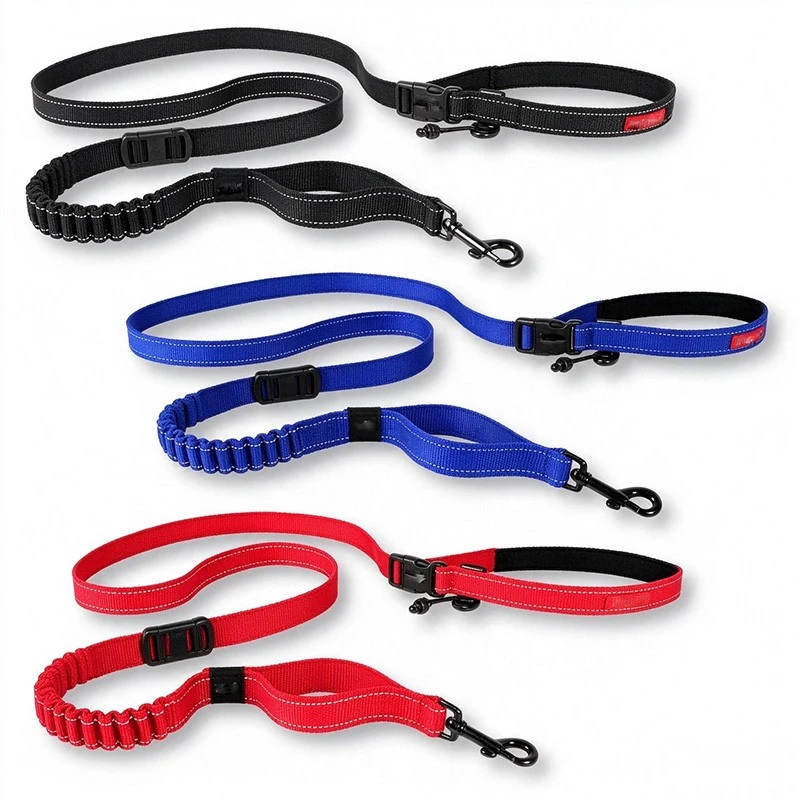
Not every dog leash needs identical webbing performance.
Different product categories have different functional priorities.
Standard Walking Leashes
These products generally require predictable dimensions and handling characteristics. Buyers may prioritize controlled elongation and consistent recovery.
Training Leashes
Training applications can involve repeated pulling and changing tension. Webbing selection should consider the expected loading conditions and the product's intended function.
Long Dog Leashes
Long leashes may experience different pulling patterns depending on their length and use. Dimensional stability can be relevant when buyers want consistent leash measurements.
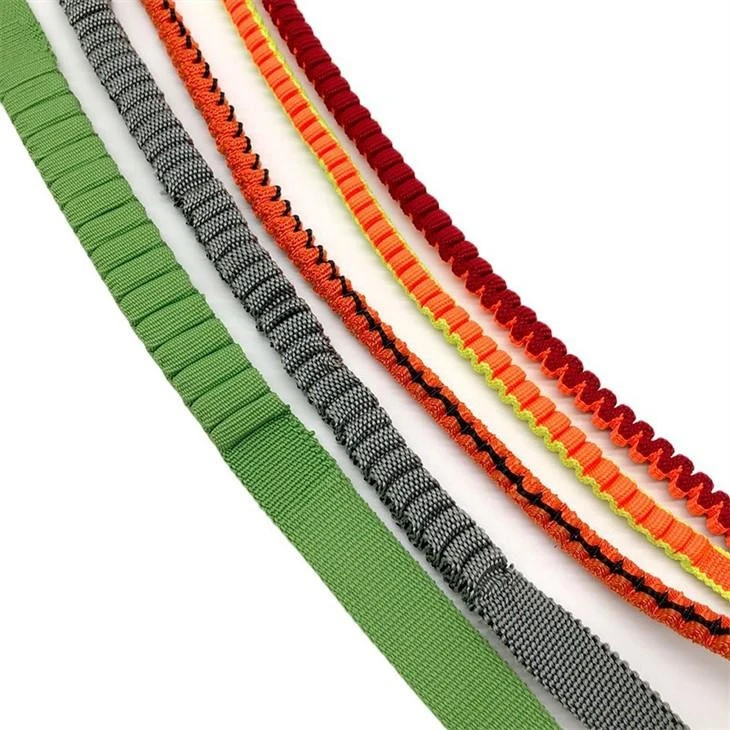
Elastic Dog Leashes
These products are designed to provide controlled stretch. Their performance depends on the elastic construction and the ability to deliver the intended extension and recovery.
Understanding these differences helps brands avoid selecting webbing based only on appearance or nominal strength.
How Can Manufacturers Evaluate Webbing Stretch?
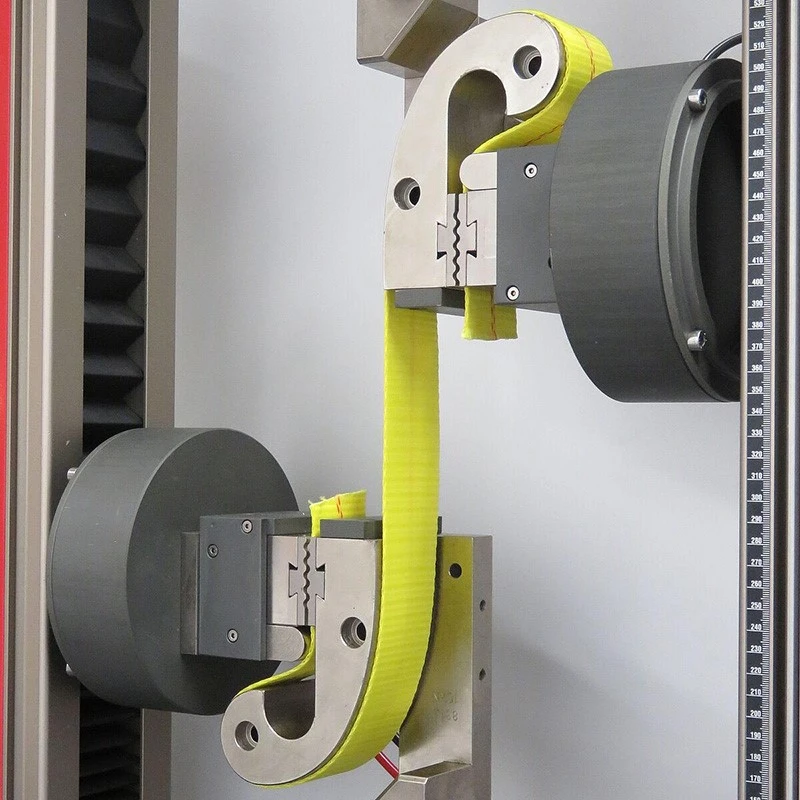
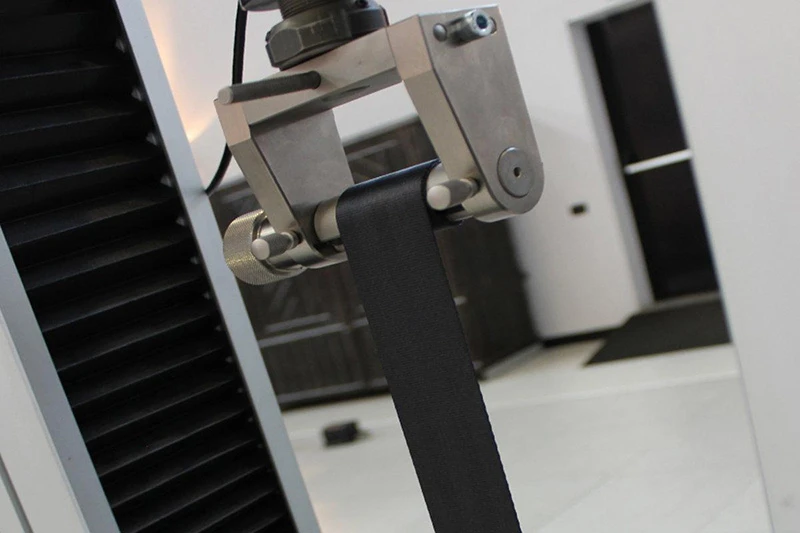
Webbing stretch should be evaluated through a consistent testing method rather than subjective handling alone. For pet accessory brands and wholesale buyers, testing helps determine whether the selected webbing can meet the dimensional and performance requirements of the finished dog leash.
A basic elongation evaluation involves applying a defined tensile load to a webbing sample and measuring the change in length.
The percentage of elongation can be calculated using the following formula:
Elongation (%) = (Extended Length - Original Length) / Original Length × 100
For example, if a 1,000 mm webbing sample extends to 1,030 mm under a specified test condition, its elongation is 3%.
However, the result is only meaningful when the testing conditions are clearly defined. Manufacturers and buyers should consider the following factors:
Defined Testing Load
The applied force should be specified before testing. Different loads can produce different elongation results, so comparing samples without using the same testing force may lead to misleading conclusions.
Sample Length and Measurement Method
The original sample length, gripping position, and measurement method should remain consistent. This helps manufacturers compare results between different material samples and production batches.
Loading Duration and Recovery
The duration of applied tension can influence the measured result. Manufacturers should also measure the webbing after the load is removed to evaluate elastic recovery and identify possible permanent deformation.
Repeated Loading Performance
Dog leashes experience repeated pulling during normal use. Testing under repeated loading cycles can help identify changes in elongation and recovery that may not appear during a single loading test.
Batch-to-Batch Comparison
For importers and private label buyers, one approved sample is not enough to establish long-term product consistency. Manufacturers should maintain comparable testing conditions when evaluating subsequent production batches.
By reviewing these results, buyers can better understand whether a supplier's webbing is suitable for the intended leash design. The purpose is not simply to achieve the lowest elongation value, but to establish measurable performance requirements that can be maintained during production.
What Should Buyers Specify When Sourcing Dog Leash Webbing?
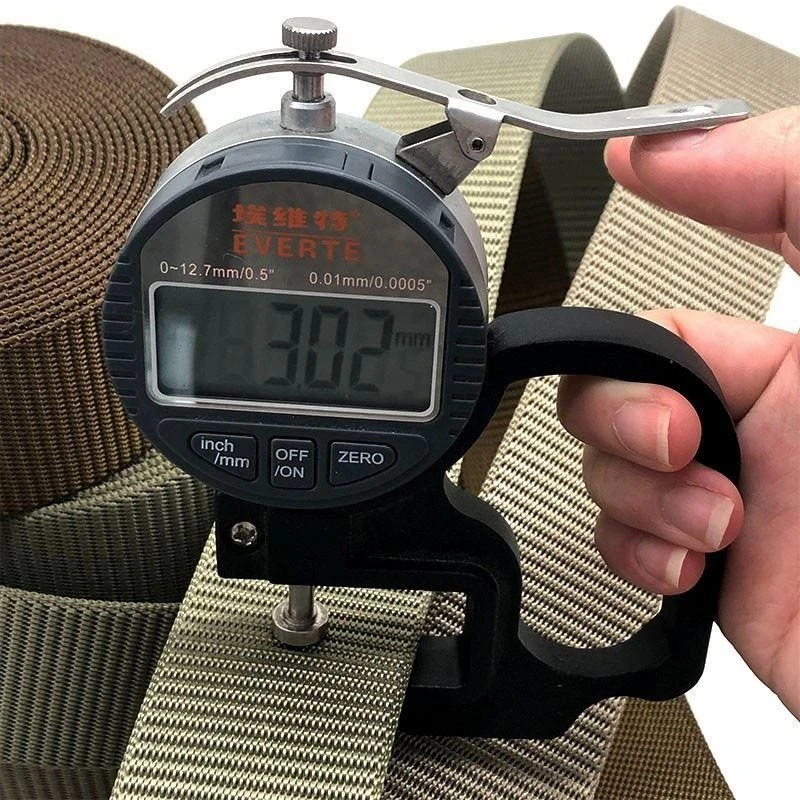
When sourcing webbing for dog leash production, buyers should communicate more than width, color, and breaking strength. Clearly defined material and performance requirements help manufacturers select appropriate webbing and reduce misunderstandings during product development.
For more effective sourcing, buyers should consider including the following information in their RFQs.
Webbing Material and Construction
Specify the material type, yarn construction, weaving structure, and whether the product requires standard textile webbing or PVC/TPU coated webbing. These details help suppliers identify suitable manufacturing options.
Dimensions and Mechanical Requirements
Provide the required width, thickness, breaking strength, and acceptable elongation under a defined tensile load. Buyers should distinguish between breaking strength and elongation because they describe different performance characteristics.
Stretch and Recovery Requirements
If dimensional stability is important, specify the acceptable elongation under an agreed testing condition. For elastic leash designs, also define the intended extension range and recovery requirements.
Intended Product Application
Explain whether the webbing will be used for standard walking leashes, training leashes, long leashes, or elastic leash products. Different applications may require different combinations of flexibility, dimensional stability, and mechanical performance.
Sample Approval and Production Consistency
Before confirming bulk production, buyers should evaluate samples against the agreed specifications. They can also request production inspection records or comparative test results to check whether subsequent batches remain consistent with the approved sample.
Supplier Testing Capability
Buyers should ask how the manufacturer measures elongation, what testing conditions are used, and whether results can be documented. A supplier that can explain its testing process provides a clearer basis for technical communication and product evaluation.
For larger orders and repeat production, these requirements should be included in the product specification rather than left as informal discussions.
This gives both parties a clearer reference for sample approval, quality inspection, and future replenishment orders.
Conclusion
Webbing stretch is an important consideration in dog leash development because it can influence effective leash length, handling characteristics, and production consistency.
For pet accessory brands, the right webbing should match the intended leash design. Standard walking leashes may prioritize dimensional stability, while elastic leashes require controlled extension and recovery.
By evaluating elongation under defined testing conditions, importers, wholesalers, and manufacturers can make more informed material decisions.
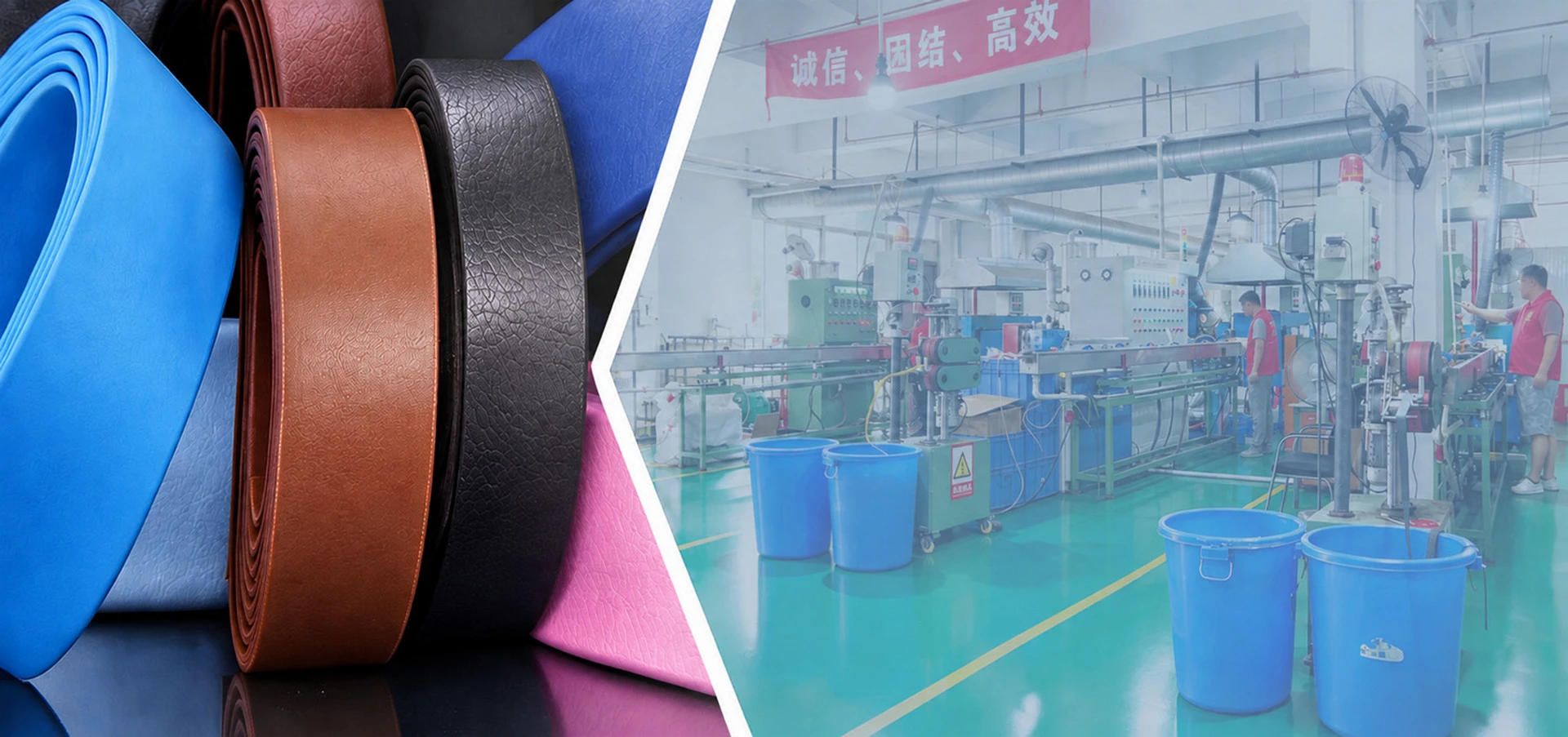
GH Material manufactures pet accessories and supplies PVC and TPU coated webbing for different applications. Buyers developing customized dog leashes can discuss webbing specifications, material construction, and product requirements with our team.
Contact GH Material to discuss your custom dog leash and webbing development requirements.