

Dog Collar Development for Different Usage Environments
Nov 18, 2026
Leave a message
Dog collars are essential products in the pet accessories market, but not every collar serves the same purpose. A collar designed for everyday walking may have different material, construction and functional requirements from one developed for outdoor activities or wet environments.
For pet brands, importers and wholesalers, understanding these differences is important when developing a competitive dog collar collection. Instead of offering several products that look almost identical, buyers can create products with clear functional differences for different customer needs.
Working with an experienced dog collar manufacturer also helps brands translate these requirements into practical product specifications.
Identify the Main Usage Environments
Before developing a new dog collar, buyers should identify where and how the product will be used. Different environments create different expectations for product performance.
Everyday Walking
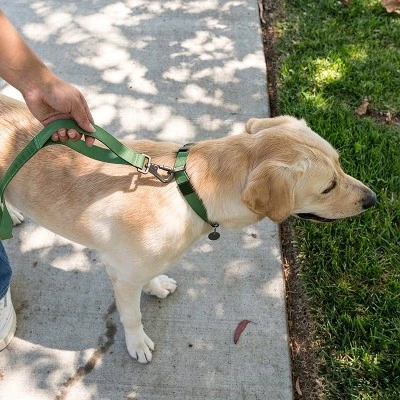
Everyday collars are designed for regular use during daily walks. Buyers generally prioritize comfortable materials, practical adjustment, lightweight construction and attractive appearance.
For this category, brands can consider:
Flexible webbing that feels comfortable during regular wear.
Adjustable structures suitable for different neck sizes.
Practical buckles for convenient daily use.
Multiple colors and patterns for different brand collections.
Outdoor Activities
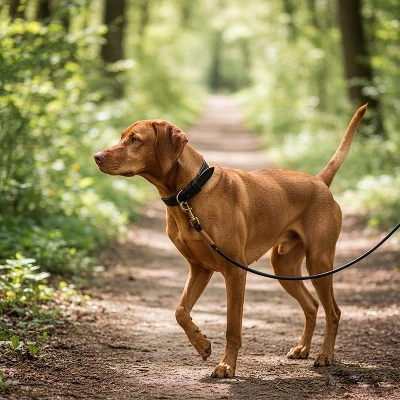
Outdoor-oriented collars may be used during hiking, camping and other activities. These products may require more attention to material durability, hardware construction and ease of cleaning.
Potential product features include:
Durable strap construction.
Reinforced attachment areas.
Practical hardware that works with the intended leash.
Surface materials that are easier to maintain after outdoor use.
Wet and Water-Exposed Environments
Some dogs regularly encounter rain, mud, wet grass and water during outdoor activities. Traditional fabric surfaces may require more cleaning and drying attention depending on their construction.
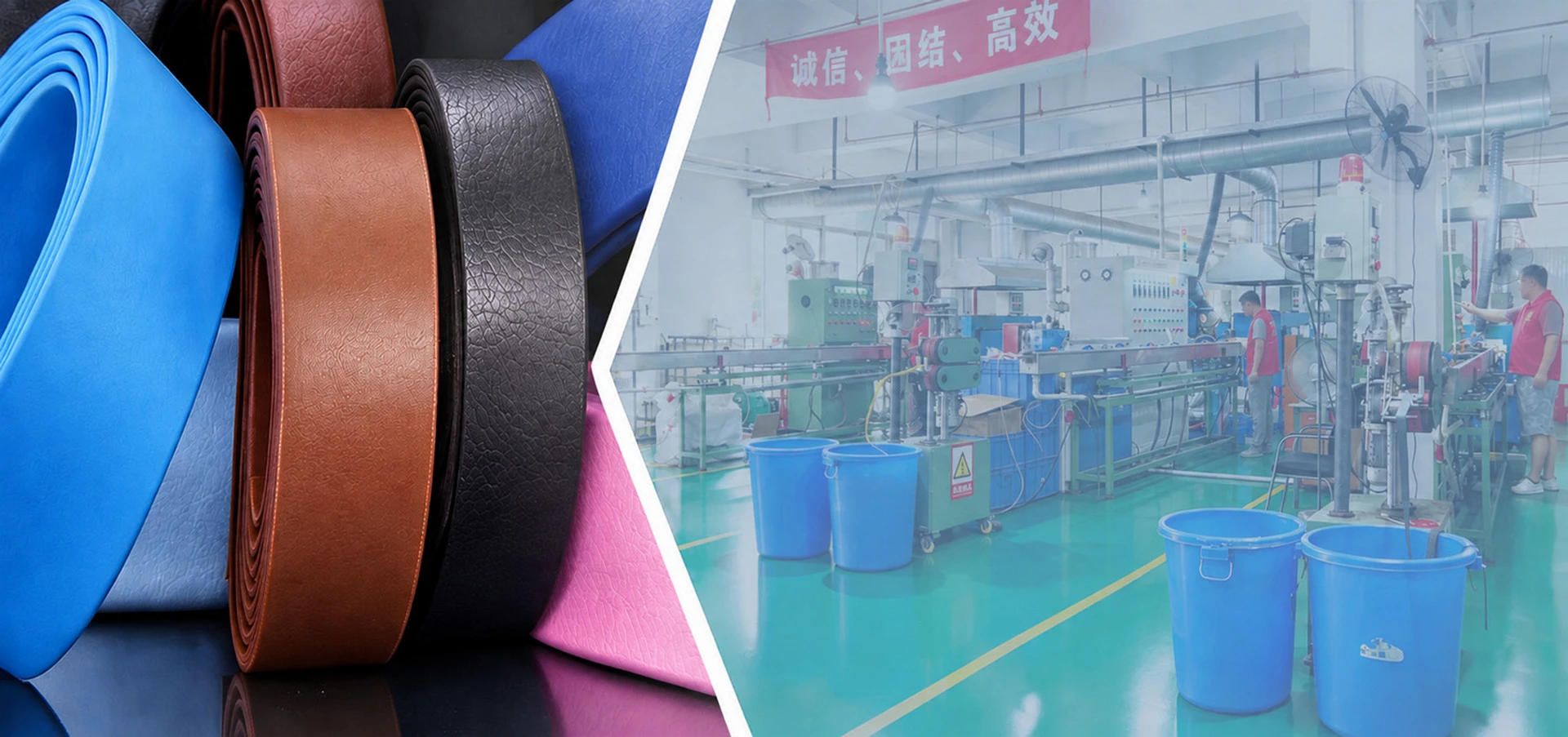
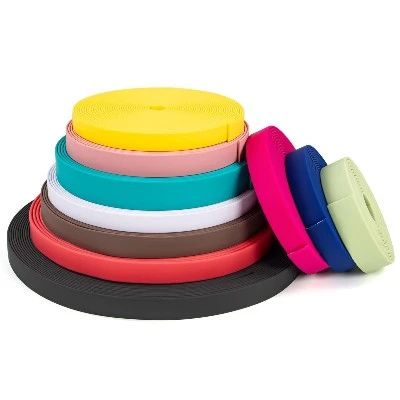
For these applications, PVC and TPU coated webbing can be considered as alternative strap materials. Their coated surfaces offer practical advantages for products where water exposure and routine cleaning are important considerations.
Match Collar Materials to Product Applications
Material selection should follow the intended application rather than simply choosing the cheapest available option.
Different materials offer different combinations of flexibility, appearance, surface characteristics and manufacturing requirements.
For example, nylon and polyester webbing are commonly considered for everyday pet accessories. PVC and TPU coated webbing offer another development direction for brands interested in coated surfaces.
When comparing materials, buyers should consider:
Flexibility: The strap should suit the intended collar construction and wearing experience.
Surface characteristics: Consider how the material responds to dirt, moisture and routine cleaning.
Thickness: Material thickness affects the finished product's overall feel and construction.
Appearance: Surface finish and color should match the brand's product positioning.
Manufacturing compatibility: The selected material must work with the buckle, adjustment structure and stitching process.
For brands developing waterproof-style or easy-clean product concepts, PVC and TPU coated webbing can be worth evaluating through finished product samples.
However, material selection alone does not establish the performance of the complete collar. The finished construction should be evaluated for its intended use.
Develop Different Collar Structures for Different Markets
A successful dog collar collection does not need to use exactly the same construction for every product.
Different market segments may require different product features.
For example:
Entry-Level Everyday Collars
These products can focus on practical construction, basic adjustment and competitive pricing. They may be suitable for wholesalers and retailers looking for essential pet accessories.
Premium Lifestyle Collars
Premium collections can emphasize coordinated colors, distinctive surface finishes, branded details and matching accessories.
Outdoor-Oriented Collars
These products can prioritize suitable strap materials, functional hardware and construction designed around outdoor applications.
For OEM buyers, these differences provide opportunities to develop several product concepts without making every SKU a completely unrelated design.
The key is to give each product a clear purpose rather than adding features that do not improve its intended application.
Consider Collar and Leash Compatibility
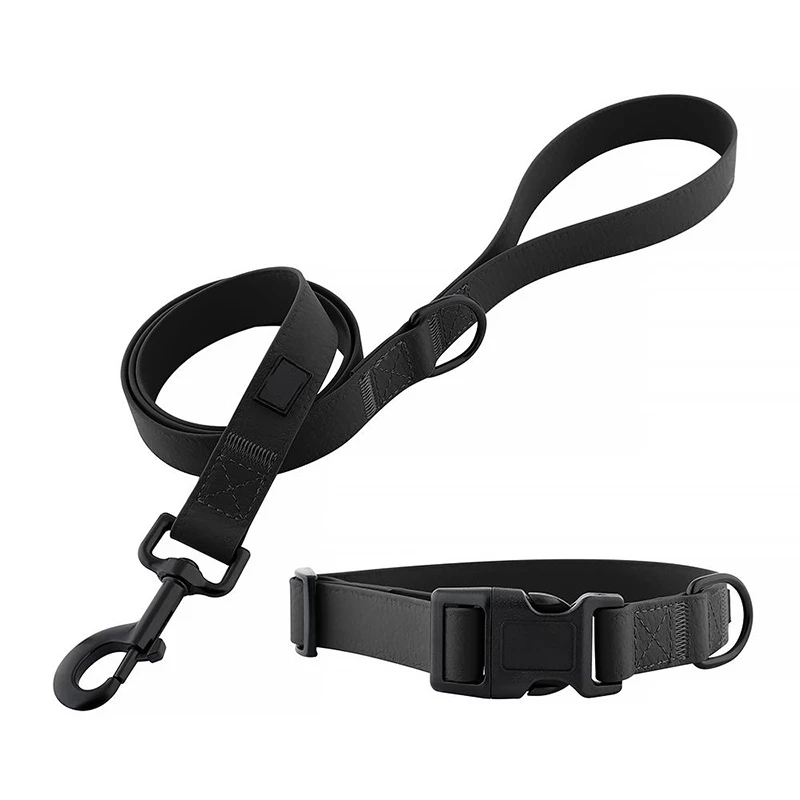
Dog collars are frequently purchased alongside leashes. Developing these products as coordinated accessories can help brands create a more consistent product presentation.
Buyers should consider whether the collar and leash share:
Compatible materials and surface finishes.
Coordinated colors and patterns.
Similar hardware finishes.
Consistent logo placement.
A matching overall design style.
For example, a PVC coated webbing collar can be developed alongside a matching leash using the same material and color direction.
This approach can help brands create coordinated walking accessory collections while giving wholesalers more options for presenting related products.
However, matching appearance should not replace functional evaluation. Each finished product should be assessed according to its own construction and intended application.
Evaluate the Finished Collar Before Bulk Production
A collar that looks suitable in a product photograph may perform differently in actual use.
Before approving a new OEM product, buyers should review the finished sample under conditions relevant to its intended application.
Important evaluation areas include:
Collar dimensions and adjustment range.
Material flexibility and surface condition.
Buckle operation and closure security.
D-ring attachment and stitching.
Hardware compatibility with the strap.
Comfort around the dog's neck.
Cleaning and maintenance requirements.
Appearance after routine handling.
For outdoor or wet-environment products, buyers should also evaluate the actual finished material and construction after appropriate exposure and cleaning procedures.
Testing requirements should be agreed upon according to the product's intended use and the buyer's performance expectations.
What Should Buyers Prepare for OEM Dog Collar Development?
A clear product brief helps manufacturers understand the intended product and recommend suitable construction options.
When contacting a dog collar manufacturer, buyers should ideally provide:
Target application: Everyday walking, outdoor activities or wet-environment use.
Product reference: Existing samples, drawings or reference photographs.
Material preference: Nylon, polyester, PVC coated webbing or TPU coated webbing.
Size requirements: Intended neck circumference and collar width.
Functional requirements: Buckle type, adjustment structure and D-ring position.
Branding: Logo method, color direction and placement.
Order information: Estimated quantity, size breakdown and packaging requirements.
If some specifications have not been finalized, buyers can discuss different product concepts with the manufacturer before confirming the final sample.
This makes product development more focused and helps avoid unnecessary design changes.
Conclusion
Developing dog collars for different usage environments gives pet brands an opportunity to move beyond basic product variations and create accessories with clearer functional positioning.
Everyday walking, outdoor activities and wet-environment applications may require different material and construction considerations. By matching product design with actual usage requirements, buyers can build more relevant collections for their target markets.
GH Material provides pet product OEM/ODM development and PVC/TPU coated webbing manufacturing. We welcome importers, wholesalers and pet brands to discuss custom dog collar and matching walking accessory projects.
Contact GH Material to discuss your dog collar development requirements and OEM manufacturing needs.
Frequently Asked Questions
Q: What materials are suitable for dog collar manufacturing?
A: Nylon, polyester, PVC coated webbing and TPU coated webbing are possible material options. The appropriate choice depends on the intended application, product design and performance requirements.
Q: Are PVC and TPU coated webbing suitable for dog collars?
A: Both can be considered for dog collar development. They offer coated surface options for brands interested in easy-clean product concepts and customized colors and finishes. The finished construction should be evaluated before bulk production.
Q: Can manufacturers develop matching dog collars and leashes?
A: Yes. OEM manufacturers can coordinate materials, colors, hardware finishes and branding details to develop matching collar and leash collections.
Q: What information should buyers provide when requesting a dog collar quotation?
A: Buyers should provide the intended application, material preference, size range, collar width, hardware requirements, logo details, estimated quantity and packaging requirements.
Q: Can dog collars be customized for different market segments?
A: Yes. Brands can develop different constructions, materials, colors and functional features for everyday, premium and outdoor-oriented product collections.