

How Can Pet Brands Reduce Dog Harness Returns Through Better Fit Development
Nov 18, 2026
Leave a message
Dog harness returns can create significant costs for pet product brands, importers, and wholesalers. When a harness does not fit properly, customers may complain about restricted movement, excessive looseness, pressure around the chest, or difficulty adjusting the straps.
For businesses purchasing dog harnesses in bulk, these problems can affect more than individual orders. Repeated fit-related complaints may increase after-sales expenses, damage brand reputation, and make retailers less willing to reorder.
Reducing returns should therefore begin during product development rather than after products reach the market. By working with manufacturers to evaluate product structure, size coverage, adjustment ranges, and sample performance, pet brands can develop harnesses that better meet their customers' expectations.
Identify the Main Causes of Dog Harness Fit Problems
Before developing a new harness, buyers should understand why existing products generate returns.
Common fit-related problems include:
Incorrect size proportions: A harness may fit around the chest but remain too tight around the neck or shoulders.
Limited adjustment ranges: Straps may not provide enough flexibility for dogs with different body proportions.
Poor structural balance: The harness may shift during movement or place uneven pressure on certain areas.
Difficult fastening: Complicated adjustment systems can make the harness difficult to put on or remove.
Unclear sizing information: Customers may select the wrong size because product measurements and size descriptions are insufficient.
For importers and brand owners, collecting customer feedback is an important first step. Return reasons, customer reviews, and retailer complaints can help identify whether problems come from product dimensions, construction, or unclear product information.
Instead of immediately changing the entire product, buyers should identify the specific design issue responsible for repeated complaints.
2. Develop Size Proportions Based on Actual Product Applications
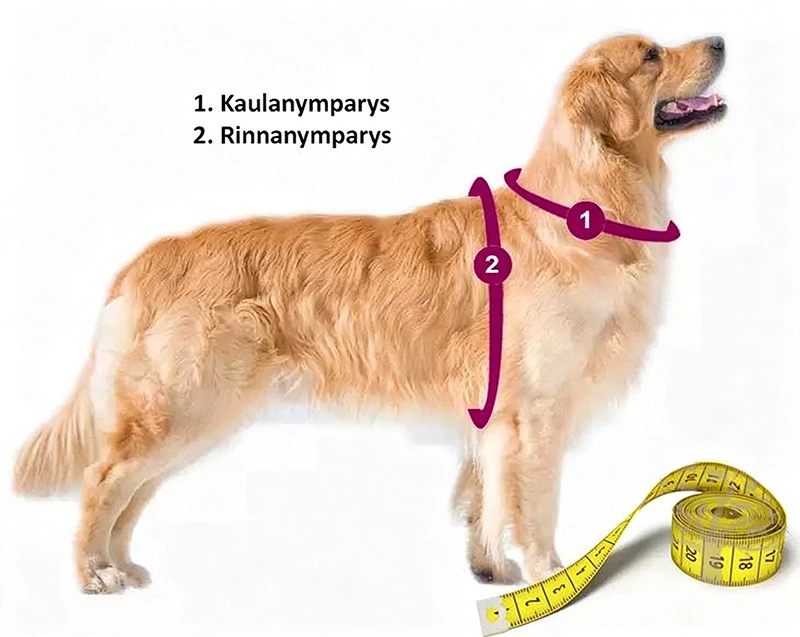
A dog harness size chart should represent the actual dimensions and adjustment capabilities of the product.
Simply offering XS, S, M, L, and XL does not guarantee suitable fit coverage. Different harness designs may have different proportions, even when they use the same size labels.
During product development, buyers should communicate the intended measurement ranges to their manufacturers.
Important dimensions include:
Neck circumference
Chest girth
Strap adjustment range
Overall harness length
Distance between structural connection points
Manufacturers should evaluate how these dimensions work together rather than treating each measurement independently.
For example, a harness with a suitable chest circumference may still have an unsuitable neck opening. Similarly, insufficient adjustment length can make a product difficult to fit across the intended size range.
Buyers should review actual samples and compare their measurements with the proposed specifications before approving bulk production.
3. Evaluate Harness Structure Before Finalizing the Design
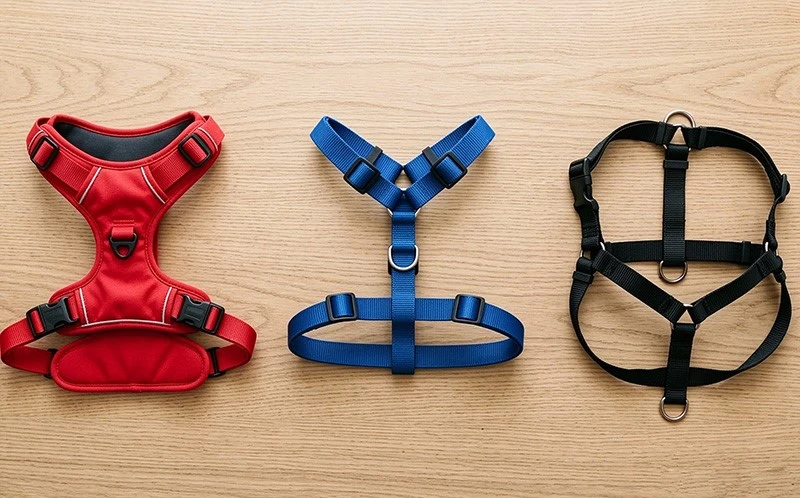
The structure of a dog harness directly influences how it fits and performs during everyday use.
Different harness constructions serve different product positioning and application requirements.
For example, an H-style harness offers a different strap arrangement from a vest-style harness. Step-in designs also have different wearing and fastening structures.
When developing a new product, buyers should consider:
Whether the harness is easy to put on and remove
Whether the straps remain in the intended position
Whether adjustment points are accessible
Whether the structure allows appropriate freedom of movement
Whether hardware and connection points are positioned correctly
These considerations should be evaluated using physical samples rather than relying entirely on drawings or product descriptions.
A design that looks attractive in a product image may still require structural adjustments before it is suitable for commercial production.
4. Test Product Samples Across Different Fit Scenarios
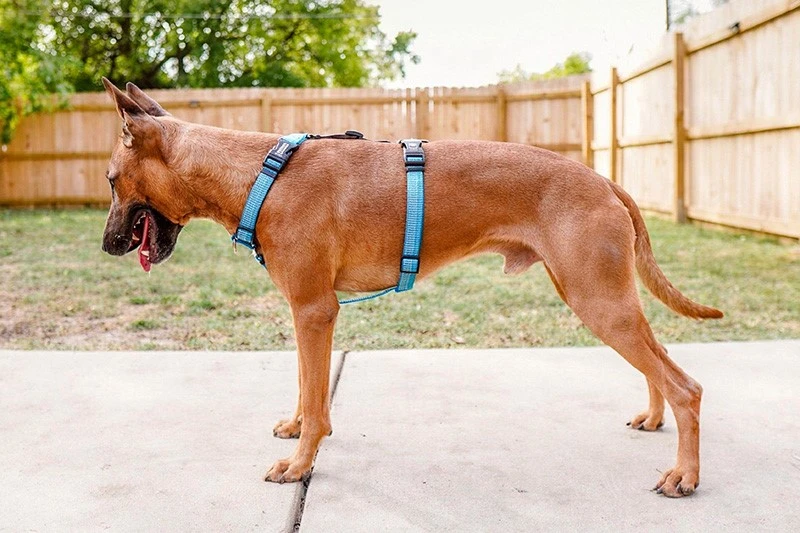
Sample approval should involve more than checking appearance, color, and workmanship.
Buyers should evaluate how the harness performs across the intended size range and different body proportions.
A practical development process can include:
First: Review the initial sample.
Check the overall construction, dimensions, adjustment system, stitching, buckles, and hardware placement.
Second: Evaluate different fit scenarios.
Where practical, test samples on dogs with different body proportions within the intended size category. Observe whether the harness remains properly positioned and whether adjustments provide sufficient flexibility.
Third: Record necessary modifications.
Document issues such as strap length, opening dimensions, buckle position, and structural balance.
Fourth: Confirm the revised sample.
The manufacturer should implement agreed changes and provide an updated sample for review before bulk production.
This process helps buyers identify potential fit problems before committing to larger purchase quantities.
5. Improve Product Information to Reduce Incorrect Size Selection
Not every harness return is caused by manufacturing problems. Some returns happen because customers misunderstand product measurements or choose the wrong size.
For brands selling through distributors, retailers, or e-commerce channels, product information is an important part of fit management.
Buyers should prepare clear and consistent sizing information, including:
Measurement instructions for neck and chest circumference
Actual product adjustment ranges
Recommended size ranges
Clear explanations of how to measure
Product images showing the adjustment points
Manufacturers can support this process by providing accurate product specifications and consistent sample measurements.
For private label projects, buyers should also ensure that size information remains consistent across product labels, packaging, catalogs, and online listings.
Clear information helps customers make better purchasing decisions and reduces avoidable returns.
6. Work With Manufacturers on Continuous Product Improvement
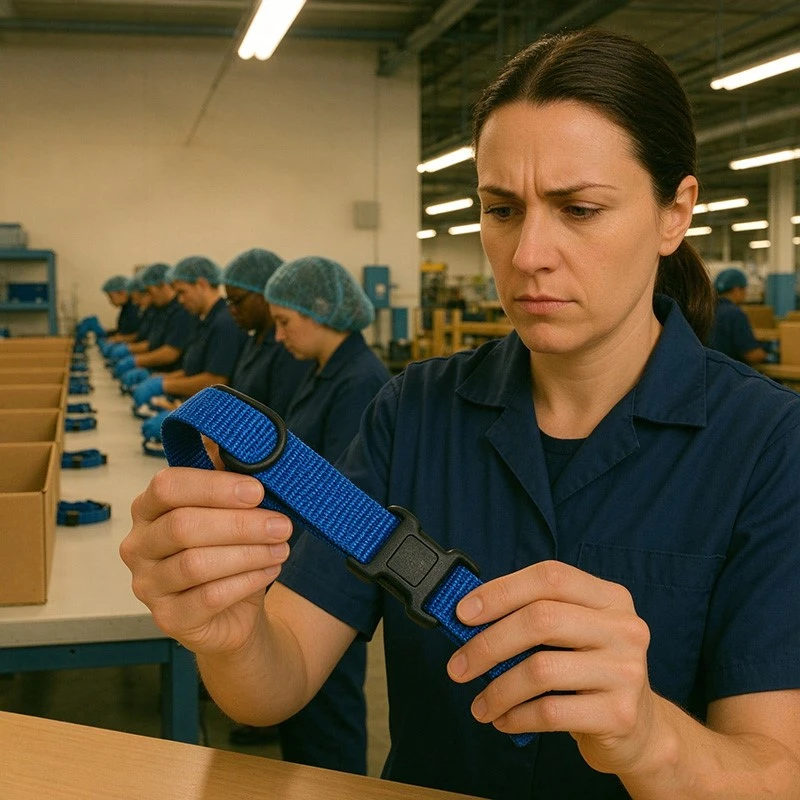
Fit-related complaints should not be treated as isolated after-sales problems.
When the same issue appears repeatedly, buyers should communicate the feedback to their manufacturing partners and evaluate whether a product revision is necessary.
For example:
Repeated complaints about tight chest straps may indicate insufficient adjustment range.
Reports of harness movement may suggest that the structure or strap positioning needs improvement.
Difficult fastening may indicate that buckle placement or the adjustment system should be reconsidered.
For brands with established product lines, manufacturers can help evaluate possible design modifications while maintaining consistency in materials, dimensions, and production requirements.
Before introducing changes into bulk orders, buyers should confirm revised specifications and approve the updated sample.
This approach helps prevent inconsistent product versions and makes future replenishment orders easier to manage.
Conclusion
Reducing dog harness returns requires more than offering additional sizes or selecting different materials. It involves coordinating product dimensions, structural design, sample evaluation, and accurate product information.
For importers, wholesalers, and pet brands, addressing fit problems during development can reduce avoidable after-sales costs and improve product consistency.
Working with an experienced dog harness manufacturer also makes it easier to evaluate design adjustments, confirm product specifications, and prepare products for repeat wholesale orders.
At GH Material, we support custom dog harness development with options for product structure, materials, colors, sizes, hardware, and branding. Buyers can discuss their product requirements and evaluate samples before moving forward with bulk production.
Frequently Asked Questions
What causes dog harness returns most often?
Common reasons include incorrect sizing, limited adjustment ranges, unsuitable product proportions, uncomfortable structural positioning, and unclear size information.
Should buyers test dog harness samples before bulk production?
Yes. Sample evaluation allows buyers to check dimensions, adjustment systems, construction, and practical fit before approving a bulk order.
Can manufacturers customize dog harness sizes?
Yes. Manufacturers can work with buyers to develop different size specifications, adjustment ranges, and product structures according to project requirements.
How can private label brands reduce sizing complaints?
Brands should provide accurate measurement instructions, consistent size charts, clear product information, and samples that have been evaluated before mass production.