

How to Evaluate Color Transfer in PVC Coated Webbing
Nov 18, 2026
Leave a message
Introduction
For pet product brands and importers, color is an important part of product development. A dog collar, leash, or harness must not only meet functional requirements but also maintain its appearance during everyday use.
PVC coated webbing is widely used in pet accessories because its coated surface is water-resistant, easy to clean, and available in different colors. However, buyers should pay attention to another potential issue: color transfer.
Color transfer occurs when color from the material moves onto another surface through friction, moisture, or repeated contact. If this happens during use, it may affect the appearance of the finished product and create customer complaints.
For B2B buyers sourcing PVC coated webbing, evaluating color transfer resistance before bulk production can help reduce unnecessary quality risks.
Why Color Transfer Matters in Pet Products
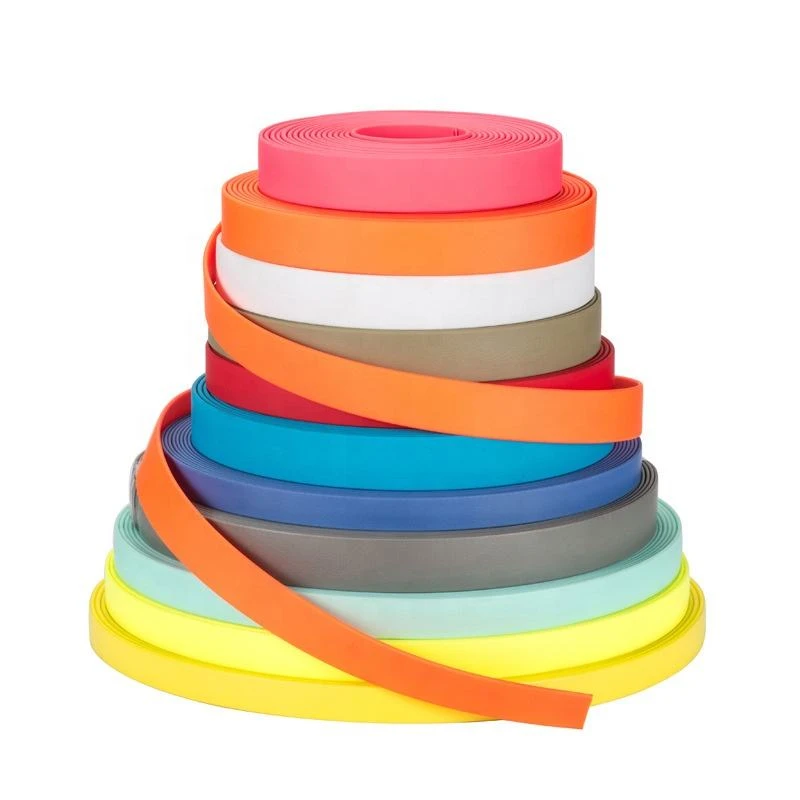
PVC coated webbing is commonly used in dog collars, leashes, harnesses, and other pet accessories. These products frequently come into contact with different surfaces.
For example:
A dark-colored dog collar may rub against a light-colored dog's coat.
A leash may repeatedly contact clothing or other accessories during walking.
Wet webbing may remain in contact with fabric after outdoor activities.
Different colored components may touch each other during storage and transportation.
If the color transfers easily, the affected surface may develop visible stains.
For brands selling products in multiple colors, this issue can influence customer satisfaction and the perceived quality of the entire product range.
What Factors Can Affect Color Transfer?
Several factors may influence the color transfer performance of PVC coated webbing.
Surface Condition
The condition of the PVC coating can influence how the material behaves during contact and friction. An uneven or poorly controlled surface may require additional evaluation.
PVC Formulation and Pigments
Different formulations and pigment systems can produce different color properties. Buyers should not assume that all PVC coated webbing in the same color will have identical performance.
Friction During Daily Use
Collars and leashes experience repeated contact with clothing, fur, hardware, and other surfaces. Continuous rubbing can reveal problems that may not be obvious when examining a new sample.
Moisture and Environmental Conditions
Rain, water, and cleaning can change the conditions under which coated webbing contacts other materials.
Buyers should therefore consider both dry and wet contact when evaluating products intended for outdoor use.
How Should Buyers Evaluate Color Transfer Resistance?

Before approving a PVC coated webbing sample, buyers can discuss a practical evaluation process with their manufacturer.
Dry Rubbing Evaluation
Rub the coated surface against a suitable white reference fabric using consistent pressure and repeated movements.
Check whether visible color appears on the reference fabric.
Wet Rubbing Evaluation
Repeat the evaluation using a controlled damp reference fabric.
This helps buyers understand whether moisture changes the likelihood of color transfer.
Contact Evaluation
For finished pet products, examine areas where different materials come into contact.
For example, check the interaction between colored PVC webbing, light-colored fabric, stitching, and other product components.
Finished Product Evaluation
Whenever possible, evaluate the complete collar, leash, or harness rather than relying exclusively on a loose webbing sample.
The finished product may involve additional materials and processing steps that affect its overall appearance.
For more formal quality assessments, buyers can discuss suitable rubbing colorfastness test methods, such as ISO 105-X12, with their supplier or testing laboratory. The applicability of a textile test method should be agreed upon for the specific coated material.
Why Should Buyers Test Before Bulk Production?
A sample that looks attractive does not automatically demonstrate suitable color transfer performance.
For importers and private-label brands, this is particularly important when developing products in several colors.
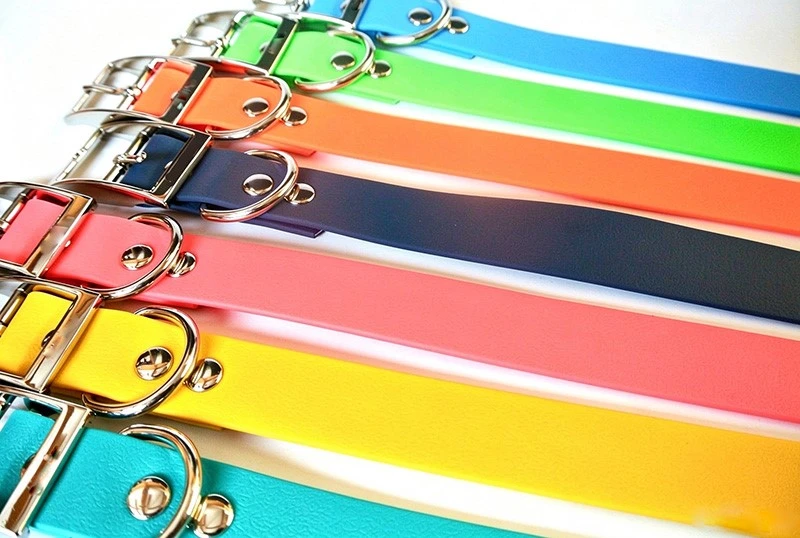
Consider a collection containing black, red, blue, and light-colored dog collars.
If the darker colors transfer onto other materials, the problem may affect only certain SKUs. However, it can still create additional inspection work, product replacement costs, and customer complaints.
Before approving the order, buyers should:
Confirm the required PVC webbing color.
Identify the intended product application.
Discuss dry and wet rubbing evaluation.
Agree on acceptable test results.
Keep an approved sample as a production reference.
Confirm that bulk materials meet the agreed requirements.
These steps help establish clearer expectations between the buyer and manufacturer.
What Should Buyers Include in Their PVC Webbing Specifications?
A clear specification makes it easier for manufacturers to understand the product requirements.
For PVC coated webbing used in pet products, buyers should consider including:
| Specification | Information to Confirm |
|---|---|
| Core material | Polyester or nylon |
| Webbing width | Required width in mm |
| Coating thickness | Required thickness |
| Color | Standard or customized color |
| Surface finish | Smooth or other specified finish |
| Application | Collar, leash, or harness |
| Color transfer | Agreed dry and wet evaluation criteria |
| Sample approval | Reference sample and acceptance requirements |
For products requiring custom colors, buyers should also provide a physical reference or suitable color specification.
The manufacturer can then evaluate the material requirements during development and sampling.
Working with a PVC Coated Webbing Manufacturer

Choosing a manufacturer that understands both coated webbing production and finished pet product requirements can make product development more coordinated.
GH Material manufactures PVC and TPU coated webbing for dog collars, leashes, harnesses, and other applications.
Our customization options include webbing width, thickness, color, flexibility, surface finish, and other project-specific requirements.
By connecting coated webbing production with finished pet product manufacturing, we can discuss material specifications in relation to the intended product application.
For overseas importers, wholesalers, and private-label brands, discussing color requirements and evaluation criteria before bulk production is an important part of developing consistent products.
Conclusion
Color transfer is a practical consideration when sourcing PVC coated webbing for pet accessories.
For buyers, evaluating dry and wet rubbing performance, checking material interactions, and confirming acceptance criteria before bulk production can help reduce avoidable quality problems.
A well-developed PVC coated webbing specification should consider more than color selection alone. It should also address how the material will behave in the finished product and during everyday use.
Looking for PVC coated webbing for your pet product collection?
Contact GH Material to discuss customized PVC coated webbing for dog collars, leashes, and harnesses. Share your required width, color, application, and estimated quantity to discuss a suitable material solution.
FAQ
Q: What is color transfer in PVC coated webbing?
A: Color transfer occurs when pigment or color from the coated material moves onto another surface through friction or contact under certain conditions.
Q: Can PVC coated webbing transfer color when wet?
A: It depends on the material formulation, coating quality, and environmental conditions. Wet rubbing evaluation can help buyers assess this risk.
Q: How can buyers test color transfer before ordering?
A: Buyers can discuss dry and wet rubbing evaluations using a suitable reference fabric and agreed testing conditions with their manufacturer.
Q: Does color transfer affect dog collars and leashes?
A: It can affect the appearance of nearby materials, clothing, or other product components, potentially leading to customer complaints.
Q: What should buyers confirm before bulk production?
A: Buyers should confirm the color reference, material construction, surface requirements, evaluation method, acceptance criteria, and approved sample.