

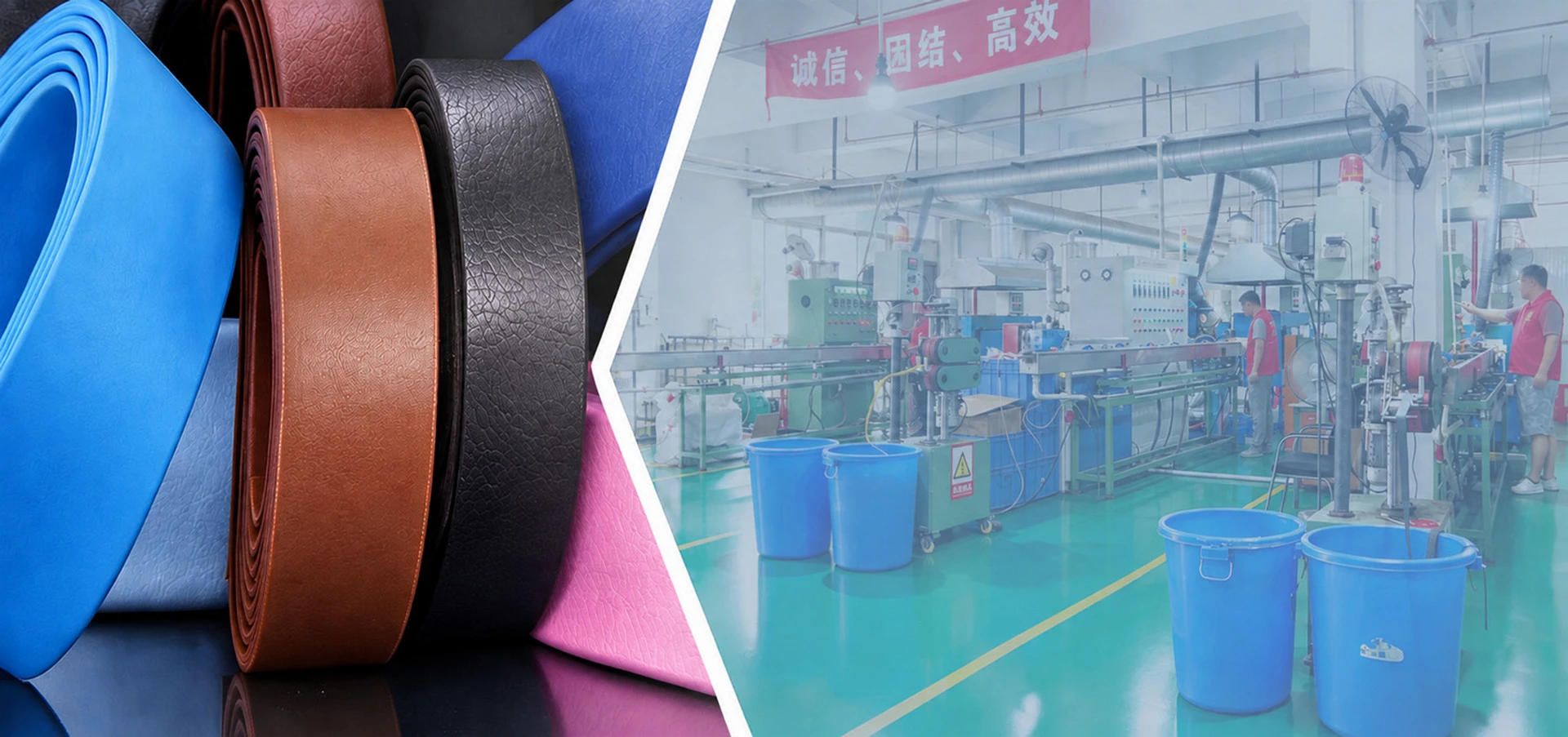
Why PVC and TPU Coated Webbing Develops Surface Defects
Nov 04, 2026
Leave a message
PVC and TPU coated webbing are widely used in dog collars, leashes, harnesses, bag straps, and other products that require water resistance and durability. However, achieving a smooth and consistent coated surface is not always straightforward.
During manufacturing, coated webbing may develop bubbles, surface cracks, uneven thickness, rough textures, or poor coating adhesion. These defects can affect not only product appearance but also flexibility, durability, and performance during everyday use.
For importers, wholesalers, and pet product brands, understanding these manufacturing problems is important when evaluating suppliers and approving bulk orders.
Rather than focusing only on the material specification, buyers should understand what causes common coating defects, how manufacturers identify them, and what quality controls can help prevent them.
What Causes Bubbles in PVC and TPU Coated Webbing?
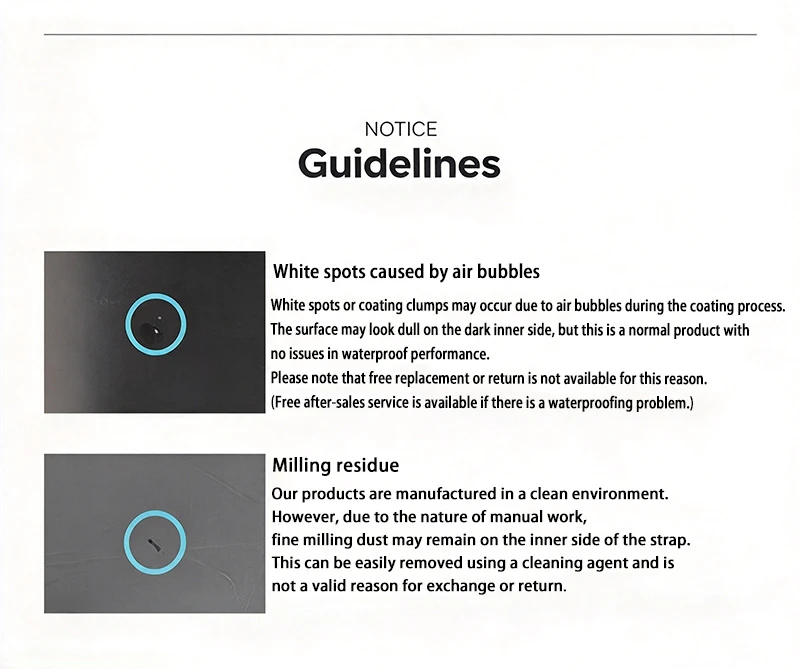
Bubbles are among the most noticeable surface defects in coated webbing. They may appear as small raised spots, air pockets, or irregular areas beneath the coating surface.
Several manufacturing conditions can contribute to this problem.
Moisture in the Reinforcement Webbing
If the polyester or nylon reinforcement contains excessive moisture before coating, heating during extrusion may cause moisture-related bubbles or surface irregularities.
Proper material preparation and suitable drying conditions help reduce this risk.
Trapped Air During Coating
Air may become trapped between the polymer coating and reinforcement webbing when material feeding, webbing tension, or coating conditions are unstable.
This can result in localized bubbles or inconsistent surface contact.
Unstable Processing Conditions
Fluctuations in extrusion temperature, material flow, or production speed may affect coating consistency. In some cases, these variations can contribute to surface defects.
How Manufacturers Can Prevent Bubbles
Check the condition and moisture level of reinforcement materials.
Maintain stable webbing tension during production.
Monitor extrusion temperature and polymer flow.
Inspect the coated surface regularly during production.
Identifying bubbles early helps manufacturers prevent defective material from continuing through the production line.
Why Does Coated Webbing Develop Cracks?
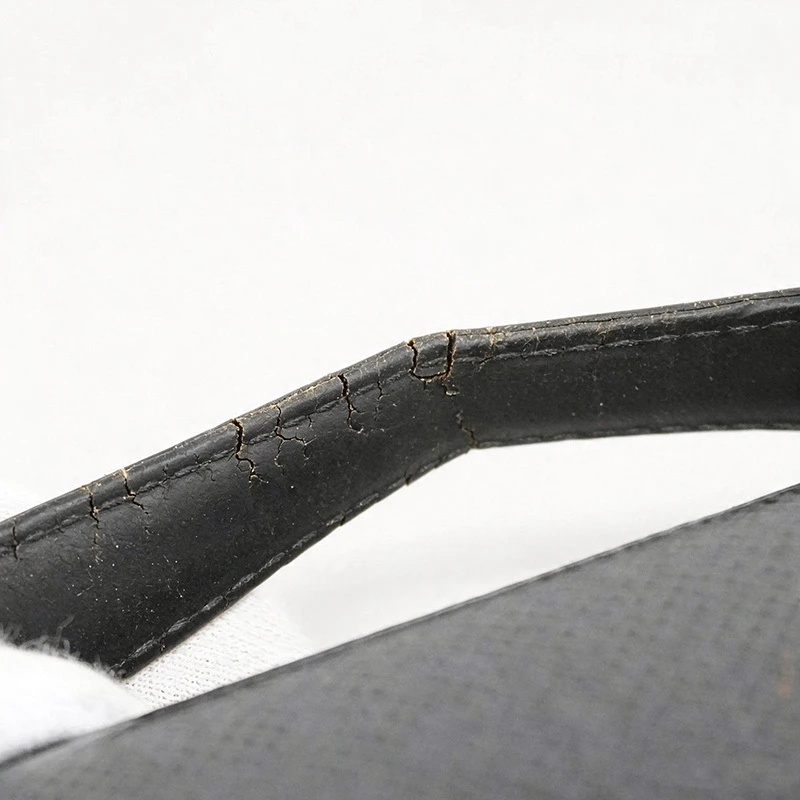
Cracking can affect both the appearance and functional performance of PVC and TPU coated webbing.
Unlike minor surface marks, cracks may expose the underlying reinforcement material and reduce the product's resistance to moisture and repeated use.
Common contributing factors include:
Material Formulation
The flexibility of PVC and TPU depends on their specific formulations. Material hardness, additives, and polymer characteristics all influence how the coating responds to bending and environmental conditions.
An unsuitable formulation for the intended application may increase the risk of cracking.
Excessive Hardness or Coating Thickness
A coating that is too rigid for the intended application may have difficulty withstanding repeated bending.
Similarly, inappropriate thickness or an unsuitable combination of material hardness and product structure may affect flexibility.
Low-Temperature Conditions
Some formulations become less flexible as temperatures decrease. If the selected material is not suitable for the expected operating environment, cracking may occur during cold-weather use or repeated bending.
How Manufacturers Can Reduce Cracking Risks
Select material formulations according to the intended application.
Evaluate hardness and flexibility together.
Control coating thickness and dimensional consistency.
Conduct repeated bending and low-temperature testing when relevant.
For dog collars and leashes, flexibility should be considered alongside abrasion resistance and overall product strength.
What Causes Uneven Coating Thickness and Surface Defects?
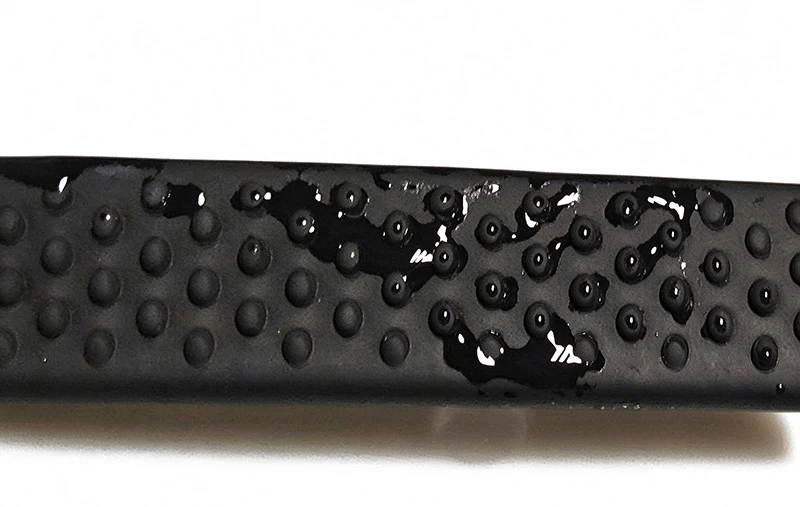
A coated webbing product should have consistent dimensions and a uniform surface appearance.
However, production variations may cause differences in width, thickness, surface smoothness, or coating distribution.
Several factors may contribute to these problems.
Unstable Webbing Tension
If the reinforcement webbing moves unevenly through the extrusion line, the coating may not be distributed consistently.
Die or Equipment Contamination
Polymer residue or accumulated material around the extrusion die can affect the appearance of the finished surface.
Scratches, rough areas, and irregular patterns may develop if equipment conditions are not properly controlled.
Cooling and Dimensional Control
Uneven cooling or inconsistent production conditions may affect the final dimensions and surface quality of the coated webbing.
How Manufacturers Can Improve Consistency
Regularly inspect and clean extrusion equipment.
Monitor webbing alignment and production tension.
Check width and thickness at defined intervals.
Maintain consistent cooling and production conditions.
Compare finished samples against approved specifications.
For buyers ordering multiple colors or widths, dimensional consistency is particularly important because the webbing must fit the selected hardware and product construction.
Why Can the Coating Separate from the Reinforcement Webbing?
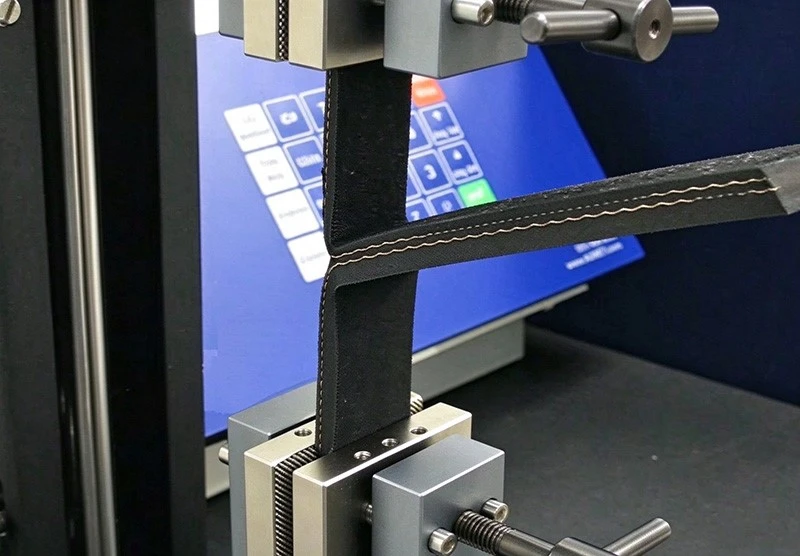
Coating adhesion is a critical quality factor in PVC and TPU coated webbing.
If the polymer layer does not bond properly with the polyester or nylon reinforcement, the coating may peel, separate, or become damaged during repeated bending and use.
Potential causes include:
Incompatible Material Combinations
The polymer formulation and reinforcement material must be suitable for the selected coating process.
Poor compatibility may affect bonding performance.
Insufficient Processing Control
Extrusion temperature, material flow, pressure, and production speed can influence how effectively the coating integrates with the reinforcement structure.
Contamination on the Reinforcement Surface
Dust, oil, or other contaminants may interfere with the bonding process and create weak areas.
How Manufacturers Can Control Adhesion Quality
Check reinforcement material cleanliness.
Confirm that the polymer formulation is suitable for the substrate.
Maintain stable extrusion conditions.
Perform coating adhesion or peel tests on production samples.
Inspect the material after bending and repeated handling.
For B2B buyers, coating adhesion should be evaluated as part of the overall material quality rather than judged only by visual appearance.
How Should Manufacturers Inspect Coated Webbing Before Bulk Production?
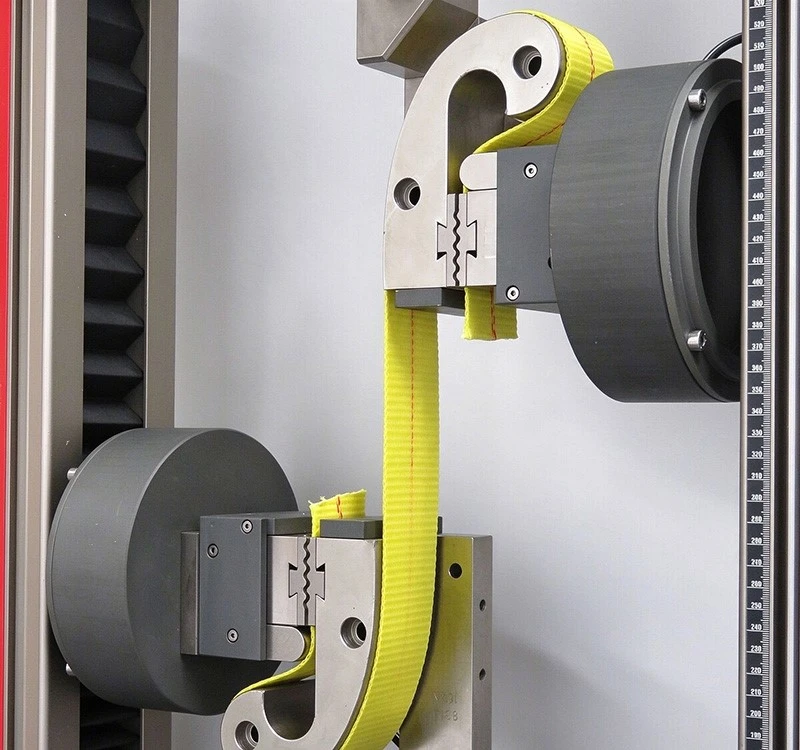
Preventing defects requires more than checking the finished roll at the end of production.
A structured quality inspection process helps manufacturers identify problems at different production stages.
Important inspection areas include:
Incoming Material Inspection
Check the reinforcement webbing for width, thickness, surface condition, and consistency before coating.
In-Process Inspection
Monitor coating appearance, dimensions, material flow, and production stability during extrusion.
Finished Product Inspection
Inspect the completed webbing for:
Bubbles and surface irregularities.
Cracks or visible coating damage.
Uneven width and thickness.
Coating peeling or separation.
Color and surface finish consistency.
Performance Testing
Depending on the application, manufacturers should also evaluate:
Tensile and breaking strength.
Coating adhesion.
Flexibility and repeated bending performance.
Abrasion resistance.
Water resistance.
Low-temperature flexibility where required.
Test methods and acceptance criteria should be agreed upon according to the product specifications and intended application.
For custom pet products, buyers should also confirm that the selected webbing performs properly after assembly with buckles, D-rings, and other hardware.
What Should Buyers Ask Before Placing a Bulk Order?
When sourcing PVC or TPU coated webbing, buyers should not rely entirely on product photographs or supplier descriptions.
A professional supplier should be able to explain its manufacturing controls and provide relevant quality inspection information.
Before confirming a bulk order, consider asking:
How do you control coating thickness and dimensional consistency?
What inspection methods are used to identify bubbles and surface defects?
How do you evaluate coating adhesion?
Can you provide tensile strength and flexibility test results for the specified product?
How do you maintain color and quality consistency between production batches?
What happens if the bulk production sample does not meet the approved specifications?
It is also important to approve a representative sample before mass production.
The approved sample should clearly define material type, width, thickness, hardness, color, surface finish, and relevant performance requirements.
This gives both the buyer and manufacturer a common quality reference throughout production.
Conclusion
Bubbles, cracks, uneven coating thickness, and poor adhesion are common manufacturing risks that can affect the quality of PVC and TPU coated webbing.
These problems are not necessarily caused by one single factor. Material formulation, reinforcement preparation, extrusion conditions, equipment maintenance, and quality inspection can all influence the final result.
For importers, wholesalers, and pet product brands, choosing a supplier should involve more than comparing prices and product appearance. Understanding how a manufacturer controls production defects is an important part of reducing quality risks in bulk purchasing.
At GH Material, we manufacture PVC and TPU coated webbing for pet product applications, with customization options covering width, thickness, color, hardness, flexibility, and surface finish.
Our production capabilities and quality inspection procedures support the development of coated webbing for dog collars, leashes, harnesses, and other customized applications.
Looking for a coated webbing manufacturer for your next bulk order? Contact GH Material to discuss your product specifications and quality requirements.