

How to Reduce Pet Product Returns Through Better Design
Nov 05, 2026
Leave a message
Product returns can quietly reduce the profitability of pet brands, especially for companies selling dog collars, leashes, and harnesses through wholesale and e-commerce channels. While pricing and marketing influence purchasing decisions, product design has a direct impact on customer satisfaction, repeat orders, and long-term brand reputation.
For pet brands, importers, and wholesalers, reducing returns should start before mass production. Better sizing, reliable hardware, suitable materials, and careful sample evaluation can help prevent many common product problems.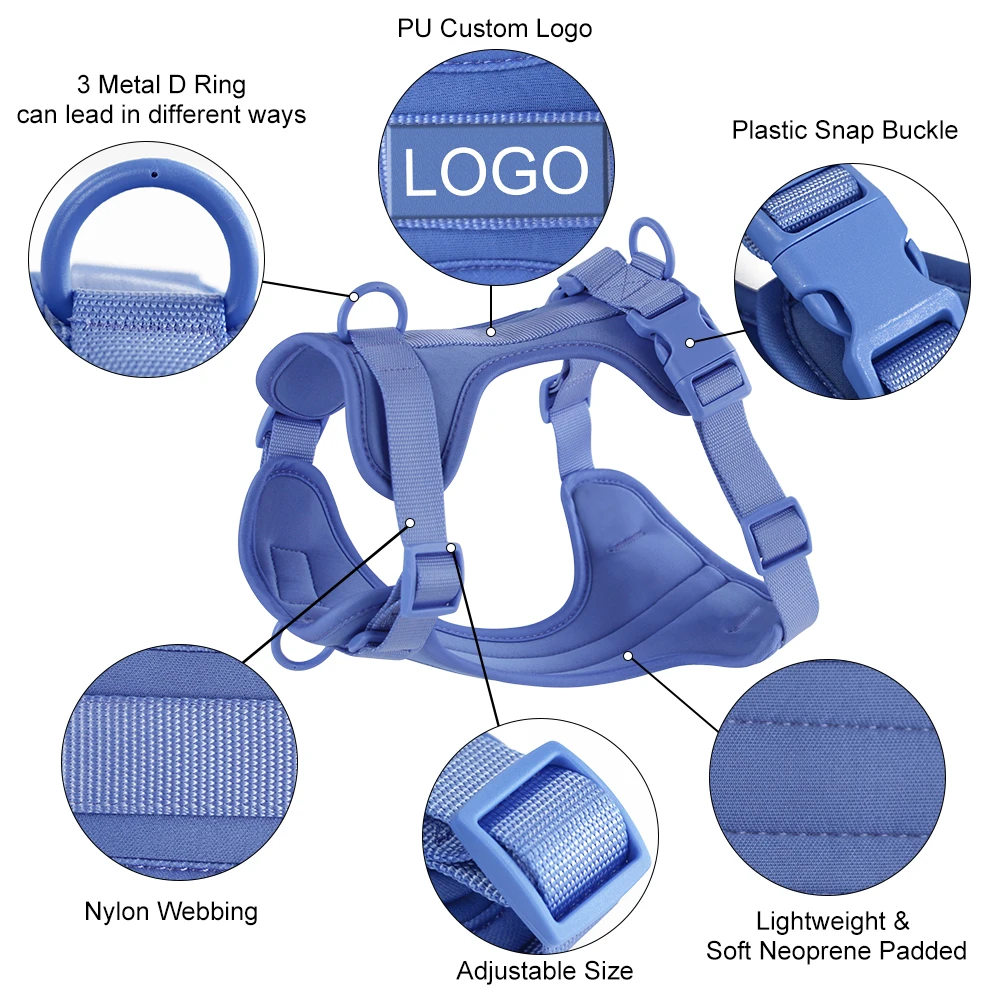
Develop More Accurate Sizing and Adjustment Structures
Incorrect sizing is one of the common reasons customers return pet collars and harnesses.
A product may look attractive in product photography but fail to fit different dog breeds and body shapes. Limited adjustment ranges, unclear size charts, and poorly positioned adjustment points can all affect the wearing experience.
Pet brands should consider the following during product development:
Define clear neck and chest measurement ranges for each size.
Provide sufficient adjustment space without compromising product stability.
Evaluate how straps sit on different dog body shapes.
Check whether adjustment buckles remain secure during normal use.
Testing samples on different dog sizes can help identify fitting problems before bulk production.
Select Materials Based on Actual Usage Conditions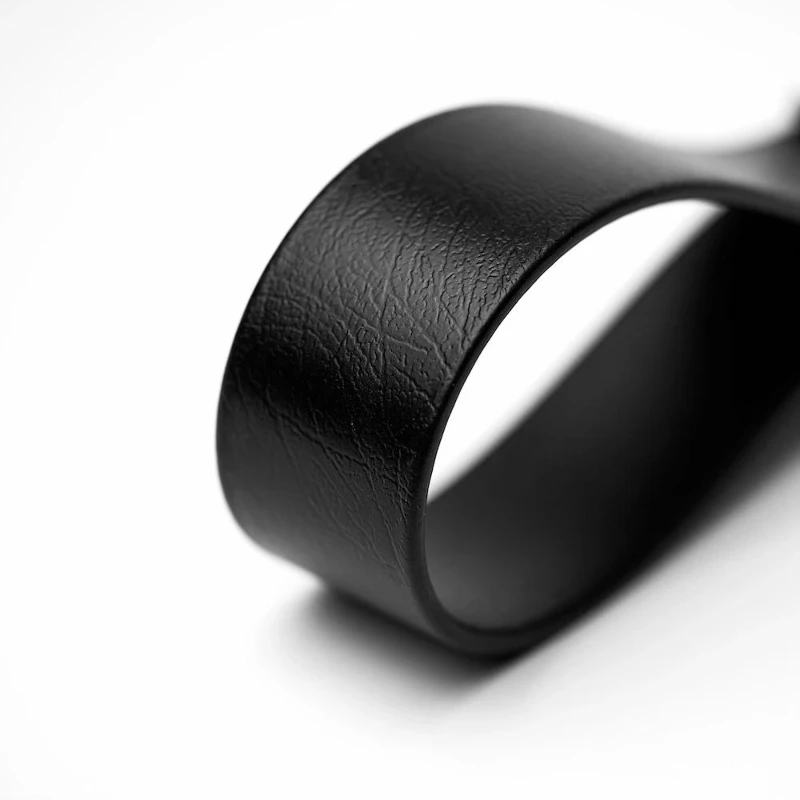
Material selection affects product durability, maintenance, appearance, and customer expectations.
For example, dog collars and leashes designed for outdoor use may require materials that resist water, dirt, and repeated abrasion. Products intended for everyday walking may place greater emphasis on flexibility, comfort, and ease of cleaning.
PVC and TPU coated webbing are useful options for certain pet gear applications.
PVC coated webbing can offer a practical balance between cost and everyday performance, while TPU coated webbing can be considered for product lines requiring different flexibility and surface-performance characteristics.
However, brands should not select materials based on appearance alone. They should evaluate:
Surface wear resistance
Flexibility during repeated bending
Water and stain resistance
Coating adhesion
Compatibility with buckles and other hardware
Choosing materials according to the intended application helps reduce the risk of product performance complaints.
Pay Attention to Hardware and Connection Design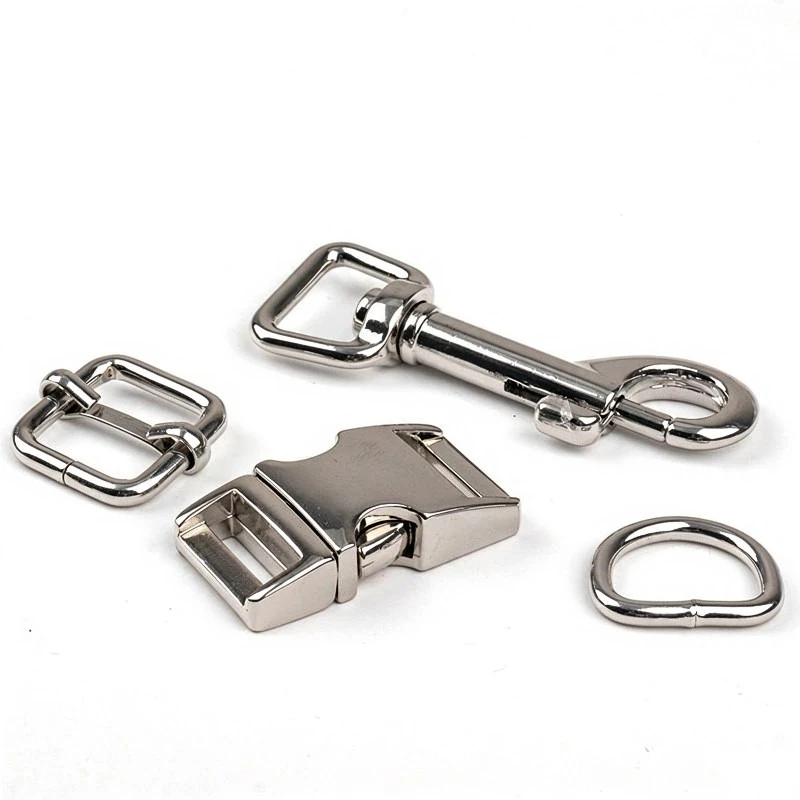
Hardware components are small, but their performance can significantly influence the reliability of pet products.
Common issues include loose buckles, difficult-to-operate adjustment hardware, weak connection points, and swivel hooks that do not operate smoothly.
During development, manufacturers and buyers should evaluate:
Buckle locking and release performance
D-ring and hook connection strength
Adjustment hardware stability
Compatibility between hardware dimensions and strap width
Overall assembly consistency
For products intended for larger dogs or more demanding applications, load-related testing should be considered according to the product's intended use.
A well-designed strap cannot compensate for poorly selected hardware. The complete product structure needs to work together.
Control Differences Between Samples and Bulk Production
Another source of product returns is inconsistency between approved samples and delivered orders.
A sample may have the correct color, dimensions, stitching, and hardware, but bulk production can introduce variations if specifications are not clearly documented.
Before mass production, pet brands should confirm:
Approved material and color references
Product dimensions and measurement tolerances
Hardware specifications
Logo position and application method
Packaging and labeling requirements
Inspection criteria
Manufacturers should also establish quality checks at different production stages.
At GH Material, the quality control process covers IQC, IPQC, FQC, and OQC. These stages help monitor incoming materials, production processes, finished products, and outgoing shipments.
Clear specifications and consistent inspection standards help reduce avoidable differences between approved samples and bulk orders.
Test Products Before Expanding the Product Range
Expanding a product range too quickly can create additional quality and inventory risks.
Instead of launching many variations simultaneously, brands can begin with a focused selection of products and evaluate actual market feedback.
For example, a new dog harness collection can initially focus on several practical sizes and color combinations. After reviewing customer feedback, return reasons, and sales performance, the brand can decide which variations deserve further development.
This approach helps buyers avoid investing too much inventory in products that have not yet demonstrated commercial potential.
Work With a Manufacturer That Understands Product Development
Reducing product returns requires cooperation between the brand and its manufacturing partner.
A capable OEM/ODM manufacturer should be able to discuss material selection, product structure, size specifications, hardware compatibility, logo customization, and production requirements before bulk orders begin.
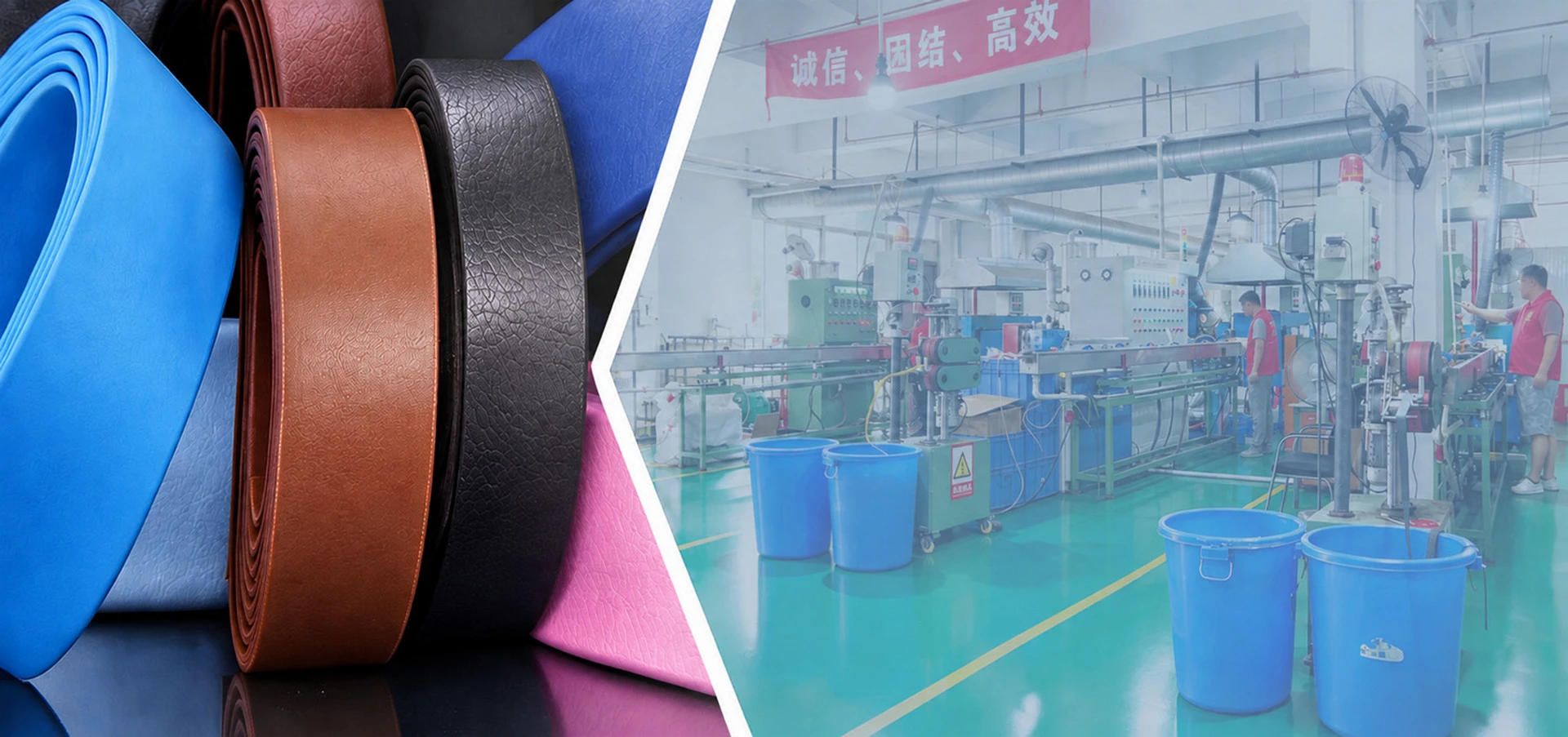
GH Material, established in 2009 in Huizhou, China, provides pet product manufacturing and customization services, including dog collars, leashes, and harnesses.
For selected customized products, GH Material supports specifications such as product size, color, logo, and structural adjustments. Our experience with PVC and TPU coated webbing also provides material options for pet gear applications requiring waterproof and easy-clean surfaces.
By confirming product requirements during the development stage, buyers can make more informed decisions before moving into mass production.
Conclusion
Reducing pet product returns is not simply a matter of improving final inspection. It starts with better product design, appropriate material selection, reliable hardware, accurate sizing, and clear production specifications.
For pet brands, importers, and wholesalers, investing more attention in product development before bulk production can help reduce avoidable quality issues, protect profit margins, and build stronger customer relationships.
Looking for a manufacturing partner for customized dog collars, leashes, or harnesses?
Contact GH Material to discuss your pet product development and OEM/ODM requirements.
Frequently Asked Questions
Q: What Causes The Most Common Returns Of Dog Collars And Harnesses?
A: Common reasons include incorrect sizing, uncomfortable fitting, hardware problems, material expectations not being met, and differences between product descriptions and delivered products.
Q: How Can Pet Brands Reduce Sizing-Related Returns?
A: Brands should establish clear measurement ranges, test samples on different dog sizes, and provide accurate size charts with practical adjustment ranges.
Q: Are PVC And TPU Coated Webbing Suitable For Dog Collars And Leashes?
A: They can be suitable for applications requiring water-resistant, easy-clean, and wear-resistant strap materials. The final selection should depend on the product design, intended use, and performance requirements.
Q: What Should Buyers Check Before Approving Bulk Production?
A: Buyers should confirm product dimensions, materials, colors, hardware, logo details, packaging, and inspection standards using an approved sample and documented specifications.
Q: Can GH Material Customize Dog Collars, Leashes, And Harnesses?
A: Yes. GH Material supports customization of selected pet products, including size, color, logo, and product structure, subject to product requirements and confirmation during development.