

What Should Importers Include in a Pet Product RFQ?
Nov 05, 2026
Leave a message
When sourcing pet products from overseas manufacturers, requesting a quotation is often the first step toward a potential business relationship. However, a short message asking for the price of a dog collar, leash, or harness rarely provides enough information for a factory to prepare an accurate quotation.
For importers, wholesalers, and private-label pet brands, a well-prepared pet product RFQ (Request for Quotation) can reduce unnecessary communication, clarify product requirements, and help suppliers evaluate production feasibility.
The goal is not to create a complicated document. It is to provide enough product, customization, and purchasing information for manufacturers to understand exactly what you want to source.
Here are the key details buyers should include when preparing a pet product RFQ.
Identify the Product and Its Intended Application
Start by clearly identifying the product you want to purchase.
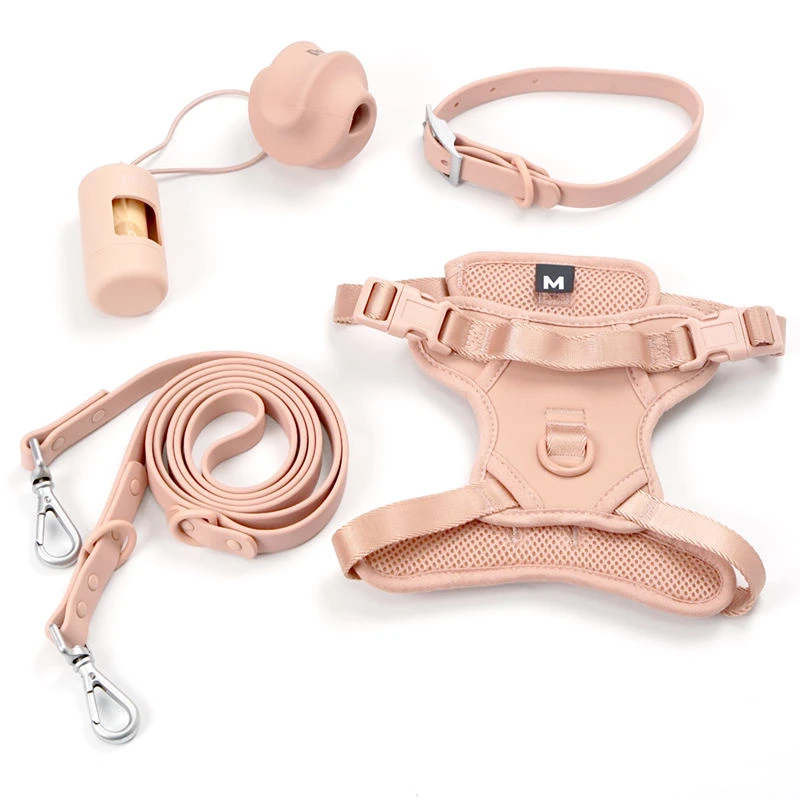
Instead of simply writing "dog accessories," specify whether you need:
Dog collars
Dog leashes
Dog harnesses
Pet waste bag holders
Matching collar and leash sets
Other selected pet accessories
The intended application also matters. For example, a dog leash designed for everyday walking may have different requirements from one intended for outdoor activities or training.
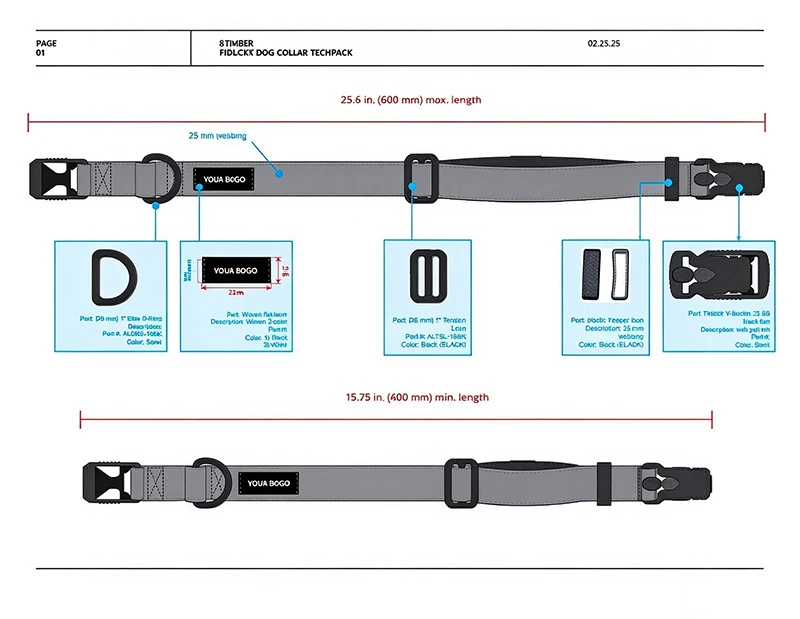
If possible, provide reference photographs, product links, technical drawings, or an existing physical sample.
These references help manufacturers understand the expected appearance, construction, and functional requirements before discussing production.
Provide Detailed Product Specifications
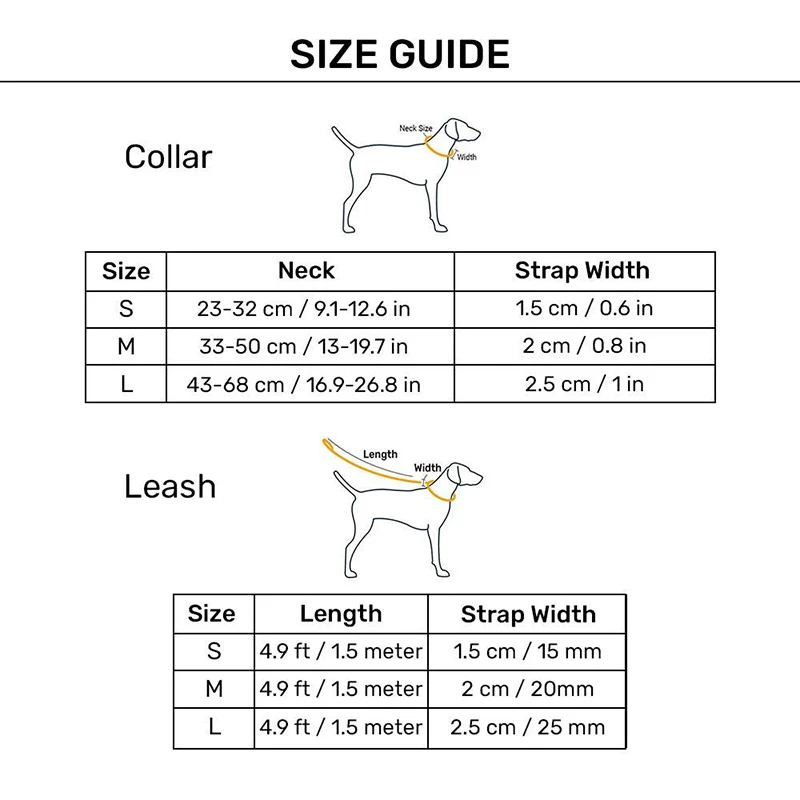
Product specifications are among the most important parts of a pet product RFQ.
Two products may look similar but require different materials, components, and manufacturing processes.
For dog collars, leashes, and harnesses, consider providing the following information:
| Specification | Information to Include |
|---|---|
| Product dimensions | Length, width, thickness, and size range |
| Main material | PVC, TPU, polyester, |
| Color | Standard color reference or color sample |
| Construction | Product structure, stitching, and assembly details |
| Hardware | Buckles, D-rings, swivel hooks, and adjusters |
| Surface finish | Smooth, textured, printed, or embossed |
| Performance | Required strength, flexibility, or water resistance |
Not every project needs a fully completed specification sheet at the beginning.
If you are still developing a product, explain which specifications are fixed and which ones can be recommended by the manufacturer.
This allows the factory to suggest practical alternatives without making assumptions about your requirements.
Clarify Customization and Private Label Requirements
For private-label businesses, customization should be discussed before requesting a final quotation.
Common customization requirements include:
Custom product dimensions and sizes
Material and color selection
Logo printing or embossing
Custom hardware and accessories
Woven labels and hangtags
Retail packaging and branded boxes
Importers should provide logo files, artwork, or visual references whenever available.
It is also important to identify the required logo position, printing method, and packaging format.
For example, a custom dog collar project may require a specific TPU coated webbing color, a branded logo, selected metal hardware, and an individual retail package.
Each requirement may affect material preparation, production processes, minimum order quantities, and final pricing.
Specify Order Quantities by Product, Size, and Color
One of the most common reasons for inaccurate quotations is an unclear order quantity.
Writing "1,000 pieces" does not necessarily provide enough information.
A manufacturer needs to understand how the total quantity is distributed.
For example:
| Product | Size | Color | Quantity |
|---|---|---|---|
| Dog Collar | S | Black | 200 pcs |
| Dog Collar | M | Black | 300 pcs |
| Dog Collar | L | Blue | 200 pcs |
| Dog Leash | Standard | Black | 300 pcs |
| Total | 1,000 pcs |
Buyers should also clarify:
Initial trial order quantity
Expected quantity for future orders
Number of product variations
Whether different products will be ordered together
If your quantities are not finalized, request quotations at different quantity levels.
This helps you understand how production volume may affect unit pricing and MOQ requirements.
Include Packaging and Labeling Requirements
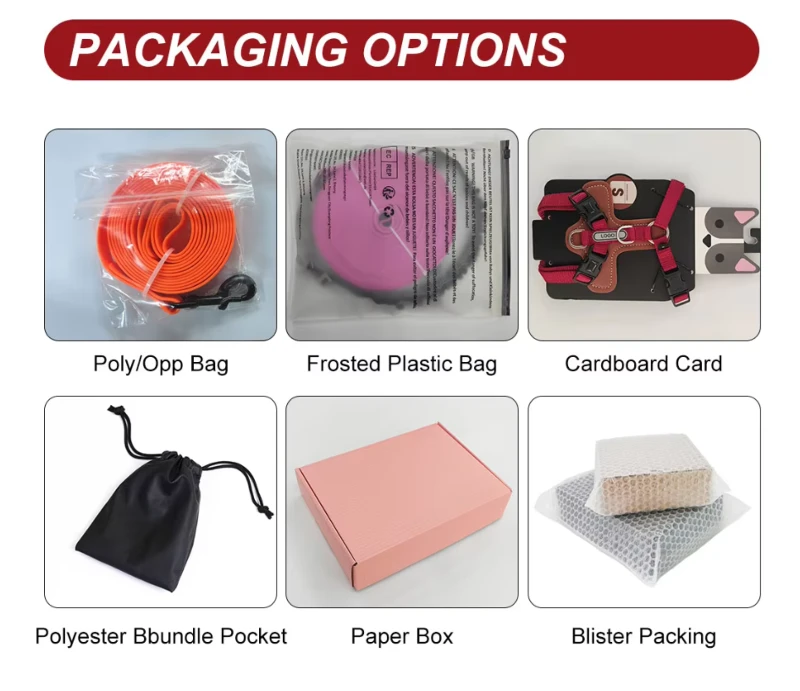
Packaging is another detail that should not be overlooked when preparing a pet product RFQ.
A standard export package and a branded retail package are not necessarily the same.
Depending on your sales channel, you may require:
Individual polybags
Printed paper cards
Hangtags
Custom retail boxes
Barcode labels
Product information inserts
Master carton markings
For wholesale and retail distribution, packaging dimensions and carton quantities may also affect shipping arrangements and warehouse handling.
If your packaging artwork is not ready, indicate whether you need standard packaging, customized packaging, or quotations for both options.
State the Destination Market and Quality Requirements
The destination market helps the manufacturer understand the intended sales environment and the buyer's documentation and product requirements.
For example, an importer purchasing pet accessories for the US market may have different labeling, documentation, and internal quality requirements from a buyer serving another market.
Your RFQ should identify:
Destination country
Intended sales channel
Required product labeling
Requested testing or inspection
Relevant documentation requirements
For quality control, buyers can also identify the inspection points that matter to their products.
For dog collars, leashes, and harnesses, these may include:
Product dimensions
Stitching and assembly
Hardware installation
Material appearance
Coating condition
Required strength checks
Be specific about mandatory requirements and distinguish them from preferred options. Any applicable compliance or testing requirements should be confirmed for the actual product and destination market.
Clarify Sample, Delivery, and Commercial Requirements
Before placing a bulk order, many importers want to evaluate a sample.
Your RFQ should indicate whether you need:
Material samples
Existing product samples
Customized development samples
Pre-production samples
You should also provide your target purchasing schedule.
Important commercial details include:
Requested sample completion date
Expected bulk production schedule
Destination port or delivery location
Preferred shipping terms
Payment requirements
Quotation currency
If you have a target delivery date, communicate it early so the manufacturer can evaluate whether the schedule is achievable.
Final production timing should be confirmed after specifications, samples, quantity, and other project details are agreed.
Send the Same RFQ Information to Every Supplier
If you are comparing several manufacturers, send them the same product specifications, quantity breakdown, customization requirements, and packaging details.
Otherwise, different suppliers may calculate their quotations based on different assumptions.
When reviewing quotations, compare more than the unit price.
Check whether each quotation includes the same:
Product specifications
Material and hardware
Customization requirements
Packaging
Sample and development costs
Production lead time
Shipping terms
Ask suppliers to identify any excluded items or proposed substitutions.
A lower quotation is not necessarily a better purchasing decision if important product or packaging requirements have been excluded.
How GH Material Supports Custom Pet Product Projects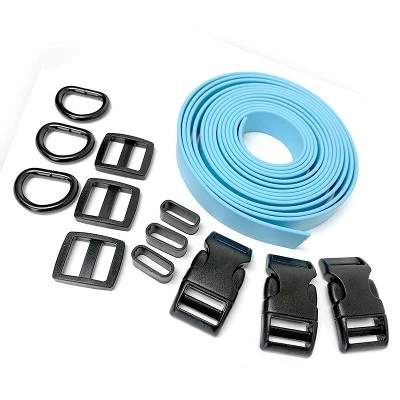
At GH Material, we work with overseas B2B buyers on custom pet products, including dog collars, leashes, harnesses, and selected accessories.
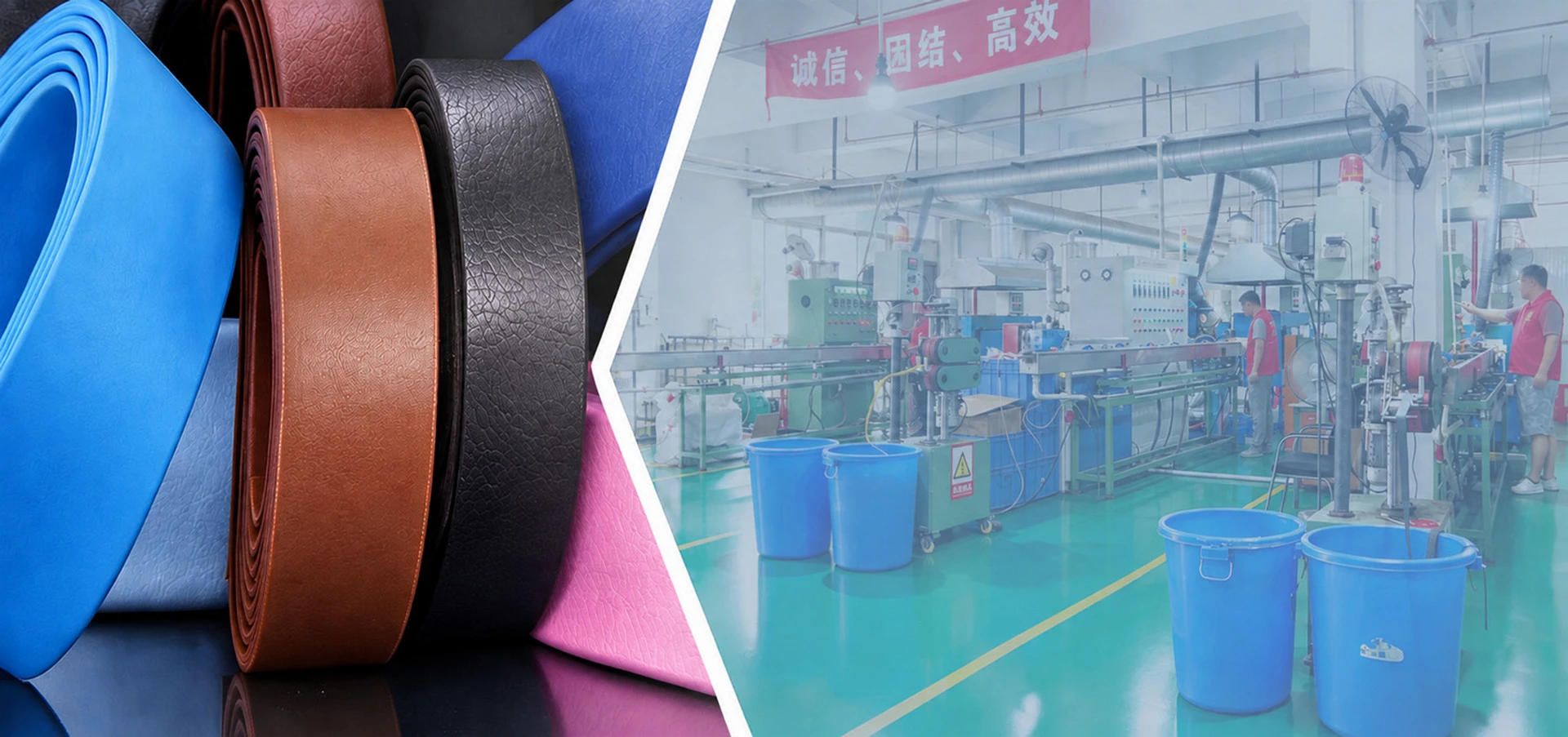
Our capabilities include PVC and TPU coated webbing production, material customization, and finished pet product assembly.
Depending on the project, buyers can discuss:
Custom product dimensions and colors
PVC or TPU coated webbing options
Buckles, D-rings, hooks, and adjusters
Logo printing and embossing
Custom labels and packaging
Sample development and bulk production
Our manufacturing experience since 2009 supports communication from product requirements and specification confirmation to sample evaluation and production.
If you already have a product drawing, reference sample, or specification sheet, you can share it with us for an initial review.
A Clear RFQ Is the First Step Toward Better Sourcing
A detailed pet product RFQ helps importers communicate their purchasing requirements more effectively and gives manufacturers a clearer basis for evaluating the project.
Whether you are developing a new private-label pet product or sourcing products for wholesale distribution, providing the right information at the beginning can make quotation discussions more efficient.
Looking for a manufacturing partner for your next pet product project?
Contact GH Material with your product references, specifications, estimated quantities, and customization requirements.
Frequently Asked Questions
Q: What Is An RFQ In Pet Product Sourcing?
A: An RFQ, or Request for Quotation, is a document or structured inquiry that buyers send to manufacturers to request product pricing and production information based on specific requirements.
Q: Can I Request A Quotation Without Technical Drawings?
A: Yes. You can start with product photographs, reference links, existing samples, or a basic product description. The manufacturer can review the available information and identify specifications that still need confirmation.
Q: Why Does The Manufacturer Need Quantities By Size And Color?
A: Different sizes and colors may require separate materials, production arrangements, or customization work. A quantity breakdown helps manufacturers evaluate MOQ and prepare more accurate quotations.
Q: Should I Include Logo And Packaging Requirements In My First RFQ?
A: Yes. Logo application, labels, and retail packaging can affect production costs, setup requirements, and lead time. Including them early helps avoid unexpected quotation changes.
Q: What Should I Do After Receiving A Pet Product Quotation?
A: Compare the quoted specifications, materials, quantities, customization, packaging, sample arrangements, production schedule, and commercial terms. Confirm any differences in writing before approving the sample or bulk order.