

Why Assembly Accessibility Matters in Custom Pet Product Design
Nov 28, 2026
Leave a message
Why Assembly Accessibility Matters in Custom Pet Product Design
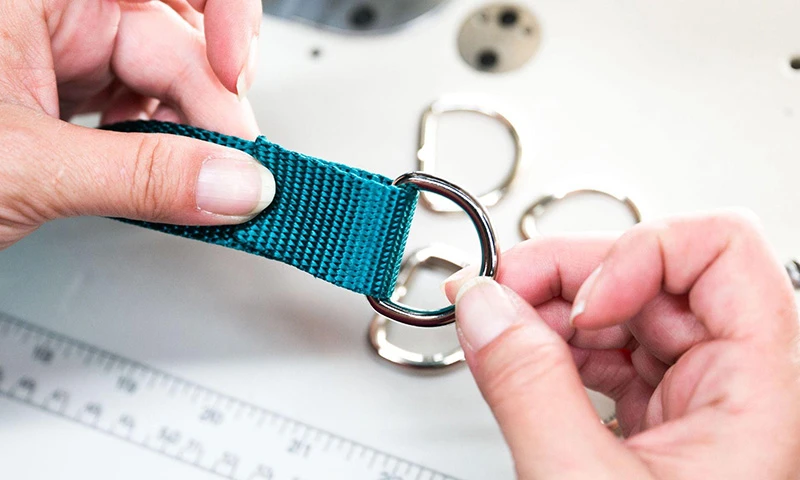
A custom pet accessory can look simple in a product drawing but become difficult to manufacture when individual components are assembled.
A buckle may fit the intended design, but there may not be enough room to position it correctly. A metal ring may be placed too close to another component, making installation difficult. A connection point may be accessible during early assembly but become difficult to reach after surrounding parts have been attached.
These issues are related to assembly accessibility: whether workers and production equipment can reach, position, attach and secure each component during manufacturing.
For pet brands developing custom collars, leashes and harnesses, assembly accessibility deserves attention before the product design is finalized. A design that considers the actual assembly process can help reduce unnecessary handling, avoid difficult production operations and improve manufacturing repeatability.
1. Component Placement Must Allow Practical Access
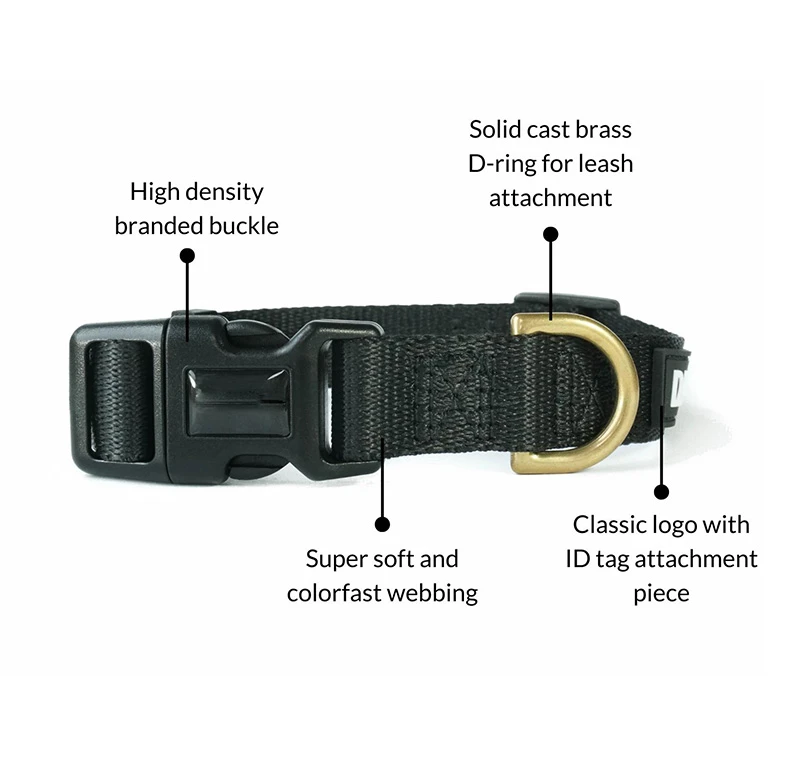
The position of a component affects more than the appearance of a finished pet accessory.
Consider a dog collar with a buckle, D-ring and adjustment hardware. Each component needs sufficient surrounding space for installation and positioning.
If two components are placed too close together, they may interfere with each other's installation. A buckle may restrict access to a nearby connection point, or an adjustment component may leave insufficient room for the equipment used during assembly.
The same consideration applies to dog leashes and harnesses.
When developing a customized product, brands should review:
The distance between neighboring hardware components.
Whether the attachment area can be reached during assembly.
Whether a component can be positioned in the correct orientation.
Whether surrounding material or hardware blocks the installation area.
A product drawing should therefore communicate not only where each component belongs, but also whether its position allows the intended assembly operation to take place.
2. Assembly Space Can Disappear as More Components Are Added
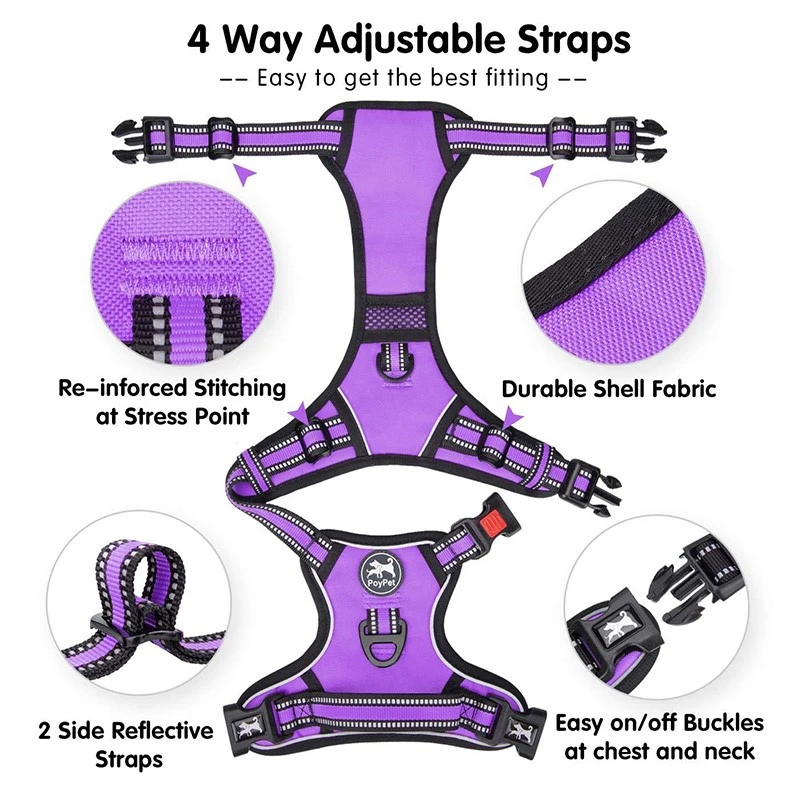
One important design consideration is that assembly accessibility changes as a product takes shape.
An attachment point may be easy to reach when the main product structure is still open. However, after additional components are installed, the same area may become restricted.
For example, a harness may contain several connecting sections, adjustment components and hardware parts. If the assembly sequence is not considered during development, an installation operation may become difficult after neighboring sections have been completed.
This creates a practical question for product developers:
Can every component still be installed at the stage when the assembly operation is scheduled to take place?
A useful approach is to examine the product in stages rather than evaluating only its final appearance.
Identify which components need to be installed first, which areas must remain accessible, and which operations could become obstructed after the next component is added.
This helps reveal design problems before they become production difficulties.
3. Hardware Installation Requires More Than Correct Dimensions
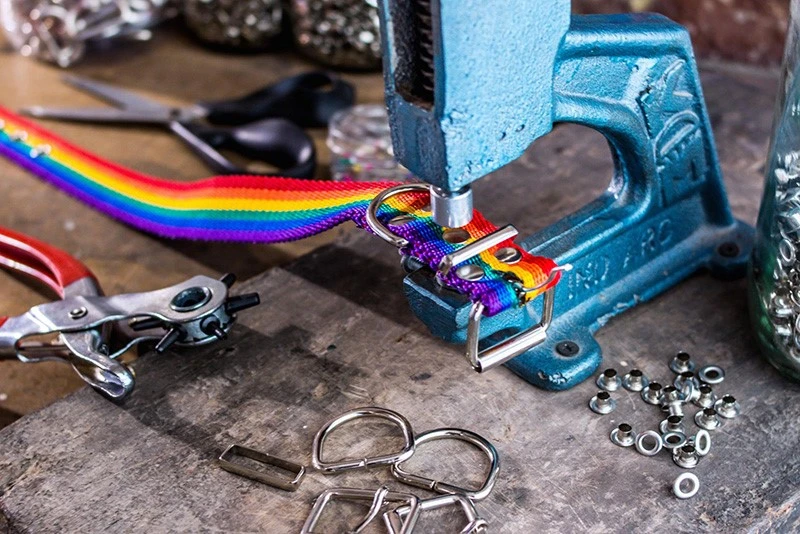
Selecting hardware with the correct dimensions does not automatically guarantee that it can be installed efficiently.
The surrounding construction also matters.
For example, a buckle may have suitable dimensions for a collar, but the material surrounding its attachment area could restrict access during installation. Similarly, a D-ring may fit the specified webbing width while its position creates difficulty when the adjoining components are assembled.
The installation method should therefore be considered together with component dimensions and placement.
Where press-installed components are used, the design must also allow the relevant area to be positioned correctly for the pressing operation.
Manufacturers should consider:
Whether the installation area can be positioned properly.
Whether nearby components interfere with the equipment.
Whether the hardware can be aligned consistently.
Whether the finished assembly can be checked without unnecessary disassembly.
These details are particularly relevant when a brand develops customized hardware arrangements or changes the position of existing components.
4. Multiple Components at One Connection Point Need Careful Planning
Some pet accessories have several components meeting at the same connection area.
A leash handle, for example, may involve the main webbing, a connecting component and additional hardware. A harness may have several strap sections meeting around a connecting point.
When too many components occupy a limited area, assembly can become unnecessarily complicated.
The problem is not simply the number of components. It is how they interact within the available space.
Product developers should examine whether:
Each component has enough room for its intended position.
The connecting parts interfere with one another.
The assembly can be completed without forcing components into place.
The final arrangement allows the intended movement of functional hardware.
This review can also reveal opportunities to simplify a connection design.
A more complicated arrangement does not necessarily create a better product. If a similar functional result can be achieved with a more accessible component layout, the simpler construction may be more practical for repeat production.
5. Assembly Sequence Should Influence Product Design
Assembly sequence is closely connected to accessibility.
An operation that is straightforward at the beginning of production may become difficult after the product has been partially assembled.
For this reason, product development should consider the order in which components will be installed.
A practical review can follow three questions:
What must be installed first?
Identify components that require access to areas that will later become covered or restricted.
Which areas must remain accessible?
Determine whether hardware installation, component positioning or other assembly operations need sufficient working space before the next stage begins.
What becomes difficult after the next operation?
Check whether installing another component will block access to an earlier connection point.
This approach helps manufacturers identify whether a design requires a different assembly sequence or a small structural adjustment.
It is generally more practical to address these issues during development than to rely on additional handling or workarounds during bulk production.
6. Review Assembly Accessibility Before Approving the Final Design
For brands developing private-label pet accessories, assembly accessibility should be included in the product development review.
A useful review does not require complicated engineering documentation. It requires examining the actual product structure and understanding how its components will be assembled.
For each important connection area, buyers and manufacturers should review:
Component location and surrounding clearance.
Access required for installation equipment.
The order in which neighboring components are assembled.
Whether hardware can be positioned consistently.
Whether the finished area remains accessible for inspection.
Reference samples, product drawings and physical assembly reviews can help identify restricted areas.
If a problem is found, possible adjustments may include repositioning a component, changing the connection arrangement or revising the assembly sequence.
The objective is not to make every product structurally simpler at any cost. It is to ensure that the intended design can be manufactured through a practical and repeatable process.
Design Custom Pet Accessories With Manufacturing in Mind
A successful custom pet accessory needs to work as a finished product and as an assembly that can be manufactured consistently.
For collars, leashes and harnesses, component placement, installation clearance and assembly sequence can all influence production practicality.
GH Material manufactures customized pet collars, leashes and harnesses for overseas brands, wholesalers and distributors. Its production capabilities include webbing looms, cutting equipment, buckle press machines and tensile testing equipment, supporting different stages of pet accessory manufacturing.
When developing a new product, buyers can share reference samples, drawings, hardware requirements and proposed component arrangements for manufacturing discussion.
Planning a custom pet accessory project? Contact GH Material to discuss your product structure and OEM/ODM manufacturing requirements.