

When Should Pet Product Buyers Source Materials And Finished Products Separately?
Oct 28, 2026
Leave a message
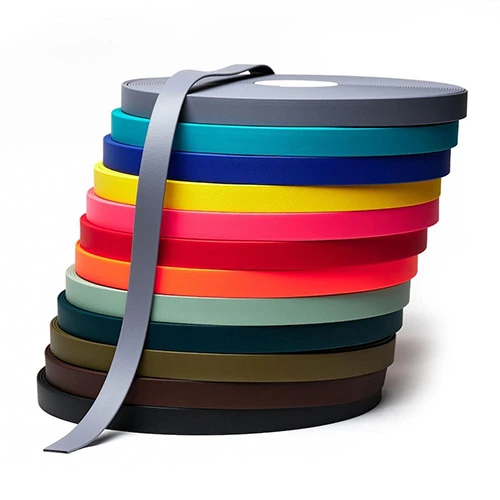
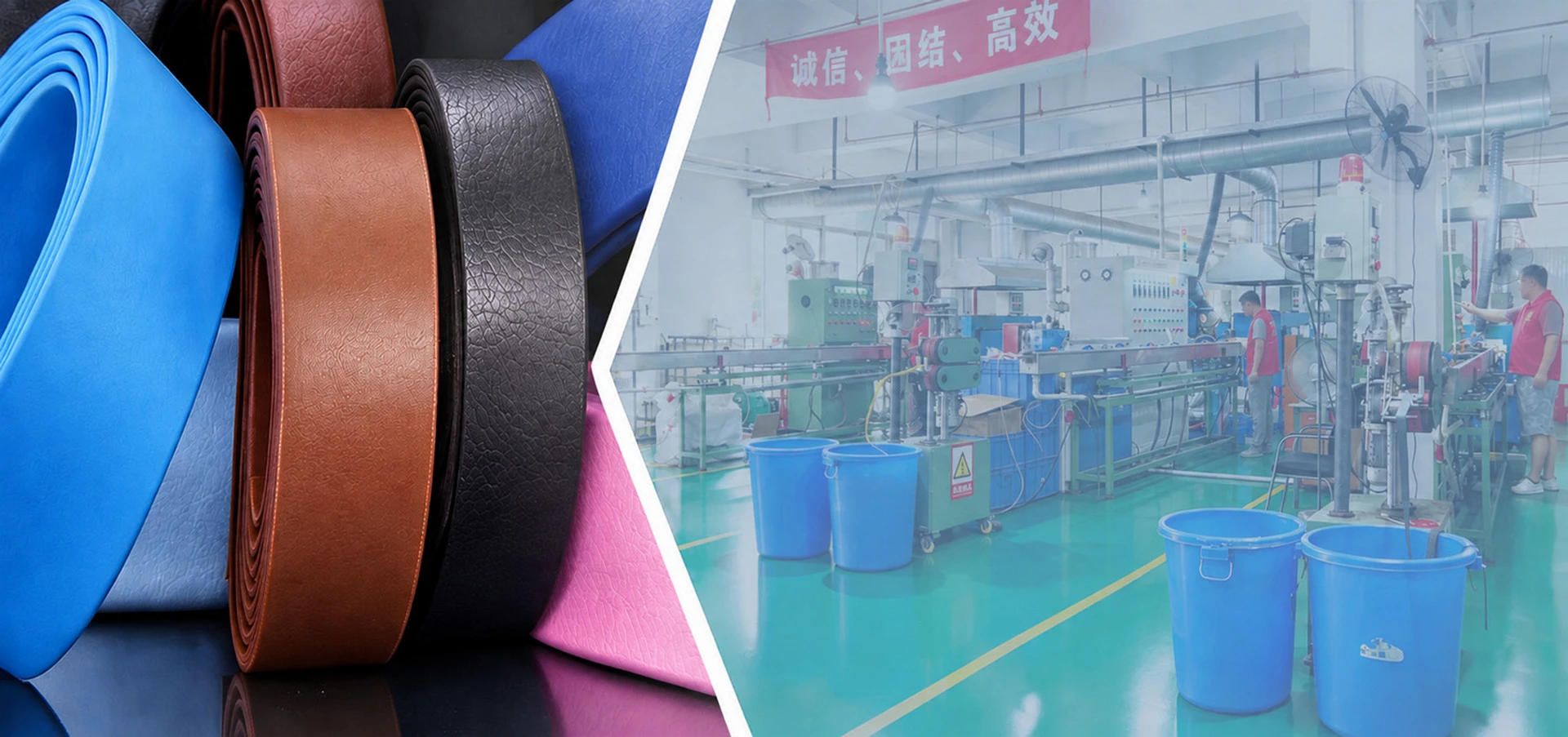
For pet product importers, wholesalers, and private-label brands, choosing a supplier involves more than comparing unit prices. One important decision is whether to purchase materials such as PVC or TPU coated webbing separately and arrange finished-product manufacturing elsewhere, or source both materials and finished products through the same manufacturer.
Neither option is automatically better. The right choice depends on the buyer's existing production capabilities, order structure, quality-control requirements, and the amount of supplier coordination the business can manage.
Understanding the differences before requesting quotations can help buyers select a sourcing model that fits their operations.
When Does Separate Material Sourcing Make Sense?
Buying materials separately makes sense when a business has its own production facilities, established manufacturing partners, or needs to manage material purchasing independently.
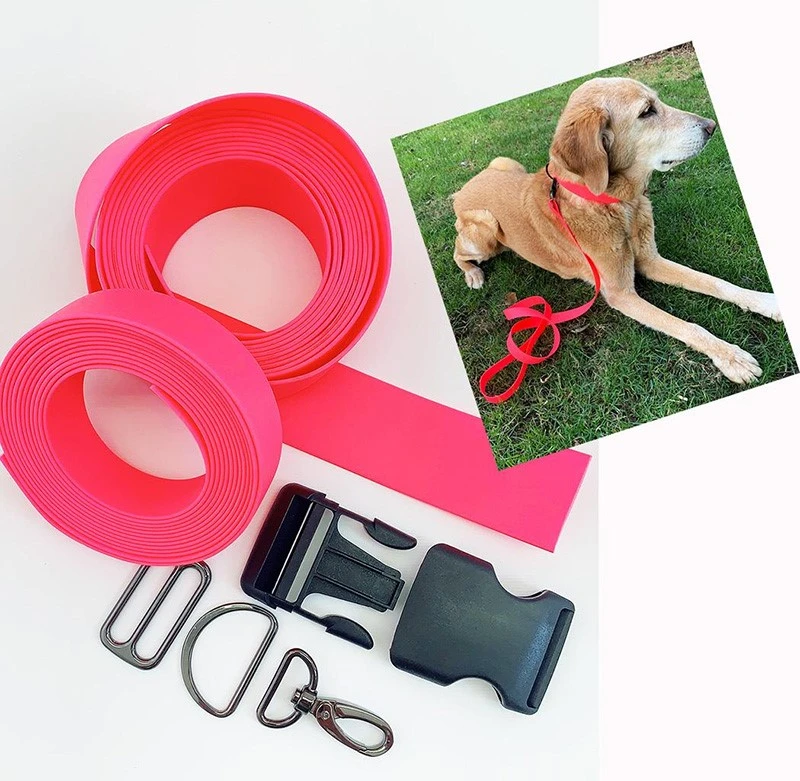
For example, a dog collar manufacturer may purchase PVC-coated webbing separately for in-house assembly. A buyer using the same material across multiple product lines may also prefer a dedicated material supplier.
Separate sourcing is worth considering when the buyer:
- Has its own cutting, sewing, or assembly facilities.
- Uses the same material across multiple product lines.
- Has established incoming material inspection procedures.
- Works with multiple finished-product manufacturers.
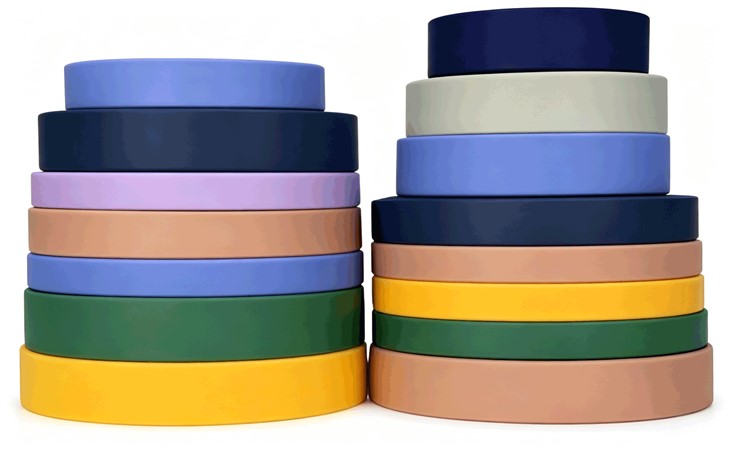
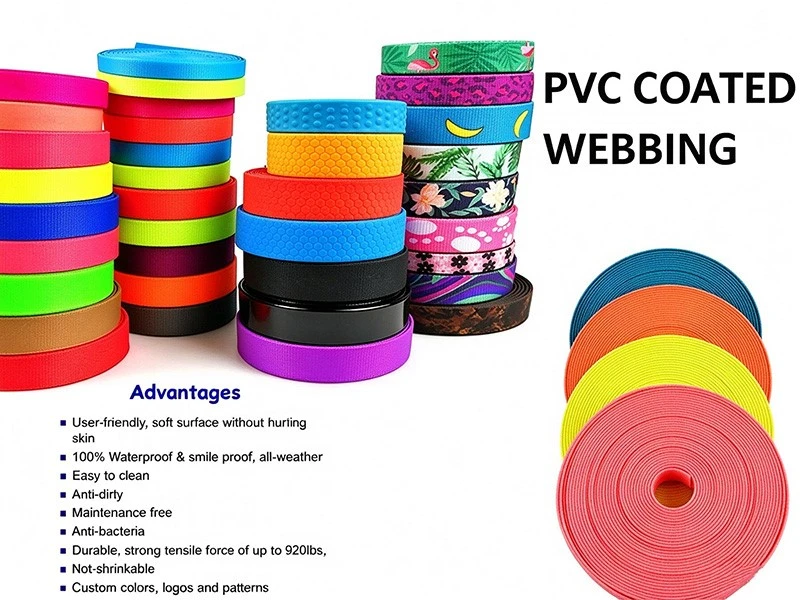
However, buyers must ensure the material meets the final product requirements. For PVC-coated webbing, confirm width, thickness, color, flexibility, and surface finish before ordering. Evaluate the quotation based on application requirements, not just price per meter.
When Is It More Practical to Source Finished Products?
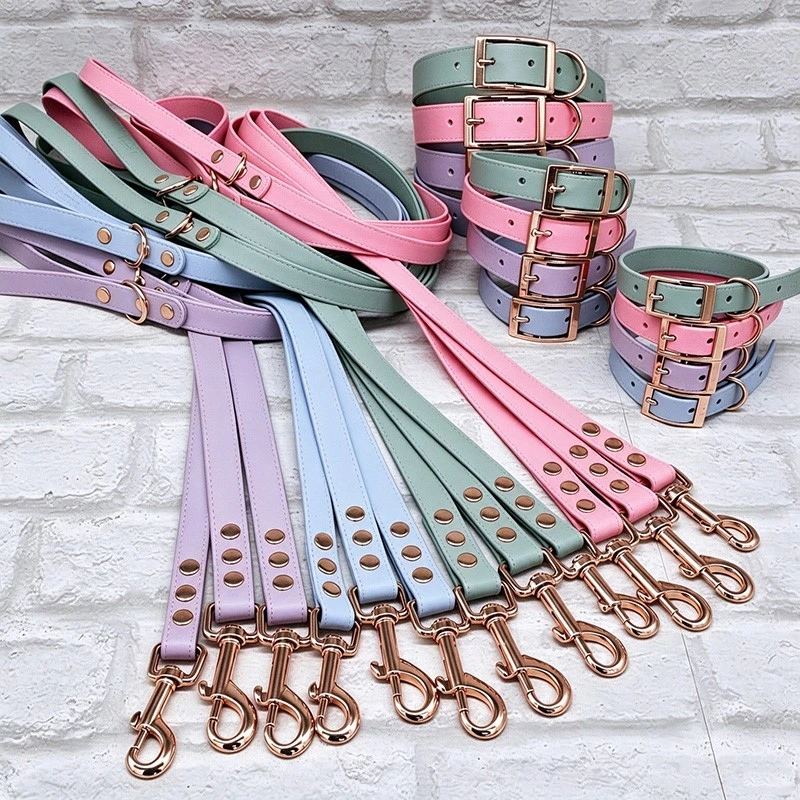
Purchasing finished dog collars, leashes, or harnesses may be more practical for businesses that do not operate their own manufacturing facilities.
Instead of coordinating separate suppliers for materials, components, and assembly, buyers can work with a finished-product manufacturer to confirm the product specifications and production requirements.
This model may suit:
- Pet brands developing private-label collections.
- Importers purchasing finished goods for wholesale distribution.
- Distributors that need products ready for their sales channels.
- E-commerce businesses that outsource product manufacturing.
- Buyers developing customized products without an internal production team.
For example, a private-label buyer developing a PVC-coated dog leash may need to confirm the webbing, hook, finished length, logo placement, and packaging.
If these requirements are handled through a finished-product supplier, the buyer can coordinate them within one product specification rather than independently managing each production stage.
This does not eliminate the need for verification. Buyers should still confirm the sample, approved specifications, quality requirements, and applicable order terms before bulk production.
Compare the Total Cost, Not Just the Material Price
A common sourcing mistake is comparing the purchase price of raw or semi-finished materials with the quoted price of a finished product.
These prices represent different stages of production and should not be compared directly.
When purchasing materials separately, the buyer may also need to account for:
Transportation from the material supplier to the manufacturing facility.
Incoming material inspection and storage.
Cutting, sewing, hardware installation, or other processing.
Material waste and production losses.
Coordination between suppliers.
Additional inspection or rework if the material does not meet the agreed requirements.
When purchasing finished products, the quotation may already include certain manufacturing and assembly costs. Buyers should confirm exactly what is included, as well as any separate charges for customization, packaging, inspection, or transportation.
A useful comparison is:
Separate sourcing cost = Material cost + Processing cost + Logistics + Inspection + Coordination-related costs
Finished-product sourcing cost = Finished-product price + Excluded charges + Applicable logistics and import costs
These are comparison frameworks rather than fixed formulas for every order. Each cost should be included only once, and the same delivery basis should be used when comparing suppliers.
Separate sourcing may be cost-effective for a buyer with established production capabilities and sufficient order volume. For a buyer without those capabilities, the additional coordination and processing requirements may outweigh a lower material price.
Decide Who Will Be Responsible for Quality
The purchasing model also affects how quality responsibilities are managed.
When materials and finished products come from different suppliers, buyers need to ensure that material acceptance criteria and finished-product requirements are aligned.
For example, a coated webbing specification may define the required width, thickness, color, and surface finish. The finished dog collar specification may additionally define the overall length, buckle configuration, stitching, and hardware installation.
If the material meets its own specification but does not suit the finished-product design, the buyer may still face delays or additional costs.
Before production, buyers should clarify:
Which material specifications must be followed.
Who checks incoming materials.
Which finished-product dimensions and construction details must be inspected.
How material or product nonconformities will be handled.
Which approved sample or specification will be used as the production reference.
When materials and finished products are sourced from one manufacturer, these requirements may be easier to coordinate because the same supplier can review material and product specifications together.
However, buyers should not assume that using one supplier automatically guarantees quality. Inspection criteria, acceptance requirements, and responsibility for nonconforming products still need to be agreed upon.
Consider How Many Suppliers Your Team Can Manage
The number of suppliers involved can affect the time required to manage an order.
With separate sourcing, a buyer may need to coordinate material delivery with the production schedule, communicate specification changes to multiple parties, and investigate problems that arise between material supply and product assembly.
This arrangement can work well when the buyer has an experienced purchasing or production team.
For smaller purchasing teams, coordinating materials and finished products through one manufacturer may simplify communication. It can also provide a clearer point of contact when discussing product changes, sample approval, and production requirements.
Before choosing a sourcing model, consider:
- How many suppliers will participate in the order.
- Whether each supplier follows the same approved specifications.
- How material delivery affects the finished-product schedule.
- Who will coordinate changes during development.
- Who will investigate a problem that involves both material and assembly.
The goal is not necessarily to minimize the number of suppliers. It is to choose an arrangement that your team can manage reliably.
Use Order Structure to Guide the Decision
A business may use different sourcing models for different projects. For example, it may purchase coated webbing separately for in-house production while sourcing finished harnesses from a manufacturer.
Before choosing, compare the two options:
|
Factor |
Separate Material Sourcing |
Finished-Product Sourcing |
|---|---|---|
|
Production |
Requires in-house or partner processing |
Processing coordinated with supplier |
|
Material control |
Managed by the buyer |
Coordinated with manufacturer |
|
Supplier management |
Usually involves more coordination |
May involve fewer suppliers |
|
Quality control |
Coordinated across production stages |
Agreed with finished-product supplier |
|
Best starting point |
Material specs and production plan |
Product specs and order quantity |
The right choice depends on production capabilities, order quantity, total cost, and agreed quality responsibilities.
What Should Buyers Prepare Before Requesting Quotations?
Before approaching suppliers, buyers should determine whether they need materials only, finished products, or quotations for both options.
For material sourcing, prepare the material type, webbing width and thickness, color, surface finish, intended application, estimated quantity, and relevant performance requirements.
For finished dog collars, leashes, or harnesses, prepare the product design or reference sample, dimensions, materials, hardware, logo requirements, packaging details, and estimated quantities by size and color.
If the purchasing model is still undecided, explain your current production setup and which operations you can manage internally. This gives the supplier a clearer basis for discussing the appropriate scope of supply.
When comparing quotations, use equivalent specifications and clarify which processing, inspection, packaging, and delivery costs are included.
Conclusion
Separate material sourcing is worth considering when a buyer has its own production capabilities, established manufacturing partners, or a clear need to control material purchasing independently.
Sourcing finished pet products may be more practical when the buyer needs ready-to-sell products and wants to coordinate materials, components, assembly, and customization through a manufacturing partner.
The best decision depends on the complete purchasing arrangement-not simply the lowest quoted price or the number of suppliers involved.
For businesses developing PVC- or TPU-coated webbing products, evaluating both material-only and finished-product sourcing can help identify the arrangement that best fits their production resources and purchasing requirements.
FAQ
Q: Can A Pet Product Buyer Purchase PVC Or TPU Coated Webbing Without Ordering Finished Products?
A: Yes. Some manufacturers supply coated webbing separately for businesses that already have their own production or assembly facilities. Buyers should confirm the available specifications, minimum order requirements, and intended application with the supplier.
Q: Is It Always Cheaper To Buy Materials Directly From A Manufacturer?
A: No. A lower material price does not necessarily mean a lower total cost. Processing, logistics, inspection, storage, material waste, and supplier coordination may affect the final cost.
Q: Can A Buyer Source Materials And Finished Pet Products From The Same Manufacturer?
A: Depending on the manufacturer's capabilities, this may be possible. Buyers should confirm whether the supplier can provide the required material specifications and manufacture the requested finished products.
Q: What Information Should Buyers Provide When Comparing Sourcing Options?
A: Provide the product type, material requirements, estimated quantities, customization details, production capabilities, and destination. Reference samples or drawings can help suppliers assess the project more accurately.
Discuss Your Material or Finished-Product Requirements
GH Material manufactures PVC and TPU coated webbing and supplies customized pet products, including dog collars, leashes, and harnesses for B2B buyers.
If you are deciding between purchasing coated webbing separately and sourcing finished pet products, share your product requirements, estimated quantities, and current production arrangement. These details can help clarify the appropriate scope for a quotation.