


How Should Buyers Evaluate The Adjustment Range Of Custom Dog Harnesses?
Oct 29, 2026
Leave a message
Why Adjustment Range Matters in Custom Dog Harnesses
When sourcing custom dog harnesses, buyers should evaluate more than the number of available sizes. The adjustment range determines how much each harness can be adapted within its intended size category.
Two harnesses labeled the same size may have different adjustment ranges, strap positions, and overall proportions. These differences can affect how well the products fit the intended size group and how clearly buyers can define their product specifications.
For wholesalers and private-label brands, the goal is to establish measurable requirements before approving a design for production.
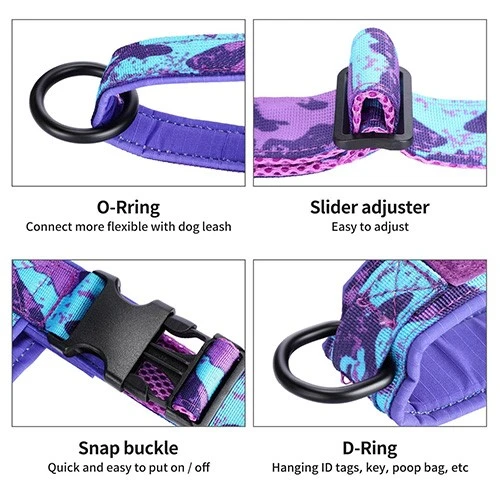
Check the Actual Adjustment Measurements
A product description that says "adjustable" does not explain how much adjustment is available.
Before requesting a quotation or approving a sample, buyers should identify the measurements that matter for the selected harness design.
These may include:
- Neck or front-opening circumference, where applicable
- Chest circumference adjustment range
- Strap length and adjustment allowance
- Buckle and adjuster positions
- Overall dimensions for each size
The relevant measurements depend on the harness structure. Buyers should ask the manufacturer to provide a size chart with minimum and maximum adjustment measurements rather than relying only on labels such as S, M, or L.
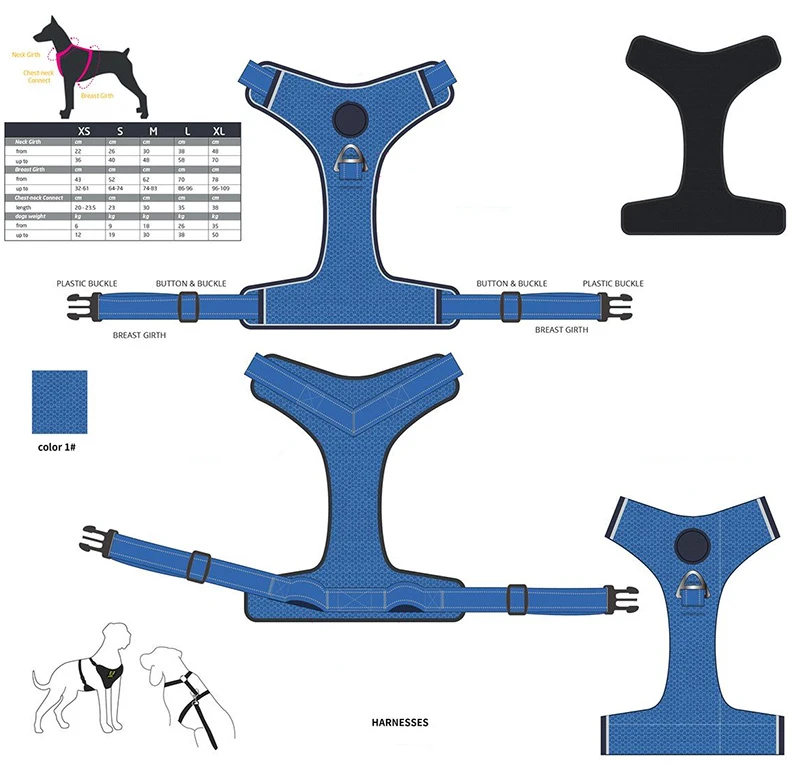
Evaluate Each Size Separately
A size range should not be developed simply by increasing every measurement by the same amount.
Different sizes may require different proportions to maintain the intended design. Buyers should review the adjustment range of each size independently and confirm that the strap layout, buckle placement, and adjustment direction remain appropriate.
A useful specification table can include:
| Specification | What Buyers Should Confirm |
|---|---|
| Size designation | The intended size category |
| Adjustment range | Minimum and maximum measurements |
| Strap layout | Position and direction of adjustment |
| Hardware placement | Buckle and adjuster locations |
| Approved sample | The reference for each size |
This makes it easier to compare samples and identify missing specifications before bulk production.
Check Whether Adjustment Hardware Works Within the Intended Range
Adjustability depends on more than strap length. The webbing, adjusters, buckles, and strap routing must work together within the intended design.
During sample evaluation, buyers should check whether the straps can be adjusted through the specified range and whether the adjusters remain in their intended positions during ordinary adjustment.
Also confirm that excess strap length does not interfere with the intended product layout. Any changes to strap width, hardware dimensions, or construction should be reviewed against the approved design rather than treated as interchangeable details.
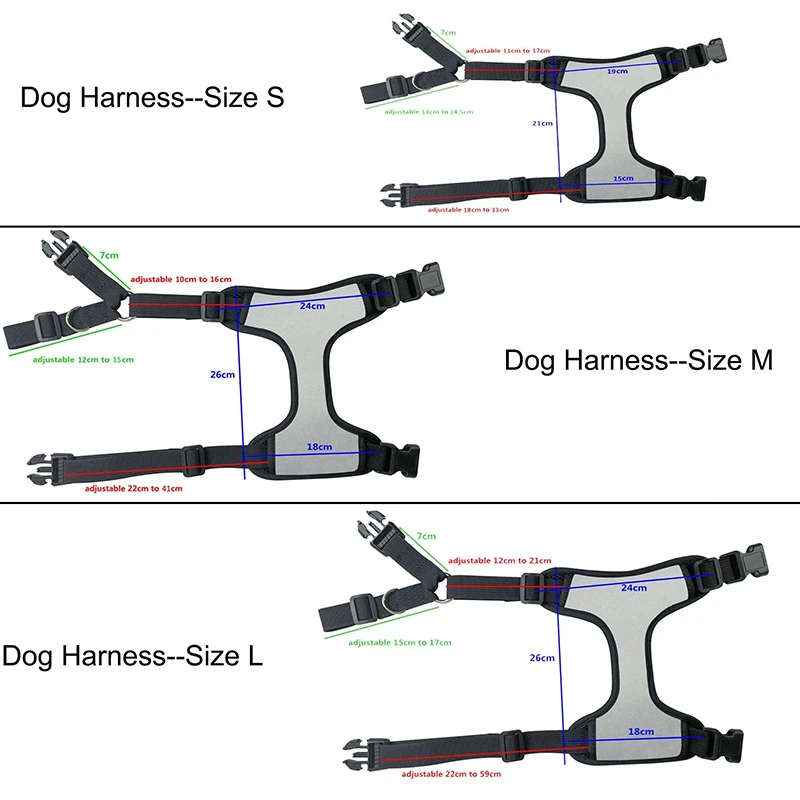
Confirm the Size Range With the Intended Customer Group
Before finalizing a wholesale assortment, buyers should identify the dog size categories the product line is intended to serve.
If the brand targets several size groups, each group should have its own documented measurements and approved sample where necessary. Buyers should avoid assuming that one adjustable design will cover every size category.
Where available, relevant fit feedback, existing product measurements, and the brand's own sizing criteria can help determine whether the proposed range is appropriate. Final size definitions should be based on the actual product design and intended use.
Record the Approved Adjustment Range Before Production
Once a design is approved, the adjustment measurements should be included in the product specification used for production.
The record should identify the size, measurement points, minimum and maximum values, hardware configuration, and approved sample reference. If the buyer requests a change later, the affected sizes and specifications should be reviewed before the change is accepted.
This helps prevent a product from retaining the same size label while its actual adjustment range changes.
What Should Buyers Send When Requesting a Quotation?
To help a manufacturer assess a custom dog harness project, buyers should provide:
Target size categories and required adjustment measurements
A reference sample, drawing, or product photograph
Preferred strap and hardware configurations
Estimated order quantity by size
Branding and other customization requirements
With this information, the manufacturer can review the proposed specifications and clarify which details need confirmation during sample development.
FAQ
Q: Is An Adjustable Dog Harness Suitable For Every Dog Size?
A: Not necessarily. The usable range depends on the harness design, measurements, and intended size category. Buyers should define the required range for each size rather than relying on the word "adjustable."
Q: Should Buyers Use The Same Adjustment Range For Every Size?
A: Not automatically. Each size should be evaluated against its intended measurements and design proportions.
Q: What Should Be Checked Before Approving A Harness Sample?
A: Confirm the measurement points, adjustment limits, strap layout, hardware positions, and consistency with the documented specifications.
Conclusion
For wholesale and private-label dog harnesses, adjustment range should be treated as a measurable product specification, not simply a marketing feature. Defining the range for each size helps buyers communicate requirements clearly and gives the manufacturer a more precise reference for sample approval and production.
Discuss Your Custom Dog Harness Project
GH Material supplies customized pet products for B2B buyers. Share your target sizes, adjustment measurements, reference design, and estimated quantities to discuss your project requirements.