


How to Handle Shortages and Transit Damage in Wholesale Pet Product Shipments
Oct 28, 2026
Leave a message
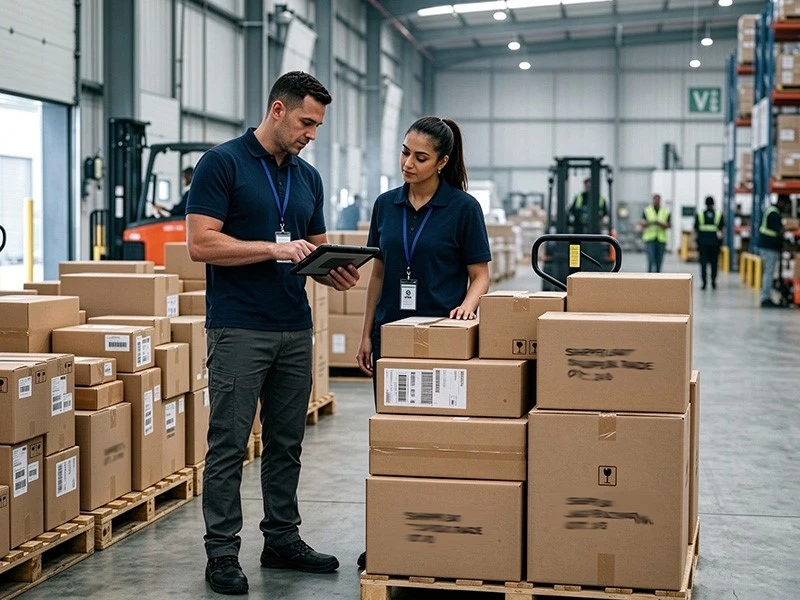
When a wholesale shipment of dog collars, leashes, harnesses, or other pet products arrives, the receiving quantity may not always match the purchase order. Cartons can also arrive crushed, wet, opened, or visibly damaged during transportation.
For importers, distributors, and private-label pet brands, these situations create more than an administrative problem. Missing units can affect customer orders, while damaged cartons may delay warehouse processing and product distribution.
The most effective response is to establish what was ordered, what was shipped, what was received, and where the discrepancy may have occurred. A documented receiving process helps buyers communicate with suppliers, freight forwarders, and insurance providers without relying on assumptions.
Reconcile the Delivery Against the Purchase Order
Start by comparing the delivered shipment with the commercial documents. Do not assume that the carton count alone confirms whether the order is complete.
Check the following records:
Purchase order: Confirm the agreed quantities for each product, color, size, and SKU.
Packing list: Check the quantities declared for individual cartons and product variations.
Commercial invoice: Verify the invoiced quantities and product descriptions.
Transport documents: Confirm the number of packages recorded for shipment.
For example, a buyer may order 2,000 dog leashes across four colors. The shipment could contain the expected number of cartons while still having fewer units of one color than ordered.
Record discrepancies at the SKU level rather than reporting only a total shortage. This makes it easier to identify which products are affected and whether the difference concerns a specific carton, product variation, or the entire shipment.
Inspect the Outer Cartons Before Unpacking Everything
Visible packaging damage can provide useful evidence about the condition of a shipment upon arrival.
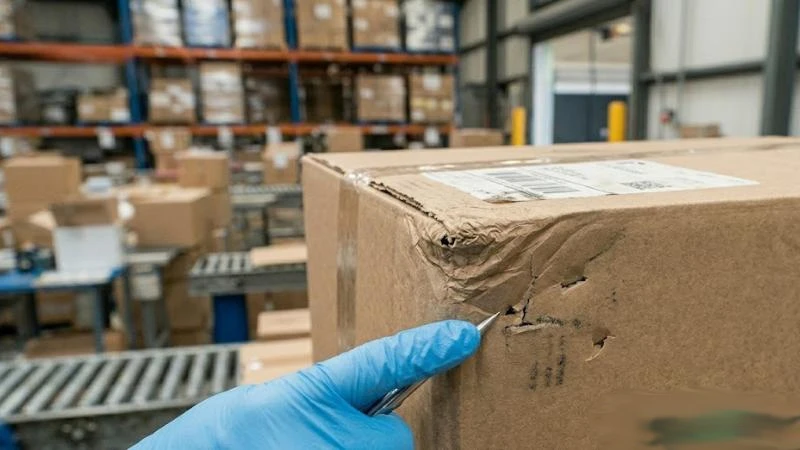
Before discarding cartons or rearranging the shipment, photograph any relevant conditions, including:
- Crushed corners, torn carton walls, or broken seals
- Water stains, damp packaging, or visible contamination
- Punctures, cuts, or signs that cartons were reopened
- Damaged pallet wrapping or displaced cartons
- Shipping labels and carton identification marks
Take both overview photographs and close-up images. The overview should show the affected carton in relation to the shipment, while close-ups should clearly capture the damage.
If the carrier or warehouse requires a delivery exception report, record the issue according to its procedures. Do not sign a statement confirming that the shipment was received in good condition if that statement is inaccurate. If a signature is required, ask how to document the observed damage.
Count the Contents and Separate Affected Products
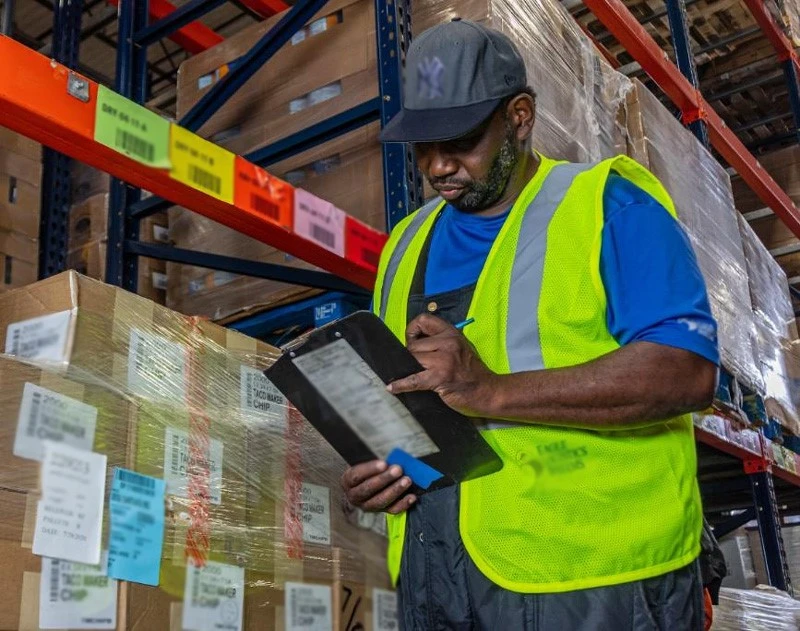
After recording the outer condition, open the relevant cartons and compare their contents with the packing list.
Use a receiving sheet to track:
| Item to record | Information needed |
|---|---|
| Product identification | SKU, style, color, and size |
| Expected quantity | Quantity stated in the order and packing list |
| Actual quantity | Units physically counted |
| Missing quantity | Difference between expected and received units |
| Damaged quantity | Units affected by transit damage |
| Evidence reference | Carton number and photo filenames |
Keep shortages and damaged goods as separate categories. A missing unit and a damaged unit represent different problems and may require different remedies.
For example, if a carton should contain 100 PVC-coated dog collars but contains 92, record the shortage of eight units. If another carton contains 100 collars but several are damaged, record the actual affected quantity and describe the damage separately.
Avoid estimating quantities from partially opened cartons when an accurate count is possible. If a complete count cannot be performed immediately, mark the figures as preliminary and explain what remains unverified.
Determine Which Party May Be Responsible
A discrepancy does not automatically establish that the manufacturer shipped the wrong quantity. The cause may involve packing, warehouse handling, transportation, customs inspection, or receiving operations.
Review the available evidence before assigning responsibility.
A possible packing discrepancy may require checking the supplier's packing records, carton quantities, and dispatch documentation.
A possible transit-damage claim may require the buyer to contact the carrier, freight forwarder, or cargo insurer, depending on the transport arrangement and applicable terms.
A possible warehouse discrepancy may require reviewing unloading records, carton counts at arrival, and internal receiving procedures.
The agreed Incoterms rule, transport contract, insurance coverage, and applicable claim deadlines can affect who bears particular risks and which party must take action. Buyers should review the actual contract rather than assuming that the supplier or carrier is automatically responsible.
When responsibility remains unclear, preserve the evidence and notify the relevant parties promptly.
Send a Claim That Can Be Verified
A useful claim should explain the discrepancy in a way that another party can verify without repeatedly requesting basic information.
Include:
Purchase order number and shipment reference.
Product name, SKU, color, and size where applicable.
Ordered quantity, shipped quantity, and received quantity.
Number of missing or damaged units.
Carton numbers and relevant photographs.
Copies of the packing list and other supporting documents.
The proposed resolution and the date by which a response is needed.
Avoid sending only a message such as "Some products are missing" or "The cartons arrived damaged." These descriptions do not identify the affected items or establish the scale of the problem.
A concise, evidence-based report allows the supplier and logistics parties to investigate the same facts.
Agree on a Practical Resolution
The appropriate remedy depends on the cause, the contract, the value of the affected goods, and the buyer's immediate business needs.
Possible arrangements include:
Replacement of verified missing or damaged units
A credit against a future purchase order
A refund or other financial adjustment where agreed
A formal claim through the responsible carrier or insurer
Before agreeing on a remedy, confirm the quantity covered, the financial value, who will bear any additional freight costs, and the expected completion date.
If replacement products are needed, specify whether they must arrive separately or can be included in the next scheduled shipment. A future-order credit may reduce administrative work, but it may not solve an urgent stock shortage.
For recurring wholesale programs, document the agreed resolution against the original purchase order. This creates a clear record for accounts payable, inventory reconciliation, and subsequent orders.
Close the Claim Only After the Records Match
A claim should not be considered resolved simply because the parties have exchanged emails.
Confirm that the replacement shipment has arrived, the credit has been reflected in the account, or the agreed refund has been received. Update the inventory system and retain the final supporting documents.
For repeat purchases, record recurring discrepancies by shipment and product SKU. Several isolated incidents may reveal a pattern worth investigating, but conclusions should be based on documented evidence rather than a single damaged delivery.
A consistent receiving and claim process helps importers protect inventory records, control avoidable losses, and maintain clearer communication across the supply chain.
FAQ
Q: What Should A Buyer Do First When A Wholesale Pet Product Shipment Arrives Damaged?
A: Photograph the outer cartons and shipping labels, record the visible damage, and follow the carrier's reporting requirements. Then inspect the contents and preserve the relevant documents.
Q: Can A Buyer Claim For Missing Units If The Carton Count Is Correct?
A: Yes, a carton count does not establish that every carton contains the expected quantity. Compare the actual contents with the packing list and document shortages by SKU.
Q: Who Pays For Damaged Goods During International Shipping?
A: The answer depends on the agreed Incoterms rule, transport contract, insurance arrangements, and applicable law. Buyers should review their specific agreements before deciding which party should bear the loss.
Q: Should Damaged Products Be Discarded Immediately?
A: Not before documenting the damage and checking whether the supplier, carrier, or insurer needs to inspect or retain the goods. Follow the applicable evidence-preservation and disposal instructions.
Q: What Records Should Buyers Keep After A Claim Is Settled?
A: Retain the original purchase order, packing list, transport documents, receiving report, photographs, correspondence, and evidence of the agreed replacement, credit, or refund.
Work With a Supplier That Supports Clear Order Records
For importers and wholesale buyers sourcing custom pet collars, leashes, harnesses, and PVC/TPU-coated webbing products, clear product specifications, carton-level records, and documented shipment quantities help make order reconciliation more straightforward.
GH Material supplies pet products and coated webbing for overseas B2B buyers. When discussing a wholesale or custom order, buyers can confirm the product specifications, quantities, packing requirements, and shipment documentation before production and dispatch.
Contact GH Material to discuss your wholesale pet product requirements.