

What Should You Ask A Pet Product Manufacturer Before Ordering
Sep 08, 2026
Leave a message
A quotation can tell you the price of a pet product, but it cannot tell you whether a manufacturer will be easy to work with six months from now.
For importers, wholesalers, distributors, and private-label pet brands, problems often appear after the order has been placed. The material used in bulk production may not perform exactly like the sample. A quoted lead time may exclude material preparation or packaging. Custom requirements may increase the MOQ. Even a well-made first order does not always guarantee consistent quality on repeat orders.
That is why it is worth asking a manufacturer a few practical questions before moving from quotation to production.

Start With the Product, Not Just the Price
Before comparing quotations, make sure both sides are talking about the same product.
For a dog collar, leash, or harness, the product specification may involve webbing material, width, thickness, hardware, stitching, dimensions, color, logo placement, and packaging. If these details are not clearly defined, two quotations may look comparable while actually covering different products.
Ask the manufacturer what material and specifications they are proposing, and whether those specifications can be maintained during mass production.
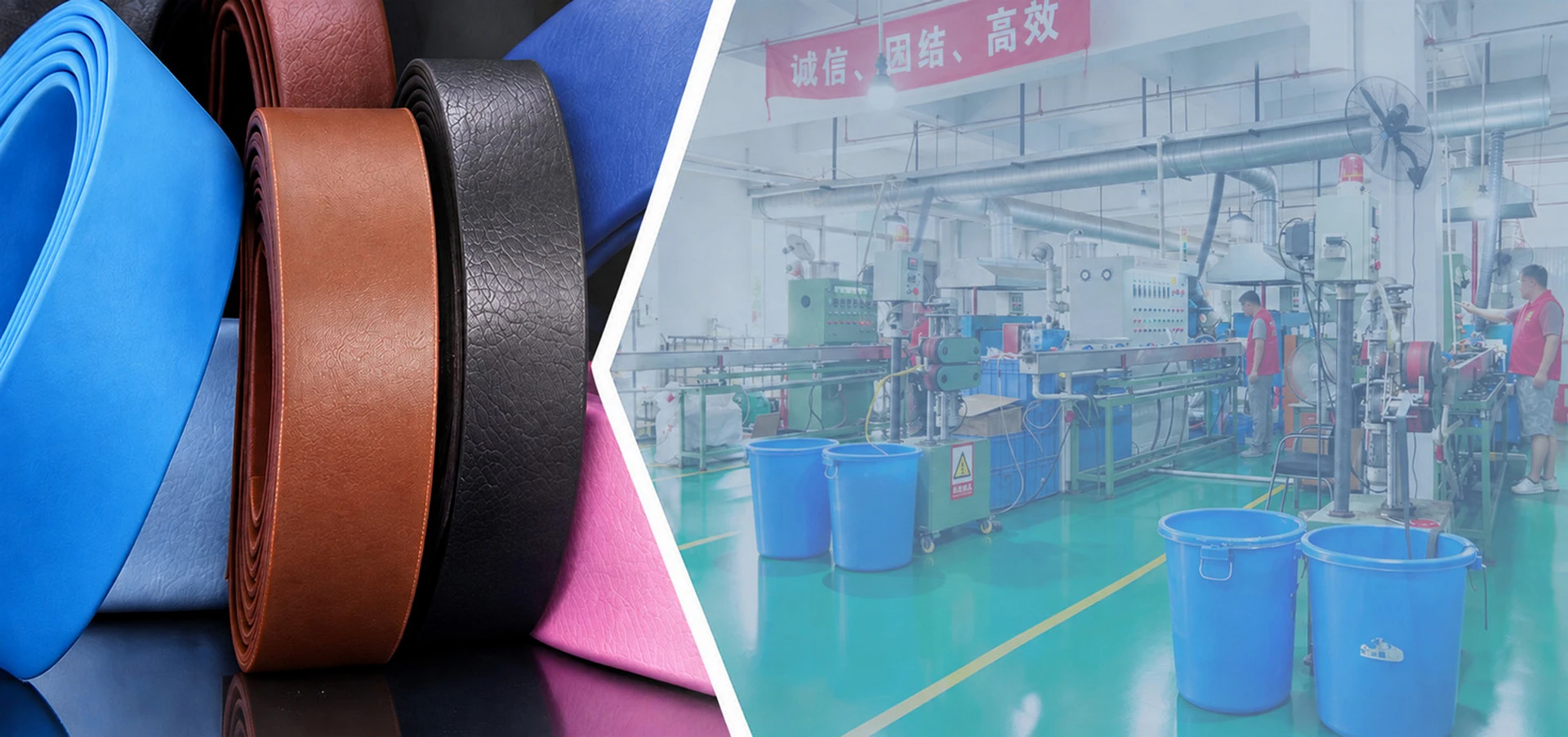
This is particularly important for coated webbing. PVC and TPU coated webbing can differ in flexibility, surface feel, durability, and application suitability. The material that looks right in a sample may not necessarily be the best choice for the finished product or target market.
A useful quotation should therefore be based on a clear product specification rather than a product name alone.

Find Out What the Quoted Lead Time Really Means
"Production takes 25 days" sounds straightforward until you ask when those 25 days actually begin.
Does the clock start after order confirmation, deposit payment, material preparation, or sample approval? Does the quoted period include custom packaging and final inspection?
These details matter when you are planning inventory or coordinating a shipment with other products.
For customized pet products, material preparation, logo approval, special components, packaging, production scheduling, and inspection can all affect the actual delivery date. Rather than comparing manufacturers simply by the number of days they quote, ask them to explain the production timeline from order confirmation to shipment.
That gives you a much more realistic basis for comparison.
Ask How the Manufacturer Controls Consistency
A manufacturer may have a good sample and still struggle to reproduce it consistently.
This is one of the more important questions for B2B buyers: What controls are used to make sure the bulk order matches the approved sample?
For collars, leashes, and harnesses, consistency can involve webbing thickness, color, dimensions, stitching, hardware, coating, and overall construction.
Ask whether product specifications are recorded and whether the approved sample is retained as a production reference. If the same product will be reordered later, ask how the manufacturer ensures that the material and construction remain consistent.
This becomes increasingly important when you are building a private-label product line. A small difference may not matter on one unit, but noticeable differences between batches can create customer complaints, returns, or inventory problems

.
Understand What You Are Actually Getting With Customization
Many manufacturers offer OEM or ODM services, but "customizable" can mean very different things.
Before ordering, clarify which elements can actually be changed. Can you specify the webbing material or color? Can the hardware be changed? Can the manufacturer produce a different size or structure? Can your logo, label, and packaging be incorporated into the finished product?
It is also worth asking which custom requirements affect MOQ, tooling, sampling costs, or production time.
For example, changing a standard color may be relatively simple, while developing a new product structure or custom component may require additional development work.
Knowing this before production starts helps prevent unexpected costs and delays.
Do Not Treat the Sample as the End of the Development Process
A sample should answer more than "Does this product look good?"
For B2B buyers, it is an opportunity to verify whether the proposed material, construction, hardware, dimensions, branding, and packaging meet the intended requirements.
If the product is customized, identify the specifications that matter most and confirm them before approving the sample.
It is also useful to establish which parts of the approved sample will be used as the reference for bulk production. Otherwise, a simple statement such as "make it like the sample" can leave too much room for interpretation.

Ask What Happens When Something Goes Wrong
Quality problems are easier to manage when both sides understand the process beforehand.
You do not necessarily need a complicated contract discussion at the quotation stage, but you should understand how the manufacturer handles defective products or production discrepancies.
Ask how quality issues are reported, what information is required for evaluation, and how the manufacturer normally handles confirmed defects.
More importantly, find out whether the manufacturer has a defined inspection and quality-control process before shipment. Prevention is generally more valuable than trying to resolve a large quality problem after the goods have arrived.
Think About the Next Order, Not Only the First One
For a B2B buyer, the first order is often a test of whether the supplier can support the next ten.
Before ordering, consider asking whether your product specifications, approved sample, material requirements, colors, branding, and packaging details can be retained for future production.
You should also understand how the manufacturer communicates changes. If a material, component, or production method needs to change in the future, will you be informed before it affects your order?
A supplier that can support repeat orders with stable specifications is usually more valuable than one that simply offers the lowest initial price.

A Better Way to Compare Manufacturers
Instead of putting suppliers into a spreadsheet based only on price, compare them on the information behind the quotation.
Can they explain the material clearly?
Can they define the lead time?
Can they explain their quality-control process?
Can they provide a meaningful sample?
Can they handle your customization requirements?
Can they reproduce the product consistently?
If the answers are clear, you have a much better basis for deciding whether the supplier is suitable for your business.
Final Takeaway
Choosing a pet product manufacturer is ultimately about reducing uncertainty before production begins.
Price still matters, but it is only one part of the sourcing decision. Material specifications, production capability, quality consistency, lead time, customization, and repeat-order performance can all affect the real cost of working with a supplier.
Before placing your order, ask questions that help you understand not only what the manufacturer can make, but also how reliably they can make it.
If you are developing custom dog collars, leashes, harnesses, or other pet products, you can send your specifications, existing sample, drawing, or reference images to GH Material for evaluation and OEM/ODM discussion.
FAQ
Q: How can I tell if a pet product manufacturer is suitable for long-term cooperation?
A: Look beyond the initial quotation. A suitable manufacturer should be able to communicate specifications clearly, explain its production and quality-control process, handle customization realistically, and maintain consistent quality across repeat orders.
Q: Should I choose a manufacturer based on the lowest price?
A: Not necessarily. A lower unit price may come with differences in material, hardware, packaging, quality control, or production terms. Compare suppliers based on the complete specification and expected sourcing cost rather than price alone.
Q: What information should I send when requesting a quotation?
A: Provide as much product information as possible, such as product type, dimensions, material, color, quantity, hardware, logo requirements, packaging, and reference samples or drawings. More complete specifications generally lead to more accurate quotations.
Q: Is a factory sample enough to confirm bulk production quality?
A: A sample is an important reference, but it does not by itself guarantee consistent mass production. Before ordering, confirm which specifications will be controlled during production and how the approved sample will be used as a reference for the bulk order.
Q: What should I do if my product requirements are not fully finalized?
A: Tell the manufacturer which specifications are still under development. An experienced OEM/ODM manufacturer may be able to clarify material, construction, dimensions, or production requirements before the final quotation and sampling stage.
Q: Why is repeat-order consistency important for B2B buyers?
A: Your first order may only test a supplier's production capability. For an established product, future orders need to maintain consistent materials, dimensions, colors, construction, and packaging. Poor batch consistency can create customer complaints and additional inventory costs.