


How To Plan Dog Harness Size Assortments For Wholesale Orders
Oct 15, 2026
Leave a message
Why Size Assortment Planning Matters for Wholesale Dog Harnesses
For importers, wholesalers, distributors and private-label pet brands, ordering dog harnesses involves more than selecting a design and confirming the total quantity. Buyers also need to decide how that quantity should be distributed across sizes, colors and product variations.
An order of 1,000 dog harnesses may appear straightforward, but the purchasing plan becomes more complicated when several sizes and colors are involved. Too many variations can increase inventory complexity, while an unsuitable size assortment may leave buyers with excess stock in some sizes and insufficient stock in others.
A practical purchasing plan should therefore start with the intended sales channel, target customer group and expected product demand. These factors help buyers determine which size options to include and how to organize their initial order.
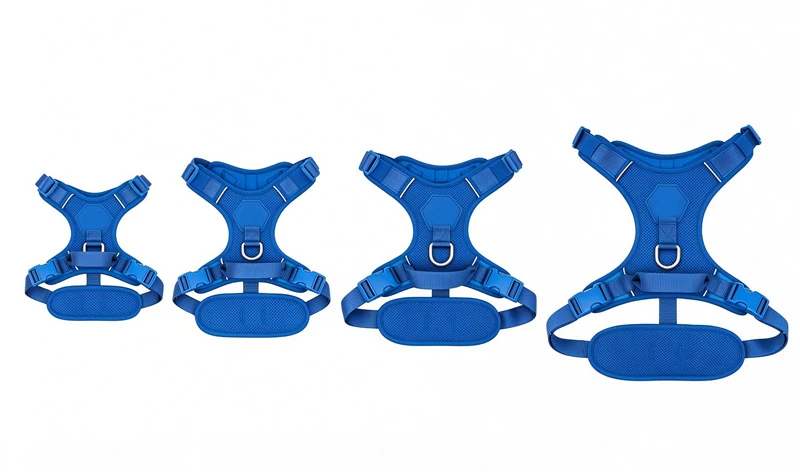
Define the Target Dog Size Range
Before requesting a quotation, determine which dog-size groups the product line is intended to serve.
A harness range may include small, medium and large sizes, but these labels are not universal sizing standards. Different designs can have different chest girths, adjustment ranges and fit requirements within the same size category.
For wholesale purchasing, buyers should establish the actual measurements behind each size rather than relying on labels alone.
Consider the following information:
Intended dog-size categories
Chest girth and neck measurements, where applicable
Adjustment range for each size
Finished harness dimensions
Size chart and measurement method
If you already sell a similar product, existing sales records can help identify the sizes that deserve priority. For a new product line, start with a defined target customer group and review the proposed size chart before finalizing the order.
Plan Size Quantities Before Confirming the Total Order
The total order quantity does not automatically determine the right quantity for each size.
For example, a buyer planning a 600-piece order across three sizes could initially divide the quantity equally. However, an equal split is only a starting scenario, not a reliable demand forecast.
A more useful approach is to consider historical sales, customer feedback, current inventory and the purchasing habits of your intended sales channels.
Before confirming the order, prepare a size-assortment table.
The quantities should be based on your actual purchasing plan rather than an assumed universal size distribution.
If demand is uncertain, discuss whether a smaller initial assortment or a staged purchasing plan is commercially practical.
Decide Whether to Combine Colors and Sizes
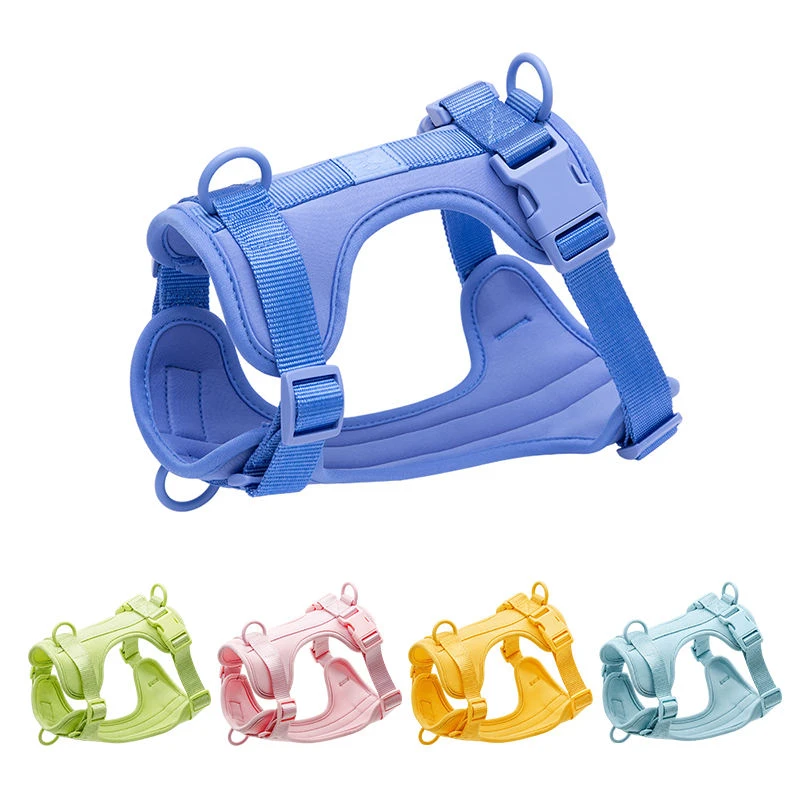
Adding more colors can help a brand develop a broader product range, but every additional color-size combination creates another inventory item to manage.
For example, a harness offered in three colors and three sizes creates nine distinct SKU combinations. If the same product is also offered with different hardware or branding configurations, inventory management becomes more complex.
Before expanding the assortment, consider:
Which colors are essential to the initial collection?
Which size combinations are commercially necessary?
Will all variations share the same construction and components?
How will each SKU be identified in purchase orders and inventory records?
For a new product launch, a controlled assortment can make purchasing and inventory planning easier. Additional variations can be considered after the buyer has more reliable demand information.
Confirm the Manufacturer's Size and MOQ Structure
Size planning must also account for the manufacturer's production requirements.
For customized dog harnesses, minimum order quantities may vary according to the design, color, size configuration, materials and production arrangements. Buyers should confirm whether MOQ is calculated per size, per color, per design or by another agreed basis.
Do not assume that the total order quantity can be distributed freely across every variation.
Before approving the purchasing plan, ask the manufacturer to confirm:
Minimum quantity for each selected configuration
Whether different sizes can be combined within one order
Whether changing colors affects the MOQ
Whether each size requires a separate sample or specification
Whether the proposed assortment affects the quotation or production schedule
These details help buyers compare supplier quotations on a consistent basis and avoid discovering quantity restrictions after the product range has been finalized.
Keep Size Specifications Consistent Across Orders
Once the size assortment has been established, maintain a clear reference for future purchasing.
A size label alone is not enough to guarantee that two products have identical dimensions. Buyers should retain the approved size chart, measurement points, adjustment ranges and relevant product drawings or samples.
When requesting a repeat order, specify whether the existing measurements must remain unchanged or whether revisions are required.
If a size is modified, the change should be documented rather than communicated only through a product photo or a general instruction.
This is particularly important for brands managing multiple harness styles. A medium harness in one design should not automatically be assumed to share the same dimensions as a medium harness in another design.
A documented size specification makes it easier for both buyer and manufacturer to identify the intended product configuration.
Review the Assortment Before Placing a Bulk Order
Before confirming the purchase, review the proposed assortment as a complete order rather than evaluating each size independently.
Check that the planned quantities match the intended sales range, each SKU is clearly identified, and the size specifications are available for quotation and production.
For an initial launch, avoid adding variations simply because they are technically available. Each variation should have a clear purchasing purpose.
For an established product line, use previous sales and inventory records to adjust the assortment instead of repeatedly applying the same quantity distribution.
The objective is not to offer the maximum number of sizes and colors. It is to build an assortment that supports the buyer's sales plan while remaining practical to purchase, store and replenish.
What Information Should Buyers Include in a Dog Harness RFQ?
When requesting a quotation from a dog harness manufacturer, provide:
Harness design or reference images
Intended dog-size range
Required size chart or measurements
Planned quantity for each size
Color options and quantities
Material and hardware requirements
Logo and packaging specifications
Target delivery schedule
If some quantities are not yet confirmed, identify them as provisional. The manufacturer can then review the proposed configurations and clarify which details are needed before issuing a final quotation..
Plan Your Wholesale Dog Harness Order with GH Material
GH Material supports B2B pet product projects involving dog harnesses, collars, leashes and selected accessories. If you are planning a new harness range or reviewing your existing size assortment, share your target size range, estimated quantities and customization requirements with our team.
We can review the proposed product requirements and discuss the applicable MOQ, customization options and production arrangements.