


PVC Vs TPU Vs TPE Coated Webbing: Which Should Pet Brands Choose
Aug 19, 2026
Leave a message
PVC vs TPU vs TPE Coated Webbing: Which Should Pet Brands Choose?
Coated webbing is the most critical functional fabric material for custom pet gear, including pet collars, dog leashes, pet harnesses, and outdoor pet accessories. For B2B pet manufacturers and wholesale brands, choosing between PVC coated webbing, TPU coated webbing, and TPE coated webbing directly determines product safety standards, outdoor durability, weather resistance, export compliance, and final wholesale profit margin.
Many pet product suppliers struggle with material selection: which coated webbing is best for outdoor pet gear? Which material meets EU and US pet product safety standards? Which option offers the best cost performance for bulk pet orders? This SEO-optimized material comparison guide clarifies the differences between PVC, TPU and TPE coated webbing, helping pet brand buyers and product designers pick the ideal webbing for different pet product lines.
What Are PVC, TPU and TPE Coated Webbing?
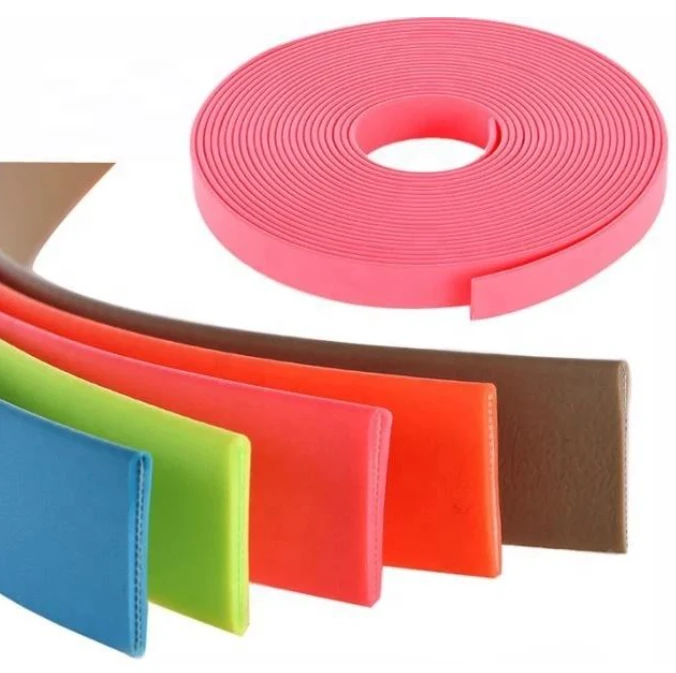
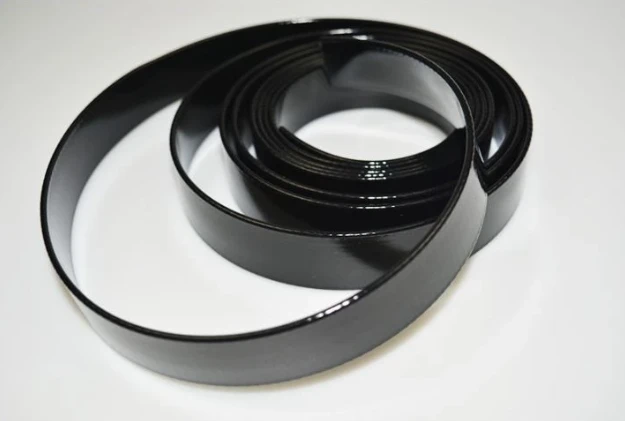
All three types of coated polyester webbing adopt high-tensile polyester or nylon webbing as the base, with different thermoplastic coating layers for waterproof, wear-resistant and anti-fouling functions. They are the top 3 mainstream coating materials for commercial pet webbing accessories.
- PVC Coated Webbing: The most cost-effective conventional coated webbing for entry-level pet products. Featuring mature processing, rich color customization and basic waterproof performance, it is widely used for low-budget wholesale pet accessories.
- TPU Coated Webbing: High-performance eco-friendly thermoplastic polyurethane coated webbing. Known for excellent outdoor durability, low-temperature resistance and non-toxic safety, it is the premium choice for high-end outdoor pet gear.
- TPE Coated Webbing: Soft elastic thermoplastic elastomer coated webbing. It fills the gap between PVC and TPU, with skin-friendly texture, odor-free performance and balanced cost for daily-use pet products.
1. 2.
2. 3.
3.
PVC vs TPU vs TPE Coated Webbing: Key Performance Comparison
When sourcing pet safe coated webbing, B2B buyers prioritize safety compliance, outdoor weather resistance, tensile strength and service life. The table below compares core performances for pet product application scenarios.
|
Evaluation Index |
PVC Coated Webbing |
TPU Coated Webbing |
TPE Coated Webbing |
|---|---|---|---|
|
Pet Safety & Export Compliance |
Contains phthalate plasticizers, fails REACH, CPSIA certification; easy to cause pet skin irritation |
Non-toxic, zero VOC, fully compliant with EU/US pet product standards, pet-safe for long-term contact |
Plasticizer-free, low odor, safe for cat and dog daily contact |
|
Outdoor Weather Resistance |
Poor UV and cold resistance; easy hardening, cracking and fading for outdoor use |
Excellent anti-aging, UV-proof and low-temperature resistant, perfect for all-weather outdoor pet gear |
Moderate weather resistance, better than PVC, suitable for casual outdoor scenarios |
|
Durability & Load Capacity |
Short service life, easy coating peeling and aging damage |
Heavy-duty, scratch-resistant, high tensile strength for large dog pet gear |
Good elasticity, ideal for light & medium-load pet accessories |
|
Wholesale Cost Level |
Lowest cost, best for bulk wholesale entry-level orders |
High-end price, premium performance for branded pet products |
Mid-range cost, optimal cost-performance ratio |
1.2.3.
Pros & Cons: Best Use Cases for Pet Products
1.PVC Coated Webbing for Pet Products
Advantages: Low wholesale price, customizable colors, stable mass production, basic waterproof and wear resistance.
Disadvantages: Poor environmental safety, weak outdoor durability, unable to meet high-standard export markets.
Best Applications: Budget bulk pet collars and leashes, promotional pet gifts, indoor daily pet accessories, non-EU/US low-standard wholesale markets.
2.TPU Coated Webbing for Pet Products
Advantages: Pet-safe non-toxic material, all-weather outdoor resistance, heavy-duty wear resistance, easy cleaning, anti-aging, full export certification support.
Disadvantages: Higher material and manufacturing cost.
Best Applications: high-end outdoor pet harnesses, heavy-duty dog leashes for large dogs, waterproof pet carrier straps, all-weather outdoor pet gear, EU/US certified export pet products.
3.TPE Coated Webbing for Pet Products
Advantages: Super soft skin-friendly texture, lightweight, odor-free and eco-friendly, safer than PVC with lower cost than TPU.
Disadvantages: Not applicable for heavy-load and extreme outdoor environments.
Best Applications: Daily accessories for cats and small dogs, lightweight pet collars and harnesses, mid-range daily pet product wholesale lines.
1.2.3.
Pet Brand Sourcing Guide: How to Choose
To optimize your pet product positioning and wholesale profits, follow this targeted material selection rule for coated webbing for pet gear:
Entry-level bulk wholesale & indoor pet products → Choose PVC Coated Webbing
Mid-range daily pet gear & high safety requirements → Choose TPE Coated Webbing (best cost-performance)
Premium branded & outdoor export pet products → Choose TPU Coated Webbing (low return rate & high brand value)
Final Conclusion
When selecting PVC, TPU and TPE coated webbing for pet accessories, there is no universal best material. PVC suits low-cost mass wholesale, TPE balances cost and safety for daily pet products, while TPU coated webbing is the top choice for durable, pet-safe, outdoor and export-grade pet gear. Matching the right coated webbing material to your product positioning is the key to improving product competitiveness and B2B wholesale profits.