


How Are Online Sales Channels Changing Product Requirements For Pet Accessories
Nov 17, 2026
Leave a message
The growth of e-commerce is changing how pet accessories are marketed, evaluated, and purchased in the United States. For pet product brands, importers, and wholesalers, online sales are no longer simply an additional distribution channel. They are influencing product presentation, packaging, specifications, and the way businesses develop new products.
As more customers research and purchase pet accessories online, brands need to consider how products will perform not only in physical stores but also on digital platforms.
For overseas buyers sourcing dog collars, leashes, harnesses, and other accessories, understanding these channel differences can help improve product selection and reduce unnecessary development costs.
E-Commerce Is Changing the U.S. Pet Product Retail Landscape

Online shopping has become an important part of the U.S. pet product market.
According to NielsenIQ's 2026 pet retail analysis, online sales of U.S. pet care increased 14.1% over the measured year, while in-store sales declined 1.4%. NIQ also reported that nearly 70% of customers shop both online and in physical stores, accounting for 87% of category spending.
The shift is particularly relevant to pet supplies. Products such as pet bowls and accessories are increasingly benefiting from online purchasing.
This development creates opportunities for brands that can present products clearly across different sales channels.
For importers and wholesalers, it also means that product development should consider both retail display requirements and online shopping expectations.
A product designed exclusively for traditional store shelves may need adjustments before it can compete effectively in e-commerce.
Online Sales Require Clearer Product Specifications
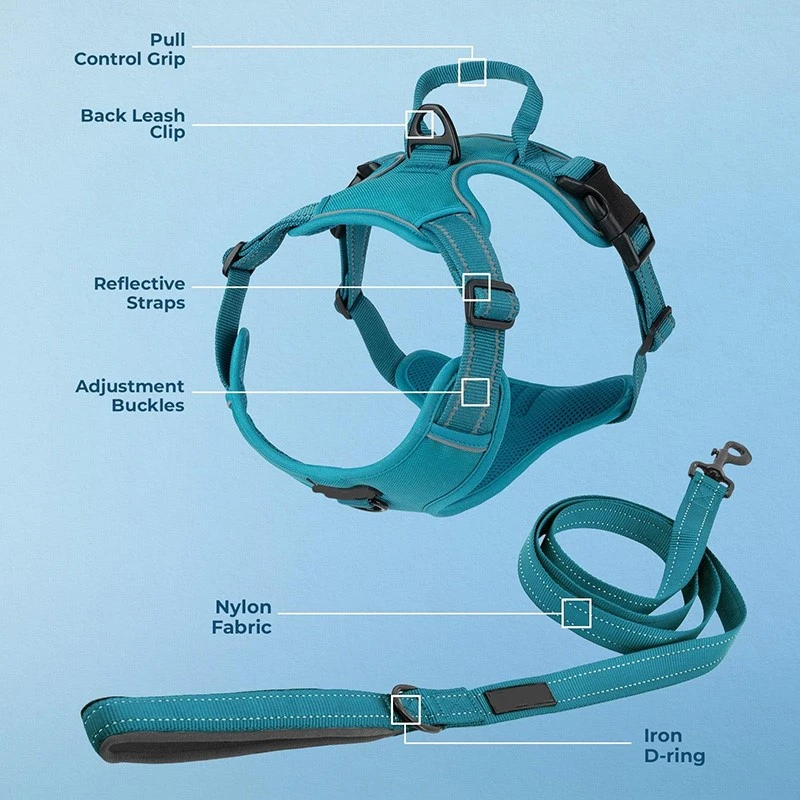
In physical stores, customers can directly examine a product, compare its size, feel its materials, and evaluate its construction.
Online shoppers depend more heavily on product descriptions, photographs, measurements, and other available information.
This makes accurate product specifications particularly important.
For dog collars, leashes, and harnesses, brands should pay attention to:
Accurate product dimensions and size charts
Clear material descriptions
Hardware specifications and product details
Available colors and customization options
Suitable photographs showing product construction
Clear explanations of intended product applications
For example, a dog harness listing should provide sufficient information about its size range, adjustment points, materials, and fastening structure.
If product specifications are unclear, customers may have difficulty choosing the correct product.
For brands and importers, this means product information should be considered during product development rather than added only when preparing an online listing.
Packaging and Product Presentation Need to Match the Sales Channel

Different sales channels have different product presentation requirements.
Traditional retail stores often require packaging that supports shelf display, brand recognition, and product comparison.
Online channels place greater emphasis on product photography, shipping suitability, package dimensions, and the condition in which products arrive.
For pet accessory brands, these differences can influence packaging decisions.
For example, a dog leash sold through a physical retail store may require display-friendly packaging with clear product information.
A similar product sold through an online marketplace may need packaging that protects the product during transportation while avoiding unnecessary bulk.
Importers should consider the following questions when developing packaging:
Does the packaging communicate the product's main features?
Can customers identify the product size and specifications easily?
Is the package suitable for the intended shipping and fulfillment process?
Does the packaging protect hardware and product surfaces?
Are packaging dimensions appropriate for the selected sales channel?
Packaging should support the product's commercial purpose rather than simply increase its visual complexity.
Different Sales Channels May Require Different Product Positioning
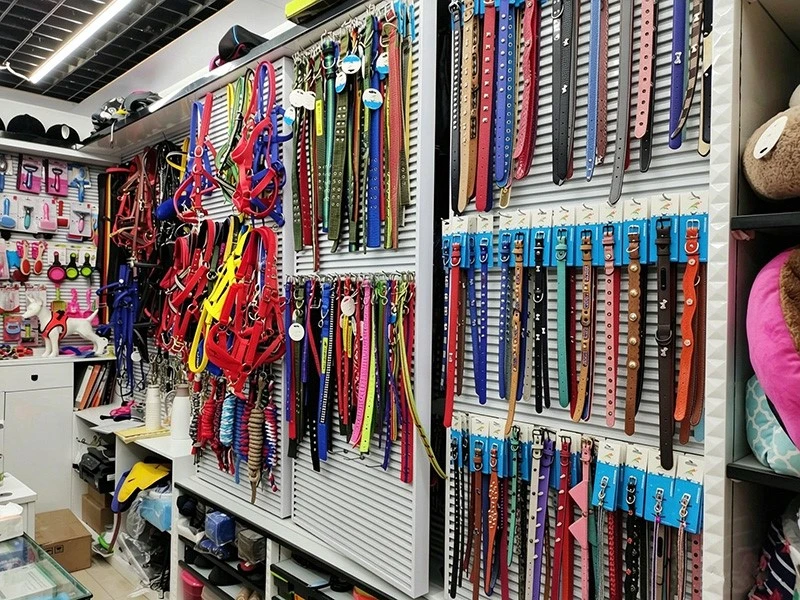
Not every sales channel serves the same type of customer.
Online marketplaces, independent e-commerce websites, and traditional pet specialty stores can have different product selection and presentation requirements.
Online marketplaces
Marketplace sellers often need products with clear specifications, competitive positioning, and easy-to-understand variations.
Products should be straightforward to compare, with consistent sizing, color options, and product information.
Direct-to-consumer websites
Brands selling through their own websites have more control over product presentation and brand communication.
They may develop coordinated product collections, customized colors, and distinctive design features to establish a recognizable brand identity.
Traditional pet specialty stores
Physical specialty retailers may place greater emphasis on shelf presentation, product appearance, packaging, and how products fit into an existing retail assortment.
For importers supplying multiple channels, these differences should be considered when planning product specifications and purchasing requirements.
The same basic product category may need different packaging, color combinations, or product configurations depending on its intended market.
Product Development Should Consider Online Customer Expectations
The growth of online shopping does not mean every pet accessory needs more complicated features.
Instead, brands should focus on making product benefits easier to understand and evaluate.
For example, when developing dog collars and leashes, buyers can consider:
Product visibility
Colors, materials, hardware, and construction details should be presented clearly in product images.
Consistent specifications
Size measurements, material descriptions, and product configurations should remain consistent across product listings and orders.
Practical functionality
Features should address identifiable customer requirements rather than adding complexity without a clear purpose.
Product coordination
Matching collars, leashes, and harnesses can help brands develop coordinated collections for online product pages and retail assortments.
For OEM and ODM projects, these requirements should be communicated to manufacturers before samples are finalized.
This helps align product construction with the intended sales channel and target customer.
What Should Importers Discuss with Manufacturers?
When sourcing pet accessories for online and offline distribution, importers should provide manufacturers with more than a product name and target price.
A clear development brief should include:
Intended sales channels and target markets
Product categories and size requirements
Material and hardware specifications
Color and design requirements
Packaging and labeling requirements
Product photography or presentation needs
Expected product variations and order quantities
For example, an importer developing a dog leash collection for online sales may require consistent product specifications across several colors and lengths.
The manufacturer should understand these requirements before production so that product samples, bulk orders, and future replenishment orders follow the same approved specifications.
At GH Material, our product range includes dog collars, leashes, harnesses, and PVC/TPU coated webbing for pet accessory applications. We support OEM and ODM customization based on buyers' product requirements.
Conclusion
The development of online sales channels is changing how pet accessories are selected, presented, and developed.
For overseas brands and importers, successful product planning requires more than choosing attractive designs. Product specifications, packaging, product information, and channel positioning all influence how products are prepared for different markets.
By considering online and offline requirements during the development stage, businesses can create more suitable product collections and work more effectively with manufacturing partners.
As e-commerce continues to influence the pet product industry, manufacturers and buyers who understand these changing requirements will be better prepared to develop products for different distribution channels.
FAQ
Q: How Is E-Commerce Changing The Pet Accessories Market?
A: E-commerce is changing how customers discover, compare, and purchase pet accessories. Brands need to provide clearer product information, accurate specifications, suitable packaging, and effective online product presentation.
Q: Which Pet Accessories Are Suitable For Online Sales?
A: Dog collars, leashes, harnesses, pet bowls, and other everyday accessories can be sold through online channels. Product suitability depends on customer demand, product specifications, pricing, and the brand's distribution strategy.
Q: Do Online And Offline Pet Products Need Different Packaging?
A: Not necessarily. However, packaging requirements may differ according to retail display needs, shipping protection, package dimensions, and fulfillment methods.
Q: What Should Importers Consider When Developing Pet Accessories For E-Commerce?
A: Importers should consider product dimensions, material descriptions, photographs, packaging, product variations, and consistency between product listings and actual products.
Q: Can OEM Manufacturers Customize Pet Accessories For Different Sales Channels?
A: Yes. Depending on manufacturing capabilities, OEM manufacturers can support customization of product materials, colors, sizes, hardware, construction, and packaging according to buyer requirements.