

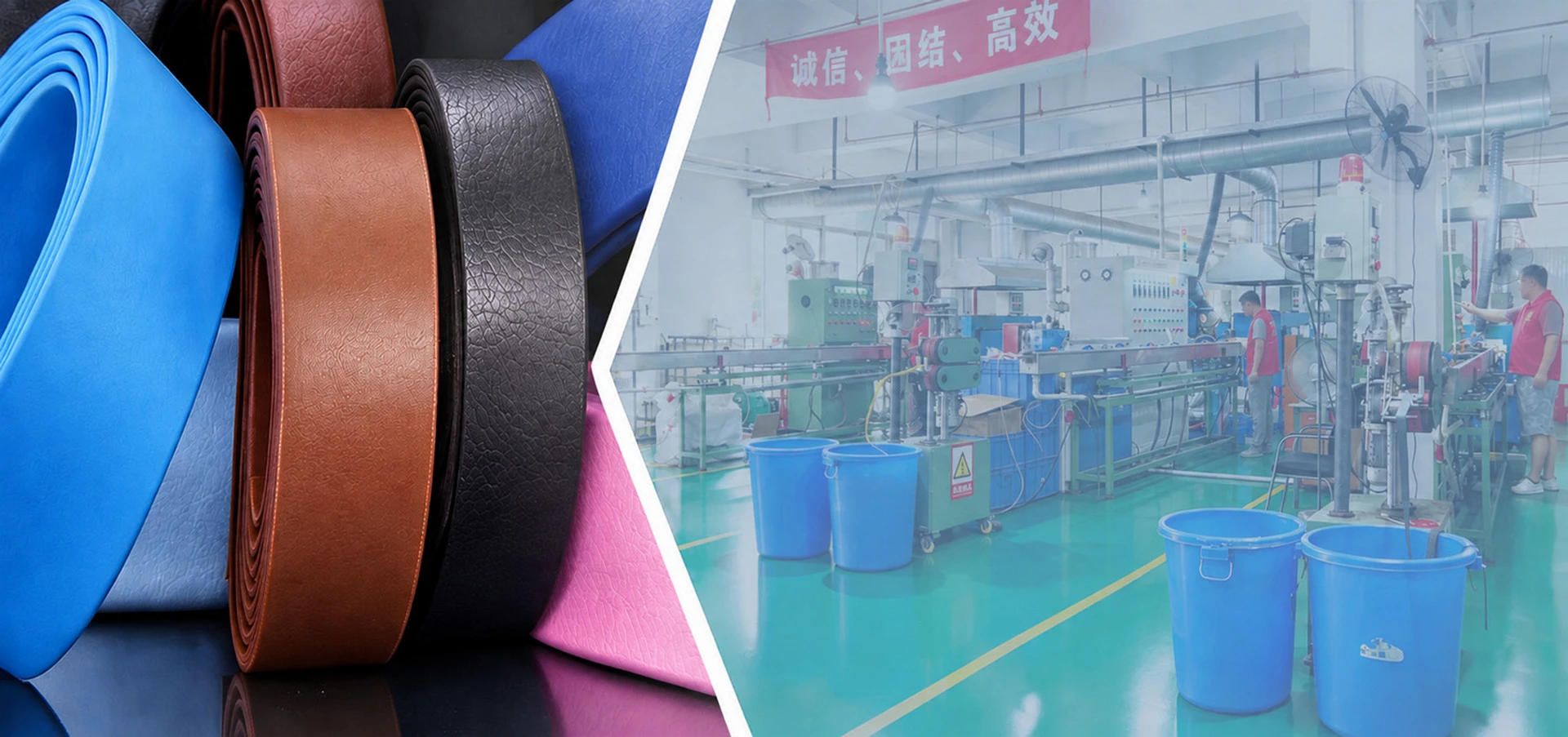
How Value-Conscious Spending Is Changing the U.S. Pet Accessories Market
Nov 17, 2026
Leave a message
How Is Value-Conscious Spending Changing Demand for Pet Accessories in the U.S.?
The U.S. pet accessories market continues to develop, but changing consumer spending habits are influencing how brands and importers approach product selection. While pet ownership remains strong, buyers are becoming more conscious of product value, durability, functionality, and price.
For pet product brands and importers, this shift creates a new challenge: offering products that meet consumer expectations without relying entirely on premium pricing or frequent product launches.
Understanding these changes can help businesses make better decisions about product development, sourcing, and wholesale purchasing.
U.S. Pet Owners Are Becoming More Selective About Spending
According to the American Pet Products Association (APPA), U.S. pet industry expenditures reached $158 billion in 2025, representing 3.7% growth compared with 2024. The industry is projected to reach $165 billion in 2026.
However, market growth does not mean that consumers are spending more freely across every product category.
APPA's 2026 State of the Industry Report indicates that 22% of pet owners spent less on their pets in 2025. Consumers are becoming more intentional about their purchases, prioritizing essential products and adjusting spending on less necessary items.
This change is important for pet accessories because consumers may compare product quality, practical features, and expected lifespan more carefully before making a purchase.
For brands and importers, the opportunity is not simply to offer cheaper products. It is to develop products that provide clear value and meet specific customer needs.
Durability and Functionality Are Important Product Differentiators
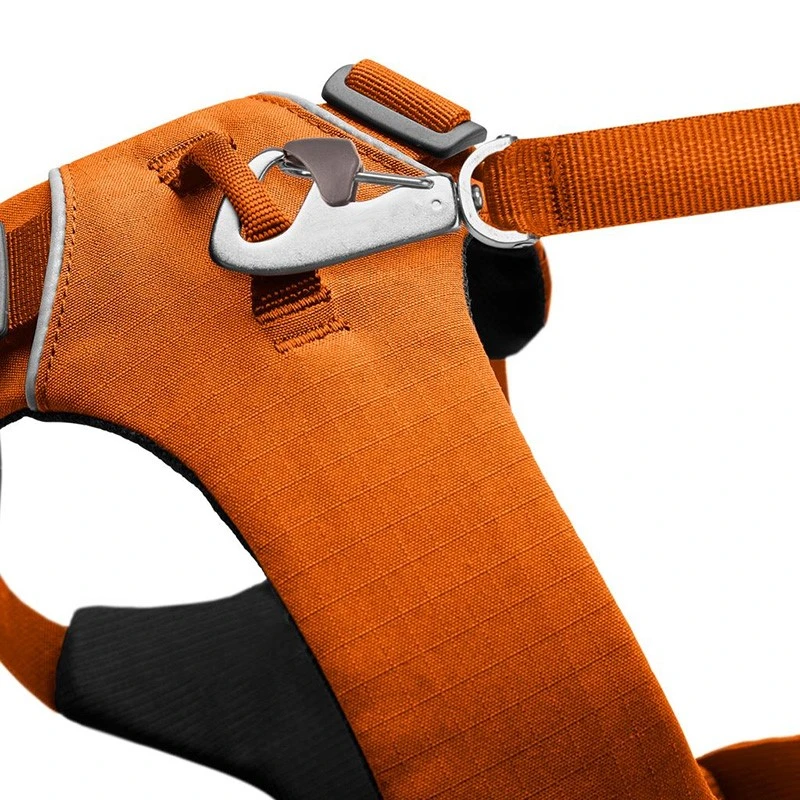
When consumers become more price-conscious, product value becomes more important.
For everyday pet accessories, durability and functionality can influence whether customers consider a product worth purchasing.
Dog collars, leashes, and harnesses are examples of products used regularly. Their materials, construction, hardware, and overall design can affect product performance and customer satisfaction.
For example, a dog leash designed for regular outdoor use may need to balance flexibility, handling comfort, material strength, and ease of maintenance.
A product with practical features and reliable construction may offer a stronger value proposition than one that focuses mainly on appearance.
Pet brands should therefore evaluate product development from a functional perspective.
Important considerations include:
Whether the product is suitable for its intended application
Whether its materials meet expected performance requirements
Whether the construction supports regular use
Whether the design offers practical benefits to customers
Whether the product's selling price reflects its overall value
These factors can help brands develop products that compete on more than price alone.
Product Selection Should Reflect Different Customer Budgets
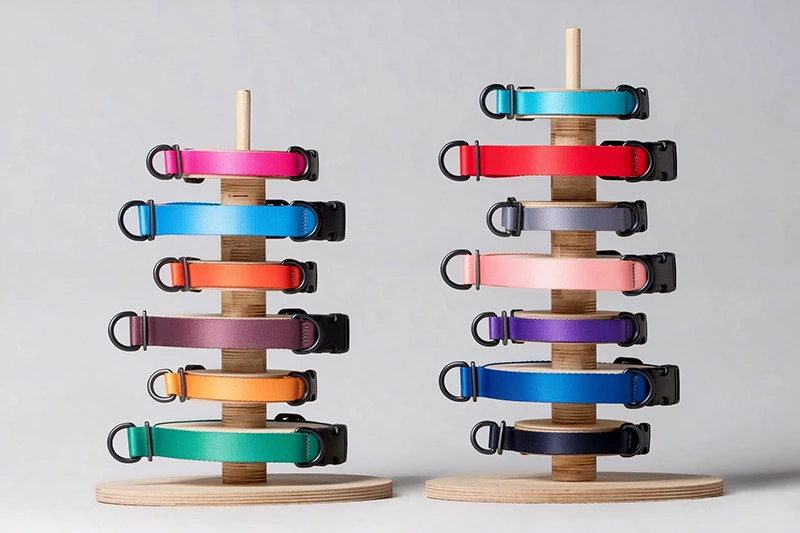
The U.S. pet accessories market includes customers with different spending preferences.
Some consumers are willing to pay more for specialized designs, upgraded materials, or additional functions. Others prefer straightforward products that meet everyday requirements at accessible prices.
This creates opportunities for brands to develop product ranges with different positioning strategies.
For example, a dog collar collection could include:
Basic everyday collars with practical designs
Mid-range collars with upgraded materials and hardware
Premium collars with specialized finishes or distinctive design features
The purpose is not to create unnecessary product variations. Instead, brands should identify meaningful differences between product levels.
For importers and wholesalers, this approach can also make purchasing decisions more structured. Different product specifications can serve different customer segments without requiring an entirely separate product category for each price level.
When working with an OEM manufacturer, buyers can discuss material combinations, hardware options, colors, and construction details to develop suitable product variations.
Material Selection Can Influence Product Value
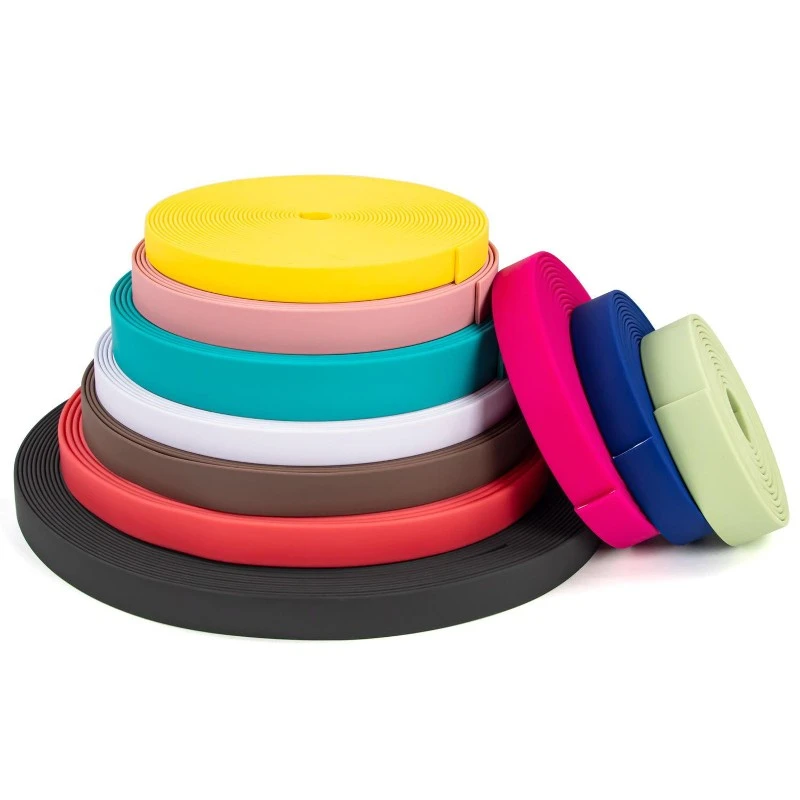
Materials play an important role in determining the performance and positioning of pet accessories.
For dog collars, leashes, and harnesses, coated webbing is one option used in product development.
PVC and TPU coated webbing offer different material characteristics and can be considered according to the intended application, performance requirements, and target product positioning.
For example:
PVC coated webbing can be considered for cost-conscious product ranges where its material characteristics meet the application requirements.
TPU coated webbing can be considered for products requiring a different balance of flexibility and material performance.
However, selecting a material should not be based on price alone.
Buyers should evaluate the complete product structure, including the webbing, stitching or assembly method, hardware, and intended use.
For manufacturers and brands, matching material specifications with product requirements can help avoid unnecessary costs while maintaining product performance.
What Should Importers Consider When Sourcing Pet Accessories?
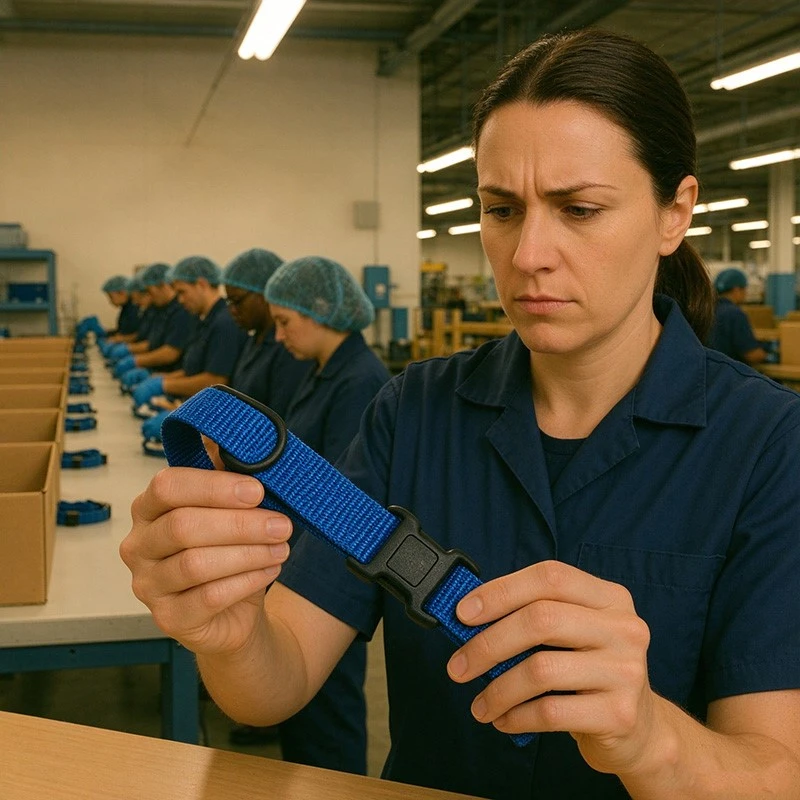
Changing consumer spending habits make product selection and sourcing decisions increasingly important.
Importers should consider several factors when evaluating new pet accessories.
First, identify the target customer segment.
Determine whether the product is intended for budget-conscious consumers, mainstream customers, or premium buyers. This helps establish suitable material specifications, product features, and price positioning.
Second, focus on practical product differentiation.
Instead of adding features simply to make a product look more advanced, identify improvements that offer recognizable benefits. Material performance, hardware selection, ease of use, and product construction are potential areas to evaluate.
Third, review the complete product cost.
A product's value proposition depends on more than its factory price. Importers should also consider shipping, packaging, product specifications, and the expected selling price in their target market.
Finally, evaluate manufacturing capabilities.
An OEM manufacturer should be able to understand product requirements and support appropriate customization. Buyers should communicate their specifications clearly before confirming production.
These considerations can help importers develop product ranges that respond to changing market expectations while supporting long-term business objectives.
How Can Pet Brands Respond to Changing Market Demand?
Value-conscious spending does not necessarily mean that pet brands should move away from higher-quality products.
Instead, brands can review how their products deliver value to customers.
A practical approach is to focus on three areas:
Improve product relevance: Develop products that address identifiable customer needs rather than adding variations without a clear purpose.
Balance product positioning: Offer suitable options for different customer budgets while maintaining consistent product standards.
Strengthen product development: Work with manufacturers to evaluate materials, construction, and specifications before introducing new products.
For overseas buyers, a manufacturer that understands material applications and product customization can contribute to more effective product development.
At GH Material, our product range includes pet collars, leashes, harnesses, and PVC/TPU coated webbing for pet accessory applications. We support OEM and ODM customization according to product requirements.
Conclusion
The U.S. pet accessories market continues to offer opportunities, but changing consumer spending habits are influencing how products compete.
For importers, wholesalers, and pet brands, the key is to understand what customers consider valuable. Durability, functionality, suitable materials, and appropriate product positioning can all contribute to a stronger product offering.
Rather than competing only through lower prices, businesses should focus on developing pet accessories that meet practical requirements and provide clear value in their target markets.
Working with an experienced manufacturer can help buyers translate these requirements into suitable product specifications and customized product ranges.
FAQ
Is the U.S. pet accessories market still growing?
Market research indicates continued growth in the U.S. pet accessories sector. However, changing consumer spending habits mean brands need to pay closer attention to product value and market positioning.
What do consumers consider when purchasing pet accessories?
Important considerations include product safety, quality, durability, functionality, and price. Their relative importance may vary across customer groups and product categories.
Should pet brands focus on lower-priced products?
Not necessarily. Brands should understand their target customers and develop products that balance quality, functionality, and price rather than competing only on the lowest price.
How can importers develop pet accessories for different price segments?
Importers can work with manufacturers to evaluate different materials, hardware options, product structures, and design specifications to create clearly differentiated product ranges.
Why is material selection important for dog collars and leashes?
Material selection affects product characteristics, performance, and suitability for different applications. Buyers should evaluate the complete product structure rather than comparing material prices alone.