

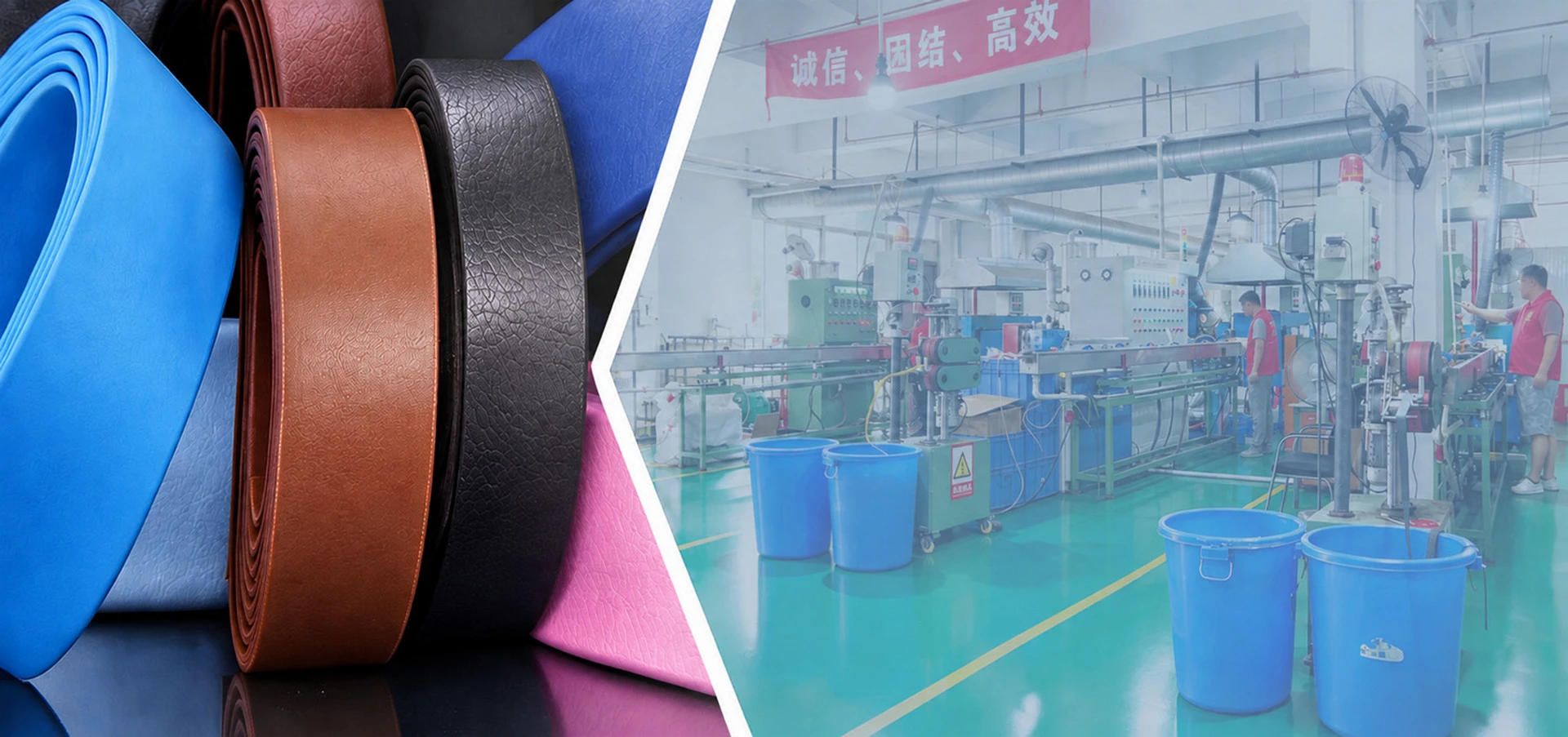
How to Coordinate Multi-SKU Pet Product Orders
Oct 28, 2026
Leave a message
A wholesale pet product order may include several collars, leashes, harnesses, colors, and hardware configurations. Although these items may be purchased under one purchase order, they do not necessarily follow the same production process.
Some products require coated webbing preparation and cutting, while others need sewing, buckle installation, or additional assembly. If buyers treat the entire purchase as one production unit without checking the requirements of individual SKUs, a delay affecting one item can complicate the delivery of the entire order.
For importers, wholesalers, and private-label pet brands, effective coordination starts with understanding how each SKU moves through production and how the factory plans to combine finished products into a shipment.
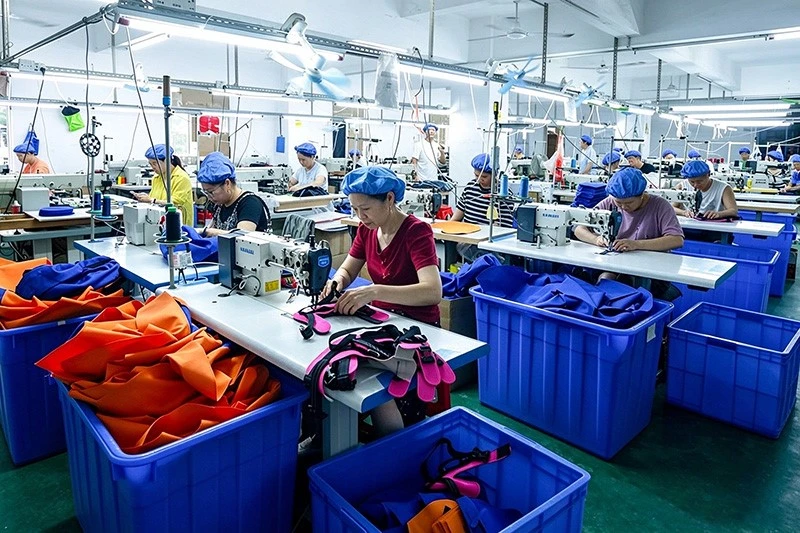
Separate the Purchase Order Into Production Groups
A purchase order is a commercial document, but it does not always reflect the most practical production arrangement.
For example, an order may contain PVC-coated dog collars, matching leashes, and adjustable harnesses. These products may share certain materials or colors, but their manufacturing processes and assembly requirements differ.
Before production begins, buyers should ask the manufacturer to identify which SKUs can share production resources and which require separate operations.
Useful production groups may include:
Products using the same coated webbing specification and color.
Products requiring the same buckle or metal hardware components.
Items that require sewing or multi-component assembly.
Products requiring different branding processes or inspection procedures.
Grouping products this way helps the factory organize material preparation, equipment use, and assembly work.
However, products should not be combined solely because they look similar. Differences in webbing thickness, hardware dimensions, stitching requirements, or finished construction may require separate production arrangements.
Confirm Component Readiness for Each SKU
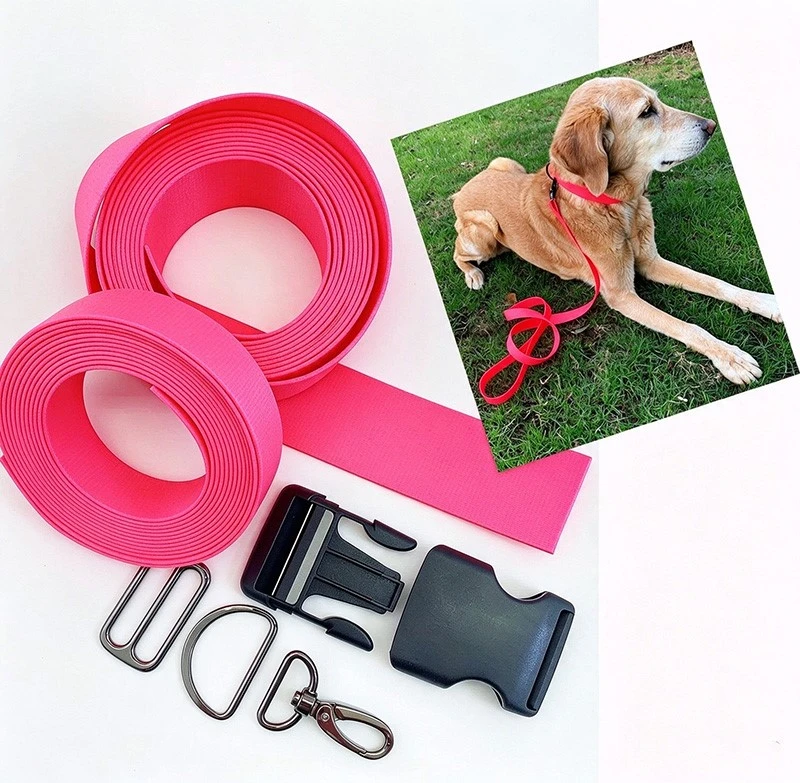
A product may be ready for assembly in every respect except one missing component.
For example, the webbing and buckles for a dog collar may already be available, while the specified swivel hooks for its matching leash have not arrived. The collar could proceed through production, but the leash might remain incomplete.
Buyers should therefore request component readiness information at the SKU level rather than relying only on a general statement that the order is ready for production.
A practical component checklist includes:
Webbing material, width, thickness, and color.
Buckles, D-rings, adjusters, and swivel hooks.
Labels, logos, and other branding components.
Product-specific sewing or assembly requirements.
Packaging materials and SKU identification labels.
The factory should identify missing components and explain which products can proceed without them.
This is particularly important when an order contains hardware in different finishes, custom-branded accessories, or several product constructions. A component that looks similar may not be interchangeable with the approved specification.
Build a Production Schedule Around Process Dependencies
Not every SKU should be scheduled independently, and not every SKU needs to wait for all other products.
The most useful production schedule shows the relationship between manufacturing stages. For example, a PVC-coated webbing leash may require material preparation, cutting, hardware installation, stitching, inspection, and packing. A different product may require additional assembly steps.
Buyers should ask the factory to identify the stages that must be completed before each SKU can move forward.
A simple tracking table can help both parties maintain a consistent view of progress.
| Production stage | Information to confirm |
|---|---|
| Material preparation | Which SKUs have approved and available materials? |
| Component preparation | Which hardware and branding components are ready? |
| Cutting and processing | Which products have entered processing? |
| Assembly | Which SKUs are awaiting assembly or sewing? |
| Quality inspection | Which finished products have passed inspection? |
| Packing | Which quantities are packed and ready for shipment? |
The purpose is not to create unnecessary reporting work. It is to identify dependencies early enough to make practical decisions.
If one SKU cannot proceed because a component is unavailable, the buyer and manufacturer can discuss whether other ready products should continue through production rather than leaving the entire order inactive.
Decide Whether to Ship All SKUs Together or Separately
When products finish at different times, buyers need to decide whether to wait for the complete order or arrange separate shipments.
Neither option is automatically better. The right choice depends on inventory requirements, freight costs, receiving arrangements, and the commercial importance of each SKU.
Consolidated shipment may be suitable when the buyer wants to receive the full product range together, minimize separate freight arrangements, or distribute the products as a coordinated collection.
Partial shipment may be worth considering when certain SKUs are urgently needed, completed products can be released independently, and the additional shipping expense is justified.
Before approving partial shipment, confirm:
Which SKUs and quantities are ready for release.
Whether the remaining products can be shipped later.
The additional freight and handling costs.
Whether shipping documents and packing lists can clearly identify each shipment.
Whether the buyer's receiving warehouse can accept separate deliveries.
Buyers should also confirm whether partial shipment affects any agreed delivery terms or documentation requirements.
Most importantly, a partial shipment should be an agreed commercial decision, not an improvised response to an unexpected production problem.
Establish SKU-Level Quality Release Requirements
Products from the same purchase order should not automatically be treated as one quality inspection group.
A collar may pass inspection while a leash from the same collection has an incorrectly installed swivel hook. Similarly, one color may meet the approved specification while another shows a visible difference from the accepted sample.
Before mass production, buyers should define the inspection requirements relevant to each product type.
For PVC-coated webbing products, inspection may include surface condition, color consistency, cut edges, and finished dimensions. For assembled collars and leashes, the inspection may also cover stitching, hardware installation, and the operation of adjustable components.
Where load-bearing performance matters, buyers should agree on the applicable test method and acceptance criteria with the manufacturer.
The release process should make it clear which SKUs have passed inspection, which require corrective work, and which quantities are authorized for packing.
This prevents completed items from being confused with products that are merely assembled but have not yet received final approval.
Keep Carton Packing and SKU Identification Consistent
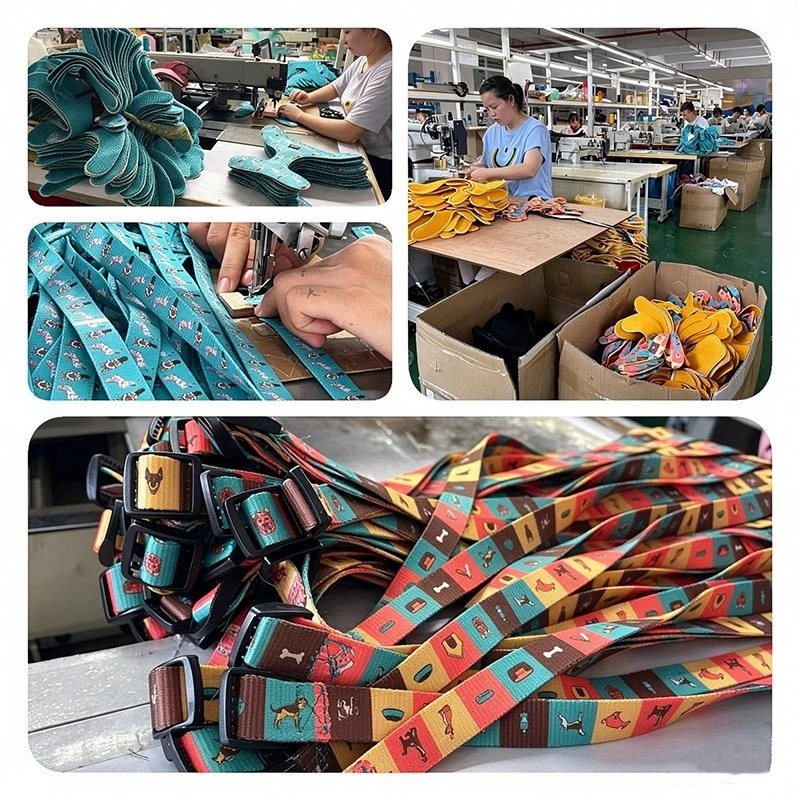
Production coordination does not end when the products pass inspection. The packing arrangement must also match the purchase order and the buyer's warehouse requirements.
For example, an order may contain several collar sizes and colors, each with its own SKU. If these products are mixed in cartons without clear identification, warehouse receiving and inventory allocation can become more difficult.
Before packing, buyers should confirm the required information, including:
SKU or product reference.
Product description and color.
Size or configuration, where applicable.
Quantity per inner pack or carton.
Carton quantity and shipping marks, when required.
The manufacturer and buyer should also agree on how actual packed quantities will be checked against the purchase order.
A final packing list should reflect the goods prepared for shipment rather than simply repeating the quantities originally ordered.
This gives the buyer a clearer basis for checking the shipment when it arrives.
Use One Shared Order Status Record
When several SKUs are in production, status updates can become inconsistent if the buyer, purchasing team, and factory rely on separate messages or spreadsheets.
A shared order record can reduce this problem without requiring a complicated production management system.
At minimum, it should include the SKU, ordered quantity, component status, current production stage, inspection status, packing status, and estimated completion date.
The parties should agree on when the record will be updated and how changes affecting delivery will be communicated.
If a SKU falls behind schedule, the factory should identify the affected products, explain the immediate constraint, and provide a revised estimate. The buyer can then decide whether to adjust the shipment arrangement or retain the original delivery plan.
This approach makes discussions more actionable than general updates such as "production is ongoing" or "the order will be ready soon."
Conclusion
Coordinating a multi-SKU pet product order requires more than confirming one production start date and one shipment date. Buyers need visibility into component readiness, process dependencies, SKU-level quality release, packing arrangements, and the relationship between individual products and the final shipment.
By agreeing on these details before production and maintaining a shared order status record, buyers can make better decisions when some products progress faster than others.
For wholesale pet brands and importers sourcing collars, leashes, harnesses, and PVC- or TPU-coated webbing products, clear SKU-level coordination can make order execution more predictable and reduce avoidable communication problems.
Planning a multi-SKU pet product order? Contact GH Material to discuss your product specifications, component requirements, customization needs, and order quantities before production begins.
FAQ
Q: Can Different Pet Product SKUs Be Produced Under One Purchase Order?
A: Yes. A single purchase order can include different products, colors, sizes, and configurations. The manufacturer should confirm the production and inspection requirements for each SKU before scheduling the order.
Q: Should Buyers Always Wait Until Every SKU Is Finished Before Shipping?
A: No. Consolidated shipment can simplify receiving and may reduce separate freight arrangements, while partial shipment may help buyers receive urgent products sooner. The decision should consider additional costs, delivery priorities, and warehouse requirements.
Q: What Information Should Buyers Request During Production?
A: Buyers should request SKU-level updates covering material and component readiness, production progress, quality inspection, packing status, and estimated completion dates.
Q: How Can Buyers Reduce Errors When Receiving Mixed-SKU Orders?
A: Agree on SKU identification, carton quantities, packing requirements, and packing-list details before production is completed. Verify the final packed quantities against the purchase order and shipping documents.
Q: When Should The Shipment Arrangement Be Confirmed?
A: Discuss the intended shipment arrangement before production starts. Reconfirm it when the factory has better visibility into completion dates, particularly if the order contains products with different manufacturing processes.