

How to Evaluate a Coated Webbing Supplier for Pet Products
Oct 19, 2026
Leave a message
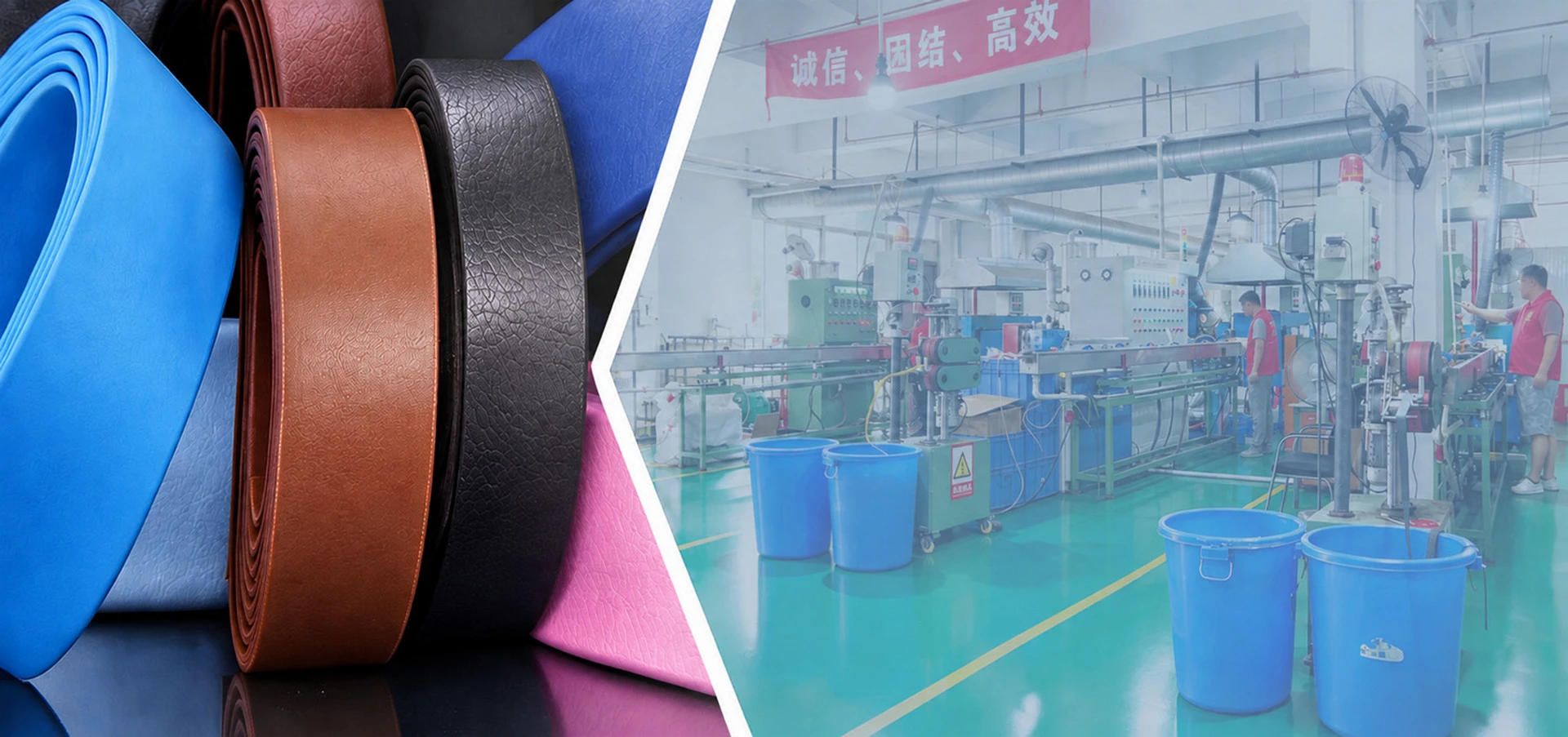
For pet product importers, wholesalers, and brands, choosing a coated webbing supplier involves more than comparing the price per meter. The material must suit the intended product, fit the selected hardware, and meet the same agreed specifications when the buyer places repeat orders.
If the material changes in width, thickness, flexibility, color, or surface finish, the buyer may need to reassess product assembly or appearance. These issues can create additional sampling work, production delays, and uncertainty when replenishing popular products.
For buyers sourcing PVC or TPU coated webbing for dog leashes, collars, and other pet accessories, a structured supplier evaluation helps establish whether a material and supplier are suitable for the intended purchasing plan.
Coated Webbing Suitability Comes First
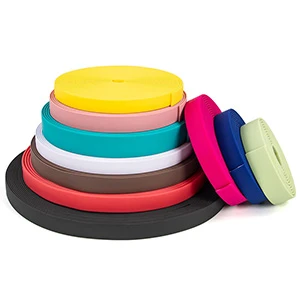
Confirm Whether PVC or TPU Fits the Application
First, determine whether the supplier manufactures coated webbing in-house or sources it from another manufacturer. This helps buyers understand who controls production and who is responsible for material-related issues.
Ask the supplier:
Which coating materials and base webbing options are available?
Can you customize width, thickness, color, and surface finish?
Which production processes are handled in-house?
How are production changes and quality issues managed?
For buyers sourcing PVC or TPU coated webbing for dog collars and leashes, the supplier's capabilities should match the project's actual requirements. Do not assume that every supplier offering coated webbing can manufacture every specification.
Check the Finished Material Specifications
A description such as "2.38 mm coated webbing" is not a complete purchasing specification.
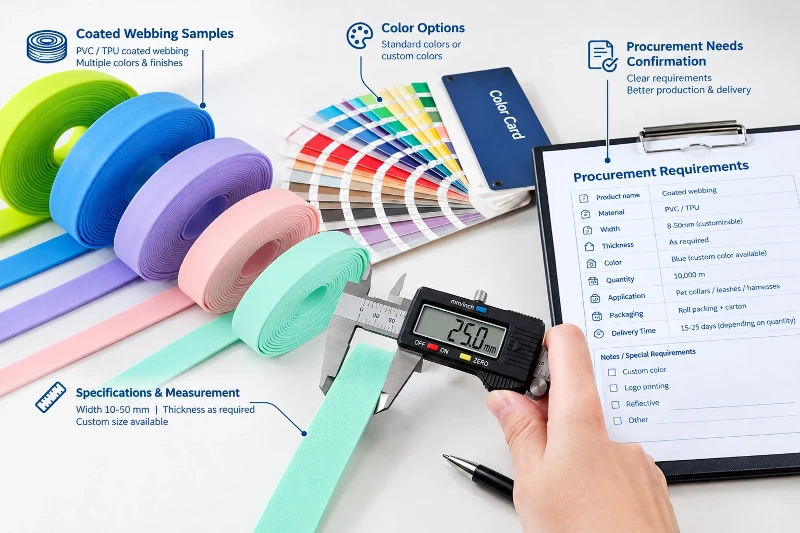
Buyers should confirm the required width and thickness, any agreed tolerances, coating type, base textile where relevant, color, and surface finish. The dimensions of the finished coated material should be checked rather than assumed to be identical to those of the underlying textile.
If the material will be used in an existing product design, compare the proposed specification with the material used in the approved sample. If the design or hardware has changed, reassess compatibility before placing the bulk order.

Sample Evaluation Helps Identify Production Risks
A sample should be checked against the intended application, not only against a photograph or general product description.
Start by measuring the sample's width and thickness at several points and comparing the results with the agreed specification. Inspect the surface for visible inconsistencies, including uneven coating, unwanted marks, or color differences that matter to the finished product.
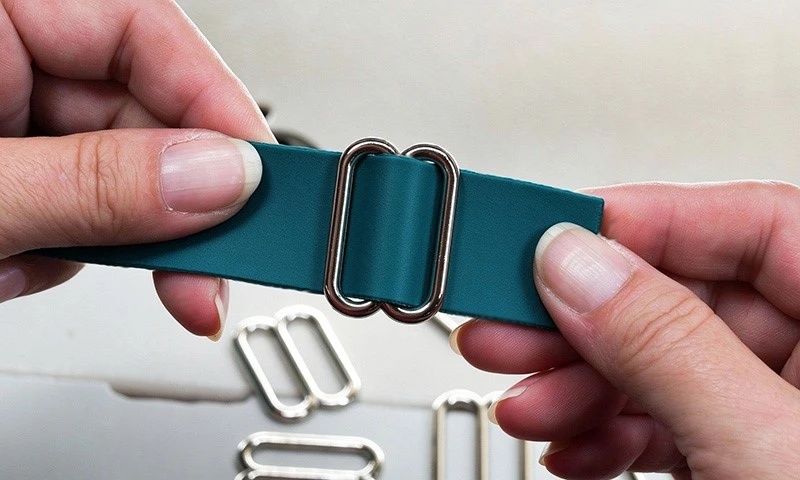
Next, test the sample in the intended construction. Pass the webbing through the selected buckle or adjuster, examine how it sits in the hardware, and check whether it can be assembled and adjusted as required. If the product uses stitching or folded attachment points, evaluate the actual construction method.
These checks help identify fit and appearance issues before bulk production. However, visual inspection and assembly checks do not prove every performance characteristic. If the product requires specific strength, abrasion, temperature, or other performance criteria, buyers should define the required test method and acceptance level before ordering.
Repeat-Order Consistency Affects Purchasing Decisions
An acceptable first sample does not automatically establish that future orders will match it. For wholesalers and pet brands, repeat orders may be placed weeks or months after the original purchase, making specification records important.
A practical process is:
Sample → Specification Confirmation → Trial Order → Batch Evaluation → Regular Reorders
At the sample stage, record the material type, dimensions, color, surface finish, and other characteristics that matter to the product. Link the approved sample to the written specification so both parties have a common reference.
During a trial order, compare delivered material against the approved requirements and evaluate it using the same inspection criteria. Before regular purchasing, confirm how specification changes will be communicated and whether revised samples are needed when a change could affect fit, appearance, or product performance.
This approach does not guarantee that every batch will be identical. It gives buyers a clearer method for identifying differences and managing approvals before those differences affect production.
How GH Material Supports Pet Product Sourcing
GH Material supplies PVC and TPU coated webbing and selected finished pet products, including collars, leashes, harnesses, and related accessories.
For buyers considering coated webbing, the first step is to clarify the intended application, required dimensions, color, surface finish, and estimated quantity. These details help define what needs to be confirmed during quotation and sample evaluation.
For finished pet products, buyers should separately confirm the required product structure, dimensions, colors, logo requirements, hardware, and other customization details. The suitability of a particular combination depends on the selected design and available options.
Buyers sourcing both coated webbing and finished pet products should not assume that every material specification is automatically suitable for every finished item. The intended product and its construction requirements should guide the evaluation.
Coated Webbing Supplier Procurement Checklist
| What to verify | Procurement question |
|---|---|
| Material selection | Is PVC or TPU suitable for the intended application? |
| Finished dimensions | Are width and thickness clearly specified? |
| Base textile | Is the relevant polyester or nylon base identified where required? |
| Surface and color | Are the required appearance and finish documented? |
| Sample suitability | Has the material been checked in the intended product construction? |
| Performance criteria | Are any required tests and acceptance levels defined? |
| Batch consistency | Will delivered material be checked against the approved specification? |
| Change control | How will changes to material or specifications be communicated? |
| Repeat orders | Can both parties refer to the same approved specification? |
| Quotation scope | Are the material, quantity, customization, and delivery terms clear? |
FAQ
Q: How Do I Choose Between PVC And TPU Coated Webbing?
A: Start with the finished product's requirements, including cost considerations, dimensions, flexibility, surface finish, and hardware compatibility. Compare actual samples against the same criteria rather than relying on material names alone.
Q: What Should I Check Before Approving A Coated Webbing Sample?
A: Check the finished width and thickness, color, surface appearance, and suitability for the intended assembly. Define separate performance tests if the product has specific strength or other requirements.
Q: Does An Approved Sample Guarantee Consistent Repeat Orders?
A: No. An approved sample provides a reference, but buyers should also document the specification, inspect trial orders, and agree on how changes will be handled.
Q: What Information Should I Send When Requesting A Quotation?
A: Provide the intended application, material preference, finished dimensions, color, surface finish, estimated quantity, and any relevant hardware or performance requirements.
Q: Can GH Material Supply Both Coated Webbing And Finished Pet Products?
A: GH Material supplies PVC and TPU coated webbing as well as selected finished pet products. Buyers should confirm the specifications, available options, and requirements for each project before ordering.
Ready to Evaluate a Coated Webbing Supplier?
If you are sourcing coated webbing for dog leashes, collars, or other pet accessories, start with your application, required dimensions, material preference, color, estimated quantity, and hardware requirements.
GH Material can discuss the relevant coated webbing and pet product options based on your project specifications.
Request a Coated Webbing Quote