

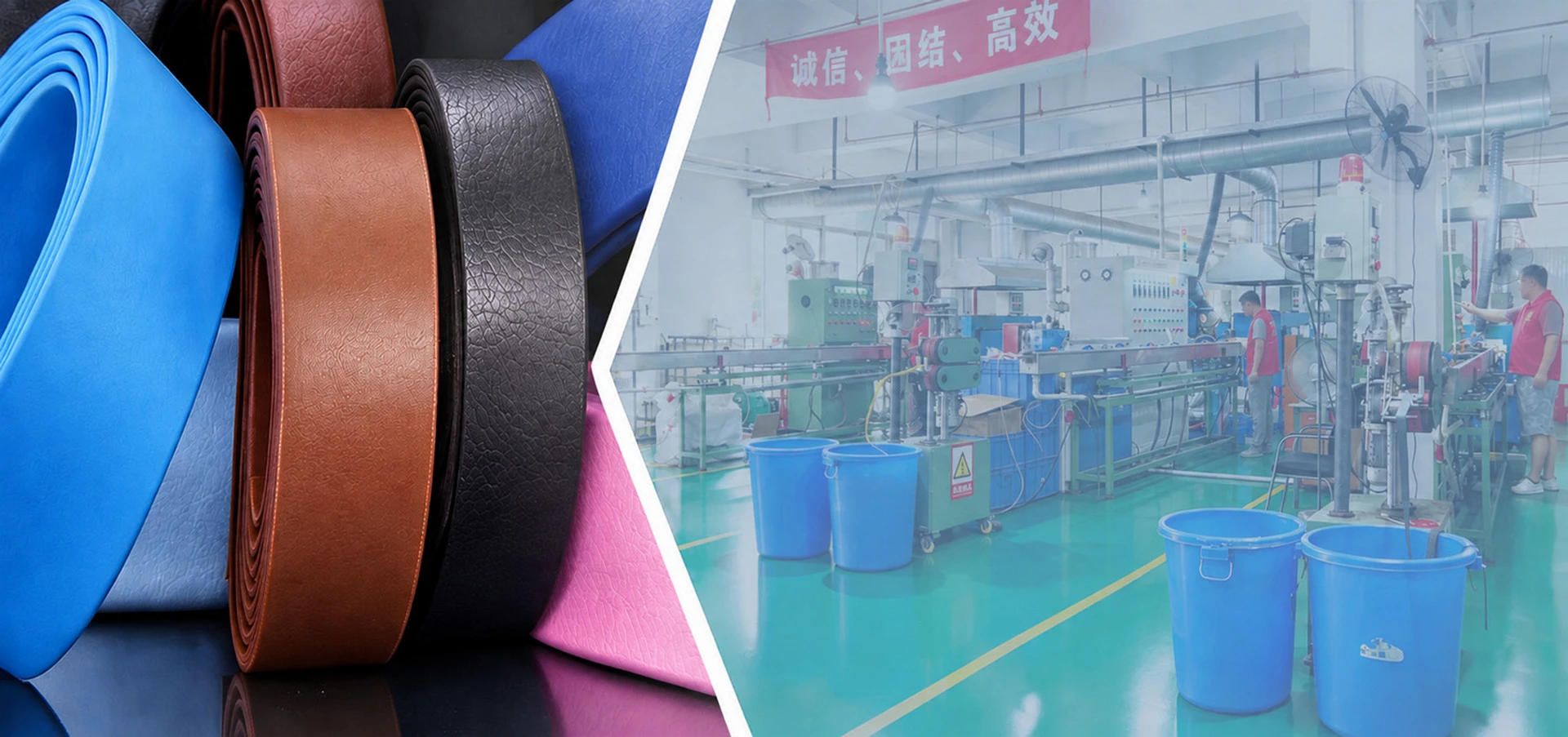
How to Differentiate Pet Products in Competitive Markets
Nov 13, 2026
Leave a message
How Can Pet Product Importers Differentiate Their Products in Highly Competitive Markets?
The pet products market offers importers a wide range of products, from basic dog collars and leashes to customized harnesses and accessories. However, many competing products share similar appearances, materials, and functions.
For importers and private label brands, selling products that look almost identical to those offered by competitors can make it difficult to establish a recognizable market position. Price competition may become the primary purchasing consideration, putting pressure on wholesale margins.
Effective pet product differentiation requires more than changing colors or adding a logo. Importers need to identify product features that matter to their target customers and translate those requirements into practical improvements.
The challenge is finding differences that customers recognize, that manufacturers can produce consistently, and that justify the additional development investment.
1. Identify Where Product Differentiation Matters Most
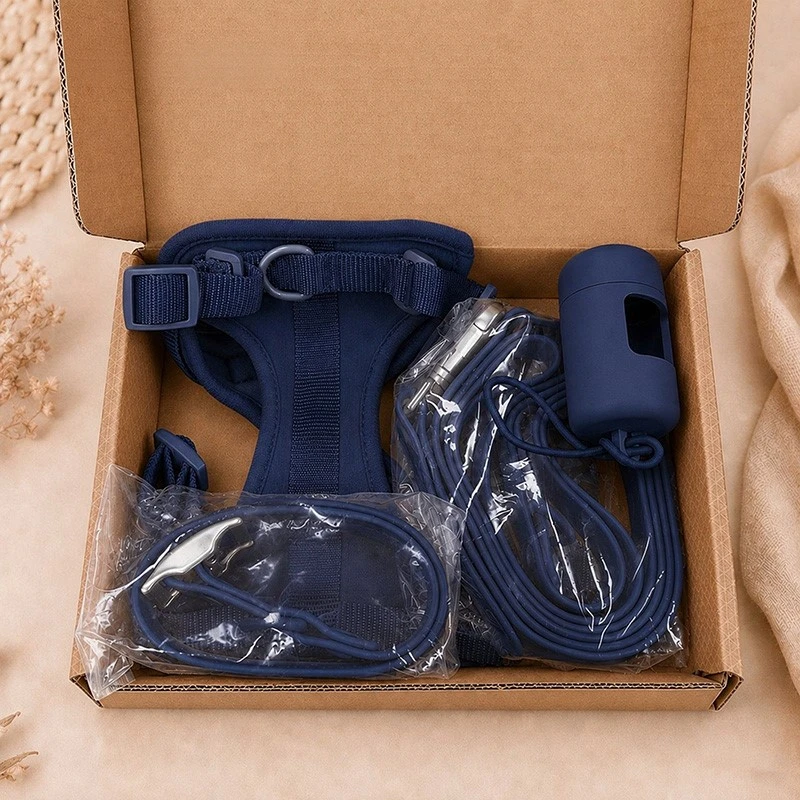
Not every product feature creates meaningful commercial value.
Importers should first examine how competing products are positioned and identify areas where existing offerings fail to meet customer expectations.
For example, two dog leashes may have similar lengths and basic functions, but their differences in material flexibility, surface finish, hardware construction, and handling characteristics can influence purchasing decisions.
Before developing new products, importers should consider:
Which product features are already common across competing brands?
What complaints or unmet requirements appear repeatedly in customer feedback?
Which features influence purchasing decisions rather than simply changing appearance?
Are there opportunities to serve a specific customer group with a more suitable design?
Market differentiation should begin with a clear commercial purpose.
For example, an importer serving outdoor-oriented pet product retailers may prioritize durable materials and easy-clean surfaces. A braz'z'znd targeting premium product segments may place greater emphasis on coordinated colors, distinctive hardware, and customized packaging.
Identifying the right opportunity helps prevent unnecessary development costs and reduces the risk of introducing products without a clear market position.
2. Differentiate Products Through Functional Improvements
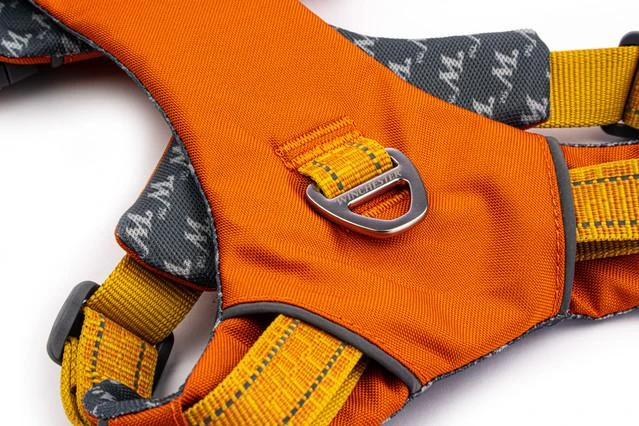
Functional improvements can create more meaningful product differences than cosmetic changes alone.
For dog collars, leashes, and harnesses, importers can evaluate how product construction affects everyday handling, adjustment, and usability.
Potential development areas include:
Adjustment structures: Improve strap adjustment to accommodate different dog sizes.
Hardware combinations: Select buckles, D-rings, and hooks according to product requirements.
Connection designs: Improve the connection between leash components and attachment points.
Wearing convenience: Refine harness structures to make fitting and adjustment more practical.
Cleaning requirements: Consider materials and construction that simplify routine cleaning.
However, functional improvements should address a specific customer requirement.
Adding unnecessary components may increase manufacturing complexity without providing a meaningful advantage. Importers should therefore evaluate whether a proposed feature improves usability, product positioning, or customer satisfaction.
A successful design improvement should offer a recognizable benefit while remaining practical for wholesale production.
3. Use Materials and Construction to Create Product Value
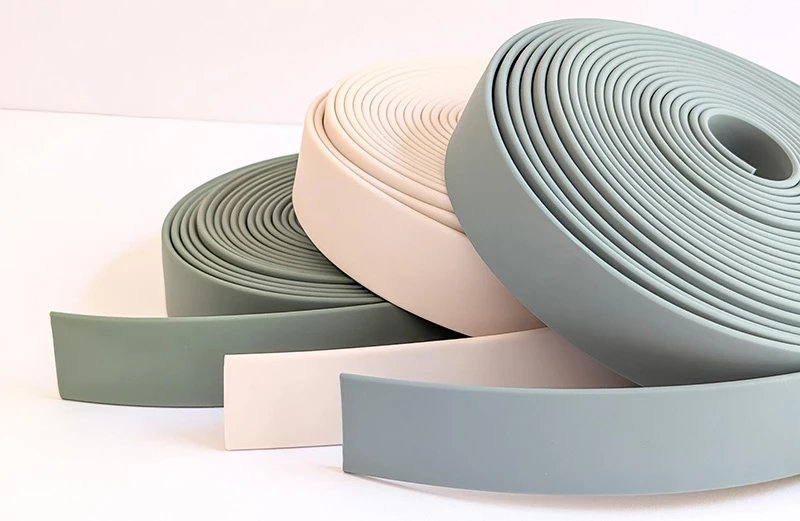
Material selection is another important way to differentiate pet products.
Products with similar designs can deliver different market value depending on their materials, construction methods, and finishing quality.
For example, PVC and TPU coated webbing can be used in dog collars and leashes where water resistance and easy cleaning are important considerations.
Importers should evaluate several material characteristics:
Flexibility and handling characteristics
Surface finish and appearance
Thickness and width consistency
Resistance to routine wear
Suitability for the intended application
Construction also matters. The connection between webbing and hardware, stitching arrangements, edge finishing, and component compatibility can influence the overall product result.
For manufacturers, material and construction changes must be evaluated together.
A new material may offer an attractive surface finish but require adjustments to cutting, joining, or assembly processes. Similarly, changing hardware dimensions may affect the compatibility of existing product components.
Importers should request samples and evaluate the complete product rather than selecting materials based on appearance alone.
This approach helps ensure that material differentiation translates into practical product value.
Develop Distinctive Product Collections

Differentiation does not always require every product to have a completely different design.
Importers can also create recognizable product collections by coordinating several products around a consistent design direction.
For example, a dog accessory collection may include:
Matching dog collars
Coordinated dog leashes
Compatible harnesses
Complementary accessories
These products can share similar colors, materials, hardware finishes, and visual details.
A coordinated collection offers several commercial advantages.
First, it gives wholesale buyers more opportunities to purchase complementary products rather than individual items.
Second, it helps brands establish a consistent product identity across different categories.
Third, it creates opportunities for future product extensions without requiring an entirely new design direction for every launch.
However, product consistency should not come at the expense of application requirements.
A material or hardware combination suitable for a collar may not necessarily be appropriate for every harness or leash design. Each product still requires evaluation according to its intended use.
Importers should therefore establish common design elements while allowing product-specific construction requirements.
Balance Differentiation with Manufacturing Feasibility
An attractive product concept does not automatically become a commercially viable wholesale product.
Some designs require specialized components, additional assembly procedures, or more complicated production arrangements. These factors may increase development costs and make repeat manufacturing more difficult.
Before approving a new design, importers should discuss its manufacturing feasibility with the supplier.
Important considerations include:
Whether the required materials and components are available
Whether existing production equipment can support the design
Whether additional tooling or development work is necessary
Whether assembly procedures can be standardized
Whether the product can maintain consistent specifications in bulk production
For example, introducing a new buckle structure or customized hardware combination may require additional component sourcing and assembly verification.
A practical development process should include sample evaluation, specification confirmation, and production feasibility assessment before bulk orders are placed.
The objective is not to create the most complicated product. It is to develop a product with identifiable market value that can be manufactured reliably at an acceptable commercial cost.
Maintain Product Differentiation Across Repeat Orders
Product differentiation must remain consistent after the initial launch.
A product may have distinctive materials, colors, hardware, and construction when the first sample is approved. However, differences between subsequent production batches can weaken the product identity established by the brand.
Importers should maintain clear product specifications covering:
Approved material types and dimensions
Color references and surface finishes
Hardware models and specifications
Construction and assembly requirements
Packaging and labeling details
Approved samples should serve as references for subsequent production.
When a component becomes unavailable or a material specification needs to change, manufacturers should communicate the proposed adjustment before implementation.
Importers can then evaluate whether the change affects product appearance, functionality, or the positioning of the existing collection.
This is particularly important for private label brands that depend on consistent product presentation across wholesale channels.
Maintaining differentiation is not only about creating something new. It also requires preserving the product characteristics that customers originally selected.
Frequently Asked Questions
Q: How Can Importers Differentiate Their Pet Products Without Significantly Increasing Costs?
A: Importers can begin with targeted improvements to colors, hardware combinations, material finishes, and product configurations. Not every differentiation project requires new tooling or complicated construction changes.
Q: Is Customized Design Enough To Differentiate Private Label Pet Products?
A: Not necessarily. Customized logos and colors improve brand recognition, but functional improvements, material selection, and construction details can create additional product value.
Q: How Can Importers Determine Whether A New Product Design Is Commercially Viable?
A: They should evaluate customer demand, competing products, expected wholesale pricing, development expenses, and manufacturing feasibility before committing to bulk production.
Q: Why Is Manufacturing Consistency Important For Differentiated Products?
A: Customers may recognize and purchase a product because of its particular appearance or functionality. Changes in materials, dimensions, or construction between batches can weaken that differentiation.
Conclusion
Product differentiation is an important consideration for pet product importers operating in competitive wholesale markets.
Rather than relying entirely on lower prices or cosmetic customization, importers should identify meaningful product improvements, select appropriate materials, and develop coordinated product collections.
However, successful differentiation must also be commercially practical. New designs should be evaluated against manufacturing capabilities, development costs, and repeat-order consistency.
Working with an experienced pet product manufacturer can help importers turn product concepts into practical OEM and ODM solutions while maintaining consistent specifications across production batches.
Looking for a manufacturing partner for your next pet product collection?
GH Material supports OEM and ODM development for dog collars, leashes, harnesses, and PVC/TPU coated webbing. Contact our team to discuss your product specifications and customization requirements.