

Wholesale Pet Accessories: How to Evaluate the Financial Risk of Discontinued Styles
Nov 12, 2026
Leave a message
How Should Importers Evaluate the Financial Risk of Discontinued Pet Product Styles?
For pet product importers and wholesalers, a product style can remain commercially useful for months or even years before demand begins to decline. However, changes in market preferences, customer requirements, material availability, or brand strategy may eventually make a product unsuitable for continued sales.
When a style is discontinued, the financial impact can extend beyond the remaining inventory. Importers may also face replacement development costs, customer order adjustments, outdated packaging, and difficulties maintaining an existing product collection.
For businesses sourcing wholesale pet accessories, evaluating these risks before placing another bulk order can help protect purchasing budgets and reduce avoidable losses.
1. Calculate the Financial Exposure of Remaining Inventory
The first step is to understand how much money is tied up in a product that may no longer sell consistently.
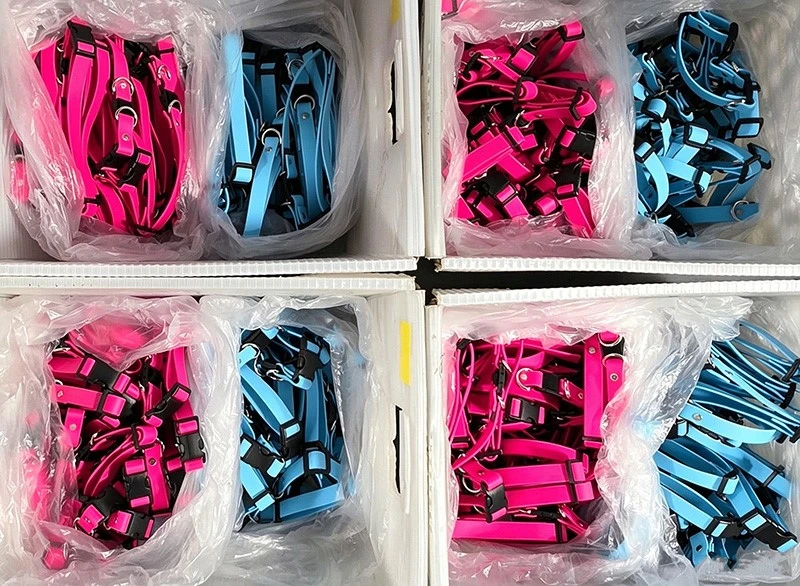
Importers should review the current inventory quantity, purchase cost, storage expenses, and estimated sales rate.
For example, a wholesaler may still have several hundred dog collars in a particular style. If demand has declined and the product is likely to be discontinued, the remaining stock may take much longer to sell than originally expected.
Buyers should evaluate:
Current inventory quantity
Original purchasing cost
Average monthly sales
Estimated time required to sell remaining stock
Storage and handling expenses
Potential discount required to clear inventory
The important figure is not simply the original purchase price. It is the amount of capital that may remain tied up while the product loses commercial value.
Importers should also distinguish between inventory that can still be sold at its normal price and inventory that may require discounts or other clearance measures.
2. Identify the Cost of Replacing a Discontinued Product
Replacing a discontinued style may require more investment than simply ordering another product with a different item number.
For custom pet products, a replacement design may involve new product development, material selection, sample approval, packaging adjustments, and production preparation.
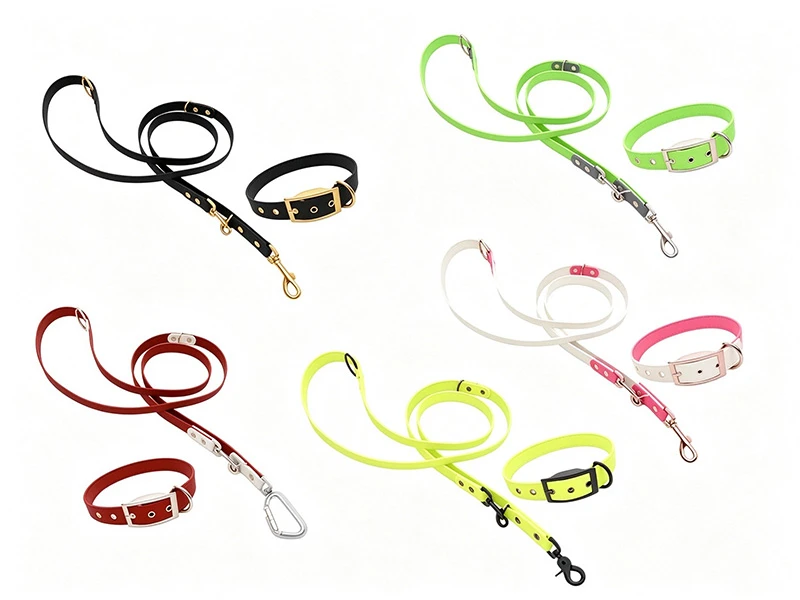
For example, if a brand decides to replace an existing dog collar design, the new product may require changes to:
Webbing material or width
Buckle and hardware combinations
Product dimensions
Logo placement
Packaging and labeling
Product photography and sales materials
These changes can create additional expenses before the replacement product is ready for bulk purchasing.
Importers should estimate the total transition cost instead of comparing only the unit prices of the old and new products.
A lower-priced replacement may still be more expensive overall if it requires significant development work or changes to existing sales materials.
3. Evaluate the Impact on Existing Customer Orders
A discontinued product can create commercial problems when importers have already promised continued availability to their customers.
For example, a wholesaler may supply a particular dog leash style to several retail accounts. If the product becomes unavailable, those customers may need to select a replacement or adjust their purchasing plans.
This can lead to:
Delayed customer orders
Additional communication and approval work
Changes to customer product catalogs
Lost repeat orders
Reduced confidence in the wholesaler's product range
Businesses selling private label pet products may face additional pressure because their customers expect consistent designs and branding.
Before discontinuing a product, importers should identify which customers still purchase it regularly and whether alternative products can meet their requirements.
The potential financial impact should include the value of affected customer relationships, not just the remaining inventory.
4. Check Whether Existing Materials and Components Can Be Reused
When a product style is discontinued, some of its materials or components may still be suitable for other products.
This is particularly relevant for importers sourcing multiple types of pet accessories.
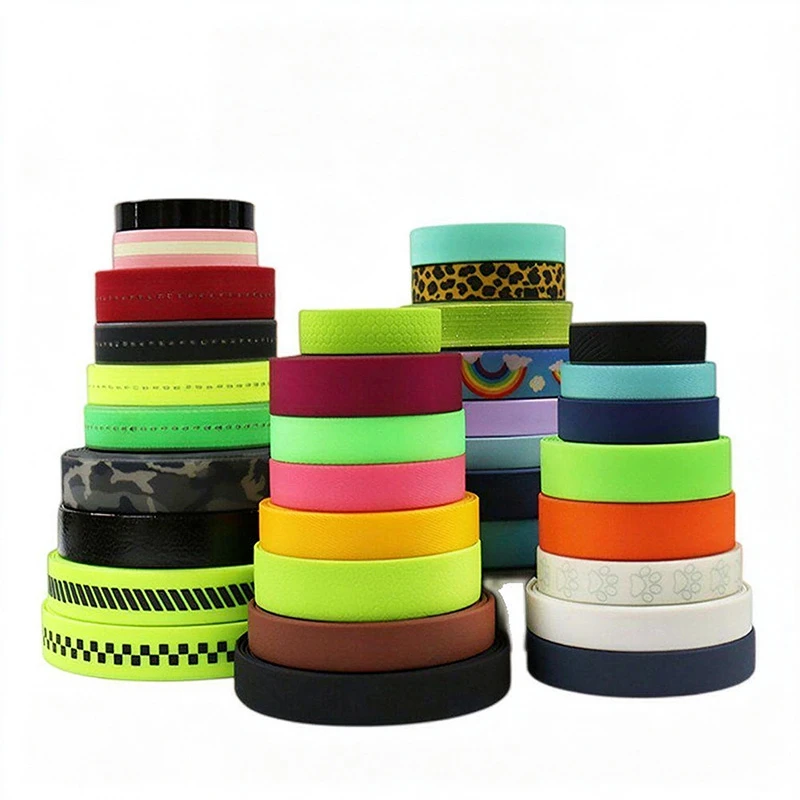
For example, PVC or TPU coated webbing used in an existing dog collar design may also be suitable for certain leash designs, depending on the required dimensions and product construction.
Buyers should discuss with their pet accessories manufacturer whether existing materials, colors, or components can be used in another product design.
However, reuse should only be considered after checking technical compatibility and the requirements of the replacement product.
Importers should avoid ordering additional materials simply because they were used in the previous style. Otherwise, they may transfer the original inventory problem into a new product category.
The objective is to identify genuine reuse opportunities without creating unnecessary stock.
5. Compare the Cost of Continuing Production with the Cost of Discontinuation
Discontinuing a product is not always the most economical decision.
If a product still has stable customer demand, continuing production may be more financially reasonable than developing a replacement immediately.
Importers should compare two scenarios.
Scenario A: Continue purchasing the existing style
Existing product specifications can remain in use.
Customers may continue ordering without changing their catalogs.
Existing samples and sales materials may still be valid.
However, declining demand could increase the risk of unsold inventory.
Scenario B: Discontinue and replace the style
The business can introduce a new design or product specification.
Existing customer preferences may be better addressed.
However, development, sampling, packaging, and transition costs may increase.
Existing inventory may need to be discounted or written off.
For buyers sourcing wholesale dog collars or wholesale dog leashes, the decision should be based on expected future sales and total transition costs rather than design preference alone.
A product should not be discontinued simply because a newer design is available. Buyers need to determine whether the expected commercial benefit justifies the replacement expense.
6. Discuss Product Lifecycle Changes with the Manufacturer
Importers should communicate with their supplier when a product style shows signs of declining demand or may require replacement.
A reliable dog harness manufacturer or other pet product supplier should be able to discuss practical production considerations, such as whether the existing specifications can remain available, whether components are still obtainable, and what changes would be required for an alternative design.
Before placing another order, buyers can ask:
Are the existing materials and components still available?
Can the current product specification continue to be manufactured?
Would a small design adjustment extend the product's commercial usefulness?
What changes would be necessary for a replacement style?
Would the new design require a new sample or packaging arrangement?
These discussions help importers understand the operational consequences before making a purchasing decision.
Suppliers should provide clear information about production feasibility, while buyers should make the final decision based on their sales data and financial objectives.
Conclusion: Evaluate Discontinuation as a Financial Decision
Discontinuing a pet product style can affect inventory value, customer relationships, replacement development expenses, and future purchasing plans.
Importers should calculate remaining inventory exposure, estimate replacement costs, identify affected customer orders, examine material reuse opportunities, and compare the financial consequences of continuing or discontinuing production.
For businesses sourcing wholesale pet accessories and developing private label pet products, this approach can make product lifecycle decisions more commercially informed.
GH Material manufactures PVC/TPU coated webbing and custom pet products, including dog collars, leashes, and harnesses. Buyers planning product changes or developing replacement styles can share their existing specifications, reference designs, and estimated quantities to discuss possible OEM/ODM production arrangements.
Contact GH Material to discuss your pet product development and sourcing requirements.
FAQs
Q: What Financial Risks Do Importers Face When A Pet Product Is Discontinued?
A: Common risks include unsold inventory, discounting costs, storage expenses, replacement development costs, packaging changes, and potential disruption to customer orders.
Q: Should Importers Continue Purchasing A Product Before It Is Discontinued?
A: The decision depends on remaining demand, inventory levels, customer commitments, and expected future sales. Buyers should compare the cost of continued purchasing with the cost of transitioning to a replacement.
Q: Can Existing Materials Be Reused In Replacement Pet Products?
A: Sometimes. Materials such as PVC or TPU coated webbing may be suitable for other product designs, but dimensions, construction, and functional requirements must be checked before reuse.
Q: How Can Importers Reduce The Risk Of Discontinued Product Inventory?
A: They can monitor sales trends, review customer demand before repeat orders, avoid unnecessary purchasing commitments, and discuss potential product changes with their suppliers early.