


How Should Pet Product Importers Develop a Wholesale Pricing Strategy for Different Customer Segments?
Nov 13, 2026
Leave a message
For pet product importers, setting one wholesale price for every customer may seem straightforward, but it does not always reflect differences in purchasing behavior, sales channels, and business requirements.
A regional distributor purchasing large quantities may prioritize competitive pricing and stable replenishment. A private label brand may focus more on product differentiation, customized packaging, and consistent specifications. Meanwhile, smaller wholesale buyers may need a broader product selection with lower purchasing commitments.
These differences affect how products are purchased, distributed, and resold.
A well-planned pet product wholesale pricing strategy should therefore consider customer business models rather than relying exclusively on order quantities. Importers need a pricing structure that protects profit margins while allowing different customer groups to remain commercially competitive.
Understand the Different Needs of Wholesale Customer Segments
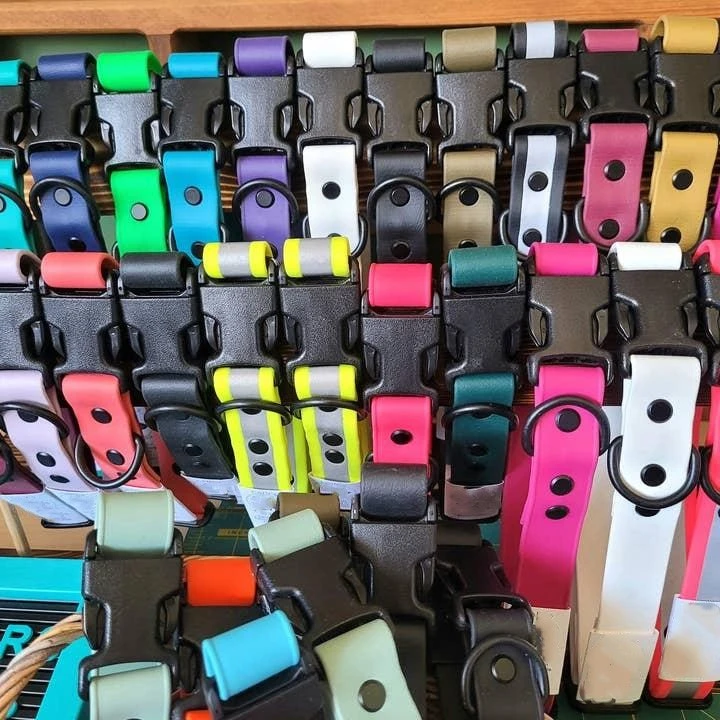
Before establishing wholesale prices, importers should identify the commercial characteristics of their customers.
Different customer segments may require different product assortments. Importers sourcing should consider product positioning, target wholesale channels, and purchasing requirements before establishing their pricing structure.
For example:
Regional distributors: Usually require competitive pricing, predictable supply, and sufficient margins for further distribution.
Pet product retailers and wholesale buyers: Often prioritize product variety, manageable purchasing quantities, and fast-moving product selections.
Private label brands: May require customized colors, logos, packaging, and product specifications.
E-commerce sellers: Often pay closer attention to product differentiation, packaging dimensions, and fulfillment costs.
These differences should influence pricing decisions.
An importer serving several customer groups should avoid assuming that the same product configuration and service requirements will generate identical commercial value for every buyer.
Understanding customer purchasing models provides a more reliable foundation for wholesale pricing.
Establish Pricing Tiers Based on Customer Business Models

A wholesale pricing structure should reflect differences in purchasing commitments and commercial responsibilities.
Rather than offering arbitrary discounts, importers can establish several pricing levels with clearly defined conditions.
For example, a distributor purchasing products for regional resale may receive a different quotation structure from a brand owner ordering customized products.
A practical pricing framework may include:
|
Customer segment |
Pricing considerations |
|---|---|
|
Small wholesale buyers |
Product selection and manageable order quantities |
|
Regular wholesale customers |
Repeat-order consistency and purchasing frequency |
|
Regional distributors |
Larger commitments and distribution margins |
|
Private label brands |
Customization, packaging, and development requirements |
The purpose of these tiers is not simply to offer lower prices to larger customers. Each pricing level should correspond to the actual commercial value, service requirements, and costs associated with the order.
Importers should also establish clear eligibility conditions. For instance, distributor pricing may require minimum annual purchasing commitments or agreed product ranges.
This prevents customers from receiving preferential pricing without providing the purchasing volume or business stability originally expected.
Adjust Wholesale Pricing According to Product Configurations

Two pet products with similar basic functions may have significantly different selling costs.
Differences in materials, hardware, dimensions, packaging, and customization can affect the final wholesale price.
Consider dog collars and leashes. A standard product with basic hardware and general packaging may have a different cost structure from a private label version featuring customized colors, branded accessories, and individual retail packaging.
Importers should evaluate the following factors when establishing product prices:
Material specifications and component selection
Hardware quality and construction requirements
Customized colors, logos, and product dimensions
Individual packaging and labeling
Additional inspection or documentation requirements
For products made with PVC or TPU coated webbing, variations in width, thickness, material selection, and surface finish may also influence manufacturing costs.
Importers should avoid applying the same selling price to products that have different specifications or customization requirements.
A more transparent product-based pricing structure helps customers understand why prices differ and reduces unnecessary negotiations.
Balance Order Volume with Profitability
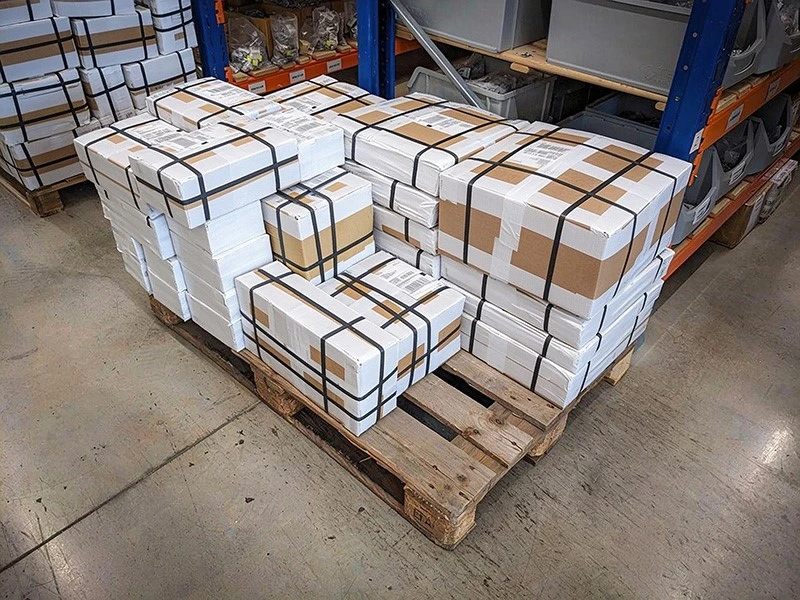
Larger orders do not automatically generate higher profits.
Although purchasing in greater quantities may reduce certain unit costs, importers must also consider inventory investment, warehousing, transportation, and the risk of unsold products.
For example, offering a substantial discount to secure a large order may create additional financial pressure if the products have slow sales or require expensive storage.
A more effective approach is to evaluate the relationship between order volume and actual profitability.
Importers can consider:
Unit purchasing cost at different order quantities
Freight and logistics expenses
Import duties and other applicable charges
Warehousing and inventory holding costs
Expected wholesale selling prices
Payment terms and working capital requirements
The resulting pricing structure should protect the expected contribution margin rather than focus exclusively on increasing order size.
Volume discounts should be based on measurable cost advantages or strategic commercial benefits.
For example, a larger order may justify a discount when it reduces per-unit logistics expenses or improves purchasing efficiency. However, if the order requires additional inventory investment without reducing operating costs, a lower price may not be commercially justified.
Prevent Pricing Conflicts Between Different Customer Groups
When importers sell through multiple distribution channels, inconsistent pricing can create problems between customers.
A regional distributor may become concerned if another buyer receives a significantly lower quotation for the same product under comparable conditions.
Such situations can weaken business relationships and reduce confidence in the supplier's pricing policy.
To prevent these problems, importers should establish consistent pricing rules.
First, maintain clear quotation records for different customer groups, including product specifications, order quantities, packaging requirements, and applicable discounts.
Second, distinguish between standard products and customized orders. Different specifications should not be compared as though they were identical products.
Third, define the conditions under which promotional prices or special quotations apply.
Finally, review pricing differences regularly to ensure that they remain commercially reasonable.
For importers working with distributors and private label brands simultaneously, pricing transparency is particularly important.
A consistent policy helps protect distribution relationships while allowing reasonable flexibility for different purchasing arrangements.
Build a Flexible Pricing Structure for Long-Term Growth
Wholesale pricing should not remain unchanged regardless of market conditions.
Material costs, freight expenses, exchange rates, customer demand, and competitive conditions can all influence pricing decisions.
Importers should periodically review their pricing structure rather than relying on historical quotations indefinitely.
A useful approach is to evaluate pricing at three levels:
Product level: Review material specifications, manufacturing costs, packaging, and product positioning.
Customer level: Evaluate purchasing frequency, order consistency, payment performance, and service requirements.
Market level: Monitor competing products, wholesale market conditions, and changes in customer expectations.
For long-term cooperation, importers can also discuss pricing review periods with manufacturers.
For example, repeat orders can be quoted according to previously approved specifications, while changes in materials, hardware, or packaging are evaluated separately.
This approach makes purchasing costs more predictable and reduces unnecessary disputes during repeat orders.
Ultimately, an effective wholesale pricing strategy should support both customer competitiveness and the importer's long-term financial stability.
Frequently Asked Questions
Q: Should Wholesale Prices Be Different For Distributors And Private Label Brands?
A: Yes. Distributors may prioritize competitive resale prices and consistent supply, while private label brands often require customized specifications, packaging, and branding services. Pricing should reflect these differences.
Q: How Often Should Importers Review Wholesale Pricing?
A: Importers should review prices periodically and whenever significant changes occur in material costs, freight expenses, exchange rates, or customer purchasing requirements.
Q: Should Importers Offer Discounts For Larger Orders?
A: Volume discounts can be appropriate when larger orders create measurable cost savings or improve purchasing efficiency. However, discounts should not reduce profitability below an acceptable level.
Q: How Can Importers Maintain Consistent Pricing Across Different Customers?
A: Maintain documented quotation policies, define discount eligibility, and distinguish standard products from customized orders. This makes pricing decisions easier to explain and manage.
Conclusion
Developing an effective wholesale pricing strategy requires more than comparing supplier quotations or offering discounts based on order quantities.
Pet product importers need to understand customer business models, evaluate product configurations, calculate actual profitability, and establish consistent pricing rules.
By aligning prices with customer requirements and purchasing commitments, importers can improve distribution relationships, protect profit margins, and build a more sustainable wholesale business.
Looking for a reliable pet product manufacturing partner?
GH Material provides OEM and ODM support for dog collars, leashes, harnesses, and PVC/TPU coated webbing. Contact our team to discuss product specifications, customization requirements, and wholesale cooperation.