

How to Choose the Right Coated Webbing Finish for Pet Product Collections
Oct 21, 2026
Leave a message
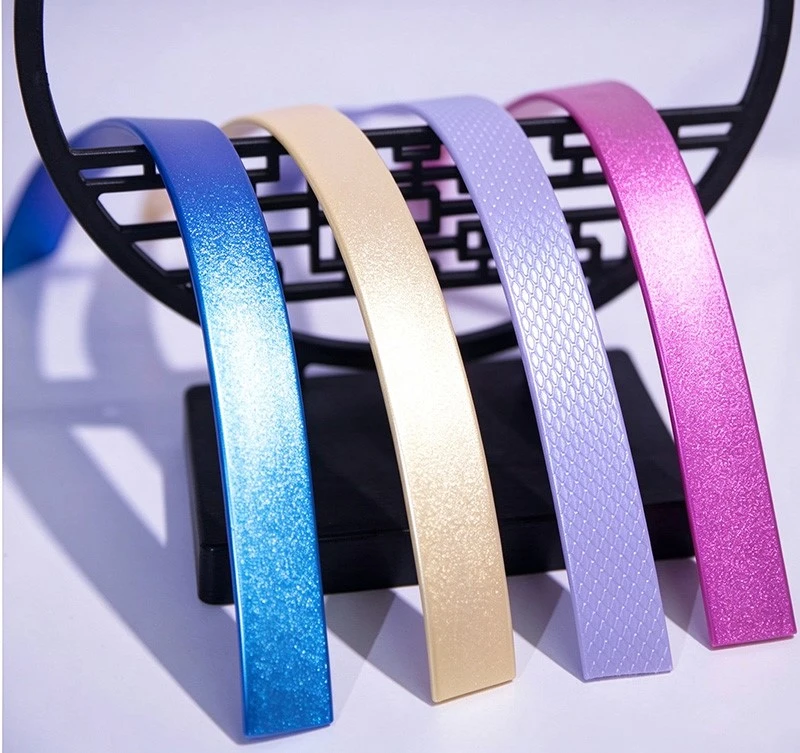
When developing a private-label pet product collection, buyers often focus on material, color, width, and price. However, the surface finish of coated webbing can also influence how a product looks, feels, and fits into a brand's product range.
For pet brands, importers, and wholesalers, this decision matters when developing dog collars, leashes, and matching accessories. Two products made with similar webbing dimensions can have different visual appearances because of their surface texture, gloss level, color presentation, and flexibility.
Choosing a suitable finish is therefore not just a design decision. It is part of product specification and sample approval.
This guide explains what B2B buyers should evaluate when selecting PVC or TPU coated webbing finishes for pet product collections.
Define the Intended Look of Your Product Line
Before requesting samples, decide how the finished product should look in your target market.
A coated webbing finish can influence the visual character of a dog collar or leash. For example, a smooth, glossy surface creates a different appearance from a matte or textured surface.
Rather than choosing a finish from a material name alone, buyers should communicate the intended appearance to the manufacturer.
Consider these factors:
Gloss level: Should the surface look glossy, semi-glossy, or matte?
Texture: Should it feel smooth or have a visible grain or embossed pattern?
Color presentation: Should the color appear bright, deep, muted, or understated?
Product positioning: Is the collection designed around everyday practicality, outdoor use, or a more premium visual style?
Matching products: Will the same finish be used across collars, leashes, and other accessories?
These requirements give the manufacturer a clearer starting point for sample development.
Compare Smooth, Matte, and Textured Finishes
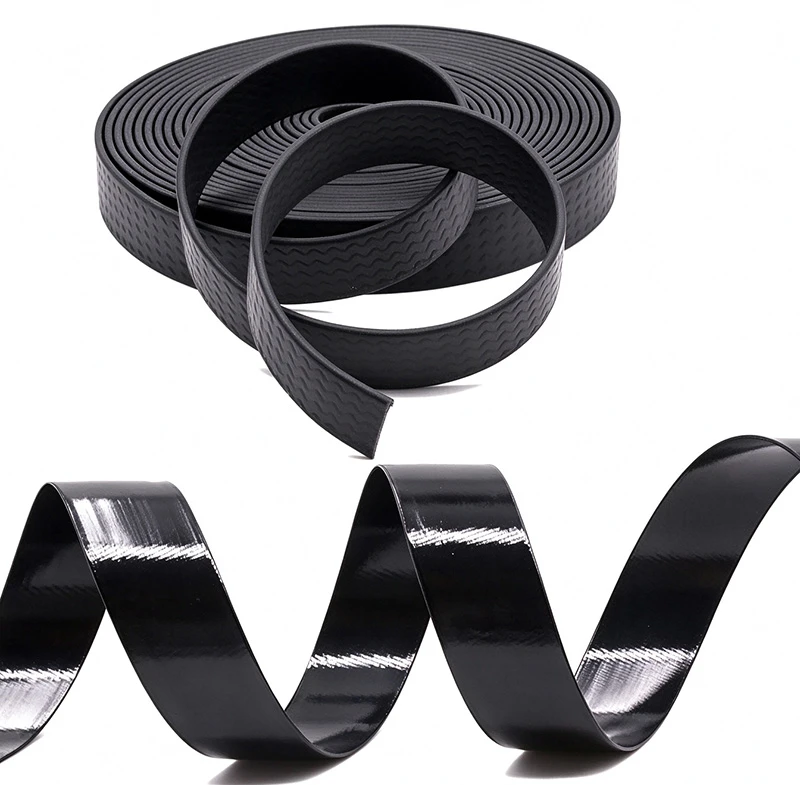
Smooth or Glossy Finish
A smooth, glossy finish creates a clean and visually prominent surface. It may suit product collections that emphasize bright colors or a polished appearance.
When reviewing a glossy sample, buyers should check whether the surface looks uniform under consistent lighting. Visible streaks, bubbles, uneven coating, or inconsistent gloss should be discussed with the manufacturer.
Gloss level should also be evaluated alongside the selected color because the same color can look different under different surface finishes.
Matte Finish
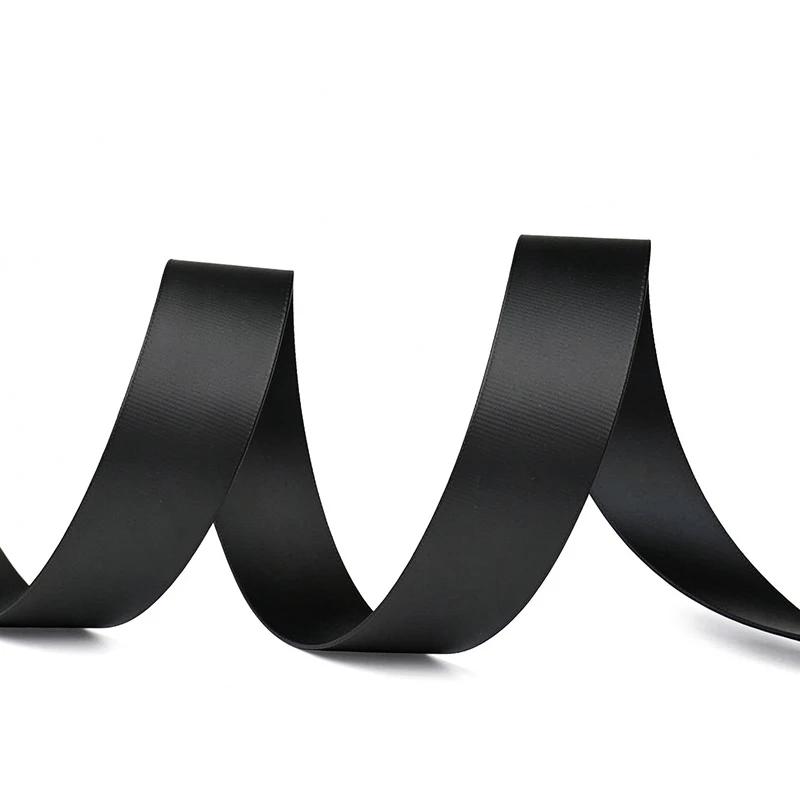
A matte finish provides a less reflective appearance. It may suit brands seeking a restrained or understated product design.
When comparing matte samples, buyers should examine surface uniformity and confirm that the finish matches the intended reference. A matte appearance should not be confused with a particular level of softness, durability, or coating thickness; these are separate specifications that require confirmation.
Textured or Embossed Finish
A textured or embossed surface introduces a visible pattern to the material. This can help establish a distinctive product appearance across a collection.
Buyers should confirm the exact pattern, depth, and visual consistency required. They should also check how the finish looks when the webbing is bent and assembled into a finished collar or leash.
Not every texture is suitable for every product design. The final choice should be based on the approved sample and the intended construction.
Evaluate Finish Together With Flexibility
A webbing sample may look correct when laid flat but behave differently when bent around a collar, threaded through hardware, or formed into a leash handle.
For this reason, buyers should not evaluate surface finish separately from material flexibility.
- During sample review, consider the following:
- Does the material bend as required by the product design?
- Does the surface remain visually consistent when bent?
- Are there visible cracks, separation, or other defects after repeated manual flexing?
- Does the material pass through the intended buckle or adjuster without fitting problems?
- Does the finished product maintain the expected appearance around curved sections and connection points?
PVC and TPU coated webbing should be evaluated according to the actual formulation, construction, and intended application. The polymer name alone does not establish every performance characteristic of a finished product.
If a project has specific flexibility or environmental requirements, communicate them before sampling and agree on appropriate verification methods with the manufacturer.
Check Color Consistency Across a Product Collection
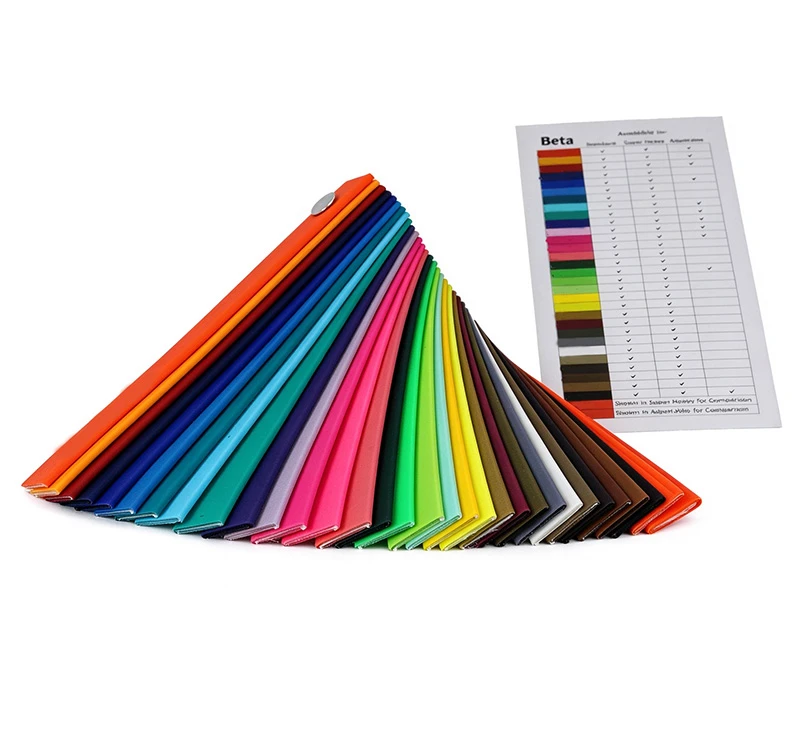
Color consistency becomes particularly important when a brand plans to sell matching collars, leashes, and harnesses.
A color selected from a screen or digital image is not a reliable final production reference by itself. Display settings, lighting, and differences in surface finish can change how a color appears.
To reduce misunderstandings, buyers should establish a clear color approval process.
First, provide a physical color reference or an agreed color specification where available. Next, request a sample using the intended material and surface finish. Finally, review the sample under consistent lighting and confirm whether the appearance meets the product brief.
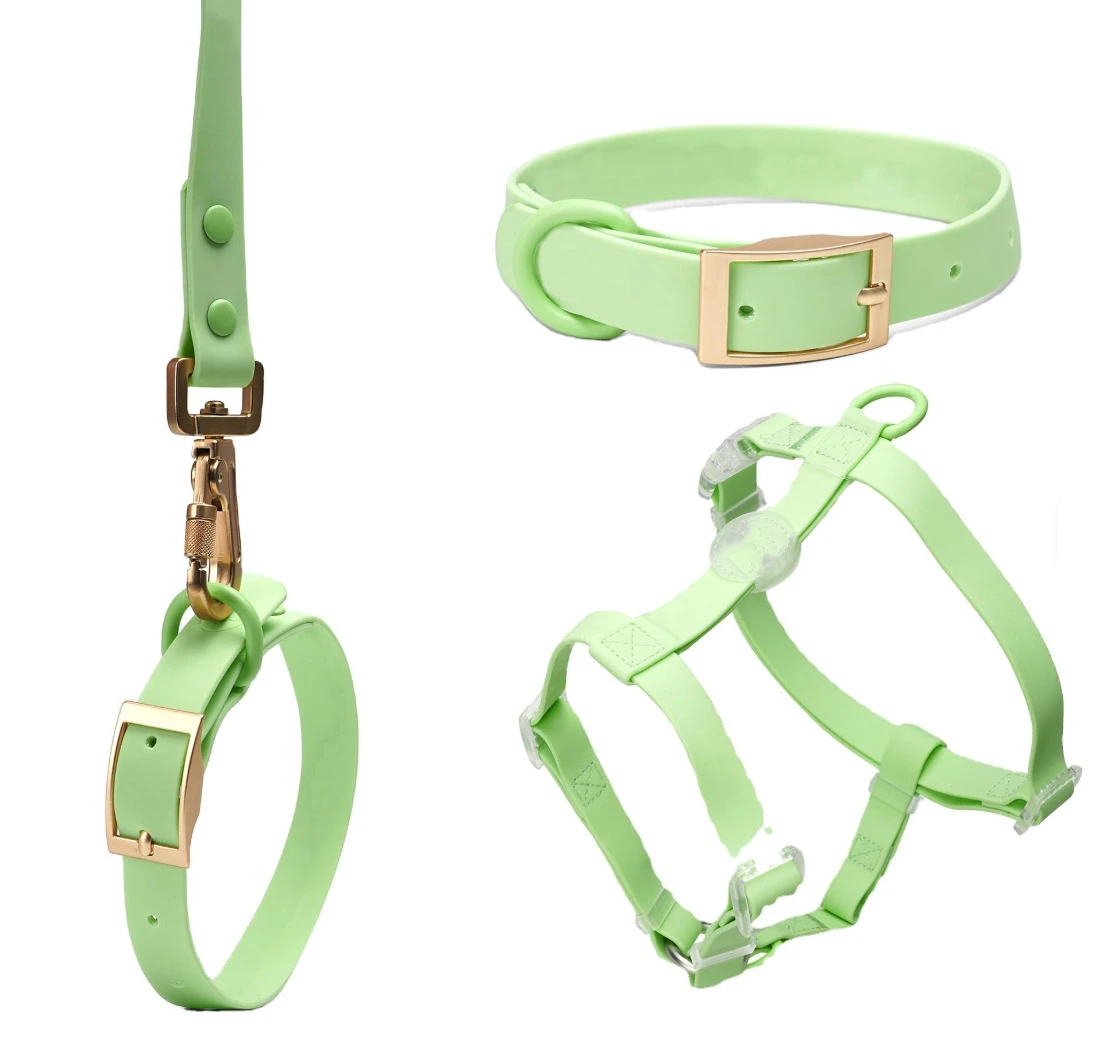
If the collection contains multiple products, check whether the colors appear sufficiently consistent across the actual materials and finished components.
Buyers should also confirm how color changes between production batches will be managed. Any acceptable color tolerance should be agreed upon rather than assumed.
For private-label collections, an approved sample and written specification provide a more useful reference than a general instruction such as "match this color."
Confirm the Finish on the Finished Product
A coated webbing sample is only one part of a finished pet product.
When the material is assembled into a dog collar or leash, the overall appearance can also be affected by hardware, stitching, cutting, logo application, and product structure.
For example, a finish that looks suitable on a flat strip may appear different around a buckle or a stitched handle. The buyer should therefore review both the material sample and the finished-product sample.
Before approving the product, check:
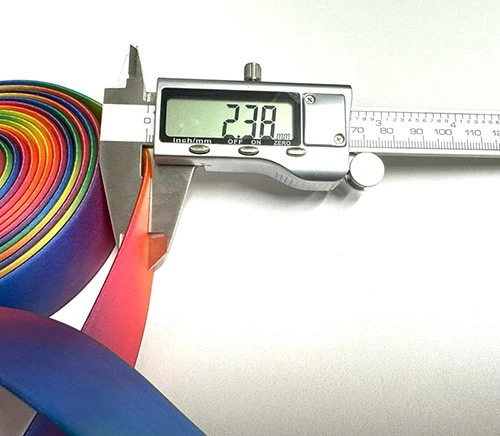
- Webbing width and thickness against the agreed specification.
- Surface finish and color against the approved reference.
- Edges and cut sections for visible defects.
- Compatibility between the coated webbing and selected hardware.
- Stitching and assembly around connection points.
- Logo placement and appearance, if applicable.
Consistency between matching collars, leashes, and other products.
If the project involves custom embossing, printing, or other surface treatments, confirm the final result on the actual production material.
These checks help ensure that the selected finish works as part of the complete product rather than simply looking attractive as a raw material sample.
What Should Buyers Include in a Coated Webbing RFQ?
A detailed request for quotation makes it easier for a manufacturer to understand the required material and prepare an appropriate sample.
For PVC or TPU coated webbing intended for pet products, buyers should provide as much of the following information as possible:
| Specification | Information to Confirm |
|---|---|
| Application | Dog collar, leash, harness, or other product |
| Coating material | PVC or TPU |
| Base webbing | Required polyester or nylon construction |
| Width and thickness | Target dimensions |
| Surface finish | Glossy, matte, smooth, or specified texture |
| Color | Color reference or physical sample |
| Flexibility | Required feel and bending characteristics |
| Logo treatment | Printing, embossing, or other specified method |
| Quantity | Estimated order volume |
| Sampling | Material sample or finished-product sample |
| Quality requirements | Agreed appearance and performance criteria |
Not every project requires every option. The purpose is to identify the specifications that affect the actual product before production begins.
If you are purchasing finished collars or leashes rather than raw webbing, also confirm hardware, assembly, packaging, and the required finished-product inspection.
Conclusion
Choosing a coated webbing finish involves more than selecting a color or deciding between PVC and TPU. Buyers should evaluate surface appearance, texture, flexibility, color consistency, and compatibility with the finished product.
For pet brands, importers, and wholesalers, the most reliable approach is to define the intended appearance, review physical samples, confirm the material specifications, and approve the finished product before bulk production.
A clear specification also makes it easier to maintain a consistent look across matching collars and leashes as a product collection develops.
GH Material supplies PVC and TPU coated webbing and manufactures selected finished pet products, including dog collars and leashes. If you are developing a private-label collection, share your target application, dimensions, color reference, preferred finish, and estimated quantity to discuss a suitable material or finished-product solution.
Request a Quote for PVC/TPU Coated Webbing and Custom Pet Products.