

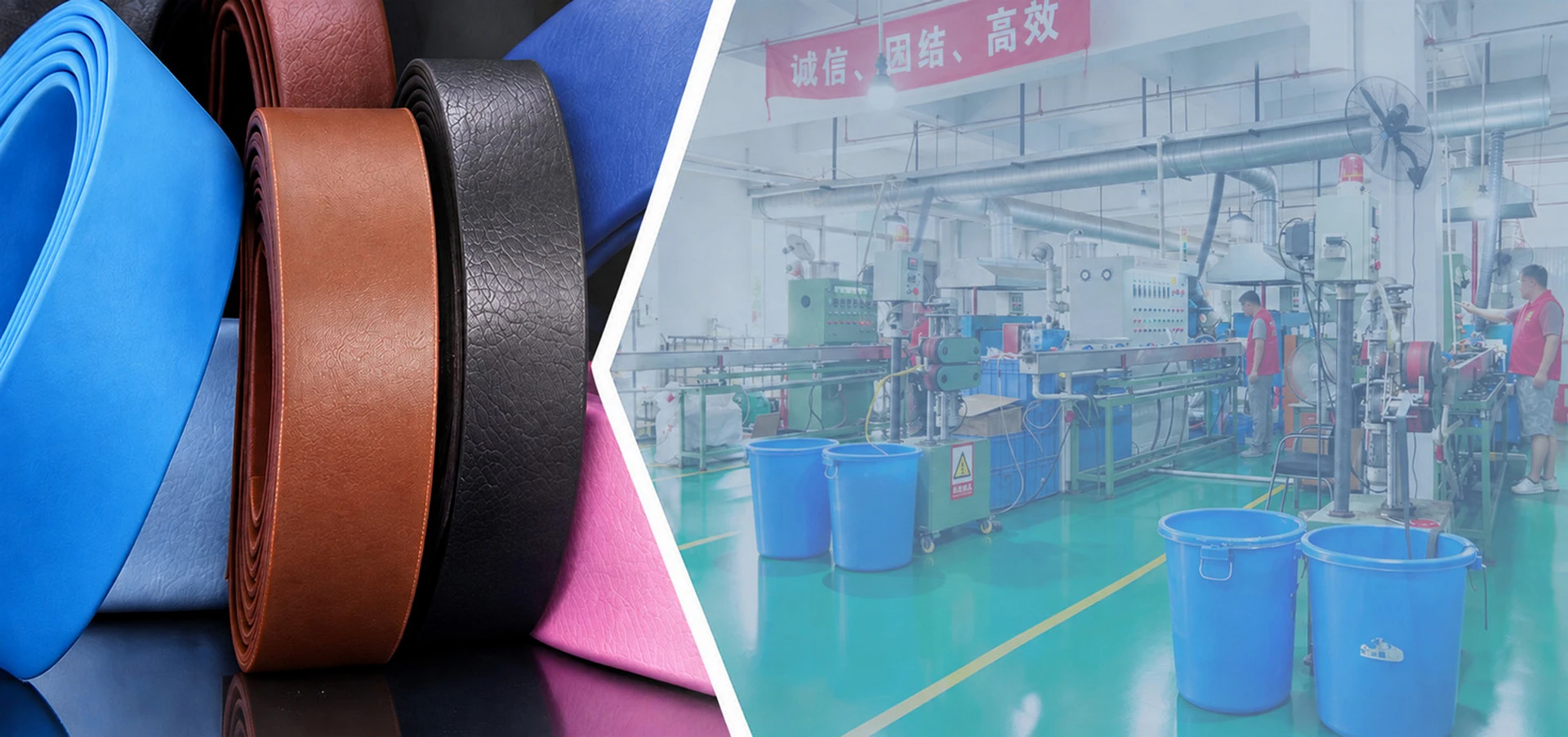
How to Choose PVC Coated Webbing for Dog Collars and Leashes
Sep 01, 2026
Leave a message
When purchasing PVC coated webbing for dog collars, leashes, harnesses, or other pet products, the main question is not simply whether the material looks good or meets a quoted price.
The more important issue is whether the webbing matches the product construction and can be produced consistently at the required quantity.
For example, a webbing may have the correct width but still be too thick for the buckle. The coating may look good in a sample but become difficult to sew during production. A color may be acceptable in the first batch but vary noticeably in a repeat order.
For procurement teams, it is therefore useful to confirm the material specification, production compatibility, and sample performance before placing a larger order.

What Should You Confirm When Buying PVC Coated Webbing?
The specification should be based on the finished product rather than a standard webbing size.
Textile Core
The textile core affects tensile performance, dimensional stability, and the overall feel of the webbing.
When comparing suppliers, check the core construction instead of evaluating only the PVC surface. Fiber type, weaving structure, and density can affect how the material behaves during pulling, bending, stitching, and hardware assembly.
For repeat purchasing, keeping the core construction consistent is also important. A change in the textile base can alter the feel and performance of the finished webbing even when the width and color remain unchanged.
PVC Coating Thickness
Coating thickness should be confirmed according to the product structure.
A thicker coating may provide more body and surface protection, but it can also affect sewing, folding, and hardware assembly. A thinner coating may be easier to process but may not provide the required level of protection or structure.
For procurement, the important point is not to specify thickness in isolation. Check the webbing together with the actual buckle, D-ring, adjuster, and sewing method used in the product.

Coating Adhesion
The PVC coating should remain securely attached to the textile core during normal bending, folding, stitching, and handling.
When reviewing a sample, inspect areas that experience movement or pressure, especially around folds, edges, stitching, and hardware contact points.
A good-looking flat surface does not necessarily indicate suitable production performance. The material should be checked after basic processing and assembly.
Tensile Performance
Leashes and harnesses can experience sudden pulling forces, while collars are repeatedly loaded during normal use.
The required tensile performance depends on more than the webbing itself. Width, thickness, textile core, stitching, hardware, snap hook connections, and finished product construction all contribute to the final result.
For procurement, compare the material specification with the actual product load rather than selecting the highest available strength. Excessive specifications can increase material cost without improving the finished product proportionally.
Flexibility and Processing
Flexibility becomes particularly important during sewing and assembly.
If the webbing is too stiff, it may be difficult to fold around hardware or feed smoothly through sewing equipment. If it is too soft, the finished collar, leash, or harness may lack the required structure.
A production trial is therefore more useful than relying only on a technical specification. Run the sample through the intended sewing and assembly process and check how it handles in actual production.
Surface and Color Consistency
For private-label products, appearance needs to remain consistent between production batches.
During sample approval, check color, surface texture, gloss or matte finish, smoothness, edge quality, and visible coating marks.
These details should be included in the approved specification rather than left to general descriptions such as "black PVC webbing" or "smooth surface."
Which Material Should You Purchase: PVC, TPU, or Nylon?
If the product is not yet locked to a specific material, compare the alternatives based on application and target cost.
| Comparison | PVC Coated Webbing | TPU Coated Webbing | Nylon Webbing |
|---|---|---|---|
| Construction | Polyester or nylon core + PVC coating | Polyester or nylon core + TPU coating | Woven nylon without coating |
| Hand Feel | Firmer and more structured | Softer and more flexible | Soft textile feel |
| Water Resistance | Excellent | Excellent | Limited |
| Cleaning | Easy to wipe clean | Easy to clean | Requires drying after water exposure |
| Abrasion Resistance | Good | Excellent | Good to high |
| Weather Resistance | Depends on formulation | Generally strong | Moderate |
| Low-Temperature Flexibility | Depends on formulation | Generally better | Generally stable |
| Tensile Performance | Depends on core | Depends on core | Generally high |
| Weight | Medium to heavy | Medium | Lightweight |
| Material Cost | Lower | Higher | Low to medium |
| Typical Use | Collars, leashes, harnesses, outdoor accessories | Premium collars, leashes, harnesses | Conventional collars, leashes, harnesses |
PVC coated webbing is often a practical choice when water resistance, easy cleaning, durability, and cost need to be balanced.
TPU is worth considering when softer handling, flexibility, abrasion resistance, or premium positioning is more important and the higher material cost is acceptable.
Nylon is suitable when lightweight construction, textile feel, and cost are priorities. Its uncoated structure, however, means that water absorption needs to be considered.
For purchasing decisions, material selection should be made together with the product's target price, hardware, sewing process, and expected use conditions.

How to Confirm the Correct Webbing Width
Width should be matched with the hardware and finished product dimensions.
| Webbing Width | Typical Applications |
|---|---|
| 15 mm | Small collars and lightweight accessories |
| 20 mm | Standard collars, leashes, and harnesses |
| 25 mm | Medium and large dog products |
| 30 mm+ | Heavy-duty or specialized applications |
These dimensions are common starting points rather than fixed requirements.
A 20 mm webbing, for example, still needs to match the actual internal width of the buckle or adjuster. Overall thickness can also affect whether the webbing passes through the hardware smoothly.
For OEM purchasing, confirming the hardware dimensions before finalizing the webbing specification can prevent unnecessary sampling and tooling adjustments.

What Should Be Checked During Sample Approval?
The sample should be evaluated as a production material, not simply as a color or appearance sample.
Check:
Width and thickness
Color and surface finish
Coating adhesion
Flexibility
Hardware compatibility
Sewing performance
Tensile performance where required
Use the actual buckle, D-ring, adjuster, and sewing method whenever possible.
For example, fold the webbing around the hardware, pass it through the adjuster, and run a short sewing trial. Check whether the coating remains intact and whether the material can be processed without creating additional production problems.
Once the sample is approved, its key specifications should be recorded as the reference for future orders.
What Should Be Included in an OEM Webbing Specification?
A useful purchasing specification does not need to be complicated, but it should be specific enough to reproduce the material.
At minimum, confirm:
Webbing width
Overall thickness
Core material
PVC color
Surface finish
Flexibility
Roll length
Required quantity
If the project involves special requirements such as reflective elements, printing, custom colors, or private-label packaging, these should be listed separately.
For repeat orders, the approved sample and written specification should be kept together. This makes it easier to compare new production against the original requirement.

How Should You Compare PVC Webbing Suppliers?
Unit price is only one part of the purchasing decision.
When comparing suppliers, focus on whether they can provide the required specification consistently, reproduce the approved sample, and adjust the material when the product construction requires a different thickness or flexibility.
It is also worth checking how clearly the supplier defines material specifications and handles repeat orders.
A lower quotation may not be economical if inconsistent width, thickness, color, or coating quality leads to sewing problems, inspection issues, or rework.
Conclusion
For B2B buyers, PVC coated webbing should be purchased according to the requirements of the finished pet product.
Before placing an order, confirm the core construction, coating thickness, adhesion, flexibility, width, surface finish, and required performance. More importantly, test the material with the actual hardware and sewing process before approving the specification.
For OEM and private-label products, keeping a clear specification and approved sample provides a practical reference for repeat purchasing and helps reduce variation between production batches.
Need PVC Coated Webbing for Your Pet Product?
If you are sourcing PVC coated webbing for collars, leashes, harnesses, or other pet accessories, provide the product application, required width and thickness, color, estimated quantity, and hardware requirements.
We can discuss the suitable material construction and sample requirements based on your product.
FAQ
Q: What specifications should I provide when sourcing PVC coated webbing?
A: Provide the required width, thickness, color, surface finish, flexibility, core material, roll length, and estimated quantity. If the webbing needs to work with specific buckles, D-rings, or adjusters, include their dimensions. For OEM projects, an existing sample or drawing can make specification confirmation more accurate.
Q: How do I choose the right PVC coated webbing thickness?
A: Thickness should match the product structure, hardware, sewing method, and required flexibility. A thicker coating may provide more structure but can be harder to fold or sew. A thinner construction may process more easily but may not provide enough protection. Testing the webbing with the actual hardware is the most reliable way to confirm the specification.
Q: Is PVC coated webbing suitable for dog collars and leashes?
A: Yes. PVC coated webbing is commonly used for collars, leashes, harnesses, and other pet accessories that require water resistance, easy cleaning, and a more structured surface. For heavier products, however, the webbing should be evaluated together with the stitching, hardware, and overall product construction.
Q: What is the difference between PVC, TPU, and nylon webbing?
A: PVC offers a practical balance of water resistance, durability, easy cleaning, and cost. TPU is generally preferred when softer handling, flexibility, and abrasion resistance are more important. Nylon provides a lightweight textile feel and strong tensile performance but absorbs water. The choice should depend on the finished product, target price, and operating conditions.
Q: How can I check PVC coated webbing before placing a bulk order?
A: Start with width, thickness, color, surface finish, and overall appearance. Then run a sewing and assembly trial using the actual buckle, D-ring, or adjuster. Check flexibility, coating adhesion, handling, and hardware compatibility. For repeat production, keep the approved sample as a reference to help maintain consistency between batches.
Email: sales03@gh-material.com
Wechat: bobopan518
Mobile: (0086)15220576187