


PVC vs Nylon Webbing for Dog Collars: What Should Buyers Choose?
Oct 10, 2026
Leave a message
Choosing the right webbing is an important decision when developing a dog collar collection. The material affects the product's appearance, handling, maintenance requirements, customization options, and suitability for different retail markets.
For pet brands, wholesalers, and private-label buyers, two options worth comparing are traditional nylon webbing and PVC coated webbing.
Both can be used to manufacture dog collars, but they offer different characteristics. The right choice depends on your target customers, product design, expected price point, and manufacturing requirements.

Understand the Difference Between PVC Coated Webbing and Nylon Webbing
Nylon webbing is a textile strap made from nylon fibers. Its woven construction gives it a familiar fabric appearance and makes it suitable for many conventional dog collar designs.
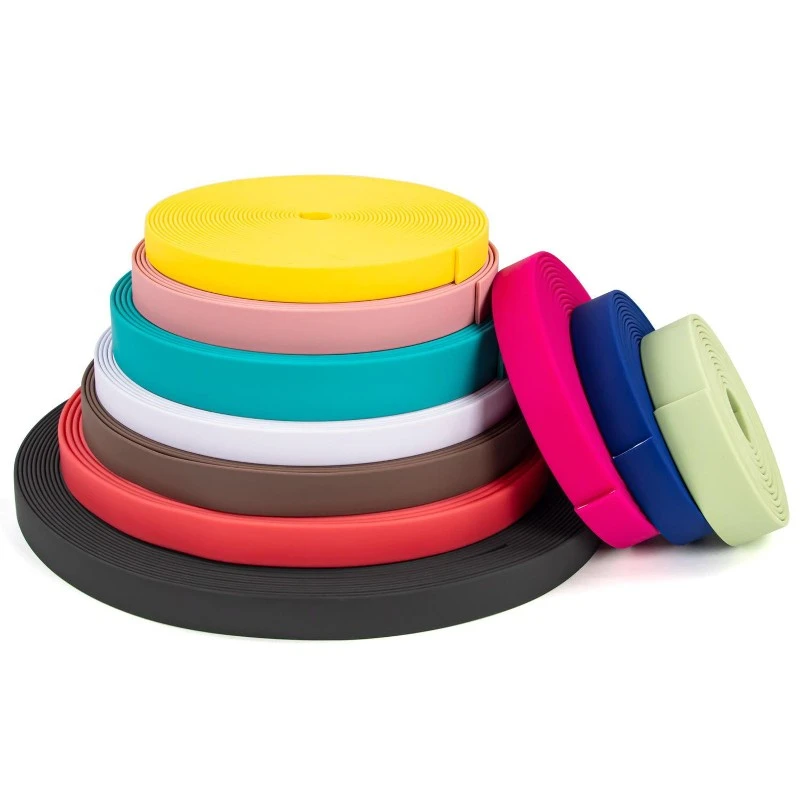
PVC coated webbing combines a textile base with an outer PVC coating. The coating creates a different surface from exposed woven nylon and can be produced in different colors, textures, and finishes.
The distinction is important for product development. Buyers are not simply choosing between two colors or styles; they are selecting different material constructions that influence the finished collar's look and maintenance requirements.
When requesting samples, confirm the actual material construction with your supplier. The term "nylon webbing" alone does not indicate whether the material has an additional coating.
Compare Cleaning and Everyday Maintenance
Maintenance requirements can influence which material is more appropriate for a product range.
Nylon Webbing
Traditional nylon webbing has a woven textile surface. Dirt and moisture may interact with the fibers differently from a smooth coated surface, so cleaning and drying requirements should be considered during product development.
Buyers should evaluate how the material looks after routine handling and cleaning, especially if the collar is intended for frequent outdoor use.
PVC Coated Webbing
PVC coated webbing has a coated outer surface that can make routine wiping and cleaning more convenient. It can be a useful option for product lines marketed for wet conditions, outdoor activities, or customers who prefer an easy-care surface.
However, actual performance depends on the coating formulation, construction, and finished-product design. Buyers should test representative samples rather than assume every coated material performs identically.
Procurement tip: Ask for samples of both constructions and evaluate them using the cleaning method and conditions relevant to your target market.

Evaluate Appearance and Brand Positioning
Material choice also affects how a dog collar fits into your brand's product range.
Nylon webbing is suitable for conventional woven-strap designs and can support a broad range of colors and product configurations. Its textile appearance may suit brands that prefer a familiar fabric-based style.
PVC coated webbing offers a different visual direction. Depending on the selected finish, it can provide a smooth, matte, textured, or embossed appearance. This can help brands develop a more distinctive look across collars and matching leashes.
Consider the following questions before selecting a material:
Does the product need a woven textile appearance or a coated surface?
Will the collar be sold as a standalone product or as part of a matching set?
Does the surface need to support a specific logo or decorative finish?
Must the material match an existing product collection?
Requesting samples in the intended colors and finishes will make these decisions easier.
Compare Customization Options
Customization requirements can help determine which material construction is appropriate.
For nylon webbing collars, buyers may consider color selection, strap dimensions, printed designs, labels, and hardware configurations, depending on the chosen construction and manufacturing process.
PVC coated webbing can support selected surface finishes, custom colors, printed designs, and embossed patterns, subject to the material specification and production method.
For either option, logo placement should be considered together with the collar structure. A logo applied to the webbing may require a different process from a separate rubber label or woven label.
Before approving a design, provide your supplier with the logo artwork, preferred position, dimensions, color requirements, and any reference images. Ask for a sample to confirm how the finished design looks on the actual material.
Consider the Complete Collar Construction
Webbing is only one part of a finished dog collar. The buckle, D-ring, adjuster, stitching, reinforcement, and overall dimensions also affect the final product.
For example, a selected webbing width must be compatible with the intended hardware. The collar's construction should also suit the intended size range and product design.
When evaluating a sample, check:
Whether the webbing width and thickness match the specification
Whether the buckle and adjuster fit the strap correctly
Whether the D-ring and other hardware suit the design
Whether stitching and reinforcement are appropriate for the product
Whether the logo and finish match the approved sample
Do not use the webbing material alone to judge the strength of the completed collar. If load performance is important, define appropriate testing requirements for the complete assembly.

Compare Total Product Cost, Not Just Material Price
The lowest material price does not always result in the best product decision.
When comparing quotations, buyers should consider the material construction, dimensions, finish, customization process, hardware, assembly requirements, packaging, and order quantity.
PVC coated webbing and nylon webbing may involve different production steps and finishing requirements. The cost difference will depend on the actual specification and order.
To make quotations comparable, send each supplier the same product details:
Required webbing material and construction
Width and thickness
Color and surface finish
Logo method and artwork
Buckle, D-ring, and adjuster requirements
Collar sizes and quantity per size and color
Packaging and labeling requirements
This approach helps buyers evaluate suppliers using the same requirements instead of comparing incomplete prices.
Which Material Should You Choose?
The better choice depends on the product you intend to develop.
Consider nylon webbing when:
Your design calls for a traditional woven textile appearance.
The product concept is built around conventional fabric straps.
Your existing specifications and production process are already designed for nylon webbing.
Consider PVC coated webbing when:
You prefer a coated surface that is convenient to wipe clean.
Your product concept requires a smooth, matte, or textured finish.
You want to explore selected printed or embossed surface designs.
You are developing coated-webbing collars and matching leashes as part of a coordinated product range.
These are starting points rather than universal rules. Final selection should be based on sample evaluation, the intended application, and the complete product specification.
Source Dog Collar Webbing for Your Product Range
GH Material manufactures PVC and TPU coated webbing and supports the development of finished pet products, including dog collars and leashes.
For B2B projects, buyers can discuss material construction, webbing width and thickness, color, surface finish, logo requirements, and hardware compatibility before confirming a product specification.
If you are comparing nylon webbing with PVC coated webbing for a new collar collection, share your intended application and product requirements with GH Material.
Request a Material Sample to evaluate the surface, dimensions, and finish before moving forward with bulk production.