


How to Choose Packaging for Wholesale Pet Products
Oct 22, 2026
Leave a message
Packaging is an important purchasing decision for wholesale pet products. It affects how products are presented to customers, how efficiently orders are handled in warehouses, and how products are protected during transportation.
For importers, wholesalers, distributors, and private-label brands, the right packaging is not necessarily the most expensive or visually elaborate option. It is the option that matches the sales channel, product type, order volume, and handling requirements.
Before confirming a packaging plan with a supplier, buyers should evaluate five factors: sales channel, product protection, labeling, packaging cost, and order flexibility.
Start With Your Sales Channel
The first step is to determine where and how the products will be sold. Different sales channels have different packaging priorities.
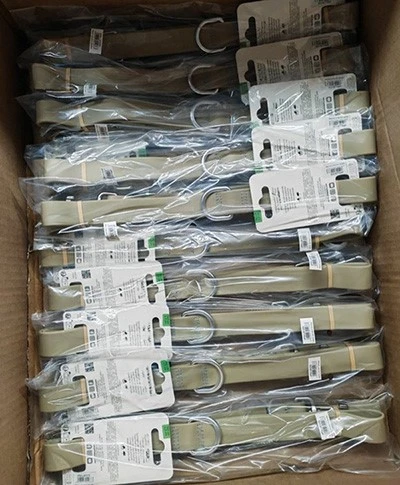
Retail and pet store distribution
Products intended for physical pet stores may require packaging that makes them easy to identify, display, and organize. Buyers may need product names, size information, color identification, barcodes, or private-label branding.
For example, a wholesale order containing dog collars in several sizes and colors should be easy for store staff to sort without opening every package.
E-commerce and online distribution
For online sales, buyers should consider how individual products will be stored, picked, packed, and shipped. Packaging should protect the product while avoiding unnecessary bulk.
Excessively large retail boxes can increase storage requirements and shipping volume. Buyers should evaluate the complete packaging configuration rather than considering the individual package alone.
Bulk wholesale and distributor orders
For bulk distribution, outer cartons, product counts, carton identification, and efficient warehouse handling may be more important than elaborate individual packaging.
A practical approach is to separate the packaging requirements for individual products from those for master cartons.
Match Packaging to the Product Structure
Different pet products have different packaging needs. A single packaging method may not be suitable for every item in an order.
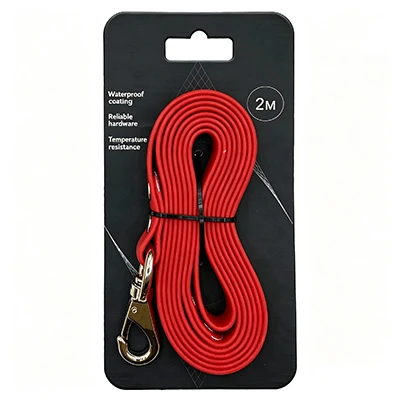
Dog collars and leashes
Collars and leashes are flexible products, so buyers should consider how they are folded, arranged, and protected from tangling during storage and transportation.
If a product includes metal hooks, buckles, or D-rings, the packaging arrangement should also reduce unnecessary contact between hardware and other products.
For coated webbing products, buyers should confirm that the proposed packaging is compatible with the product's surface finish. Packaging samples can help identify possible issues before a large order is packed.
Dog harnesses
Harnesses have multiple straps, adjustment components, and hardware parts. Packaging should allow the product to be arranged consistently without making it difficult to identify the size.
Buyers should also consider whether the package needs to include fitting instructions, product information, or a branded insert.
Pet accessories
Small accessories may be easy to pack individually but difficult to manage in mixed wholesale shipments. Buyers should confirm how the items will be grouped and counted inside larger cartons.
The objective is to make receiving, inventory handling, and order fulfillment straightforward.
Choose Between Bulk Packaging and Individual Packaging
One of the main decisions is whether products should be packed individually, grouped together, or prepared for retail sale.
Bulk packaging can be suitable when products are supplied to distributors or businesses that handle their own repacking. It may reduce the amount of individual packaging material, but buyers must still consider product protection and warehouse organization.
Individual packaging can be useful when each item needs separate identification, storage, or distribution. It can also support a more organized private-label presentation, depending on the package design.
Retail-ready packaging may be appropriate when products need to reach stores or end customers without additional repacking.
Before choosing, ask the supplier to confirm:
Whether each product will be packed separately.
How many pieces will be placed in each inner pack or carton.
Whether different sizes and colors will be separated.
Whether packaging materials and printed inserts are included in the quotation.
Whether the proposed arrangement has been checked using the actual product.
Avoid assuming that individual packaging is always better. For some wholesale orders, simple and clearly organized bulk packaging may be more practical.
Confirm Labeling and Identification Requirements
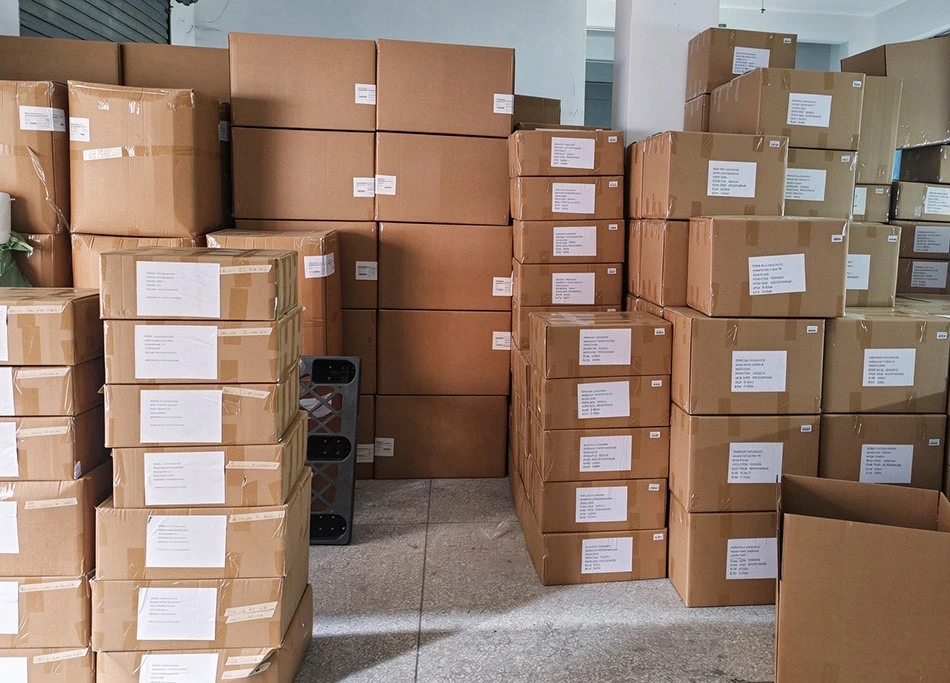
Packaging should help buyers identify products accurately throughout receiving, storage, and distribution.
For orders containing multiple product variations, unclear labels can create additional work and increase the risk of picking errors.
Before production, prepare a labeling plan that specifies the information required for each product and carton.
Depending on the sales channel and buyer requirements, this may include:
Product name or product code.
Size and color.
Quantity per package.
Barcode or SKU, where required.
Brand name or logo, where agreed.
Carton identification and destination information.
Do not assume that every label must contain all these details. The final requirements depend on the buyer's inventory system, sales channel, and applicable market rules.
If a retailer or distribution partner provides a labeling template, send it to the supplier before packaging production begins. Confirm the file format, label dimensions, placement, and approval process.
For private-label orders, distinguish between product branding and logistical identification. A branded product card and a carton label serve different purposes and may need different artwork.
Calculate the Total Packaging Cost
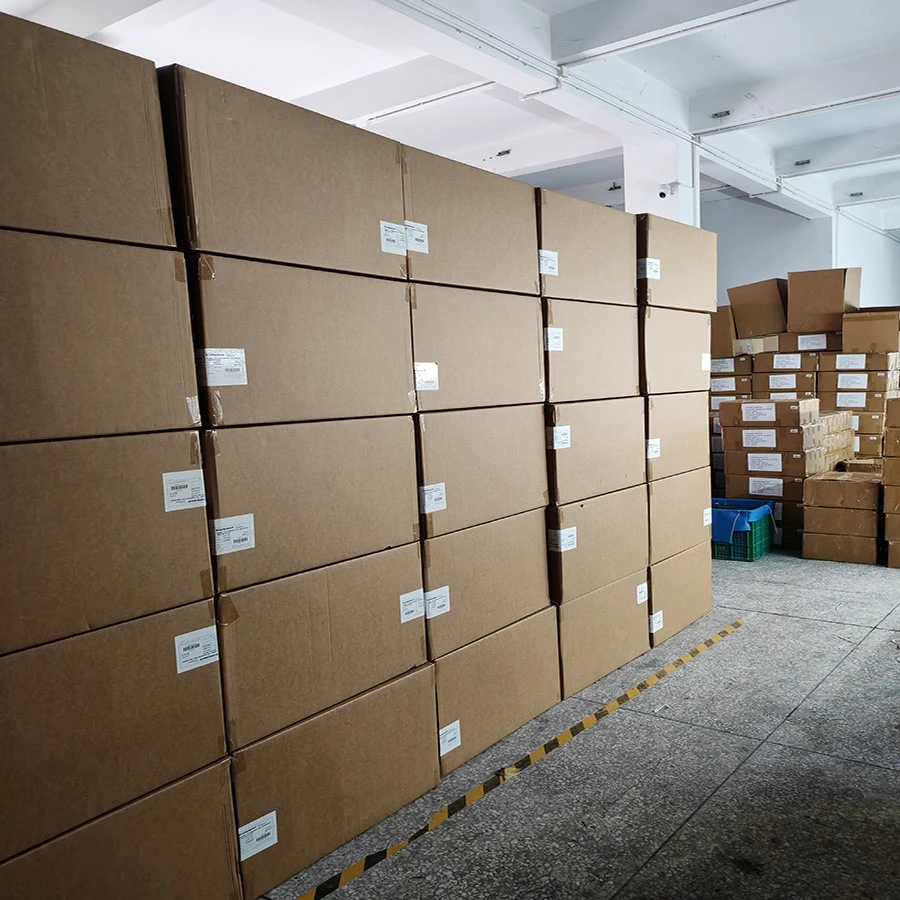
Packaging cost should be evaluated as part of the complete order, not as an isolated unit price.
A lower-cost package may be suitable for bulk distribution, while a more customized package may be necessary for a branded retail product. However, additional printing, inserts, or special packaging can increase costs and complicate order preparation.
When comparing quotations, ask suppliers to separate or clearly explain the following items where applicable:
Individual packaging materials.
Printed labels, cards, or inserts.
Custom printing or artwork preparation.
Inner cartons and master cartons.
Additional packing or assembly work.
Any minimum order quantity for customized packaging.
Also consider how packaging affects carton dimensions, storage space, and shipping arrangements.
For an accurate comparison, request quotations based on the same product configuration, packaging specification, quantity, and delivery terms. Otherwise, a lower quoted price may simply reflect a different packaging scope.
Check Packaging Flexibility Before Placing a Repeat Order
Packaging requirements can change as a brand expands its product range or enters a new sales channel.
A buyer may initially order a small assortment of collars and leashes, then add more sizes, colors, or related accessories. If the packaging system cannot accommodate these variations, the buyer may need additional artwork, labels, or packing arrangements.
Before confirming an initial order, discuss the following with the supplier:
Can the same basic package accommodate different sizes or colors?
Which printed elements require separate artwork?
Can the product label be changed without redesigning the entire package?
Are packaging materials subject to separate minimum quantities?
How will packaging changes be quoted and approved for future orders?
These questions help buyers understand the flexibility of the packaging plan without assuming that every customized option can be supplied at the same cost or minimum quantity.
For a private-label project, buyers should confirm the final artwork and packaging scope in writing before production.
Conclusion
Choosing packaging for wholesale pet products requires more than selecting a bag or box. Buyers need to match packaging to the sales channel, product structure, labeling requirements, budget, and future order plans.
For collars, leashes, harnesses, and related accessories, clear product identification and consistent packing arrangements can make wholesale inventory easier to manage. For private-label projects, confirming the packaging scope and artwork before production can also reduce avoidable changes.
If you are sourcing pet products for your brand or distribution business, define your packaging requirements alongside the product specifications and request a quotation based on the same configuration.
FAQ
Q: What Packaging Is Suitable For Wholesale Dog Collars And Leashes?
A: The right option depends on whether the products are sold individually, distributed in bulk, or prepared for retail display. Buyers should consider product protection, identification, storage, and the requirements of their sales channel.
Q: Should Wholesale Pet Products Be Individually Packaged?
A: Not always. Individual packaging may be useful for retail and e-commerce orders, while bulk packaging may be more practical for some distributor orders. The decision should reflect the buyer's handling and sales requirements.
Q: What Information Should Appear On Pet Product Packaging?
A: Depending on the order, useful information may include product name, size, color, SKU, barcode, brand details, and carton quantity. Buyers should confirm the exact requirements with their sales channel or distribution partner.
Q: Does Customized Packaging Affect The Minimum Order Quantity?
A: It can. Printed packaging, labels, and other customized materials may have their own minimum quantities. Buyers should ask the supplier to confirm whether packaging minimums differ from the minimum order quantity for the products themselves.
Planning a Private-Label Pet Product Order?