

How Do Product Design Decisions Affect the Manufacturing Cost of Pet Accessories?
Nov 19, 2026
Leave a message
How Do Product Design Decisions Affect the Manufacturing Cost of Pet Accessories?
When developing custom pet accessories, product design decisions can have a significant impact on manufacturing costs. For pet brands, importers, and wholesalers, the final production cost is influenced not only by material prices but also by product construction, component selection, customization requirements, and manufacturing processes.
A dog collar with a simple structure may require fewer production steps than a customized harness with multiple adjustment points and additional hardware. Similarly, a leash with standard components may be easier to manufacture than one requiring specialized materials and customized fittings.
Understanding these factors during product development can help buyers make better decisions before requesting quotations or starting mass production.
1. Product Structure Determines Manufacturing Complexity
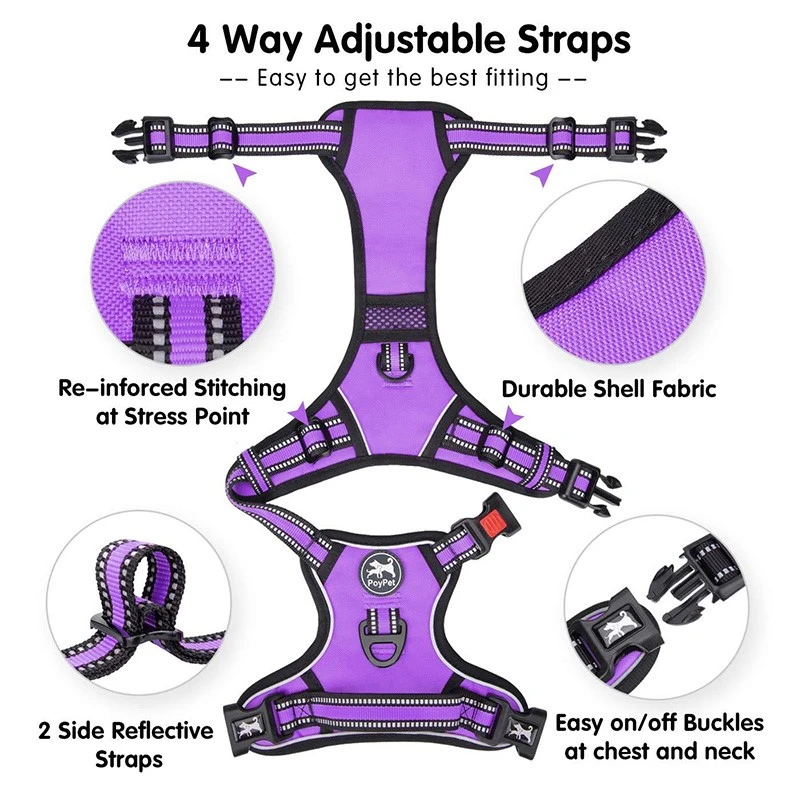
The structure of a pet accessory affects how many components and production steps are required.
For example, a basic dog collar generally consists of webbing, a buckle, a D-ring, and an adjustment component. A more complex design may include additional padding, decorative elements, multiple adjustment sections, or specialized hardware.
Dog harnesses can involve even more structural considerations because they require several connected straps, adjustment points, and attachment components.
A more complicated structure may require additional assembly work, more production time, and greater attention during inspection.
For buyers, the important consideration is whether every design feature provides practical value to the intended market.
Removing unnecessary components can sometimes simplify manufacturing without reducing the product's intended functionality.
2. Material Selection Influences Both Cost and Product Performance
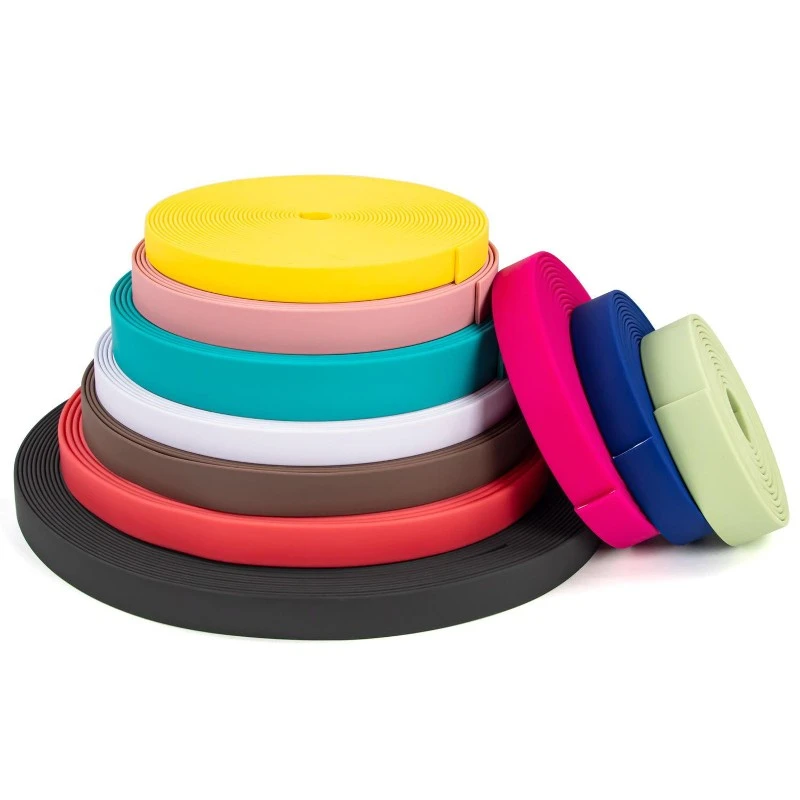
Material selection is another major factor affecting manufacturing costs.
Pet accessories may use polyester webbing, nylon webbing, PVC coated webbing, TPU coated webbing, and other materials depending on the product's intended application.
Each material has different characteristics, processing requirements, and cost considerations.
For example, PVC coated webbing can be suitable for buyers looking for a practical, water-resistant material option. TPU coated webbing may be selected for projects requiring different flexibility or material-performance characteristics.
Buyers should consider:
Material purchase cost
Required width and thickness
Material availability
Processing requirements
Intended product application
Expected product performance
Choosing a material based only on its initial price may not provide the best overall result. The material should match the product's intended use and commercial positioning.
3. Hardware Selection Can Change the Total Product Cost
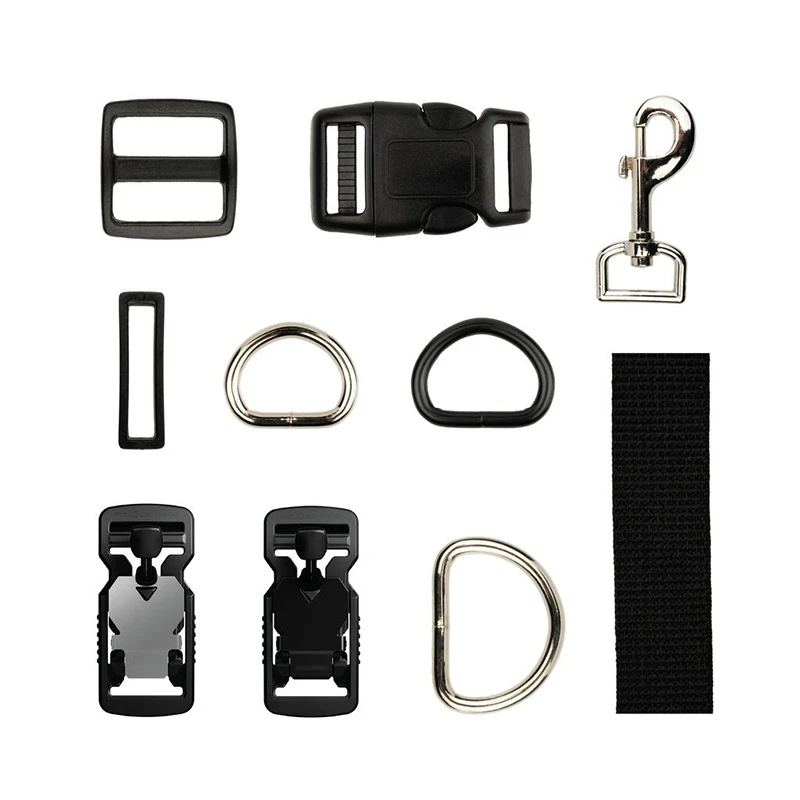
Buckles, D-rings, swivel hooks, adjusters, and other fittings are important components of pet accessories.
Different hardware options can vary in material, dimensions, finish, structure, and manufacturing cost.
For example, a dog leash may use a standard swivel hook or a customized fitting with a different finish or design.
Similarly, a dog harness may require several buckles and adjustment components, making hardware selection particularly important.
Buyers should evaluate hardware based on:
Functional requirements
Compatibility with webbing dimensions
Material and finish
Expected product use
Appearance and brand positioning
Availability for repeat production
The objective is to select components that meet the product requirements without adding unnecessary complexity or expense.
4. Customization Requirements Affect Production Processes
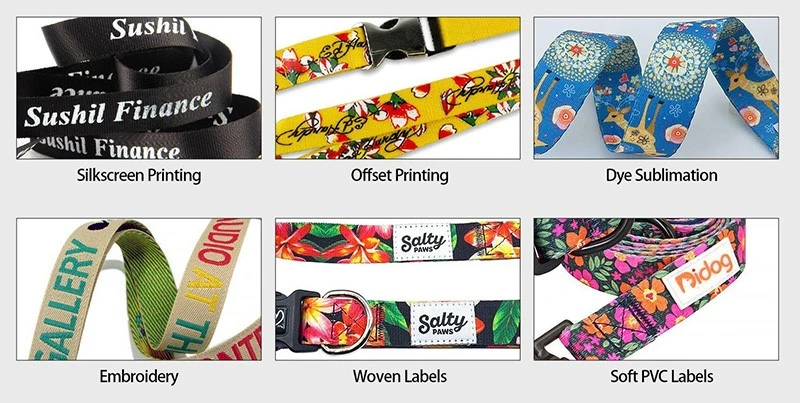
Customization helps brands develop distinctive products, but different customization methods may require different production arrangements.
Common requirements include:
Custom colors
Logo printing or branding
Embossed details
Customized product dimensions
Special hardware finishes
Customized packaging
For example, adding a logo to a dog collar may involve a different process depending on whether the buyer chooses a printed, embossed, or separately attached logo.
The production cost may also be affected by the number of customized elements and the complexity of their application.
Before production, buyers should identify which customization features are essential to their brand identity and which are optional.
This helps manufacturers understand the project more accurately and prepare suitable production quotations.
5. Standardized Components Can Help Simplify Product Development
When brands develop several related pet accessories, using compatible or standardized components may help simplify production planning.
For example, a product collection may include matching collars, leashes, and harnesses using similar webbing colors, hardware finishes, or branding elements.
A standardized approach can make product development more organized and may improve purchasing efficiency when components can be shared across products.
However, standardization should not compromise product functionality or the specific requirements of individual designs.
Buyers should identify which components can be standardized and which need to remain product-specific.
6. Production Quantity and SKU Variety Also Matter
The number of units ordered and the variety of product specifications can influence manufacturing arrangements.
A project containing many colors, sizes, and designs may require more production preparation than an order with a smaller number of standardized specifications.
For example, ordering several sizes of dog harnesses in multiple colors may involve different material allocations, component combinations, and production planning.
Buyers should provide a clear breakdown of quantities by product type, size, and color when requesting a quotation.
This allows manufacturers to evaluate the actual production requirements rather than estimating costs from the total order quantity alone.
7. Evaluate the Complete Design Before Confirming Production
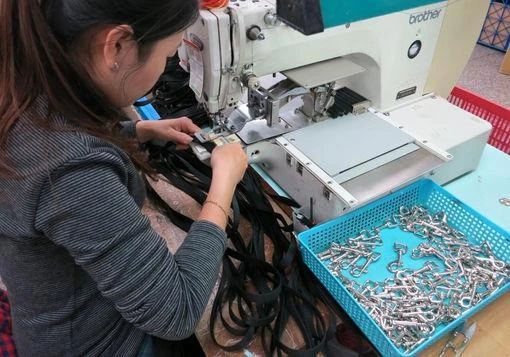
A product design should be evaluated as a complete manufacturing project.
Before confirming a custom pet accessory order, buyers should review:
Product structure and dimensions
Material specifications
Hardware selection
Customization requirements
Packaging details
Production quantity by SKU
It is also important to review the physical sample before mass production to confirm that the design, materials, components, and appearance match the intended requirements.
Changes made after production begins may require additional adjustments and can affect the production schedule.
Discussing important design decisions with the manufacturer early can help reduce unnecessary revisions and make the production process more efficient.
Final Thoughts
Manufacturing costs for pet accessories are influenced by more than material prices. Product structure, hardware selection, customization methods, standardized components, and production quantity all contribute to the final quotation.
For pet brands, importers, and wholesalers, evaluating these factors during product development can help balance product functionality, appearance, manufacturing complexity, and purchasing costs.
GH Material manufactures customized pet collars, leashes, harnesses, pet bags, and PVC/TPU coated webbing for overseas B2B customers.
If you are developing a new pet accessory collection, share your product drawings, material preferences, hardware requirements, and estimated quantities with our team. We can review the manufacturing requirements and provide a quotation based on your project specifications.
FAQ
Q: What Factors Affect The Manufacturing Cost Of Pet Accessories?
A: The main factors include product structure, materials, hardware components, customization methods, production quantity, and SKU variety.
Q: Does A More Complicated Pet Product Design Always Cost More?
A: Not necessarily, but additional components, specialized processes, and complicated assembly requirements can increase manufacturing costs.
Q: How Can Buyers Control Custom Pet Product Development Costs?
A: Buyers can review product functionality, simplify unnecessary design elements, select suitable materials, standardize compatible components, and confirm specifications before mass production.
Q: Does Material Selection Affect Pet Accessory Manufacturing Costs?
A: Yes. Different materials have different purchase prices, processing requirements, availability, and performance characteristics. Buyers should select materials according to the intended application and product requirements.