

How Better Pet Product Instructions Reduce Customer Complaints
Nov 19, 2026
Leave a message
For pet product importers, customer complaints do not always result from manufacturing defects. In some cases, customers may misunderstand how to adjust a harness, attach a leash, operate a buckle, or maintain a product properly. When product instructions are unclear or incomplete, even well-manufactured pet accessories can lead to unnecessary complaints, returns, and negative reviews.
For brands, wholesalers, and distributors, providing clear product instructions should be considered part of product development and purchasing preparation. Working with an experienced pet product manufacturer can help buyers ensure that instructions accurately reflect the product's construction, functions, and intended use.
Identify Product Features That May Cause User Confusion
Different pet accessories have different operating structures. Products with multiple adjustment points, locking mechanisms, or detachable components may require clearer explanations than simple designs.
For example, a dog harness may include several adjustment straps and buckles. If customers do not understand which straps control the fit, they may wear the harness incorrectly and complain about discomfort or poor fit.
Importers should identify potentially confusing features before placing bulk orders.
During product development, buyers can review:
Buckle opening and closing methods
Harness adjustment points
Leash attachment mechanisms
Detachable accessories and components
Product-specific care requirements
Identifying these details early helps buyers determine which products need additional instructions or illustrations.
Match Instructions to the Actual Product Design
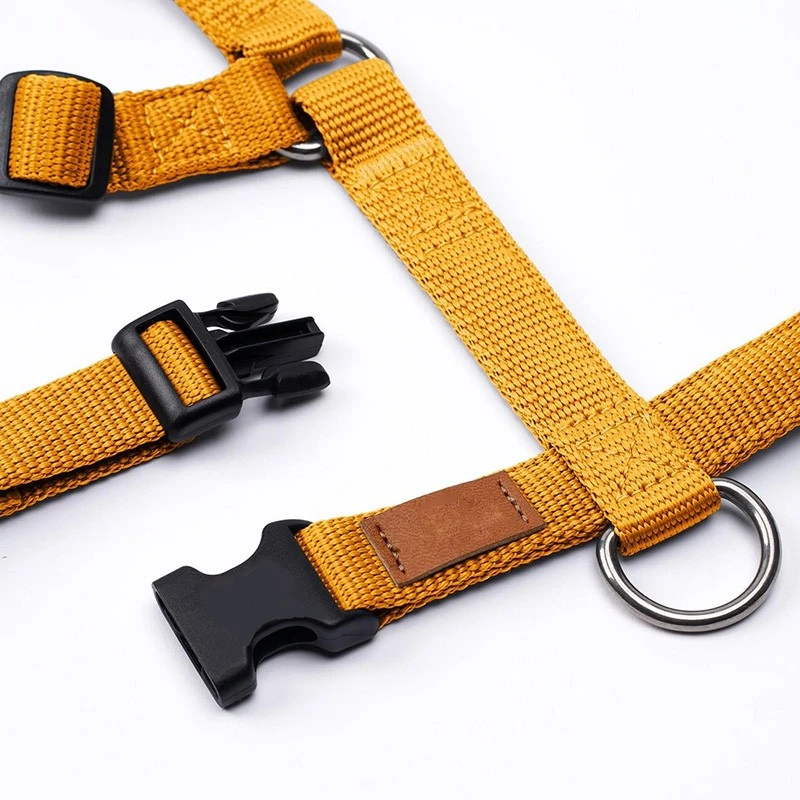
One common problem with private-label pet products is that generic instructions may not accurately describe the purchased product.
For example, two dog harnesses may look similar but have different adjustment structures. Using the same instruction sheet for both products could confuse customers.
Before mass production, buyers should confirm that product instructions match the approved sample and final product specifications.
Important details include:
Correct product names and component descriptions
Accurate adjustment and fastening steps
Clear identification of product features
Instructions for detachable parts, where applicable
Appropriate care and cleaning information
For OEM and ODM projects, buyers should provide instruction requirements during product development rather than waiting until packaging preparation.
Use Visual Instructions for Products with Complex Structures
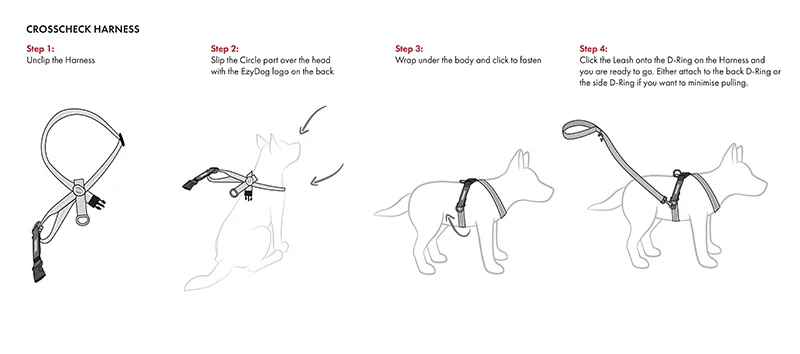
Text-only instructions may not be sufficient for products with multiple components or adjustment points.
Visual guidance can make product operation easier to understand, particularly when products are sold across different countries and language markets.
Importers can consider including:
Step-by-step product assembly illustrations
Diagrams showing harness adjustment positions
Images identifying buckle and attachment locations
Simple illustrations explaining fastening methods
For example, a harness instruction sheet can use numbered images to show where each strap should be adjusted. This is often easier to follow than a long written explanation.
Visual instructions should be consistent with the actual product structure and should not show components or functions that are unavailable in the supplied model.
Include Product Care Information to Prevent Avoidable Complaints
Some customer complaints develop because buyers do not understand how to maintain their products.
Different materials and components may require different care methods. For example, PVC-coated webbing, TPU-coated webbing, polyester straps, and metal hardware may have different cleaning and storage considerations.
Importers should discuss appropriate care information with their manufacturers before finalizing product instructions.
Depending on the product, relevant information may include:
Recommended cleaning methods
Drying and storage guidance
Precautions for hardware and moving components
Situations in which the product should be inspected or replaced
Care instructions should be based on the actual materials and product construction. Avoid making unsupported claims about durability, water resistance, or cleaning performance.
For products such as PVC rope dog leashes, care recommendations should reflect the actual material and construction.
Review Instructions During Sample Approval
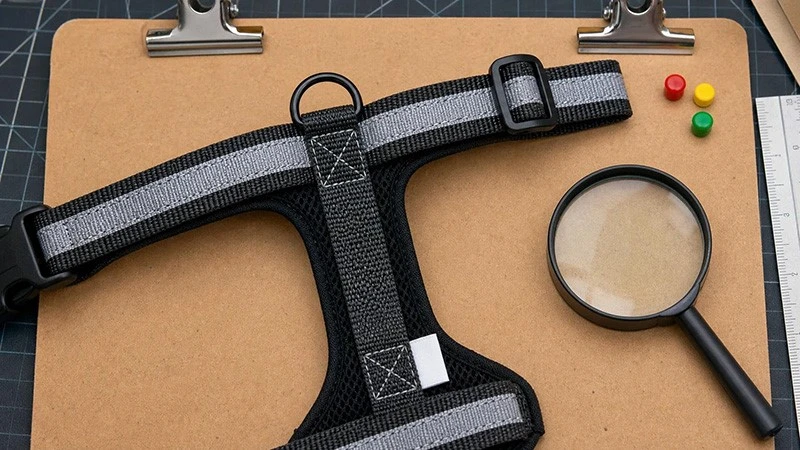
Product instructions should be reviewed as part of the sample approval process, not treated as a separate packaging task.
Before approving a bulk order, importers can ask their manufacturers to check whether the proposed instructions accurately explain the product.
A practical review should cover three areas:
Product accuracy: Do the illustrations and descriptions match the approved sample?
Operational clarity: Can the intended user understand how to operate and adjust the product?
Information consistency: Are product names, specifications, care guidance, and packaging information consistent across the materials?
This review can help identify communication problems before products are manufactured and shipped in large quantities.
Prepare Instructions for Different Sales Markets
Pet product importers may sell through multiple distribution channels, including wholesalers, retail stores, and e-commerce platforms. Their customers may also be located in different countries.
Instruction requirements should therefore reflect the target market and sales channel.
For example, e-commerce brands may benefit from downloadable instruction guides and product-page illustrations. Wholesale buyers may prefer printed instruction sheets that can be included with individual products or retail packaging.
For North American markets, buyers should also check applicable product labeling, language, and safety communication requirements for their specific product categories.
If products are sold in multiple countries, translated instructions should be reviewed to ensure that technical details and operating steps remain accurate.
Conclusion
Clear product instructions are an important part of pet product development and after-sales planning. For importers, they can help reduce misunderstandings, prevent avoidable customer complaints, and improve the overall purchasing experience.
The most effective approach is to consider instructions during product development, confirm their accuracy during sample approval, and ensure that the final information matches the actual products.
For pet brands and wholesalers sourcing custom collars, leashes, harnesses, and other accessories, working with a manufacturer that can coordinate product details and customization requirements helps create a more consistent product delivery process.
GH Material manufactures pet accessories and supports OEM/ODM customization for overseas brands, importers, and wholesalers. Buyers can discuss product structures, materials, colors, hardware, and customized product requirements with our team when developing their next pet product collection.
Frequently Asked Questions
Q: Why Are Product Instructions Important For Pet Product Importers?
A: Clear instructions help customers understand product features, adjustment methods, and maintenance requirements. They can reduce misunderstandings and avoidable after-sales complaints.
Q: Which Pet Products May Require More Detailed Instructions?
A: Products with multiple adjustment points, fastening systems, detachable components, or special operating features, such as dog harnesses and customized leash systems, may require more detailed visual guidance.
Q: When Should Buyers Prepare Product Instructions?
A: Buyers should discuss instruction requirements during product development and review them during sample approval, before confirming mass production.
Q: Can Manufacturers Help Develop Customized Product Instructions?
A: Manufacturers can provide product structure information, component details, and technical clarification to support customized instructions. Buyers should coordinate the final content and market-specific requirements with their manufacturing partners.